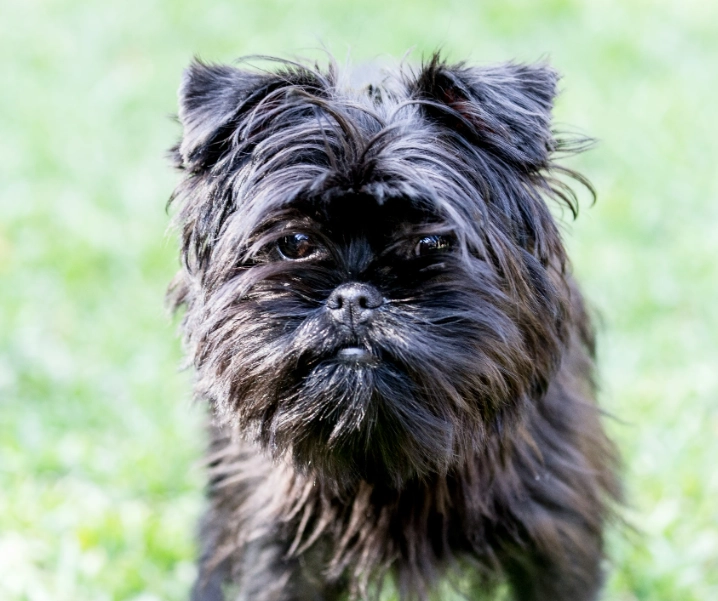
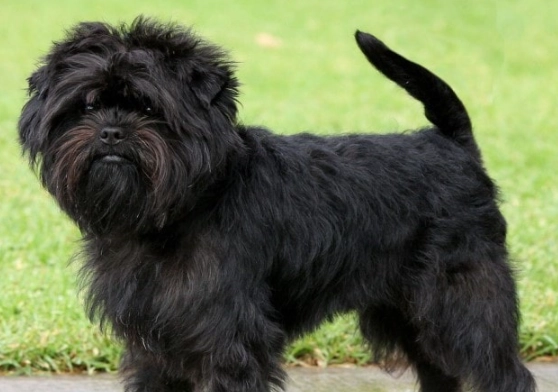
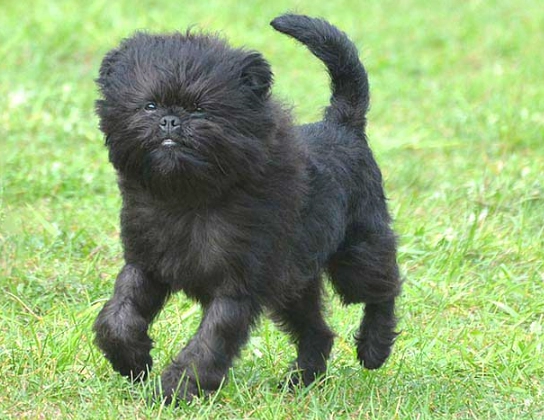
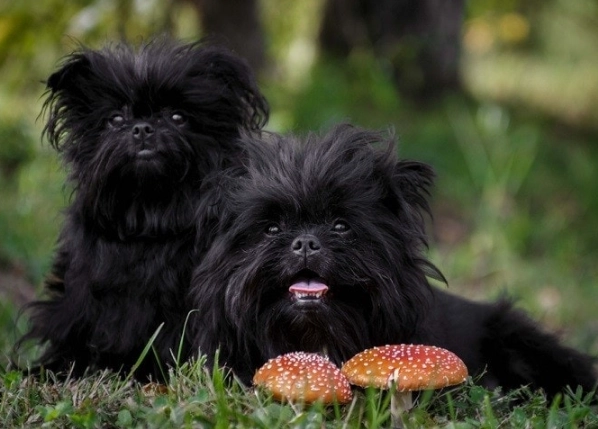
Ever seen a dog that looks like it just walked out of a Tim Burton movie? All wiry hair, a beard that would make a wizard jealous, and eyes that hold a glint of pure, unadulterated mischief? That's the Affenpinscher for you. The name sounds fancy, but it's just German for "monkey terrier," and let me tell you, it fits perfectly. This isn't your average lapdog. Owning an Affenpinscher is less about having a pet and more about welcoming a tiny, four-legged CEO with strong opinions into your home. I've spent years around dogs of all kinds, and the Affenpinscher still manages to surprise me. They're clowns, they're guardians, they're stubborn little mules wrapped in a fuzzy package. If you're here, you're probably past the "aww, cute" phase and into the "wait, what am I actually getting into?" phase. Good. That's the smart place to be. This guide isn't going to just regurgitate breed standards. We're going to dig into the real stuff—the daily life, the frustrations, the immense joys, and the answer to the big question: is an Affenpinscher your kind of chaos? Before we dive into the deep end, here's the basic info you need to get your bearings. Think of this as the cheat sheet. Numbers are one thing. Personality is everything. Describing an Affenpinscher's temperament is like trying to describe three different dogs living in one body. There's the fearless terrier, the devoted companion, and the class clown. They form incredibly strong bonds with their family and can be wonderfully affectionate—on their own terms. Don't expect a dog that's constantly begging for cuddles. An Affenpinscher will decide when it's snuggle time, thank you very much. They're known for being playful and mischievous well into their senior years. That monkey-like curiosity means nothing in your house is safe from investigation. They're also remarkably alert and brave, often forgetting their small size. This makes them excellent watchdogs, but it also means they can be quick to sound the alarm at every passing leaf or delivery person. The barking. Oh, the barking. It's not a casual woof; it's a sharp, insistent statement. If you live in an apartment with thin walls, you need to factor this in and commit to early, consistent training. Here's a personal observation that a lot of breed descriptions gloss over: Affenpinschers can be a bit... cat-like. They enjoy perching on high places (the back of the couch, a chair) to survey their domain. They have an independent streak a mile wide. And they can give you a look of pure, unimpressed judgment that would make any feline proud. This is a big one. Affenpinschers can do well with older, respectful children who understand how to interact gently with a small dog. They are not typically recommended for homes with very young toddlers. Their tolerance for being grabbed, poked, or chased is low, and they won't hesitate to give a warning nip if they feel threatened or annoyed. It's a self-preservation thing. With other pets, it's a mixed bag. They can learn to coexist peacefully with cats they're raised with, but that terrier prey drive is strong. Smaller pets like hamsters, birds, or rabbits will always be seen as prey—full stop. Introducing another dog is possible, especially if it's another small, calm breed, but same-sex aggression can occur. Early, positive socialization is non-negotiable. Let's lay it out honestly. No breed is perfect, and the Affenpinscher is certainly not for everyone. Making a list like this helps visualize the trade-offs. See what I mean? The very things that make them charming (the independence, the alertness) are also the sources of their biggest challenges. You have to want the whole package. This is a major commitment. That wiry coat mats easily if you don't stay on top of it. A good brush-out two to three times a week is essential. But the bigger question is trimming. To maintain the proper harsh, wiry texture and healthy skin, the coat should ideally be hand-stripped. This is a technique where dead hair is plucked out by hand or with a stripping tool. It's time-consuming and often done by a professional groomer who knows the breed. The alternative is clipping, which is faster and cheaper, but it softens the coat over time and can lead to skin and color issues. I must admit, finding a groomer who knows how to properly hand-strip an Affenpinscher can be a challenge outside of major cities. Beyond the coat, you need to keep up with nail trims (their nails grow fast), clean those expressive ears weekly to prevent infections, and brush their teeth regularly. Those little teeth are prone to overcrowding and decay. Affenpinschers don't need marathon runs. A couple of short, brisk walks a day (20-30 minutes total) and some active playtime indoors usually suffice. But their mental exercise needs are high. They're smart and get bored easily. Puzzle toys, hide-and-seek games, and short, fun training sessions are crucial to prevent destructive behaviors born from boredom. Speaking of training... buckle up. Training an Affenpinscher is an exercise in creative negotiation. Positive reinforcement is the only method that works. Harsh corrections will make them shut down or become defensive. Use high-value treats (cheese, chicken), keep sessions short and fun, and be prepared for days when they simply decide they have better things to do. Housetraining can be particularly stubborn due to their small bladders and strong wills. Crate training is highly recommended. The key is immense patience and consistency. They are capable of learning a lot, but they'll always do it on Affenpinscher time. Feeding a high-quality, small-breed formulated kibble is a good start. They can be picky eaters, so you might need to experiment. Be very careful with treats to avoid obesity—it's easy to overfeed such a small dog. Always have fresh water available. Some Affenpinschers are prone to a condition called patellar luxation (slipping kneecaps), so maintaining a healthy weight is critical to reducing joint stress. Generally a healthy breed, but like all purebreds, they have some predispositions. A responsible breeder will test their breeding stock for these conditions. Always ask to see health clearances. The single best thing you can do is find a breeder who uses the CHIC (Canine Health Information Center) program and openly shares all health test results. It's a sign they're prioritizing health over just producing puppies. This is the most important decision you'll make. Expect to be on a waiting list. Good breeders don't have puppies available every month. They will interview you extensively. They should: Start with the Affenpinscher Club of America breeder referral list. It's the most reliable place to begin your search. Don't overlook this option. Breed-specific rescues occasionally have Affenpinschers or Affen mixes in need of homes. These are often adult dogs whose personalities are already known, which can be a great fit. The adoption process is still thorough, but the fee is usually lower. Again, the Affenpinscher Club of America can point you to rescue contacts. Giving a second chance to a dog in need is incredibly rewarding. Look, the Affenpinscher isn't a dog that blends into the background. It demands to be seen and heard. It will make you laugh daily, frustrate you weekly, and steal your heart completely. This breed is perfect for someone who appreciates a dog with a mind of its own, who doesn't mind a bit of grooming work, and who wants a loyal, entertaining shadow. It's a terrible fit for someone who wants an effortlessly obedient dog, who is sensitive to noise, or who isn't home much. The worst thing you can do is get an Affenpinscher expecting a docile, decorative lapdog. You'll be disappointed, and more importantly, the dog will be miserable. They're more than just a quirky-looking dog. They're a lifestyle. And for the right person, it's the best lifestyle there is.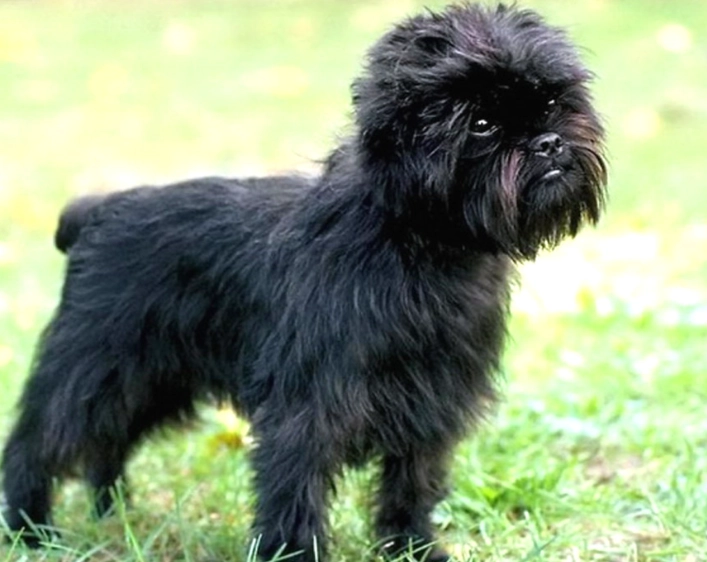
Your Quick Navigation
Affenpinscher 101: The Quick Snapshot
Trait
Details
Size
Toy breed. Typically 9 to 11.5 inches tall at the shoulder.
Weight
Usually between 7 to 10 pounds. Don't let the small size fool you—they're dense and sturdy.
Coat
Wiry, rough, and about 1 inch long. That iconic shaggy look is maintained by hand-stripping or clipping.
Color
Black is most common, but you also see gray, silver, black & tan, or even red.
Life Span
A robust 12 to 15 years, sometimes longer with great care.
Origin
Germany, dating back to the 1600s. They were originally ratters in stables and shops.
AKC Group
Toy Group. You can read their official breed standard on the American Kennel Club website for the precise details judges look for.
The Affenpinscher Personality: More Than Just a Funny Face
Are They Good with Kids and Other Pets?
The Great Debate: Affenpinscher Pros and Cons
The Good Stuff (The Pros)
The Challenging Bits (The Cons)
Living with an Affenpinscher: The Day-to-Day Reality
Grooming: It's Not Just a Brush-Through
Exercise and Training: Mind and Body
Diet and Nutrition
Affenpinscher Health: What to Watch For
Finding Your Affenpinscher: Breeder vs. Rescue
Going Through a Responsible Breeder
Considering Affenpinscher Rescue
Your Affenpinscher Questions, Answered
Final Thoughts: Is the Monkey Dog for You?
Let's cut to the chase. The core appeal of the Affenpinscher is its gigantic personality packed into a small, sturdy frame. They're confident, curious, and fiercely loyal to their people. But that same confidence can tip over into stubbornness, and their terrier heritage means they have a high prey drive and a voice they're not afraid to use.
A word of caution: Their bravery is a double-edged sword. An Affenpinscher will not back down from a challenge, even from a much larger dog. This means off-leash time in unsecured areas is a huge risk. That high prey drive can send them bolting after a squirrel into traffic without a second thought. A secure fence and a sturdy leash are mandatory.
Are Affenpinschers good for first-time dog owners?
Honestly? They can be a tough first dog. Their stubbornness and specific grooming needs present a steeper learning curve. A first-time owner who is extremely patient, committed to training classes, and does all their homework can succeed, but they might be an easier second dog.
How much does an Affenpinscher puppy cost?
From a reputable breeder, expect to pay anywhere from $1,500 to $3,000 or more. Price varies by location, the breeder's reputation, and the pedigree. The old saying "you get what you pay for" is painfully true here. A cheap puppy from a pet store or backyard breeder will almost certainly cost you much more in vet bills and heartache down the line.
Do Affenpinschers really not shed?
They shed minimally, like a human sheds hairs. You'll find the occasional wiry hair on your clothes, but it's nothing like the tumbleweeds of fur from a double-coated breed. Their hair tends to get trapped in the coat, which is why regular brushing is needed to remove it.
Can I leave my Affenpinscher alone during the workday?
For a standard 8-hour day, it's not ideal, especially for a puppy. Adult Affenpinschers can adapt better, but they are companion dogs who crave interaction. Leaving them alone for long periods regularly can lead to anxiety, boredom, and excessive barking. A dog walker at midday or doggy daycare a few days a week is a great solution if you work full-time.
What's the best way to stop an Affenpinscher from barking?
You don't stop it; you manage it. First, never yell "quiet!"—that just adds to the noise. Teach a "quiet" command by rewarding moments of silence. Manage their environment (close blinds, use white noise). Provide ample physical and mental exercise to reduce boredom barking. And accept that some alert barking is part of the deal. It's what they were bred to do.
If you've read this far and your reaction is "Yes, the challenges sound worth it for that unique personality," then you might just be the right person for an Affenpinscher. Do your homework, find a responsible source, and get ready for a wild, wonderful, and utterly unforgettable ride with your very own monkey-terrier.
Comment