Let's be honest, the first thing that grabs you about an Afghan Hound is that look. That impossibly silky coat, the aristocratic posture, the face that seems to hold ancient secrets. I remember the first time I saw one at a dog show—it was like watching a supermodel glide past, completely unaware of the chaos around it. But here's the thing nobody tells you right away: living with one of these dogs is nothing like admiring one from a distance. It's a full-time commitment wrapped in fur. If you're here, you're probably past the "wow" phase and deep into the "how" phase. How do you care for all that hair? What's their personality really like? Is an Afghan Hound a good family dog? I've talked to breeders, owners, and groomers, and I've gathered the good, the bad, and the downright hairy truth about this breed. This isn't just a breed profile; it's a survival guide for anyone brave enough to consider sharing their home with this magnificent, maddening, and utterly unique creature. You can't talk about Afghan Hounds without dedicating serious time to the topic of grooming. It's the elephant in the room—or rather, the mountain of hair on your sofa. This is the single biggest commitment and the most common reason people get in over their heads. Think of their coat not as fur, but as very fine, very long human hair. It tangles if you look at it wrong. A weekly brush? Try a daily session. And I'm not talking about a quick once-over with a slicker brush. We're talking systematic line brushing, section by section, right down to the skin, to prevent mats from forming close to the body. Mats aren't just unsightly; they're painful, pull on the skin, and can harbor moisture and bacteria. Forget the basic pet store kit. Grooming an Afghan Hound requires specialized tools. Here’s what you actually need on your shelf: And then there's the bath. Bathing an Afghan Hound is a half-day event. You need a deep sink or a walk-in shower. You'll go through a shocking amount of shampoo and, more importantly, conditioner. The conditioner is crucial for managing that hair afterward. Drying? Never, ever let them air dry. A matted mess will form instantly. You need a high-velocity dog dryer to blow the coat straight and dry it completely, root to tip. I know a breeder who jokes that you don't own an Afghan Hound; you own a hair salon with legs. It's not far from the truth. For many owners, professional grooming every 4-6 weeks is a sanity-saving expense. Okay, so you've accepted the grooming. Now let's talk about what's going on inside that elegant head. This is where people get tripped up if they expect a typical dog personality. Afghan Hounds are famously independent. They were bred to make decisions miles away from their human handlers, chasing game over rough terrain. This means they are intelligent, but not necessarily "obedient" in the way we think of a Border Collie or a Golden Retriever. They assess commands. They ask, "What's in it for me?" and "Is this really a good idea?" This isn't stubbornness in the way a poorly-trained dog is stubborn; it's a deep-seated trait of the breed. Training requires patience, creativity, and a lot of high-value treats. Forget repetitive drills. They get bored. Positive reinforcement is the only method that works. Harsh corrections will cause them to shut down completely—they'll just walk away and ignore you. Their sensitivity is off the charts. But in the home, with their family, they can be surprisingly silly and affectionate. They're known for their "Afghan lean," where they simply lean their full weight against you. They might follow you from room to room, not necessarily for interaction, but just to be in your vicinity. Their affection is quiet and dignified, not slobbery and exuberant. Given their athletic build, people often assume Afghan Hounds need hours of intense exercise. Not exactly. They are sprinters, built for explosive bursts of speed, not endurance running. A good daily routine includes: Never, ever trust an Afghan Hound off-leash in an unsecured area. Their prey drive is extremely high. If they see a squirrel, rabbit, or even a blowing leaf, their brain flips a switch from "pet" to "hunter," and they will run. They are faster than you, and they will not recall. That independent streak means your calls will be ignored the moment the chase instinct engages. A lost Afghan Hound is a terrifying prospect—they can cover miles and are not adept at finding their way home. Generally, Afghan Hounds are a healthy breed with a lifespan of 12-14 years. However, like all purebreds, they are prone to certain conditions. Responsible breeders screen for these. Nutrition is critical. You're fueling an athlete. A high-quality diet rich in animal protein is essential. Their fine coats also benefit from omega-3 and omega-6 fatty acids. Some owners swear by adding a bit of salmon oil or a raw egg yolk to their kibble for extra shine. Always consult your vet for specific dietary advice, and you can find great general guidelines on sites like the PetMD nutrition center. Let's cut to the chase. Don't get an Afghan Hound if: Do consider an Afghan Hound if: If you've read this far and are still interested, sourcing is your next step. Reputable Breeder: This is the best route for most. A good breeder health-tests their breeding stock, raises puppies in a home environment, and will be a resource for life. They will interview you as thoroughly as you interview them. Expect to be on a waiting list. The AKC Marketplace or the Breeder of Merit program is a good starting point, but deep research is key. Rescue: Afghan Hounds do end up in rescue, often because unprepared owners were overwhelmed by the grooming or the personality. Organizations like Afghan Hound Rescue work to rehome these dogs. Adopting an adult can be wonderful—you skip the puppy destruction phase and often get a dog whose personality is already known. Be prepared to work through potential baggage from a past home. Owning an Afghan Hound is a lifestyle choice. It's for someone who doesn't just want a pet, but a living piece of art, a historical companion, and a unique personality wrapped in a cloud of silk. They are not easy. They will frustrate you, bankrupt you at the groomer, and ignore your most heartfelt commands. But when your Afghan Hound chooses to curl up beside you, resting its head on your lap with a deep sigh, or when you see it run with breathtaking, effortless grace, all that work fades into the background. You're not just owning a dog; you're stewarding a legacy. Just make sure you're ready for it. And maybe invest in a really, really good vacuum cleaner first.Your Afghan Hound Companion Roadmap
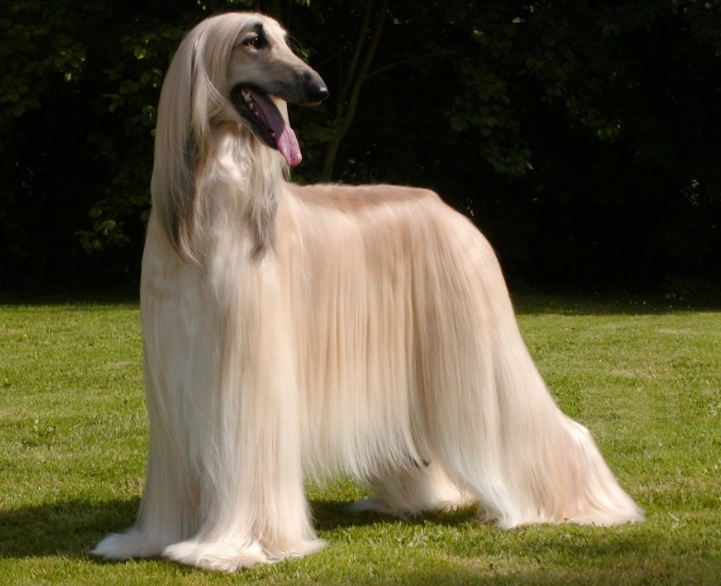
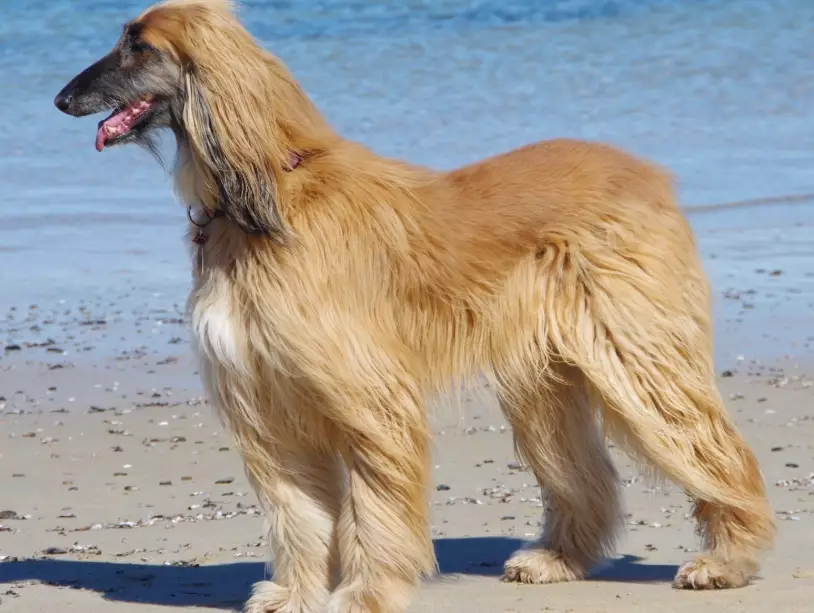
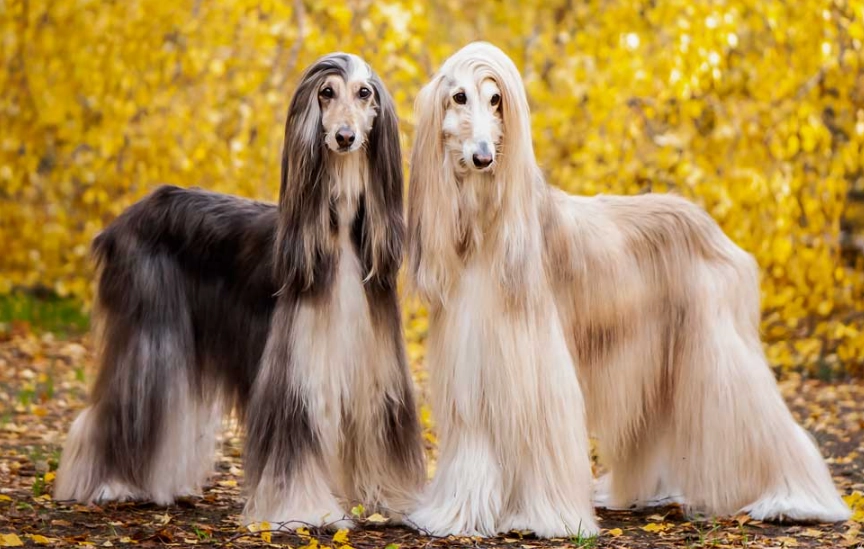
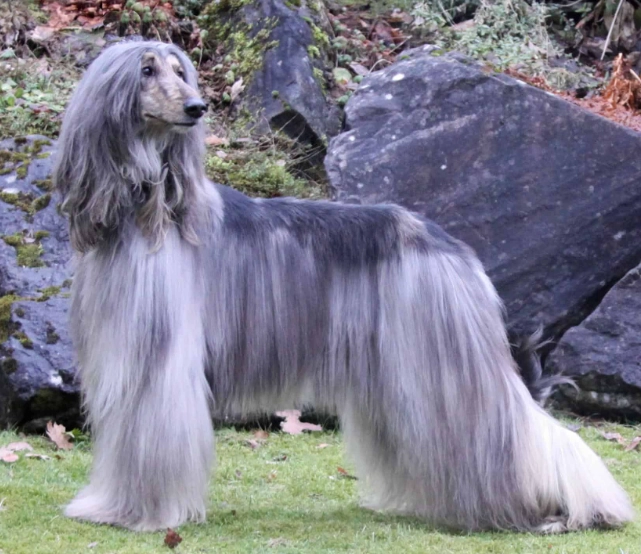
According to the American Kennel Club (AKC), they stand tall (25-27 inches for males) and carry themselves with aloof dignity. Their temperament is often described as dignified and aloof, but clownish in the home.That Coat: Glamour, Grooming, and Ground-in Mud
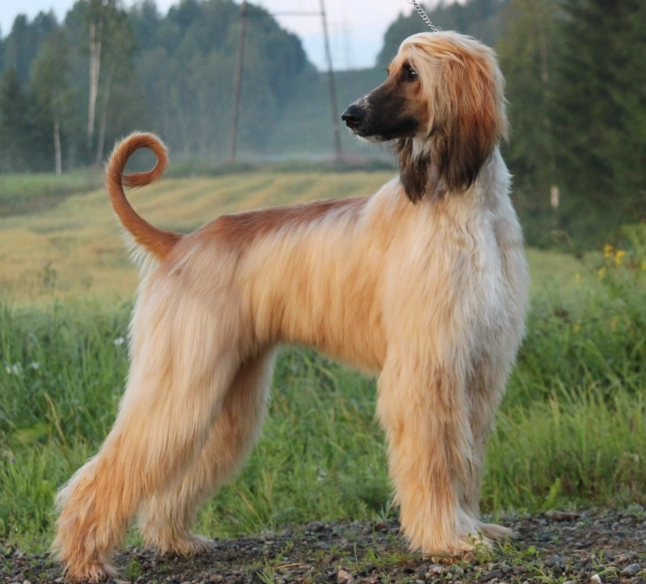
The Essential Afghan Hound Grooming Toolkit
Tool Purpose Why It's Non-Negotiable Stainless Steel Greyhound Comb Your primary tool for checking for and removing tangles. The long, widely-spaced teeth glide through the fine hair without breaking it. You use this after brushing to ensure no small knots remain. High-Quality Slicker Brush (Long-pinned) For daily brushing and removing loose hair. Gets through the topcoat. A cheap one will scratch the skin and be useless on dense hair. Pin Brush with Rounded Tips For gentle detangling and finishing. Perfect for the feathering on ears, legs, and tail without causing pain. Detangling Spray or Conditioning Spray Applied before brushing to provide slip. Reduces hair breakage and makes the process easier on you and the dog. A lifesaver. Blunt-Tipped Scissors For carefully snipping out small, tight mats. Sometimes a mat is too close to the skin to brush out. Cutting it out carefully is safer than pulling. 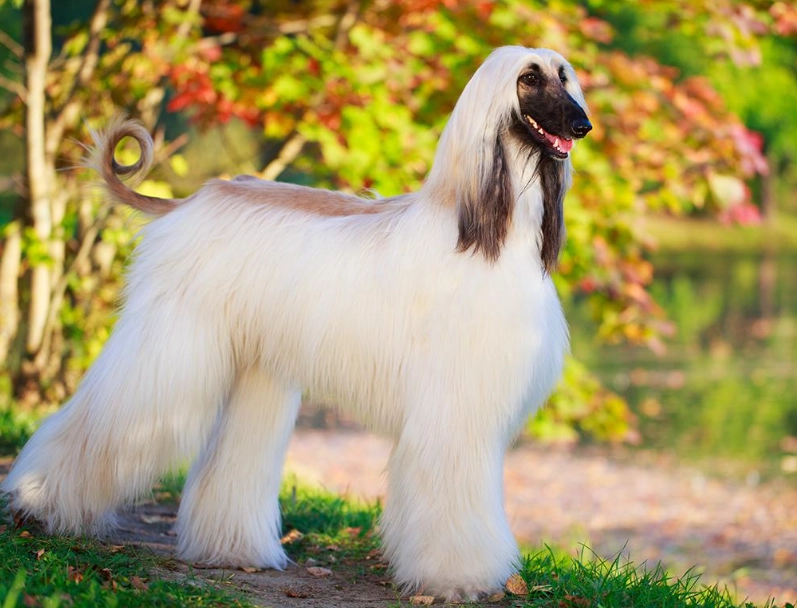
The Afghan Hound Mind: Independent Thinker, Not Eager-to-Please Student
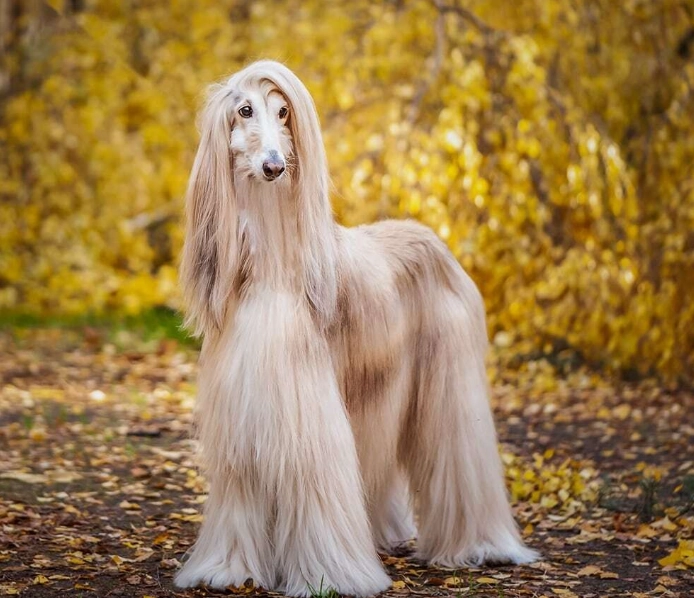
Exercise: Sprinters, Not Marathon Runners
Health and Nutrition: Keeping That Frame in Good Shape
Common Health Considerations
Is an Afghan Hound the Right Dog for You? The Honest Checklist
Finding an Afghan Hound: Breeder vs. Rescue
Living the Afghan Life: Frequently Asked Questions
- High-quality food: $800-$1000
- Professional grooming (every 4-6 weeks): $1200-$1800
- Routine vet care/insurance: $500-$800
- Supplies, toys, treats: $300
You're looking at a baseline of $2800-$3900 per year, not including unexpected medical costs. The grooming is the real budget-killer.
Quick Breed Snapshot: The Afghan Hound is a sighthound, bred for centuries in the mountainous regions of Afghanistan to hunt hare and gazelle. They're known for their speed, independence, and, of course, that signature long, flowing coat. They're not your typical eager-to-please Labrador.
Let's Be Real: The grooming is relentless. If you dislike the chore, have a busy schedule, or have a limited budget for professional groomers, the Afghan Hound is likely not the breed for you. That gorgeous coat is their defining feature, but neglecting it is a form of cruelty. It's the biggest "con" on the list.
A Key Point for Families: Their aloofness extends to strangers. They are not golden retrievers who will greet every guest with a wagging tail. They are more likely to observe regally from a distance. This is not aggression; it's reserve. It also means they aren't natural watchdogs—they might not even bark when someone comes to the door.
Are Afghan Hounds good apartment dogs?
Surprisingly, they can be, if their exercise needs are met. They are calm indoors. The bigger issue in an apartment is containing the hair and having a good grooming setup in your bathroom. Access to a secure outdoor area for quick potty breaks is also crucial.
How much does it cost to own an Afghan Hound annually?
Let's break it down roughly:
Do they shed?
Yes, but not in the way a Labrador does. They don't have an undercoat that sheds in clumps. Instead, you'll find long, fine hairs woven into your clothes, furniture, and food. The daily brushing controls this significantly, but no, they are not hypoallergenic.
Can you shave an Afghan Hound?
In a medical emergency, yes. Otherwise, it's a terrible idea. Their coat protects their skin from sunburn and regulates temperature. Shaving can permanently damage the texture of the hair, causing it to grow back woolly and prone to matting. It's their identity. If you can't handle the coat, choose a different breed.
Are they good with other dogs or cats?
With proper socialization, they can do fine with other dogs, especially of similar size and calm temperament. Their prey drive makes cohabitation with cats, rabbits, or other small pets risky. Some can live with a cat they were raised with, but the cat will likely always be seen as potential prey if it runs.
Comment