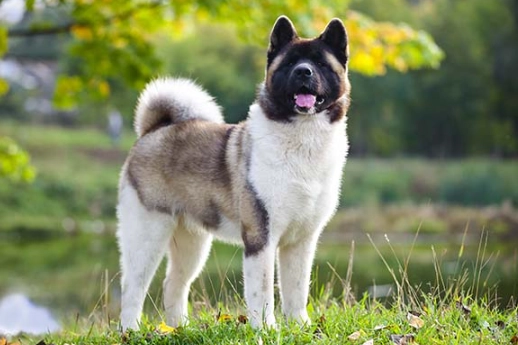
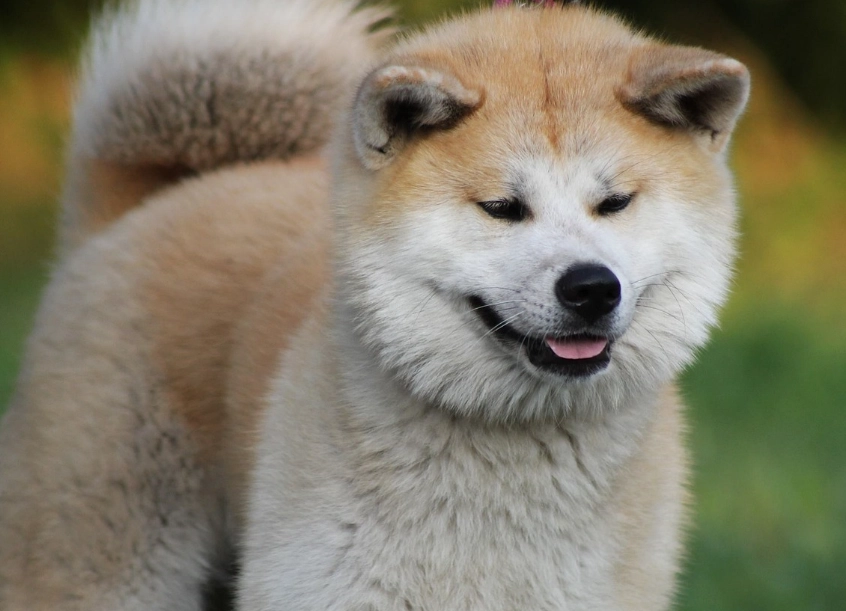
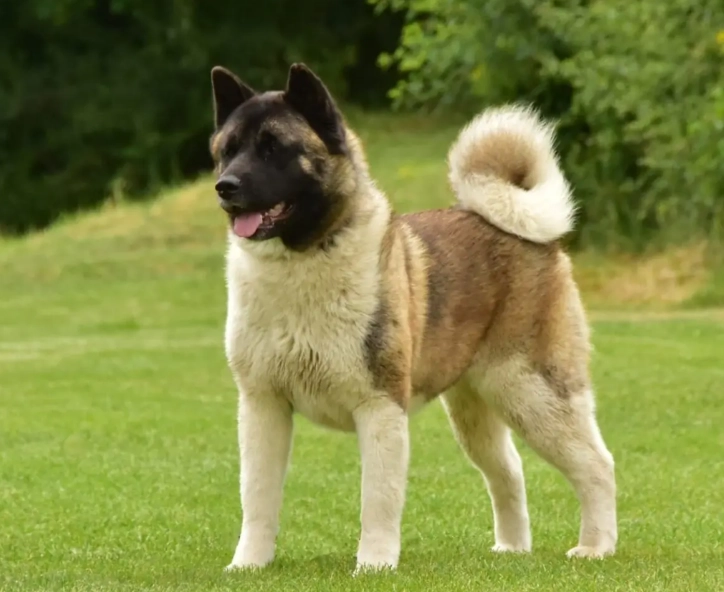
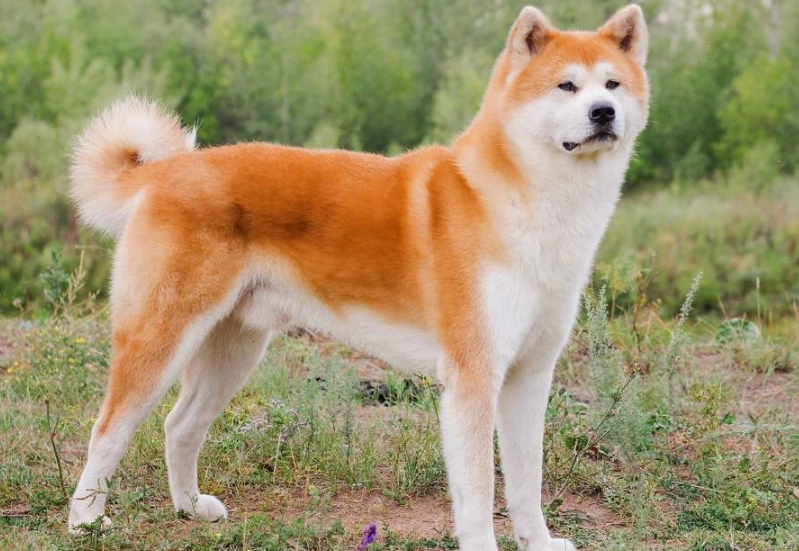
So you're thinking about getting an Akita? Let me tell you, these dogs are something special. I remember the first time I met an Akita - it was at a friend's house, and this majestic creature just had this presence about him. He wasn't like other dogs I'd known. There was this quiet dignity, this almost regal bearing that made you stop and take notice. But here's the thing about Akitas: they're not for everyone. And that's okay! In this guide, I'm going to walk you through everything about these amazing dogs - the good, the bad, and the things nobody tells you. We'll cover their history, personality, care needs, and whether an Akita might be the right fit for your family. The Akita's story begins in the mountainous regions of northern Japan. Originally bred for hunting large game like bears, boars, and deer, these dogs were the companions of matagi (traditional Japanese hunters). Their name comes from Akita Prefecture, where the breed was developed. There are actually two main types of Akitas: the Japanese Akita Inu and the American Akita. The Japanese version tends to be slightly smaller with more fox-like features, while American Akitas are bulkier with bear-like heads. Both share that incredible Akita spirit though. I've always been fascinated by the story of Hachiko, probably the most famous Akita in history. This loyal dog waited for his owner at the train station every day for nearly ten years after the man's death. That story really captures the Akita's devotion. Akitas are substantial dogs. We're talking about a breed that typically weighs between 70-130 pounds, with males being larger than females. They have this powerful, balanced build that just screams "capable." Their coat is something else - a thick double coat that's designed for cold weather. It comes in various colors, but that plush fur means they shed. A lot. During shedding season, you'll find Akita hair everywhere. I'm not exaggerating when I say it can look like you have a whole other dog worth of fur floating around your house. Akitas come in several color variations. The Japanese Akita Inu typically has more restricted colors like red, white, or brindle with white markings. American Akitas have a wider range including black, pinto, and various shades. The urajiro (light markings on the sides of the muzzle, cheeks, chest, and tail) is particularly valued in show circles. This is where things get interesting. Akitas have personalities that are... complex. They're often described as "cat-like" in their independence. They're not the type of dog that's constantly seeking your attention. Instead, they choose when to interact with you. One thing that surprised me about Akitas is how quiet they are. They're not yappy dogs. When they do bark, it means something. This can be great for apartment living (if you have enough space), but it also means you need to pay attention when they do vocalize. Their loyalty is legendary, but it comes with a caveat: they tend to bond strongly with one person. While they'll be affectionate with the whole family, there's usually one person who's "their" person. So what's it actually like to live with one of these dogs? Let me break it down for you based on what I've seen and learned from Akita owners. Akitas aren't hyper dogs, but they do need regular exercise. A couple of good walks daily plus some playtime in a securely fenced yard usually does the trick. They're not marathon runners, but they enjoy activities that engage their minds. I've found that mental stimulation is just as important as physical exercise for these smart dogs. Puzzle toys, training sessions, and scent games can tire them out more effectively than just running around. That beautiful coat doesn't maintain itself. Regular brushing is essential - at least a few times a week. During shedding season (which happens twice a year), you'll need to brush daily unless you want to be swimming in dog hair. The good news? Akitas are naturally clean dogs. They don't have that "doggy" smell that some breeds do, and they tend to groom themselves like cats. Bathing is only needed occasionally. Training an Akita is... an experience. They're intelligent but they have their own opinions about things. Positive reinforcement works best, but you need to be consistent and patient. Socialization is absolutely critical with this breed. Expose them to different people, places, and situations from puppyhood. An unsocialized Akita can become fearful or aggressive, and with a dog this size, that's not something you want to risk. Like many purebred dogs, Akitas are prone to certain health issues. Being aware of these can help you provide the best care for your dog. Hip dysplasia is probably the biggest concern. This is common in large breeds, and Akitas are no exception. Responsible breeders will have their breeding dogs tested for this condition. Other health issues to watch for include: Regular vet check-ups and maintaining a healthy weight can help prevent or manage many of these conditions. I always recommend pet insurance for large breeds - vet bills can add up quickly. Let's get real for a minute. Akitas are amazing dogs, but they're not for everyone. Here's who I think makes a good Akita owner: Good fit if you: - Have experience with large, strong-willed breeds - Want a loyal companion who's not overly needy - Have a securely fenced yard - Don't have small children (or are extremely careful about supervision) - Are prepared for the grooming commitment - Understand and can manage potential aggression issues Probably not the best choice if you: - Are a first-time dog owner - Want a dog that gets along with everyone - Have a busy household with lots of comings and goings - Want a dog that's easy to train and always obedient - Have other pets, especially same-sex dogs I've seen too many Akitas end up in shelters because people weren't prepared for the reality of owning one. They're wonderful dogs, but they require a specific type of owner. If you've decided an Akita is right for you, the next step is finding a responsible source. Please, please avoid puppy mills and pet stores. These places often don't health test their breeding dogs, and you could end up with a dog that has serious health or temperament issues. Look for breeders who: - Health test their breeding dogs - Are involved in dog shows or sports - Ask you lots of questions about your home and experience - Let you meet the puppy's parents - Provide health guarantees Rescue is another great option. There are Akita-specific rescue organizations across the country. These groups often have adult dogs whose personalities are already established, which can be helpful when matching with the right home. This is tricky. Akitas can be good with children they're raised with, but they have low tolerance for rough handling. Never leave an Akita alone with small children. They're large, powerful dogs, and accidents can happen. Moderate exercise is fine - a couple of 30-minute walks daily plus some playtime. They're not high-energy dogs, but they do need mental stimulation. Generally no. They're quiet dogs who bark only when they have a reason. This makes them good apartment dogs (size permitting). They can be dog-aggressive, particularly with same-sex dogs. With proper socialization and training, they can learn to be appropriate around other animals, but caution is always advised. Japanese Akitas tend to be smaller with more refined features, while American Akitas are larger and more bear-like. Temperamentally, they're quite similar. Owning an Akita is a unique experience. These dogs demand respect and understanding. They're not the right choice for everyone, but for the right person, they're incredible companions. I'll leave you with this: the best Akita owners I know are those who appreciate the breed for what it is, not what they want it to be. They understand the independence, respect the loyalty, and manage the challenges with patience and humor. If you're considering adding an Akita to your family, do your homework. Meet some Akitas, talk to breeders and owners, and be honest with yourself about whether you can provide the home these special dogs need. They're not easy dogs, but the ones who are well-loved and properly cared for? They're absolutely worth the effort.My Akita Insights: Quick Tour
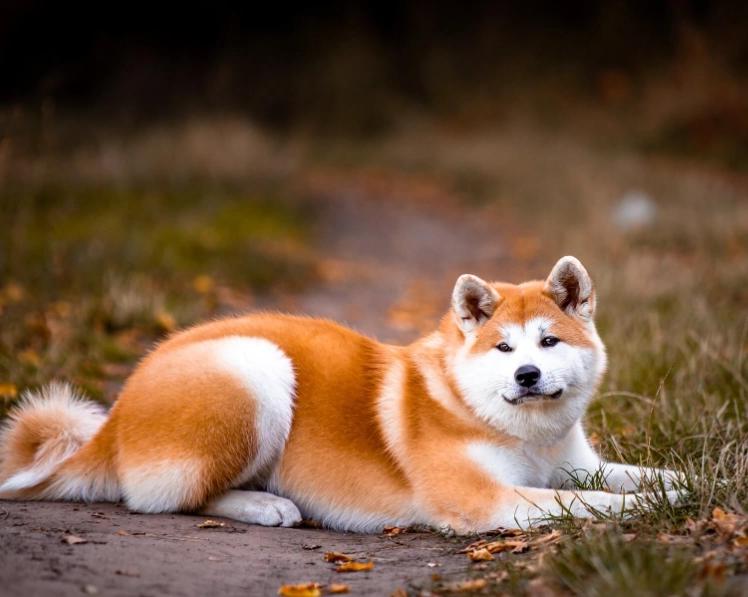
Where Did Akitas Come From? The Fascinating History
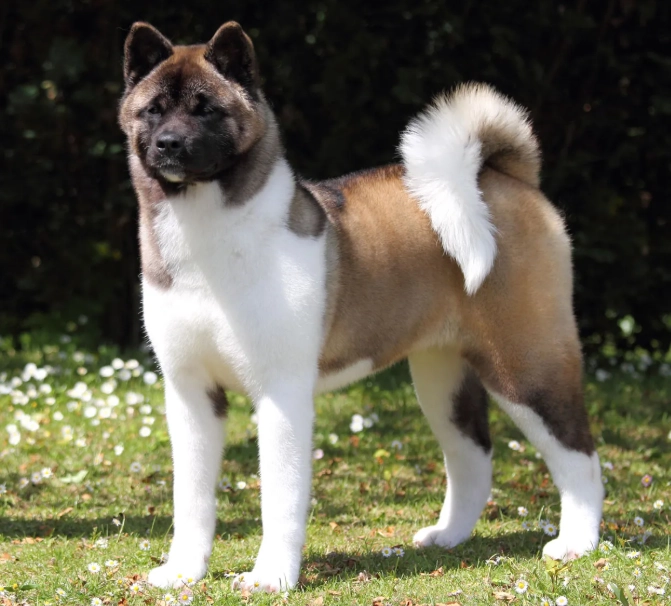
What Does an Akita Look Like? Physical Characteristics
Feature Description Height 24-28 inches at the shoulder Weight 70-130 pounds Coat Double coat with thick undercoat Colors Various including white, brindle, red Lifespan 10-15 years Coat Colors and Patterns
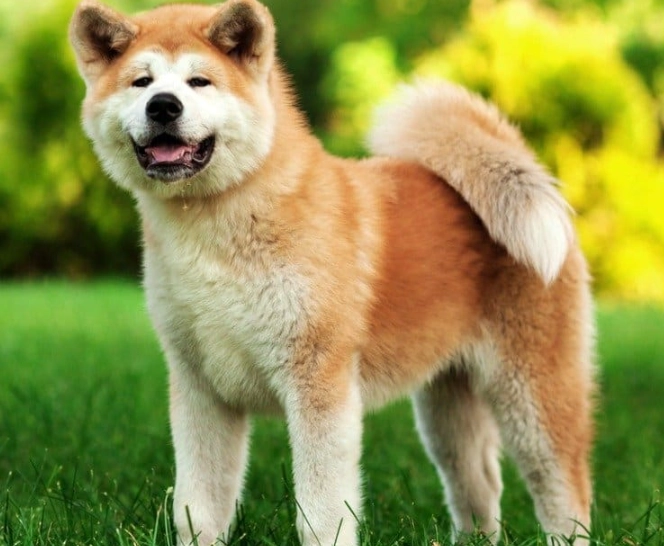
The Akita Temperament: What Are They Really Like?
What I Love About Akitas
Challenges to Consider
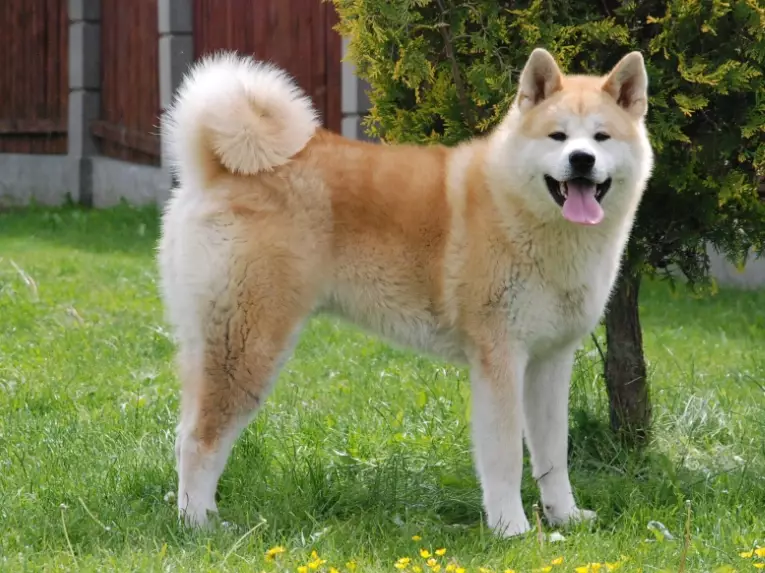
Living with an Akita: Daily Life and Care
Exercise Needs
Grooming Requirements
Training Your Akita
Health Considerations for Akita Dogs
Is an Akita Right for You? The Reality Check
Finding and Choosing an Akita
Common Questions About Akitas
Are Akitas good with children?
How much exercise does an Akita need?
Do Akitas bark a lot?
Are Akitas aggressive?
What's the difference between Japanese and American Akitas?
Final Thoughts on Living with an Akita
Quick Take: Akitas are large, powerful dogs originally from Japan. They're known for their loyalty, courage, and sometimes stubborn nature. Not exactly beginner dogs, but incredibly rewarding for the right owner.
Important: Akitas have a reputation for same-sex aggression. This isn't a maybe - it's pretty much a given. Two male Akitas together? Usually a bad idea. Even females can have issues. They're best as only dogs or with opposite-sex companions.
I'll be honest - training an Akita can be frustrating. They'll look at you like they're considering your request, then decide whether it's worth their time. You need a good sense of humor and plenty of patience.
Got questions I didn't cover? Drop them in the comments below - I'm happy to share what I've learned from my experiences with this amazing breed.
Comment