I remember the first time I saw an Alaskan Klee Kai - I actually thought someone had photoshopped a husky to miniature size. Turns out, these little guys are very real and they're capturing hearts everywhere. But are they just tiny huskies with the same dramatic personality? Well, not exactly. The Alaskan Klee Kai (pronounced klee-ky) is essentially what happens when you take the stunning looks of a Siberian Husky and shrink them down to apartment-friendly size. The name comes from an Inuit term meaning "small dog," which is pretty accurate if you ask me. This breed was developed in Alaska during the 1970s by Linda S. Spurlin, who wanted a companion-sized version of the husky. She started with Siberian Huskies and introduced smaller breeds like American Eskimo Dogs and Schipperkes to achieve the miniature size. It wasn't until 1997 that the breed was made available to the general public. When people first see an Alaskan Klee Kai, their reaction is usually something like "Is that real?" The resemblance to Siberian Huskies is striking, but there are some key differences beyond just size. These dogs come in the same stunning color combinations as their larger cousins: What's interesting is that their masks can be dramatically different - some have the typical "spectacles" around the eyes, while others have more unique facial markings. Their eyes can be blue, brown, or even one of each (heterochromia), which just adds to their striking appearance. Here's where things get really interesting. You might expect a small dog to have that typical yappy small-dog personality, but the Alaskan Klee Kai breaks the mold. They have the intelligence and energy of a working dog packed into a small body. These dogs are incredibly loyal to their families. They form strong bonds and want to be involved in everything you do. They're also highly trainable if you're consistent and make it fun. Many excel in dog sports like agility and obedience. Now, let's be real - no breed is perfect. The Alaskan Klee Kai can be reserved with strangers, which sometimes gets mistaken for shyness or aggression (though true aggression is rare). They're also escape artists - if there's a way out of the yard, they'll find it. This is the million-dollar question. I've seen too many people fall in love with the looks without considering whether their lifestyle matches the breed's needs. Seriously, that last point about climate is important. These dogs have thick coats designed for cold weather. I spoke with a owner from Arizona who has to keep her Alaskan Klee Kai indoors with AC most of the summer. Training an Alaskan Klee Kai is both rewarding and challenging. They're smart enough to learn quickly, but also smart enough to get bored easily. Positive reinforcement works best - these dogs respond terribly to harsh treatment. Because they can be wary of strangers, early and ongoing socialization is crucial. This doesn't mean just exposing them to people, but making those experiences positive. Puppy classes, controlled visits to pet-friendly stores, and having guests over regularly can all help. I've noticed that well-socialized Alaskan Klee Kai are still reserved with strangers, but they're polite about it. Poorly socialized ones can become fearful or reactive. Recall can be tricky with this breed. Their prey drive is strong, and if they see a squirrel, they might forget you exist. A securely fenced yard is pretty much mandatory. Housebreaking can also take longer than with some breeds. They're clean dogs by nature, but they can be stubborn about where they do their business. Overall, this is a relatively healthy breed, but there are some conditions to be aware of. Responsible breeders screen for these issues. The good news is that many of these conditions are detectable through screening. The United Kennel Club provides health testing recommendations for breeders to follow. This is where you need to be really careful. The popularity of these dogs has led to some less-than-reputable sources. A good Alaskan Klee Kai breeder will: The Alaskan Klee Kai Association of America maintains a list of breeders who adhere to their code of ethics. This is a great place to start your search. While less common, Alaskan Klee Kai do sometimes end up in rescue. Breed-specific rescues like AKK Rescue work to rehome dogs that need new families. The wait might be longer, but you could be giving a dog a second chance. I know someone who adopted a 3-year-old Alaskan Klee Kai from rescue, and she's been an amazing companion. Sometimes adult dogs are actually easier because their personality is already established. Okay, let's get down to what daily life is really like with one of these dogs. These are active dogs. A quick walk around the block won't cut it. They need at least 30-60 minutes of real exercise daily. This could be a brisk walk, a hike, or playing fetch in a safely enclosed area. Mental stimulation is just as important. Puzzle toys, training sessions, and games that make them think will prevent boredom (and the destructive behaviors that come with it). During most of the year, grooming is manageable - a good brushing 2-3 times a week. But twice a year, when they "blow" their coat, it's a whole different story. You'll be brushing daily and still finding hair everywhere. Invest in a good vacuum cleaner and don't wear black. Just trust me on this. These dogs can be picky eaters. High-quality food is important, but you might need to try a few brands before you find one they like. Be careful with treats too - they're small dogs and can gain weight easily. Look, I get it - these dogs are absolutely stunning. But they're not for everyone. They require more time, energy, and patience than your average small dog. The Alaskan Klee Kai is perfect for someone who wants the intelligence and beauty of a husky but in a smaller package. They're incredibly loyal, entertaining companions who will keep you on your toes. But if you're looking for a low-maintenance dog that's instantly friendly with everyone, you might want to consider other breeds. These dogs have very specific needs that must be met for them to thrive. If you do decide an Alaskan Klee Kai is right for you, and you're prepared for the commitment, you'll be rewarded with an amazing companion. Just be ready for the hair, the energy, and the occasional stubborn streak. And maybe invest in a really good vacuum cleaner.In This Guide
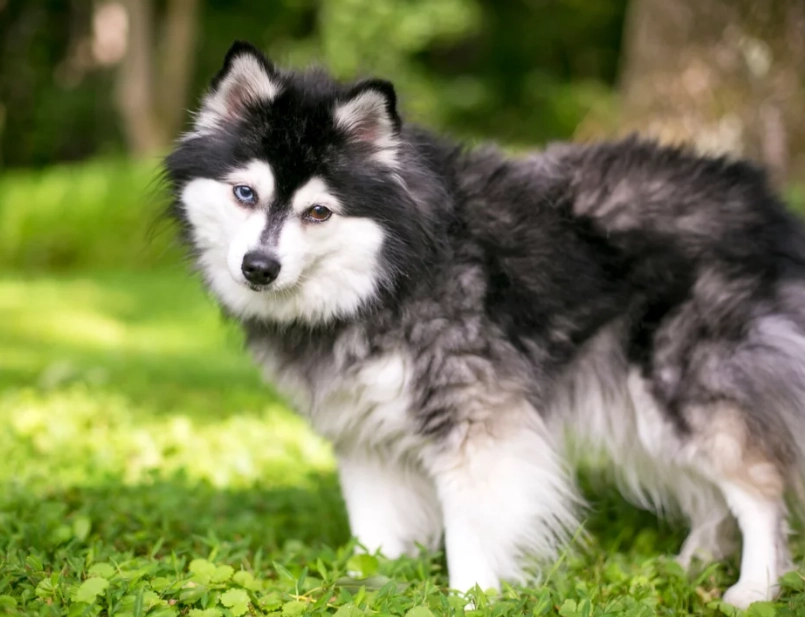
What Exactly is an Alaskan Klee Kai?
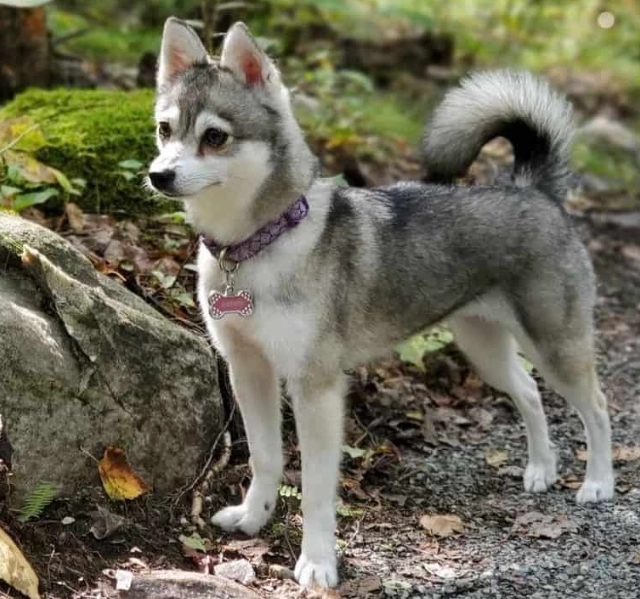
Appearance: More Than Just a Small Husky
Coat Colors and Patterns
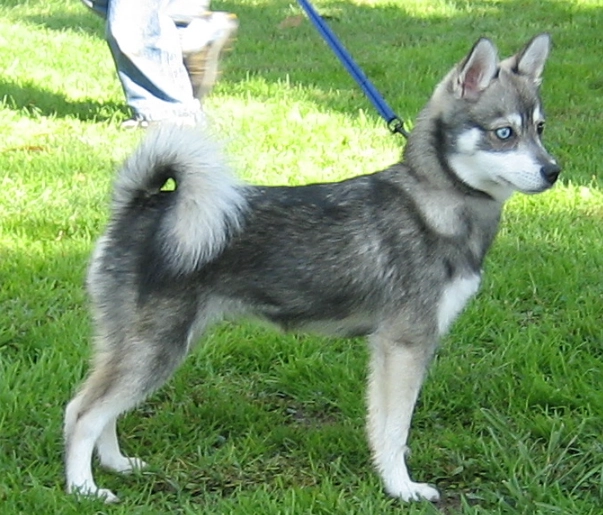
Coat Type
Grooming Needs
Shedding Level
Best For
Standard
Moderate (2-3 times weekly)
Seasonal heavy shedding
Most owners
Plush (longer coat)
High (daily brushing)
Constant lighter shedding
Experienced groomers
Winter Coat
Very high during blow-out
Extreme seasonal shedding
Those with good vacuum cleaners
Temperament: Not Your Average Small Dog
The Good Stuff
The Challenging Parts
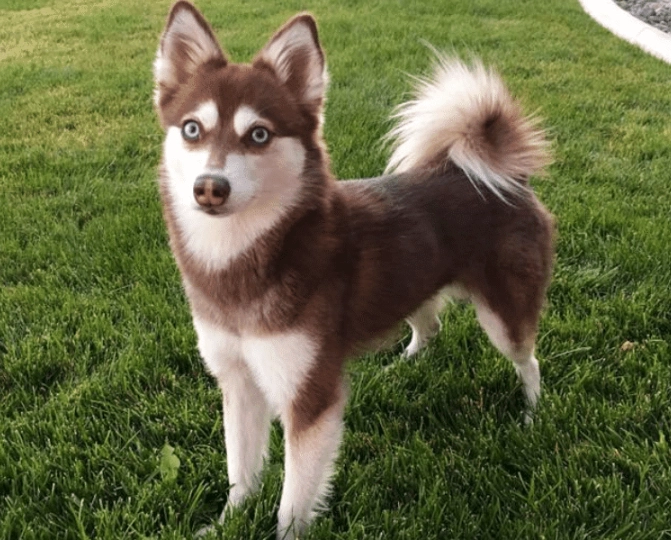
Is the Alaskan Klee Kai Right for You?
You'll Probably Love an Alaskan Klee Kai If:
You Might Want to Reconsider If:
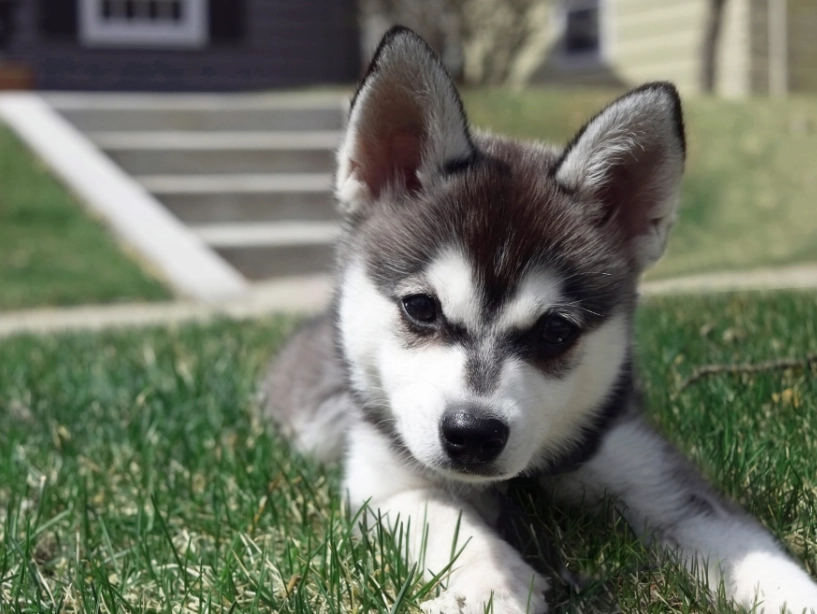
Training and Socialization: Start Early
Socialization is Non-Negotiable
Common Training Challenges
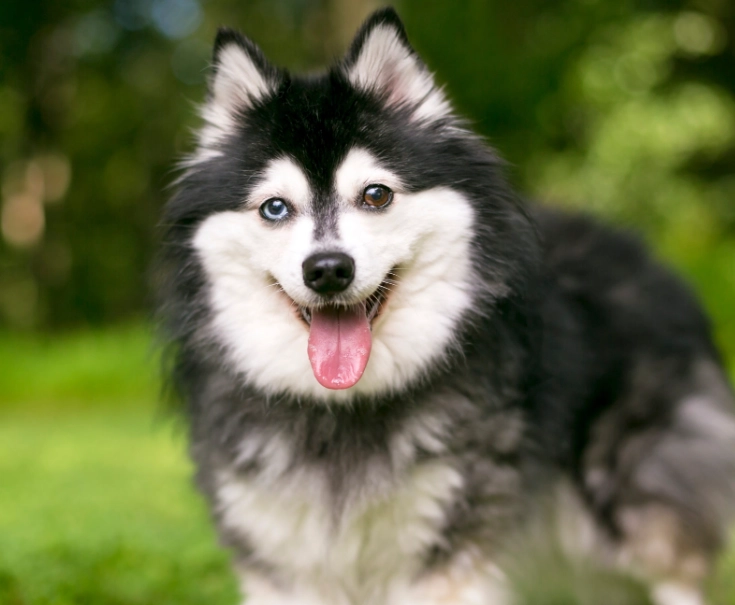
Health Considerations for Alaskan Klee Kai
Potential Health Problems
Finding Your Alaskan Klee Kai
Choosing a Responsible Breeder
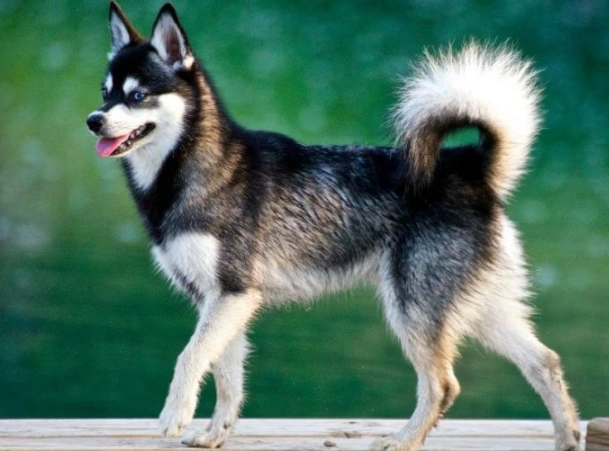
Adoption Option
Living with an Alaskan Klee Kai: Real Talk
Exercise Needs
Grooming Reality
Feeding Your Alaskan Klee Kai
The Bottom Line on Alaskan Klee Kai
Quick Facts at a Glance
Fun fact: There are three size varieties of Alaskan Klee Kai - toy (up to 13 inches), miniature (13-15 inches), and standard (15-17 inches). The toy size isn't recognized by all registries though.
I've met several Alaskan Klee Kai owners who say the same thing - these dogs are too smart for their own good. They figure out puzzles, learn commands quickly, and remember everything. It's like having a furry little genius running around your house.
Heads up: These dogs are vocal. They don't necessarily bark excessively, but they "talk" with whines, howls, and weird vocalizations. If you need absolute quiet, this might not be your breed.
Pro tip: Ask breeders for proof of health testing on the parents. A good breeder will be happy to share this information and discuss the health history of their lines.
Are Alaskan Klee Kai good with other pets?
It depends. They often do well with other dogs, especially if raised together. Small pets like cats might be seen as prey unless they're raised together from puppyhood. Always supervise introductions.
How much do Alaskan Klee Kai puppies cost?
From reputable breeders, expect to pay $1,500 to $3,000. The price varies based on location, breeder reputation, and the puppy's quality. Be wary of prices that seem too good to be true.
Are they hypoallergenic?
No dog is truly hypoallergenic, and Alaskan Klee Kai definitely aren't. They shed, sometimes a lot. If allergies are a concern, this might not be the best breed for you.
Can they live in apartments?
Yes, but only if you're committed to providing adequate exercise. A tired Alaskan Klee Kai is a happy Alaskan Klee Kai, regardless of home size.
Do they get separation anxiety?
They can, especially if left alone for long periods regularly. They're companion dogs who want to be with their people. Crate training from puppyhood can help prevent this.
Comment