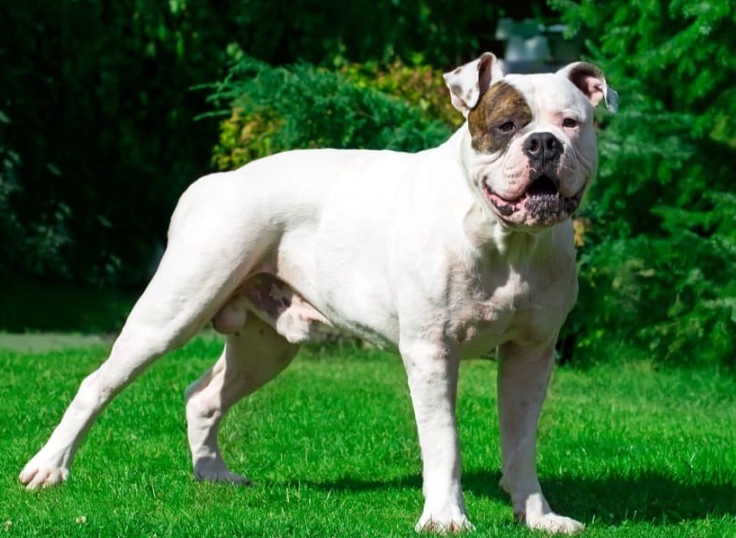
Let's be real. The first time you see an American Bulldog, you don't think "cuddle buddy." You think power. You think strength. That broad chest, that blocky head, those intense eyes. It's a look that commands respect, and maybe a little caution if you don't know the breed. I remember the first one I met at a friend's farm – a beast of a dog named Tank who looked like he could pull a truck. But then he rolled over for a belly rub with a goofy grin, and I was hooked. There's a huge gap between what people think this dog is and what it actually is. That's why we're here. This isn't just a breed profile. If you're searching for "American Bulldog," you're probably past the "oh, they look cool" phase. You're likely serious. You're thinking about bringing one into your home, your family. You have real questions. Are they good with kids? What's the vet bill really going to look like? Can you handle the training? I've talked to breeders, owners, and trainers, and dug through resources from places like the American Kennel Club and the American Veterinary Medical Association to get past the fluff and find the practical, sometimes gritty, truth about owning one of these incredible dogs. To understand the modern American Bulldog, you have to go back to its roots. This isn't a dog created for show rings. Its story is one of pure utility and survival. The breed's ancestors are the old English Bulldogs, the ones used in the brutal sport of bull-baiting. When that was outlawed, some of these dogs made their way to the American South with working-class immigrants. And in America, they found a new purpose. They became the ultimate farm utility dog. We're talking about a canine Swiss Army knife. One dog needed to guard the homestead from predators and intruders, catch and hold feral hogs, herd cattle, and be a loyal companion to the family. That's a tall order. Through this harsh selection process – if a dog couldn't do the job, it wasn't kept – the American Bulldog was forged. Breeders like John D. Johnson and Allen Scott are credited with preserving and refining the breed after WWII, leading to the main types we see today. This history explains everything about their temperament and needs. A dog bred for work will always need a job. You'll hear people talk about different "types," mainly the Johnson (or Classic/Bully) type and the Scott (or Standard/Performance) type. It's not two separate breeds, but more like two branches of the same family tree with different emphasis. Most modern American Bulldogs are a mix of both lines. Here’s the breakdown: I have a slight personal preference for the Standard type's agility, but the Classic type's calm, steady confidence in a home setting is hard to beat. The key is to meet the parents. A good breeder focuses on health and temperament first, not just pushing one extreme type. This is the million-dollar question. The temperament of an American Bulldog is a fascinating package of contradictions, all stemming from its history. At their core, they are profoundly loyal and bond intensely with their family. This isn't a dog that loves everyone equally. You are their person, their charge. This loyalty fuels their protective instincts. They are naturally watchful and wary of strangers. This isn't mean aggression; it's a calculated assessment. "Are you a threat to my people?" Proper socialization is non-negotiable to ensure this wariness doesn't tip into fear or aggression. With their family, they are often total clowns. They can be surprisingly silly, affectionate, and yes, stubborn. That famous Bulldog stubbornness is there. You can't just tell an American Bulldog what to do; you have to convince them it's a good idea for both of you. They are highly intelligent, but not necessarily eager-to-please in the way a Border Collie is. They think for themselves. And kids? Generally excellent. They are patient and sturdy. But never leave any dog, especially a powerful one, unsupervised with young children. And teach your kids how to interact respectfully. No tail-pulling or bothering the dog while it eats. So what's it actually like day-to-day? Let's talk space, exercise, and that famous drool. Exercise: Non-negotiable. We're talking 60-90 minutes of solid activity daily. Not just a walk around the block. Think long hikes, jogging, intense play sessions in a securely fenced yard, structured training, or dog sports. Fetch is a great start, but they need mental challenges too. Puzzle toys, scent work, learning new commands. Tiring out their brain is as important as tiring out their body. Space: A house with a yard is ideal. They can adapt to apartment life if and only if you are fanatical about providing enough exercise and mental stimulation. But honestly, they appreciate room to romp. The yard must have a very secure, tall fence. These are powerful jumpers and climbers if motivated. Grooming: Easy on that front. Their short coat needs a quick brush once a week. The main issues are the wrinkles (especially on the Classic type) and the ears. You must keep those facial folds clean and dry to prevent nasty infections. Check and clean them weekly. Their ears should be checked regularly for dirt and mites. And yes, the drool. It's a thing. They can be messy drinkers, and you'll get those signature "slobber strings" when they shake their heads. Keep a towel handy, especially after they eat or drink. It's part of the charm, I guess. This is the serious part. American Bulldogs are generally robust, but like all purebreds, they are prone to certain genetic conditions. Being informed is your best defense. A responsible breeder will do health testing on the parent dogs. Always ask to see the results of tests for: Their lifespan is typically 10-15 years. Keeping them at a healthy weight is one of the best things you can do to prevent joint issues and extend their life. Training is not optional. It's the foundation of a safe and happy life with such a powerful dog. Start the day you bring your puppy home. Socialization (The Most Important Thing): This isn't just meeting people and dogs. It's exposing your puppy positively to everything they might encounter in life: different surfaces, sounds (vacuum, thunder, traffic), hats, umbrellas, wheelchairs, children, other animals. The critical window is up to about 16 weeks. Do it thoughtfully and in controlled settings. Puppy kindergarten classes are fantastic for this. Obedience Training: Use positive reinforcement methods – treats, praise, play. They respond well to fairness and consistency. Harsh methods will backfire spectacularly with this breed, damaging your bond and potentially creating fear-based aggression. Focus on rock-solid basics: sit, stay, come, down, and a solid "leave it." Leash training is crucial because you must be able to control 80+ pounds of muscle if they get excited. The stubbornness will show up. You'll give a command and get a look that says, "Why? What's in it for me?" Patience and persistence win. Make training fun, short, and rewarding. Let's talk money, because this isn't a cheap dog. And that's before any unexpected illness or accident. Be financially prepared. People often confuse them with other breeds. Here's the quick and dirty. American Bulldog vs. American Pit Bull Terrier: The Pit Bull is generally leaner, more agile, and was bred for different purposes (dog fighting, sadly). Temperaments can overlap, but the American Bulldog tends to be larger, more muscular, and was bred specifically for farm work and guarding. Breed-specific legislation often incorrectly lumps them together. American Bulldog vs. English Bulldog: Completely different. The English Bulldog is a brachycephalic, low-energy companion breed with many more health problems. The American Bulldog is an athletic working dog. American Bulldog vs. Boxer: More similar in energy and goofiness! Boxers are a bit more bouncy and universally friendly. American Bulldogs are more reserved with strangers and have a stronger guarding instinct. Owning an American Bulldog is a commitment, a lifestyle choice. It's not for everyone, and that's okay. If you're an active, confident person with experience handling strong dogs, who has the time for training and exercise, and wants a fiercely loyal, multifaceted companion, then this could be your dream dog. If you want a low-energy lapdog, are gone for 10 hours a day, or are unsure about providing firm leadership, please look at other breeds. There's no shame in that. Getting the right dog for your life is what's responsible. The American Bulldog rewards the right owner with a bond like no other. They are a piece of living history – a powerful, intelligent, and deeply loyal partner. Do your homework, find an amazing breeder who prioritizes health and temperament, commit to the training, and you'll have a friend for life. They're not just pets. They're partners.Quick Navigation
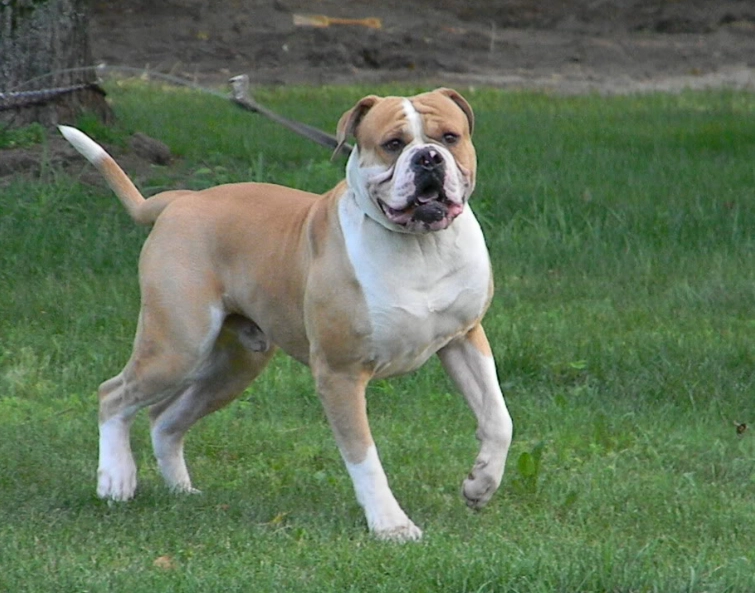
Where Did This Bulldog Come From? A Working Dog's History
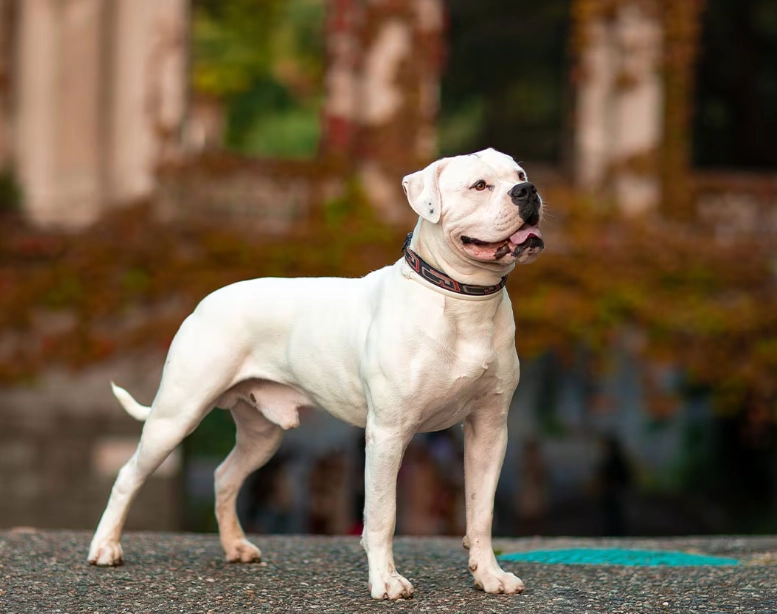
Standard vs. Classic: The Two Main American Bulldog Types
Feature
Johnson / Classic / Bully Type
Scott / Standard / Performance Type
Build
Heavier, more muscular, and bulkier. A wider chest and a more pronounced undershot jaw.
More athletic, leaner, and longer-legged. Built for agility and endurance.
Head
Extremely broad, with a shorter muzzle and deeper stop. The classic "bully" look.
Still strong, but more proportional to the body, with a longer muzzle.
Function
Bred more for guarding and holding. Their bulk is an advantage in intimidation and power.
Bred more for catching, hunting, and all-day farm work. Their build favors speed.
Best For...
Someone prioritizing a imposing guardian presence and a slightly more relaxed (but still active) companion.
An extremely active owner interested in dog sports like weight pull, agility, or advanced obedience.
The American Bulldog Temperament: Loyal Protector or Family Goofball?
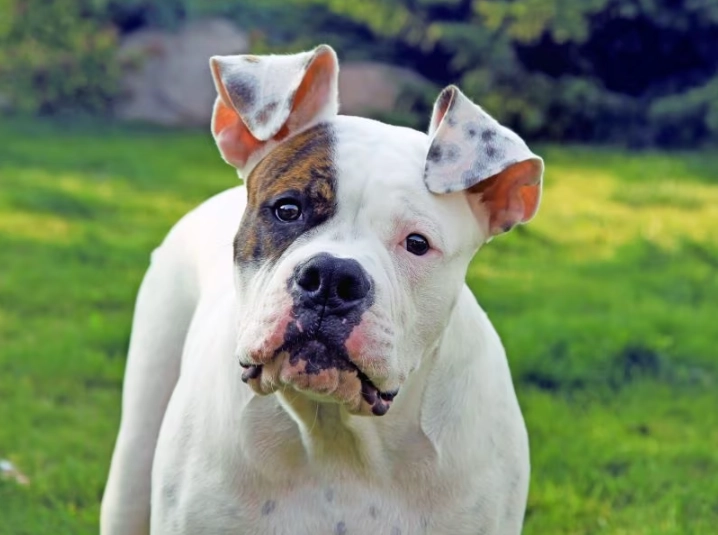
Key Temperament Traits at a Glance:
Living with an American Bulldog: The Daily Reality
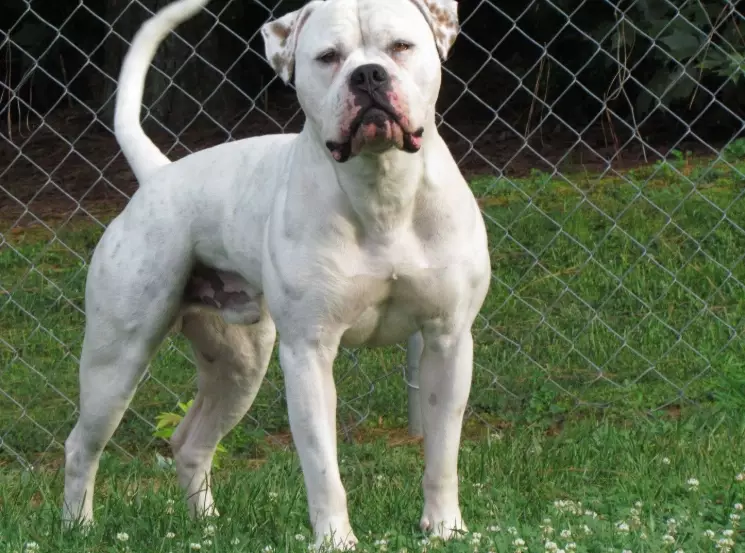
The Health Picture: What You Need to Know Before You Commit
Training Your American Bulldog: It's All About Leadership
Cost of Ownership: Breaking Down the Real Numbers
American Bulldog vs. Similar Breeds: How Do They Stack Up?
Common Questions (The Stuff You're Actually Searching For)
Final Thoughts: Is the American Bulldog Right for You?
Bottom Line Up Front: The American Bulldog is a loyal, confident, and athletic working dog. They thrive with active, experienced owners who provide firm, consistent leadership and plenty of purposeful exercise. They are not a low-maintenance or first-time dog owner breed.
Here's a potential downside a lot of articles gloss over: Their protectiveness can manifest as same-sex aggression, particularly in un-neutered males. Dog parks with strange dogs can be a terrible idea. Managed, controlled introductions are the way to go.
Pro Tip from a Vet I Spoke To: Pet insurance is a very, very good idea for an American Bulldog. A single dysplasia surgery can cost thousands. Getting insurance while they are a healthy puppy is the smart move.
Are American Bulldogs aggressive?
They are not inherently aggressive toward people. They are protective and wary of strangers. Poor breeding, lack of socialization, abuse, or irresponsible ownership can create aggression. A well-bred, well-raised American Bulldog is confident and stable.
Can an American Bulldog live with other pets?
With proper introduction and training, yes. Raised together from puppyhood with cats or other dogs is often successful. Their high prey drive means small, fast-moving animals (like rabbits or squirrels) may always be at risk. Introductions to existing pets must be slow and controlled.
How much do they shed?
They are moderate shedders. Their short hair gets everywhere. Weekly brushing helps manage it.
Are they good for first-time dog owners?
I'm going to be blunt: generally, no. Their strength, energy, strong will, and protective instincts require an owner who understands dog behavior and can provide consistent leadership. An inexperienced owner can easily be overwhelmed, leading to behavior problems.
Do they slobber a lot?
Yes. Some lines drool more than others, but you should expect some level of drool, especially after drinking, eating, or when excited.
Comment