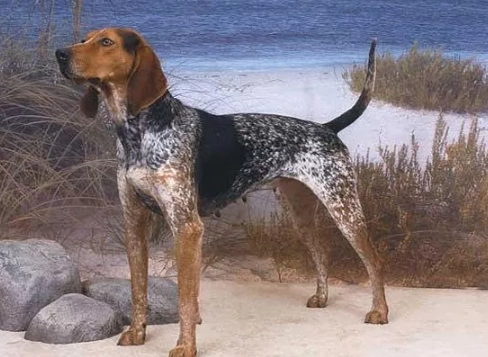
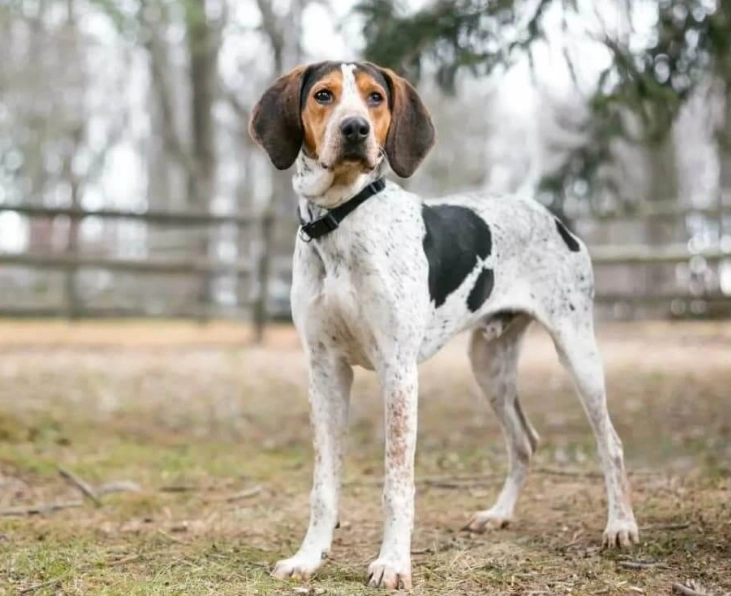
Let's talk about a dog that's pure American history on four legs. You've probably heard that iconic, melodic bay echoing through movies set in the rural South. That soulful, ringing sound is the trademark of the American English Coonhound. I remember the first time I met one at a friend's farm – this lean, powerful dog with the most expressive eyes, just brimming with energy and a friendly curiosity. It wasn't a lazy afternoon kind of dog, that's for sure. This isn't just another hound. The American English Coonhound is a working dog through and through, bred for stamina, intelligence, and a nose that just won't quit. If you're picturing a serene companion that's happy with a short walk around the block, you might want to keep reading. This breed comes with a specific set of needs and a personality that's as big as its voice. What's in a name? They're often just called "English Coonhounds," but the official name with the American Kennel Club (AKC) is the American English Coonhound. It's a nod to their English Foxhound roots that were perfected right here in the United States for hunting raccoons and other game. Their story starts way back, in the 17th and 18th centuries. Settlers brought European hounds, primarily English Foxhounds, to the New World. But the game was different here – faster, smarter, and it often took to the trees. Hunters needed a dog that could track tirelessly through rough terrain, not just open fields. So, they got to work. By selectively breeding for endurance, a sharper sense of smell suited to North American prey, and a voice they could follow for miles, they created a uniquely American hunter. The American English Coonhound was the result. For decades, they were the unsung heroes of the frontier, helping put food on the table and pelts in the trading post. It's a heritage that's baked into their DNA. Even a pet American English Coonhound today will show flashes of that deep-seated drive. They were officially recognized by the AKC in 2011, which is surprisingly recent for such an old breed, but they've been a fixture in the American South and Midwest for centuries. Picture athleticism. This is a medium-to-large dog, built for running all night. Males stand about 24 to 26 inches at the shoulder, females a bit smaller. They're muscular without being bulky, with a deep chest for lung capacity and long, strong legs. The head is classic hound – a dignified dome with long, velvety ears that frame the face. Those ears are functional, helping to sweep scent toward the nose. And the eyes… they're usually dark brown or hazel, and they have this gentle, pleading look that can melt your heart one second and show fierce determination the next. The coat is short and hard, designed to protect from brambles and brush. It comes in a few classic patterns, which are basically variations on a theme of white with patches or ticking (those little flecks of color). The most common is the redtick, a beautiful pattern of a white background with dense red ticking and patches. You also see bluetick (dark blue ticking), tricolor (black, white, and tan), and red-and-white. Honestly, the grooming is a breeze. A weekly brush with a rubber hound mitt is usually enough to keep loose hair under control. They do shed, though. Don't let the short coat fool you – you'll find those little red or black hairs on your dark pants. It's just part of the deal. This is where things get interesting. If you're looking for a one-person, velcro dog that shadows your every move, an American English Coonhound might surprise you. They're affectionate, sure, but on their own terms. They bond deeply with their family but often maintain a bit of an independent streak. It's that working dog mentality – they were bred to make decisions on the trail, away from the hunter. They are, almost without exception, incredibly friendly and sociable. Aggression towards people is virtually unheard of in well-bred lines. This makes them terrible guard dogs. A burglar would probably get a happy wiggle and a guide to the pantry. With other dogs, they usually do great, especially if raised with them. That pack hound heritage is strong. The Scent & Sound Reality Check: Two traits define life with a coonhound: their nose and their voice. Their sense of smell is their primary interface with the world. If they catch an interesting scent, their brain seems to short-circuit everything else – including your recall command. A secure, fenced yard is non-negotiable. And the bay… it's a loud, carrying, musical sound used to communicate over long distances. It's not constant barking, but when they're excited, on a scent, or just want to say hello to the world, you'll hear it. Apartment dwellers, consider this your final warning. With kids, they are typically gentle giants. Their patience is legendary. But because of their size and exuberance, young children should always be supervised – a happy hound's whip-like tail is at perfect coffee table clearing height. This is generally a robust, healthy breed. They were bred to work hard, and that comes with good genetic foundations. But like all purebreds, they can be prone to certain conditions. Reputable breeders test their breeding stock to minimize these risks. The average lifespan of an American English Coonhound is about 11 to 12 years, which is pretty standard for a dog of their size. To get them to that ripe old age in good shape, a few things are key. First, hip dysplasia. It's a common concern in many medium-large breeds. It's where the hip joint doesn't form perfectly, which can lead to arthritis and pain. Good breeding is the best prevention. Second, ear infections. Those long, floppy ears are adorable but create a warm, dark environment that yeast and bacteria love. A weekly check and clean with a vet-approved solution can prevent most problems. They can also be prone to certain eye conditions like progressive retinal atrophy (PRA). Again, a responsible breeder will have the parents' eyes certified by a veterinary ophthalmologist. Here’s a quick table to break down the common health considerations: The single biggest factor in their health, in my opinion, is keeping them lean. An overweight coonhound is a miserable coonhound, and it puts terrible strain on those joints. You should always be able to feel their ribs easily under a thin layer of muscle. Let's be real. Training an American English Coonhound can test your resolve. They are intelligent, but that intelligence is often focused on problem-solving related to scent and pursuit, not necessarily on pleasing you. They have a mind of their own. Obedience training is absolutely essential, and it needs to start the day you bring your puppy home. Socialization is even more critical – expose them to every sight, sound, and surface you can think of. A well-socialized hound is a confident hound, and a confident hound is less likely to develop anxiety-based behaviors. Use positive reinforcement. These dogs do not respond well to harsh corrections. Find a high-value treat (often something stinky like liver or cheese) and make training a fun game. Keep sessions short and engaging. Their attention span can be… selective. The two most important commands you will ever teach an American English Coonhound are "come" and "leave it." You will be working on these for life. Recall is especially challenging because when that nose hits the ground, the rest of the world disappears. Always train in a securely fenced area or on a long-line leash until you have 100% reliability, which may be never. It's just the nature of the beast. Pro Tip: Mental stimulation is just as tiring as physical exercise for these smart dogs. Food puzzles, scent work games (like hiding treats around the yard), and structured training sessions will wear them out in a way that a five-mile run sometimes won't. A bored coonhound is a destructive coonhound. This cannot be overstated. An American English Coonhound is an endurance athlete. A couple of leash walks a day is like giving an Olympic marathoner a stroll to the mailbox. It's not enough. They need at least 60 to 90 minutes of vigorous exercise daily. This means running, hiking, jogging alongside a bike (once they're fully grown), or engaging in a dog sport. They excel at activities that use their natural abilities: If you don't have a secure, large yard where they can safely romp and explore, you need a plan. A tired American English Coonhound is a well-behaved, content member of the family. An under-exercised one will find their own fun, and you probably won't like their choices (chewed furniture, digging, excessive barking). This is the million-dollar question. Let's break it down into lifestyles. I've seen too many of these wonderful dogs end up in shelters because someone fell for the sad-eyed face without understanding the energy and voice that came with it. It's a commitment to a specific, active lifestyle. So, have you got the space, the time, and the energy for a dog that has plenty of all three? If you've read this far and are still nodding your head, great! The next step is crucial. Always start with a reputable breeder. A good breeder health-tests their dogs, raises puppies in their home, and will ask you as many questions as you ask them. They want their pups to go to the right homes. The American Kennel Club (AKC) Marketplace is a good starting point to find breeders who follow their guidelines. Ask to see health clearances for the parents (hips, eyes). Meet the parents if possible – it gives you a great idea of temperament. A good breeder will provide a contract and will always take the dog back at any point in its life if you can't keep it. Please, consider adoption. Many American English Coonhounds and coonhound mixes end up in shelters and breed-specific rescues. Organizations like American Black & Tan Coonhound Rescue (which often takes in other coonhound breeds) do incredible work. An adult dog's personality is already known, which can be a huge advantage. Living with an American English Coonhound is an adventure. It's early morning hikes, the sound of happy snoring after a long day outside, and the unique pride of sharing your life with a piece of American history. It's also muddy paws, stubborn streaks, and a voice that announces to the whole neighborhood when a squirrel has dared to cross the yard. They are not the easiest dogs, but for the right person, they are among the most rewarding. They offer unwavering loyalty, a joyful spirit, and a constant reminder to get outside and experience the world. If you can meet their substantial needs for exercise, mental work, and secure containment, an American English Coonhound will repay you with a decade or more of unforgettable companionship. Do your homework. Talk to breeders, meet the dogs, and be brutally honest with yourself about your lifestyle. If it's a match, you'll gain a friend with a heart as big as its voice and a legacy as deep as the forests it was bred to run.Quick Guide
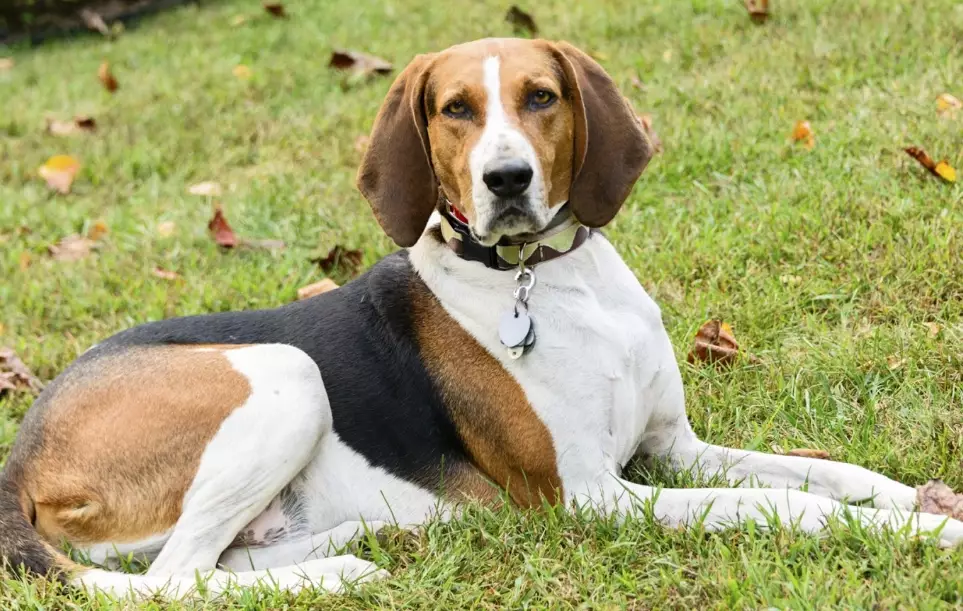
From Colonial Hunts to Your Backyard: A Breed's Journey
So, What Does an American English Coonhound Actually Look Like?
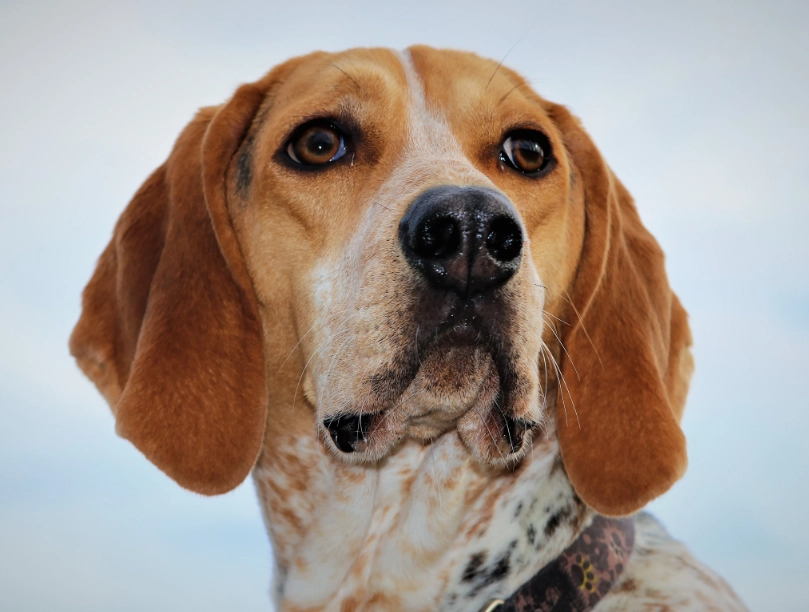
The Personality: More Than Just a Loud Bark
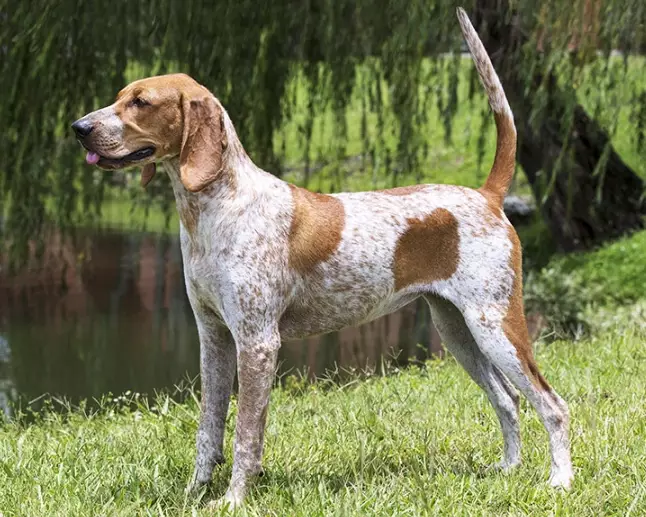
Keeping an American English Coonhound Healthy: What You Need to Know
Health Concern What It Is Prevention/Tips Hip Dysplasia Malformation of the hip joint leading to arthritis. Ask breeder for Orthopedic Foundation for Animals (OFA) or PennHIP scores. Maintain a healthy weight to reduce stress on joints. Ear Infections Bacterial or yeast overgrowth in the ear canal. Weekly inspection and cleaning. Keep ears dry after baths/swims. Eye Conditions (e.g., PRA) Genetic disorders that can affect vision. Breeder should provide Canine Eye Registration Foundation (CERF) certification. Bloat (Gastric Dilatation-Volvulus) A life-threatening stomach twisting. More common in deep-chested breeds. Avoid vigorous exercise right before and after meals. Feed multiple smaller meals instead of one large one. Training Your Coonhound: Patience Is Not Just a Virtue, It's a Requirement
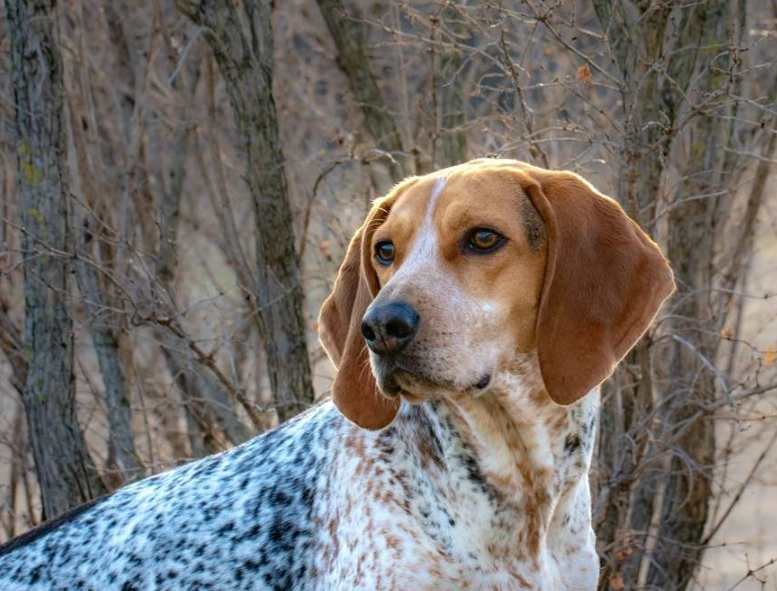
The Exercise Non-Negotiable

Is an American English Coonhound the Right Dog for You?
The Ideal Home
The Challenging Fit
Finding Your American English Coonhound
Your American English Coonhound Questions, Answered
Final Thoughts
Are American English Coonhounds good family dogs?
Yes, for active families with older children. Their friendly, tolerant nature is a big plus. Their sheer size and energy can accidentally bowl over toddlers, so supervision is key. They thrive being part of the family action.
How much do they bark?
It's less about constant barking and more about baying. They may bay when excited, when they smell something interesting, or sometimes just to "talk." It's loud and can carry. They are not a quiet breed. Training a "quiet" command from puppyhood is helpful, but you can't eliminate a fundamental breed trait.
Can they live with cats or small pets?
This is tricky. Their prey drive is high. If raised from puppyhood with a cat, they can learn to see that specific cat as family. However, strange cats or small animals like rabbits or pet rodents will likely be viewed as prey. Extreme caution and management are required.
Are they easy to train?
I wouldn't use the word "easy." They are intelligent but independent and easily distracted by scents. They require consistent, positive, and patient training. They may not be at the top of their obedience class, but they can learn with the right motivation (usually food).
What's the difference between a Bluetick Coonhound and an American English Coonhound?
Great question! The Bluetick Coonhound is a separate breed. Historically, they were considered a color variant of the English Coonhound but were split off. Blues tend to be a bit more methodical and may have a slightly different build. The American English Coonhound registry allows multiple color patterns (redtick, tricolor, etc.), while the Bluetick is its own breed with a specific standard. For more detailed comparisons, the United Kennel Club (UKC), which originally registered many coonhound breeds, has extensive breed standards.
Comment