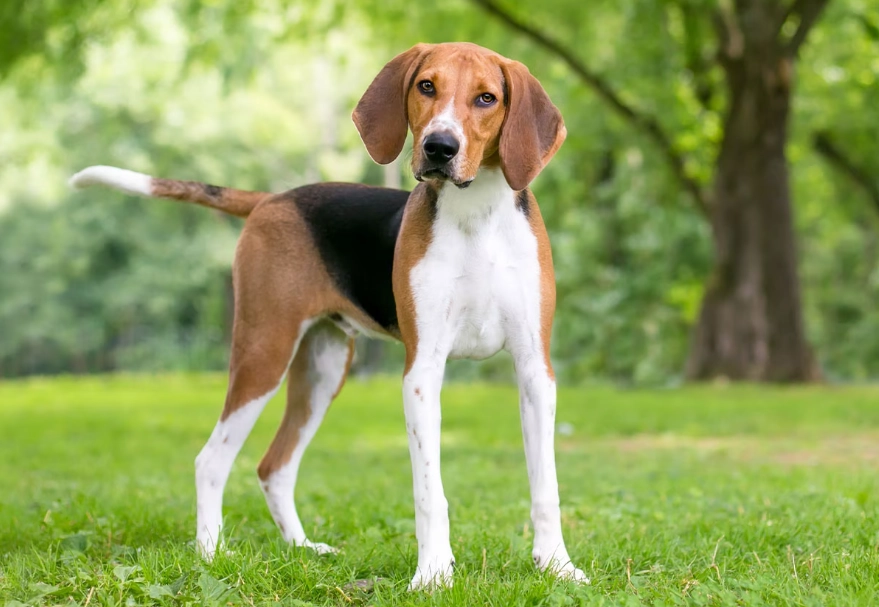
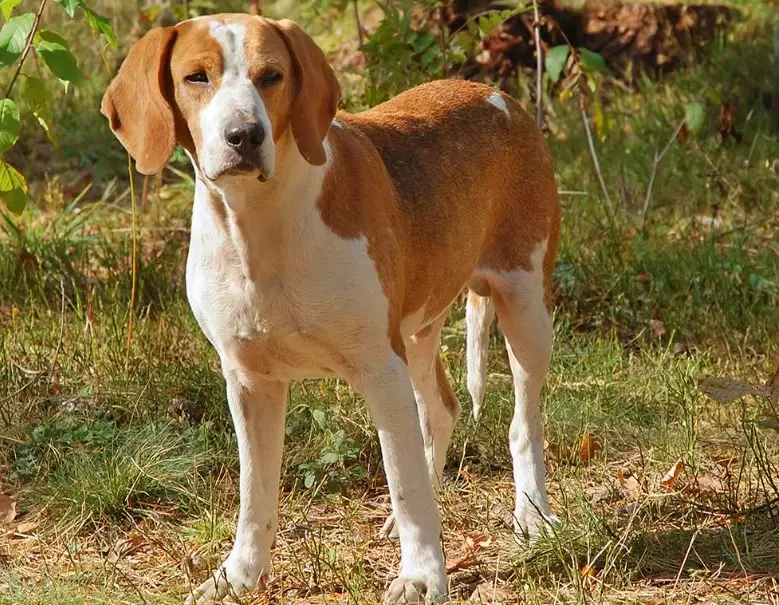
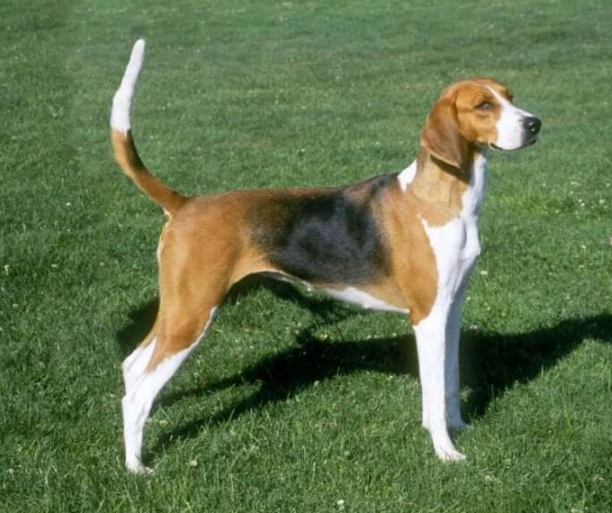
Let's be real. When most people think of American dog breeds, the American Foxhound isn't usually the first one that pops into their head. It's overshadowed by its cousins, the Beagle, or flashier breeds. But that's a shame, because this dog is a living piece of American history with a personality that's both charming and, let's be honest, a bit challenging. I remember talking to a friend who got one thinking it would be a larger, calmer Beagle. Boy, was he in for a surprise. This isn't a couch potato. This is a dog bred for miles and miles of open country, with a nose that can override any command you've ever taught. So, what's the deal with the American Foxhound? Is it just a hunting dog, or can it be a family pet? That's the question we're going to dig into. We'll strip away the romantic history and look at what it's actually like to live with one of these vocal, energetic, and incredibly sweet-natured hounds. The story of the American Foxhound is literally woven into the founding of the United States. It starts with dogs imported from England and France. Robert Brooke sailed from England to Maryland in 1650 with his pack of English Foxhounds. Then, the plot thickens with George Washington. Yes, the George Washington. He was a serious dog breeder and received French hounds (Grand Bleu de Gascogne) as a gift from the Marquis de Lafayette around 1785. Washington meticulously crossed these French hounds with the existing English stock, aiming for a faster, lighter-boned dog better suited to the vast American terrain versus the enclosed English countryside. The result? A distinct American breed. The American Kennel Club (AKC) officially recognized the American Foxhound in 1886. But here's the interesting twist: there are actually two main types. The field trial/bench show lines are the ones you see in AKC conformation rings—they have a very standardized look. Then there are the hunting pack lines, which are still primarily bred for performance and can have more variation in size and build. This dual existence explains why you might see slightly different-looking dogs all called American Foxhounds. Their job was clear: to hunt fox by scent, as a pack, for hours on end. This singular purpose shaped every aspect of their being—their voice, their stamina, their mind. They weren't bred to work closely with a single handler like a Border Collie; they were bred to work cooperatively with other hounds, following a scent trail independently. This is the key to understanding their modern personality. Think lean, athletic, and built for endurance. They are the marathon runners of the dog world, not the weightlifters. They stand tall, typically between 21 to 25 inches at the shoulder, and weigh anywhere from 60 to 70 pounds. Males are noticeably larger than females. They have long, straight legs, a slightly domed skull, and those classic long, soft, hound-dog ears that hang gracefully. Their coat is short, hard, and weather-resistant. It lies close to the body and is honestly one of the easiest grooming aspects of owning one. The colors, though, can be quite beautiful and varied. According to the official American Kennel Club breed standard, any color is acceptable. You'll commonly see the classic tri-color (black, white, and tan), red and white, tan and white, or even blue (a diluted black) and white. This is where things get really interesting. On one hand, the American Foxhound is known for its exceptionally gentle, friendly, and good-natured disposition. They are rarely aggressive towards people or other dogs. In fact, their pack-hound heritage makes them usually excellent with other canines. They are typically fine with children, being tolerant and patient, though their large size and exuberance can accidentally knock over a toddler. But then there's the other side of the coin. They are fiercely independent thinkers. They were bred to make decisions miles away from their human hunter, following a scent trail. This means they are not biddable dogs. Commands like "come" or "heel" are often suggestions, not laws, especially if an interesting smell is present. Obedience training requires immense patience, high-value rewards (usually food), and a great sense of humor. And then, there's the voice. The American Foxhound bay is legendary. It's a deep, melodious, carrying sound designed to be heard over long distances. They don't just bark; they sing. They bay when excited, when they smell something, when they're bored, or sometimes just because another dog started it. If you have close neighbors or live in an apartment, this breed is an absolute non-starter. This is not a dog you can train to be quiet; it's how they communicate. The Pros (Why people love them): The Cons (The deal-breakers): Owning an American Foxhound is a lifestyle commitment. It's not just about having a dog; it's about accommodating a primal hunting instinct in a modern world. This is the single most important thing. An under-exercised American Foxhound is a nightmare. We're not talking about a leisurely stroll. We're talking about running, hiking, long-distance jogging, or participating in canine sports like lure coursing or barn hunt. A large, securely fenced yard where they can run and sniff is a huge bonus, but it does not replace structured exercise with you. Mental stimulation is equally crucial. Nose work games, where you hide treats or toys for them to find, are perfect for this breed. It tires their brain, which is just as important as tiring their body. Forget rigid, command-heavy training. Positive reinforcement is the only method that works with an American Foxhound. They are motivated by food and fun. Keep training sessions short, engaging, and rewarding. Socialization from puppyhood is critical—expose them to all sorts of people, places, sounds, and other animals. Crate training is also highly recommended for housebreaking and managing them when unsupervised. It gives them a safe den and saves your furniture from destruction. The biggest training challenge? Recall. Teaching a reliable recall with an American Foxhound is a lifelong project that requires constant reinforcement. Always have the highest-value treats (like real meat or cheese) for recall practice. Many owners use long-lines (30-50 foot leashes) in open areas to give the illusion of freedom while maintaining control. Grooming is easy. A weekly brush with a rubber curry brush or hound glove removes dead hair and distributes skin oils. Baths are only needed occasionally. The main grooming tasks are checking and cleaning those long ears weekly to prevent infections, and keeping nails trimmed. Feeding a high-quality diet appropriate for a large, active breed is important. They can be prone to bloat (Gastric Dilatation-Volvulus), so it's wise to feed two or three smaller meals a day instead of one large one and avoid vigorous exercise right after eating. Consult your vet for portion sizes, as an individual dog's metabolism can vary widely. One of the breed's great strengths is its overall good health. Bred for function over extreme form, they have fewer congenital problems than many purebreds. However, there are a few conditions responsible breeders screen for. The average lifespan of an American Foxhound is a solid 11 to 13 years. To support their health, ensure you get your dog from a breeder who provides OFA/PennHIP clearances for hips and proof of genetic testing for thrombocytopathy. Don't be shy about asking for these documents. Ask yourself these questions honestly: If you answered "no" to any of the first three, this is not your breed. This is a less common breed, so finding one requires some work. Going Through a Breeder: Expect to be on a waiting list. A responsible breeder will interview you thoroughly. They will show you where the dogs live (in the home, not a kennel), introduce you to the mother, and provide full health clearances. The American Foxhound Club, the AKC's parent club for the breed, is the best place to start. They have a breeder referral page and a code of ethics for members. Puppies from good breeders can cost $1,000 to $2,000. Adoption and Rescue: This can be a wonderful option. Many American Foxhounds end up in shelters or breed-specific rescues because people underestimated their needs. They are often young adults who may already have some basic training. The American Foxhound Club also has a rescue network. There are also larger scent hound rescues that take in Foxhounds, Beagles, and Coonhounds. Adoption fees are typically much lower, around $300-$500. Absolutely not. This is one of the worst possible breeds for apartment living. Their high energy and incredibly loud, penetrating bay will create problems with neighbors and lead to a frustrated, destructive dog. They need space to run and vocalize without disturbing others. They are closely related but distinct. The American Foxhound is taller, lighter-boned, and faster, built for speed and endurance over rough American terrain. The English Foxhound is stockier, heavier-boned, and slightly slower, built for stamina over a long hunt in a more controlled environment. Temperamentally, they are similar, but Americans are often said to be a bit more independent. Carefully! Puppies have growing joints. The rule of thumb is 5 minutes of structured exercise per month of age, twice a day. So, a 4-month-old puppy gets about 20 minutes of walk/play, twice daily. Free play in a safe yard is fine. The key for puppies is mental stimulation and training, not forced long runs, which should wait until they are over 18 months old and fully grown. It's a huge gamble. Their prey drive is high. Some can live peacefully with cats they are raised with from puppyhood, especially if the cat stands its ground. Others will always see a cat as something to chase. Never leave them unsupervised together, and always introduce with extreme caution and control. You don't "stop" it. You manage it. Ensuring they get enough physical and mental exercise is the first step to preventing boredom barking. You can train a "quiet" command using positive reinforcement, but it will only work in low-distraction situations. Accept that baying is part of the package. If you need a quiet dog, choose a different breed. The American Foxhound isn't for everyone. In fact, it's not for most people. They are challenging, loud, and stubborn. But if you're the right person—someone with land, an active lifestyle, a love for deep canine history, and a tolerance for a mind of its own—then there's nothing quite like them. They offer a unique, sweet-natured companionship that isn't needy. They connect you to the outdoors and remind you of the raw instincts that dogs still possess. They are living history with a wet nose and a wagging tail. Just be prepared for the song that comes with it. Do your homework. Talk to breeders and rescuers. Meet the dogs in person. And listen to that bay at full volume before you decide. If you can handle all that, you might just find your perfect, melodiously noisy companion.Quick Navigation

From George Washington to Your Backyard: A Breed's Journey
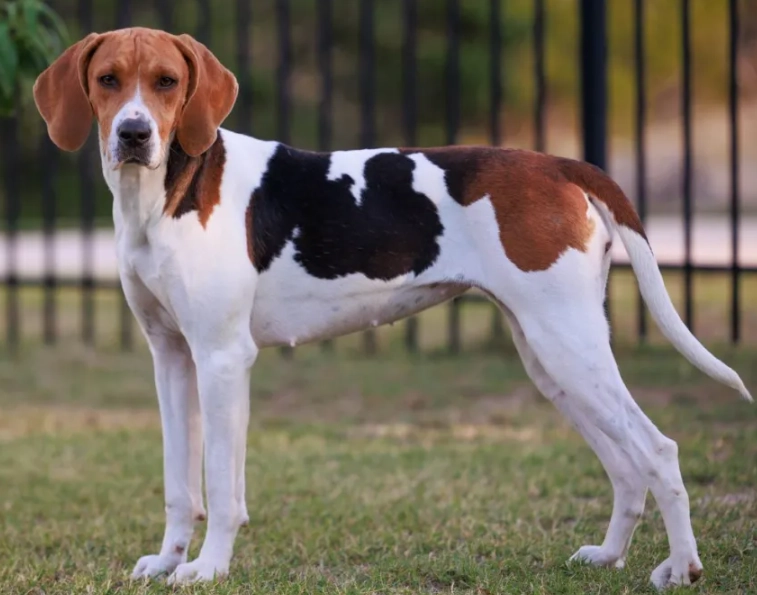
What Does an American Foxhound Actually Look Like?
Feature
Description
Why It Matters
Build
Lean, muscular, athletic. Built for long-distance running, not sprinting or brute strength.
They need sustained aerobic exercise, not just a quick walk.
Coat
Short, hard, dense. Very low maintenance.
Easy to groom, but provides minimal insulation in very cold weather.
Ears
Long, set low, lying close to the head. Classic "hound" ears.
Prone to infections if not checked and cleaned regularly.
Tail ("Stern")
Slightly curved, carried gaily but not over the back. Has a brush.
A sign of breed type and often used as a rudder when running.
Expression
Gentle, pleading. Often described as sweet and kind.
Matches their generally friendly and non-aggressive temperament.
The American Foxhound Temperament: Sweetness and Stubbornness
The Good, The Bad, and The Noisy: A Quick List
Living with a Nose on Four Legs: Care and Training
Exercise: Non-Negotiable and Extensive
Training: Patience is Your Best Tool
Grooming and Feeding
American Foxhound Health: A Generally Hardy Breed
Is an American Foxhound the Right Dog for You? The Honest Checklist
They Might Be a Good Fit If:
Look Elsewhere If:
Finding an American Foxhound: Breeder vs. Rescue

Your American Foxhound Questions, Answered
Are American Foxhounds good apartment dogs?
American Foxhound vs. English Foxhound: What's the difference?
How much exercise does an American Foxhound puppy need?
Are they good with cats?
What's the best way to stop the howling?
Final Thoughts: A Niche Dog for the Right Person
Bottom Line Up Front: The American Foxhound is an independent, high-energy scent hound. They are famously good-natured but notoriously difficult to train off-leash due to their powerful hunting instinct. They are best for active owners with secure space, not for apartment dwellers or those seeking an obedient companion.
A friend who runs a rescue for scent hounds always says, "You'll never meet a mean Foxhound. Frustrating? Absolutely. Ditzy? Sometimes. But mean? Never." That good nature is their hallmark.
Critical Warning: Never, ever trust an American Foxhound off-leash in an unsecured area. Their nose takes over, and they can run for miles, completely deaf to your calls. They become lost dogs in minutes. A standard 6-foot fence is often not enough; some are accomplished jumpers or climbers. A 6-foot tall, secure wood or vinyl fence with no gaps is the minimum.
The Canine Health Information Center (CHIC), a database co-sponsored by the OFA and the AKC Canine Health Foundation, maintains a list of recommended health screenings for the breed. Asking if a puppy's parents have a CHIC number is a great way to identify a responsible breeder.
I've always been an advocate for rescue, but with hounds, it's especially rewarding. Many are just misunderstood. They're not "bad dogs"; they're dogs who were in the wrong situation. A rescue can often give you a very clear picture of an adult dog's personality, which is a huge advantage.
Comment