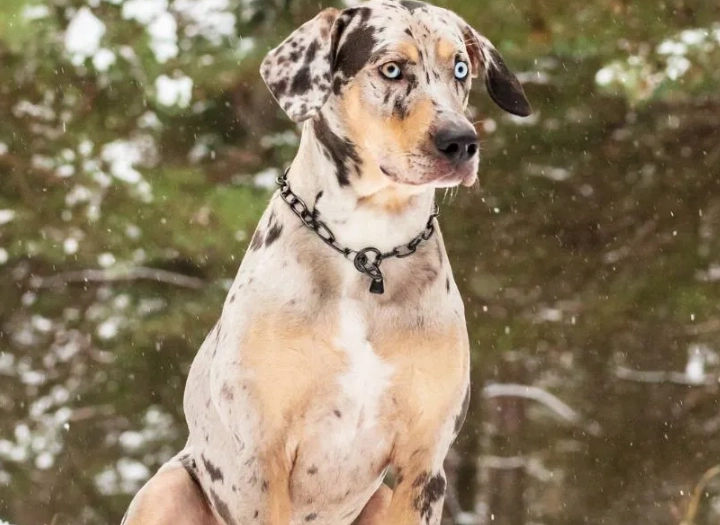
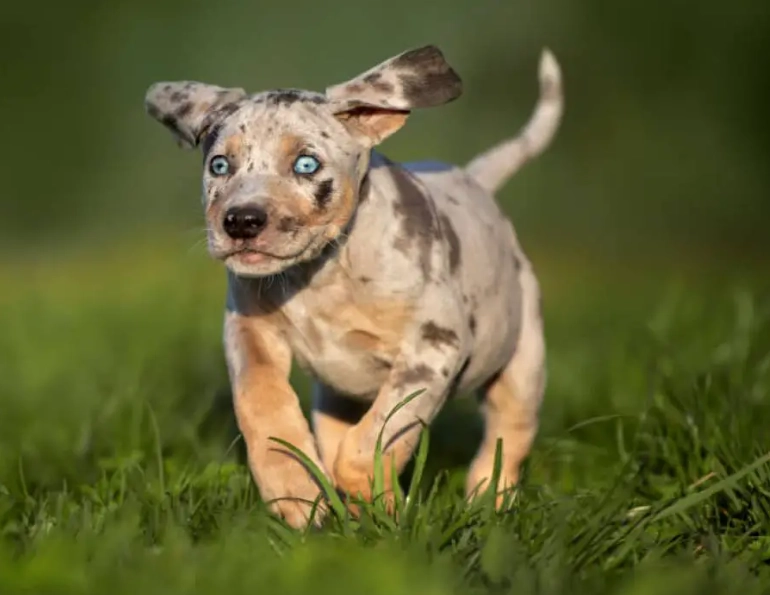
Let's be honest, when you first hear "American Leopard Hound," you might picture some exotic, spotted creature from a zoo. I know I did. But the reality? It's one of America's best-kept secrets in the dog world. A true all-purpose hunting dog with a history as rich and tangled as the southern woods it came from. If you're tired of reading the same fluffy breed profiles that don't tell you what it's actually like to own one, you're in the right place. I've dug deep, talked to owners, and sifted through the history to give you the unvarnished truth. Is the American Leopard Hound the right dog for you? Let's find out. Bottom Line Up Front: The American Leopard Hound is a rugged, intelligent, and fiercely loyal scent hound. They thrive with active owners who have a job for them to do, whether that's hunting, hiking, or advanced dog sports. They are not a low-maintenance couch potato breed. If you want a velcro dog with a strong protective streak and a work ethic to match, keep reading. If you're gone 10 hours a day and want a placid pup, this might not be your match. The story of the American Leopard Hound is like a patchwork quilt. It's not a neat, single-breeder creation. Its roots are firmly planted in the American South, tracing back to dogs brought over by Spanish explorers and settlers. Think about those old frontier days—people needed a dog that could do it all: tree game, track wounded animals, herd livestock, and guard the homestead. They weren't looking for a specialist; they needed a survival partner. Over generations, through practical selection (not fancy pedigree papers), these dogs evolved. They mixed with various hunting hounds and curs brought by other immigrants. The result was a tough, adaptable dog with a keen nose, a loud voice (that "bawl" mouth hunters love), and that distinctive leopard-spotted coat that gave them their name. For a long time, they were just known as "Leopard Dogs" or "Leopard Curs" in rural communities. It's a history of function over form. The United Kennel Club (UKC) officially recognized the breed in 1998, which helped standardize things a bit. You can read their official breed standard on the UKC website, which is a great primary source for understanding the ideal structure and purpose of the breed. The American Kennel Club (AKC) has it in its Foundation Stock Service, which is a step toward full recognition. This AKC page offers another layer of reputable information. So, when you look at an American Leopard Hound, you're looking at a living piece of American pioneer history. That's pretty cool, if you ask me. Forget the delicate, overly refined looks of some show breeds. The American Leopard Hound is built for stamina and work. They're muscular and balanced, giving an impression of agile strength rather than bulky power. This is the star of the show. The coat is short, dense, and sleek. But it's the color and pattern that really define the breed. The UKC standard accepts a few patterns, but the "leopard" pattern is the classic and most sought-after. The coat is low-maintenance—a quick weekly brush is usually enough. They shed, sure, but it's manageable compared to a double-coated breed. The real perk? That short coat means you won't be spending hours detangling mats or paying for fancy grooming sessions. They are a medium to large-sized dog. Males typically stand 22 to 26 inches at the shoulder, females 21 to 25 inches. Weight is proportional, usually between 45 and 75 pounds. They have a deep chest for lung capacity, strong loins, and legs that look like they can go for miles. The ears are set high and drop down, and the tail is often carried in a slight curve. Here’s a quick visual breakdown of how they compare to some other similar-looking or commonly confused breeds: See the difference? The American Leopard Hound's versatility in hunting style is a key distinction. They were bred to be a jack-of-all-trades in the woods. This is where you really need to pay attention. Getting a dog based on looks alone is a recipe for frustration. The temperament of the American Leopard Hound is a fascinating mix of contradictions, shaped entirely by its working heritage. I remember talking to an owner who said his American Leopard Hound would follow him from room to room, just to lie at his feet. But let that same dog catch a whiff of a raccoon in the backyard? It was like a switch flipped—pure, single-minded hunting focus. You have to respect and manage both sides of that coin. This is a big question. The answer is a conditional yes, but with major caveats. They are fantastic for active families who have the time and space to meet their needs. They are loyal protectors of their "pack." However, they are not the placid, tolerant nanny dog that will put up with endless toddler poking. Supervision is always wise. And that high energy level can accidentally knock over small children. For families with older kids who can participate in training and exercise, they can be an incredible companion. Generally, the American Leopard Hound is a robust, healthy breed. Centuries of natural selection for working ability weeded out a lot of weak genetics. They aren't plagued by as many extreme inherited disorders as some overbred purebreds. But they're not immune. Reputable breeders will screen their dogs for common issues. You should always ask for health clearances. According to resources from universities like the NC State College of Veterinary Medicine, responsible breeding is key for any breed's long-term health. With good care, nutrition, and regular vet check-ups, an American Leopard Hound can live a healthy 12 to 15 years. That's a long commitment, so be ready for it. A Word on "Rare" Breeds: The rarity of the American Leopard Hound is a double-edged sword. It means fewer genetic problems from overbreeding, but it also makes finding a responsible breeder more challenging. Be very wary of anyone selling "rare leopard spotted puppies" online for a high price without asking you any questions. A good breeder will interview you as much as you interview them. If you get one thing from this article, let it be this: an American Leopard Hound without an outlet for its mind and body will be miserable and make you miserable. Training isn't optional. We're talking at least 60-90 minutes of vigorous activity daily. This isn't a potter-around-the-yard dog. I met an owner who took her American Leopard Hound on 5-mile trail runs every morning. The dog came back happy and calm. Another used a backpack on walks to give the dog a "job" (carrying its own water and treats). Little things make a big difference. Forget harsh, dominance-based methods. This breed is sensitive to your tone and fairness. They respond brilliantly to positive reinforcement—treats, praise, play. They want to please you, but they also need to understand why they should do something. Early and ongoing socialization is the most important training you will ever do. Expose your puppy to all sorts of people, places, sounds, and other animals (safely) in a positive way. This builds a confident, well-adjusted adult dog and helps temper that natural wariness. Recall training is critical but challenging. That prey drive is powerful. Start in a boring, enclosed environment and make coming to you the most exciting thing in the world. Never punish a dog for coming to you, even if it took forever. Use a long line for safety in open areas until you have 100% trust (which may be never, and that's okay—use a leash). Consistency wins the day. Every time. Let's tackle some of the specific things people are searching for. This is a serious decision. Going through a Breeder: Do your homework. A good breeder prioritizes health, temperament, and the breed standard. They will: Check with the UKC Breeder Referral or the American Leopard Hound Association for reputable leads. Rescue/Adoption: While rare, American Leopard Hounds do sometimes end up in shelters or breed-specific rescues. This is often because an unprepared owner was overwhelmed by their needs. Adopting an adult dog can be wonderful—you may skip the puppy phase and get a clearer sense of their personality. Be prepared to work on any unknown history or potential behavioral issues with patience. Search Petfinder or contact all-breed rescues in the southeastern US, as the breed is more common there. Look, the American Leopard Hound isn't for everyone. They demand a lot. But if you're the right person, they give back tenfold in loyalty, companionship, and adventure. Ask yourself these final questions: If you answered yes, then the unique, historic, and captivating American Leopard Hound might just be your perfect match. Do your research, find a responsible source, and get ready for a life-changing adventure with a true American original. And if not? That's okay too. The most responsible thing you can do is be honest about your lifestyle. There's a perfect dog out there for everyone, and forcing a square peg into a round hole helps no one, especially not the dog.Your Reading Companion
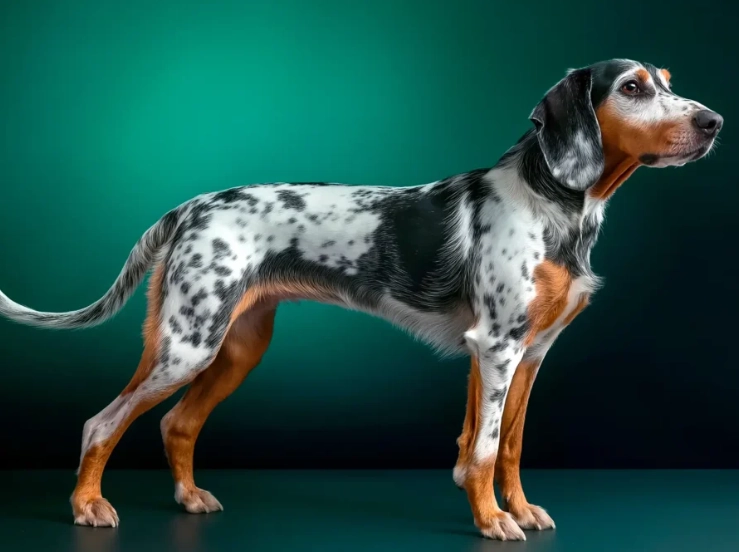
Where Did This Spotted Wonder Come From? Unraveling the History
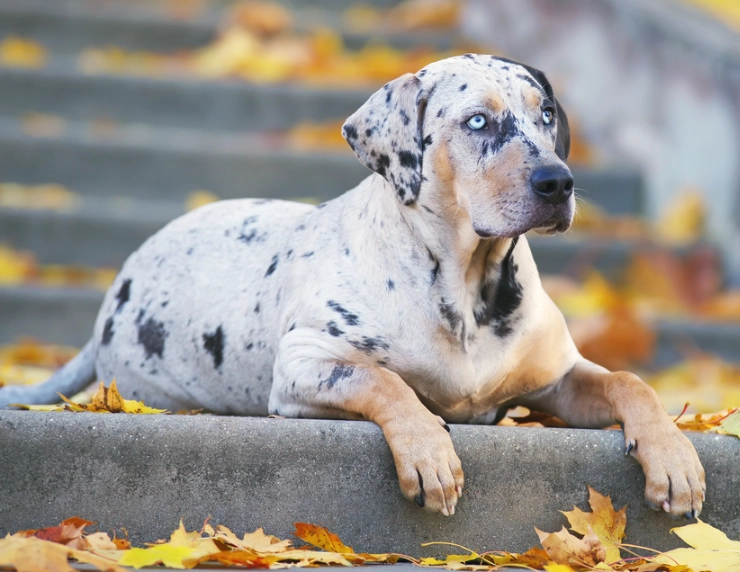
Spotting the Difference: The American Leopard Hound's Look and Build
The Coat That Turns Heads
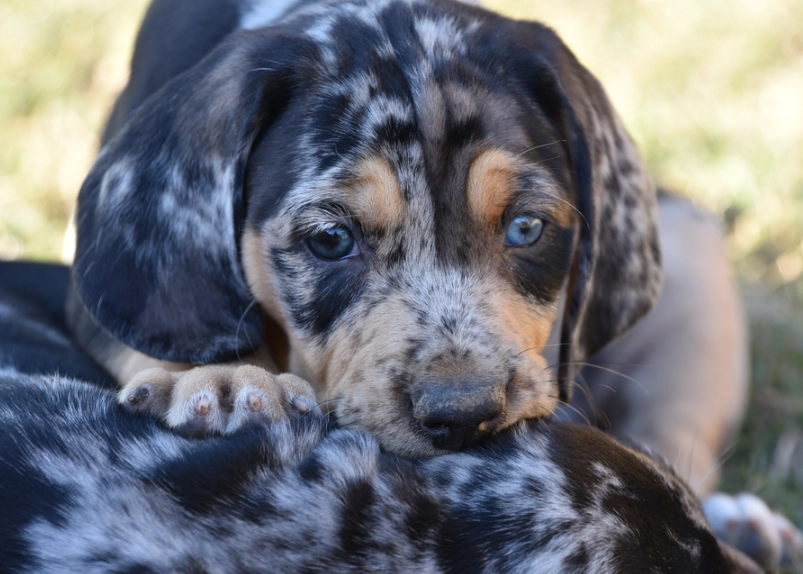
Size and Structure
Breed
Primary Purpose
Coat/Pattern
Size Range
Temperament Note
American Leopard Hound
Versatile Hunting (Treeing, Trailing)
Short; Leopard, Brindle, Solid
45-75 lbs
Intelligent, Loyal, Protective, High-Energy
Catahoula Leopard Dog
Herding & Hunting
Short-Medium; Merle, Patches
50-95 lbs
Strong-Willed, Independent, Needs Firm Leadership
Treeing Tennessee Brindle
Treeing Game (mainly squirrel/raccoon)
Short; Brindle only
30-50 lbs
Tenacious Hunter, Good-Natured, Energetic
Plott Hound
Big Game Hunting (Boar, Bear)
Short; Brindle (various)
40-75 lbs
Fearless, Determined, Can be Dog-Aggressive
The Heart of the Hunter: American Leopard Hound Temperament
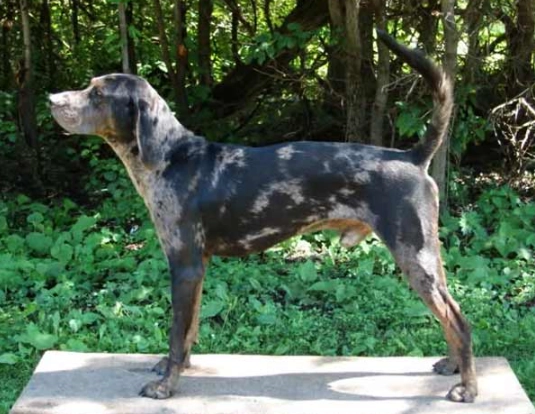
The Good Stuff (The Pros)
The Challenging Bits (The Cons)
Are They Good Family Dogs?
Keeping Your Leopard Hound Healthy: What to Expect
Training & Exercise: Non-Negotiables for a Happy Dog

Exercise Needs: More Than a Walk Around the Block
Training Philosophy: Be a Partner, Not a Dictator
Your American Leopard Hound Questions, Answered
Finding an American Leopard Hound: Breeder vs. Rescue
Final Thoughts: Is This the Dog for You?
Q: Is the American Leopard Hound aggressive?
A: Not inherently. They are protective and can be aloof with strangers, but aggression is not a breed trait. Poor breeding, lack of socialization, or irresponsible ownership can create aggression in any dog. A well-bred, well-socialized Leopard Hound is a loyal companion, not an attack dog.
Q: Can they live in an apartment?
A: I would strongly advise against it. It's not just about size; it's about energy and voice. They need space to run and their loud bark/bay will disturb close neighbors. They are best suited to a home with a securely fenced yard.
Q: How are they with other pets?
A: With other dogs, they can do very well if properly socialized. They often enjoy canine companionship. With cats or other small pets? It's a huge gamble. Their prey drive is intense. Some can learn to coexist with a cat they were raised with from puppyhood, but it's never a guarantee. I'd never trust them alone with a small animal.
Q: Are they easy for first-time dog owners?
A> Honestly? Probably not. Their combination of high energy, intelligence, stubbornness, and strong instincts presents a challenge. A first-time owner might be overwhelmed. They do best with someone who has experience with active, intelligent breeds and understands positive training methods.
Q: What do they eat? Any special diet?
A: No special diet. A high-quality commercial or raw diet appropriate for their age, size, and activity level is fine. Because they are so active, they may need more calories than a similarly sized couch-potato breed. Consult your vet.
Comment