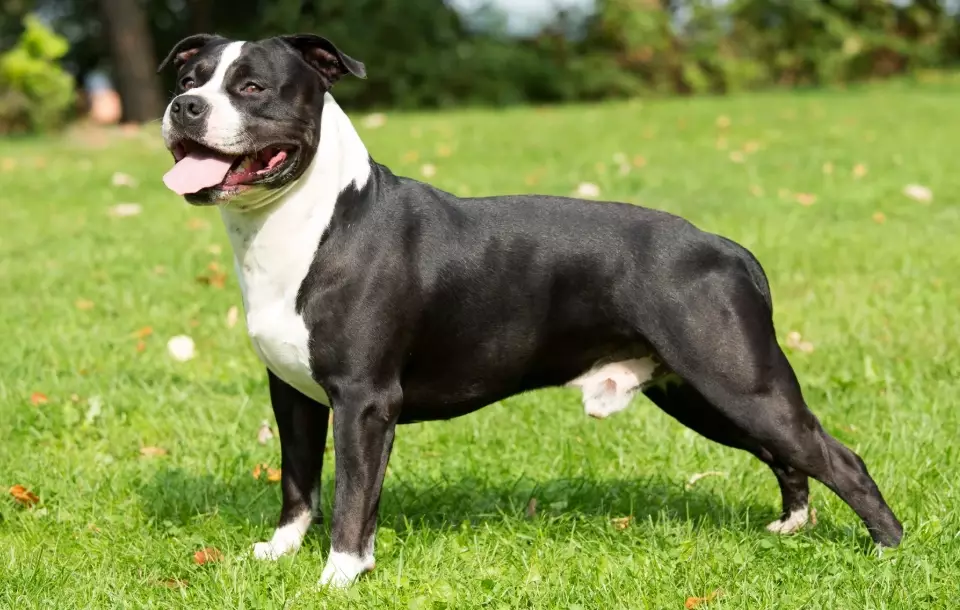
Let's talk about the American Staffordshire Terrier. Or as most people in the know call them, the AmStaff. You've probably seen one. Maybe you've even formed an opinion about them based on what you've heard. I get it. This breed carries more baggage than a packed suitcase for a month-long trip. But here's the thing – most of what you think you know is probably wrong, or at least wildly incomplete. I'm not here to sell you on this dog. I'm here to tell you what they're actually like, warts and all. Because deciding to bring any dog into your life is a big deal, and with a powerful, intelligent breed like the American Staffordshire Terrier, you need the full picture, not just the highlights reel or the horror stories. So, what is an American Staffordshire Terrier, really? At their core, they are a blend of old English terrier tenacity and bulldog strength, originally developed for work and companionship. The modern AmStaff is a loyal, people-oriented dog that thrives on being part of the family. But they're not a casual commitment. You can't understand the American Staffordshire Terrier without knowing where they came from. It's a history that's often glossed over or sensationalized. In 19th-century England, breeders crossed agile, feisty terriers with muscular bulldogs. The goal was to create an all-around working dog – one that could help on farms, hunt vermin, and, yes, unfortunately, participate in the blood sports of the era, like bull-baiting and later, dogfighting. When these dogs came to America with immigrants, they found a new role. They became frontier dogs, farm dogs, and family guardians. American breeders selectively bred for a slightly larger, stockier dog with a more stable temperament suitable for a home. This divergence is key. In 1936, the American Kennel Club (AKC) recognized them as the "Staffordshire Terrier" (the "American" was added in 1972) to distinguish them from the smaller Staffordshire Bull Terrier of England. The AKC wanted to promote them as a show and companion dog, separate from their past. The United Kennel Club (UKC), on the other hand, had recognized the "American Pit Bull Terrier" since 1898. For decades, many dogs were dual-registered as both UKC Pit Bulls and AKC American Staffordshire Terriers. This shared lineage is why they look so similar and why the confusion persists today. It's less about genetics and more about paperwork and breeding goals. The official breed standard from the American Kennel Club emphasizes strength, confidence, and a love of people. That history sticks to them, for better or worse. Forget the caricatures. Let's describe the real dog standing in front of you. An AmStaff is the very definition of "powerfully built." They're not overly tall (usually 17 to 19 inches at the shoulder), but they are incredibly dense and muscular. Picking one up is always a surprise – they weigh a lot more than they look! Their coat is short, stiff, and glossy, coming in virtually any color, though all-white or more than 80% white, liver, or black-and-tan are less favored in the show ring. Their eyes are dark and round, and they have this way of looking at you with intense, thoughtful focus. That muscular build isn't just for show. It translates to surprising agility and stamina. A well-exercised AmStaff can be a hiking buddy, a jogging partner, and a playful wrestler in the yard. But that strength is a double-edged sword. A 50-pound dog that pulls on a leash feels like you're trying to stop a freight train if they aren't properly trained. I remember the first time I walked a friend's untrained AmStaff. He saw a squirrel. I'm not a small person, but I was literally dragged across the lawn. It was humbling. That experience taught me that leash manners aren't a nice-to-have with this breed; they're an absolute necessity from day one. This is where the magic happens, and also where the biggest misunderstandings lie. The breed standard calls for a dog that is "keenly alive to its surroundings" and "should be courageous, tenacious, and friendly." Let's break that down. People-Obsessed: If you want an independent dog that does its own thing, look elsewhere. The American Staffordshire Terrier is a velcro dog. They want to be where you are, preferably touching you. They are famous for being "nanny dogs" in old photos because of their gentle, tolerant patience with their family's children. That said, no dog should ever be left unsupervised with a young child – that's just responsible ownership, regardless of breed. Confident and Stable: A well-bred, well-socialized AmStaff should be steady and self-assured. They aren't typically nervous or skittish. That confidence, however, means they need an owner who is equally confident and consistent. They can sense uncertainty and may try to fill the leadership vacuum themselves, which leads to problems. Tenacious and Eager to Please: That terrier heritage gives them a strong will and a high prey drive for small, fast-moving animals (squirrels, cats, sometimes even small dogs). But the bulldog side gives them a deep desire to work with and please their person. This combination makes them highly trainable, but the training has to be engaging, positive, and firm. They get bored with endless repetition. Here’s a quick comparison to clear up some common breed confusions: Myth: American Staffordshire Terriers have "locking jaws" with unique bone structure. Myth: They are inherently aggressive toward people. This isn't a yes-or-no question. It's a checklist. Be brutally honest with yourself. The Ideal AmStaff Owner: Think Twice If: It's okay if the answer is no. Loving the breed from afar is still loving the breed. Training an American Staffordshire Terrier isn't about suppressing some mythical monster. It's about channeling their intelligence and strength into appropriate behaviors. It's about safety and harmony. Start Early: If you get a puppy, socialization isn't just about meeting other dogs. It's about exposing them positively to every sight, sound, and surface you can imagine: umbrellas, skateboards, men with hats, children running, vacuum cleaners. The critical window closes around 16 weeks. Organizations like the Staffordshire Terrier Club of America offer great resources on responsible breeding and early puppy care. Focus on the Big Three: Use Positive Methods: These dogs are sensitive and can shut down or become defensive with harsh, punitive methods. Use treats, praise, toys, and play. Find what motivates your individual dog. They want to work with you, not for you. Generally, they are a robust breed, but they have some known health predispositions. A responsible breeder will test their breeding stock for these conditions. Always ask to see the Orthopedic Foundation for Animals (OFA) or other health screening results for both parents. Expect a lifespan of 12 to 16 years with good care. That's a long commitment. Exercise: This is not optional. A bored American Staffordshire Terrier is a destructive one. Aim for at least 60-90 minutes per day. This shouldn't just be a walk. Mix it up: jogging, hiking, fetch, flirt pole play, obedience training sessions, puzzle toys, nose work. Mental exercise tires them out just as much as physical. Diet: Feed a high-quality diet appropriate for their age and activity level. Because they are muscular, they can do well on diets with good-quality protein. Be vigilant about weight gain; an overweight AmStaff puts immense strain on their joints. Grooming: Easy! Their short coat needs a weekly brush with a rubber curry or bristle brush to remove dead hair and distribute skin oils. Bath only when necessary. The main tasks are nail trimming (often hated – start young!) and weekly ear cleaning to prevent infections, especially if they have allergies. Look, the American Staffordshire Terrier isn't for everyone. They demand more from an owner than most breeds: more time, more training, more advocacy, more understanding. They are often judged by their appearance before they even have a chance to wag their tail. But if you are the right person – someone who sees the dog, not the stereotype, someone willing to put in the work – what you get in return is unparalleled. You get a loyal companion whose love is as solid and substantial as they are. You get a dog that looks at you like you are the center of their universe. You get a true partner. The decision to welcome an American Staffordshire Terrier into your life shouldn't be based on a desire to look tough or to save a dog from a shelter (though rescue is a wonderful option for experienced owners). It should be based on a clear-eyed assessment of your life and a deep respect for what this complex, wonderful breed truly is. Do your homework, meet some well-bred dogs, talk to reputable breeders and rescue organizations, and be honest with yourself. If it's a fit, you'll have a friend for life.Quick Guide
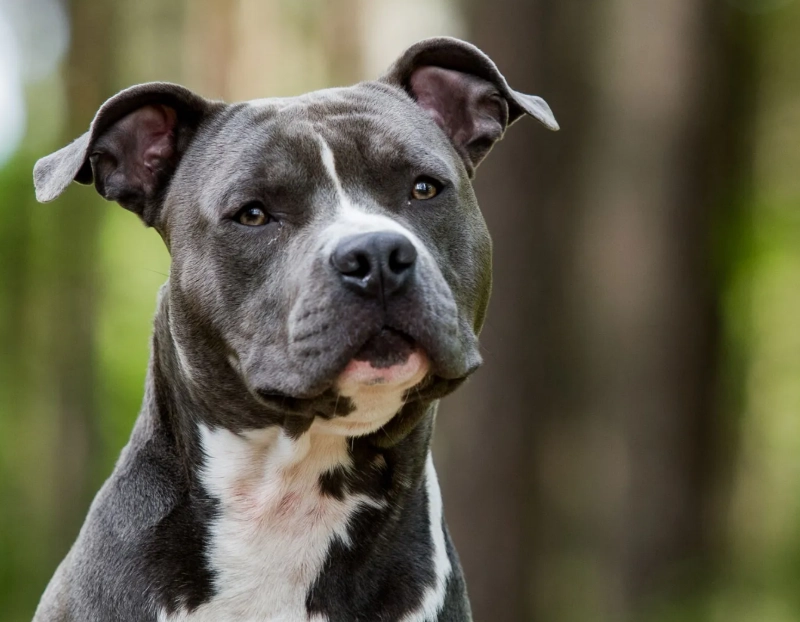
From Pit to Parlor: The Surprising History of the AmStaff
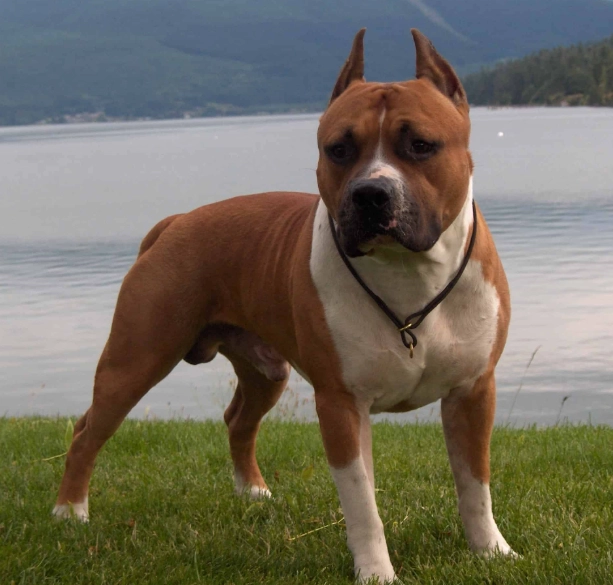
What Does an American Staffordshire Terrier Actually Look and Act Like?
The Physical Stuff: Built Like a Tank, Moves Like an Athlete
The Heart of the Matter: The AmStaff Temperament
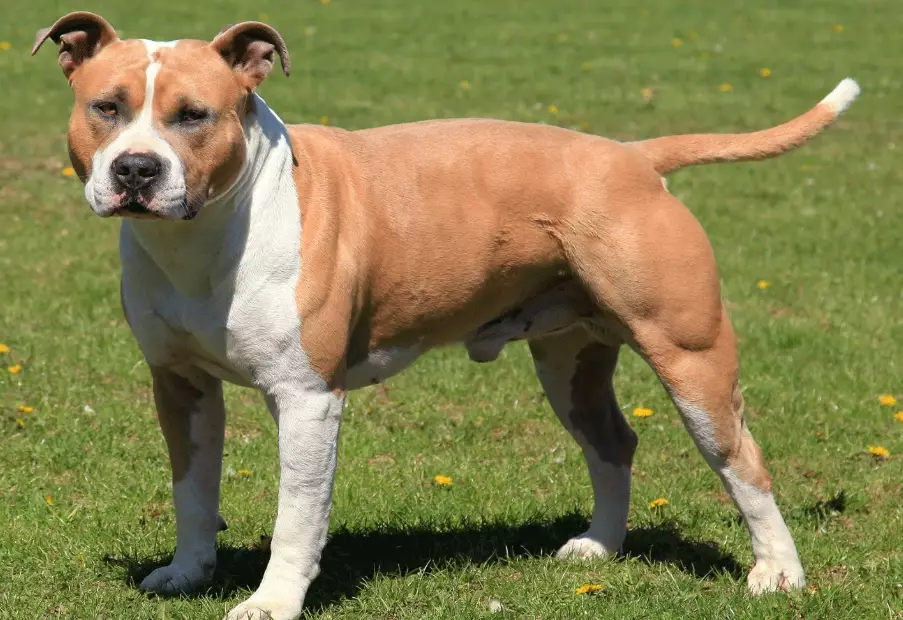
Very similar, often described as "the nanny dog"
Trait American Staffordshire Terrier American Pit Bull Terrier Staffordshire Bull Terrier Primary Registry American Kennel Club (AKC) United Kennel Club (UKC) AKC & UKC Size Medium-large, stockier Medium, more agile Smaller, shorter Breeding Focus Conformation shows, temperament Historically performance, versatility Companionship, shows Temperament Confident, people-focused, stable Energetic, athletic, driven Affectionate, courageous, good with children Myth vs. Fact: The Locking Jaw and Other Nonsense
Fact: This is 100% false. Multiple anatomical studies, including one cited by the American Veterinary Medical Association (AVMA), have found no mechanical or structural difference in the jaws of pit bull-type dogs compared to other breeds. Their bite strength is on par with other dogs of similar size and head shape. They are, however, tenacious and may hold on, a trait from their historical work.
Fact: The breed standard and responsible breeders actively select against human aggression. Human aggression is a serious fault. Their historical role required them to be handled safely by people, even in high-stress situations. Dog aggression or selectivity, however, is a more common trait that potential owners must be prepared to manage.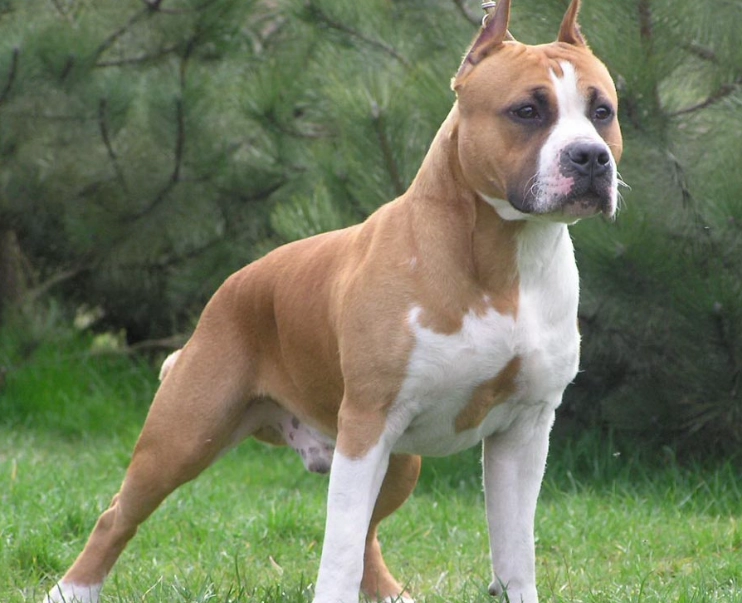
Is an American Staffordshire Terrier the Right Dog for You?
Training Your AmStaff: It's Non-Negotiable
Keeping Your American Staffordshire Terrier Healthy

The Day-to-Day: Caring for Your AmStaff
Life Stage Daily Exercise Needs Mental Stimulation Ideas Puppy (3-12 mos) Short, frequent play sessions (5 min per month of age). Avoid forced running. Socialization outings, basic training, food puzzles, exploring new textures. Adult (1-7 yrs) 60-90+ minutes. A long walk plus vigorous play/training. Advanced obedience, agility (for fun), scent games, "find the toy," interactive feeders. Senior (8+ yrs) Moderate, tailored to mobility. Shorter, more frequent walks. Gentle training refreshers, easy puzzle toys, leisurely sniff walks. 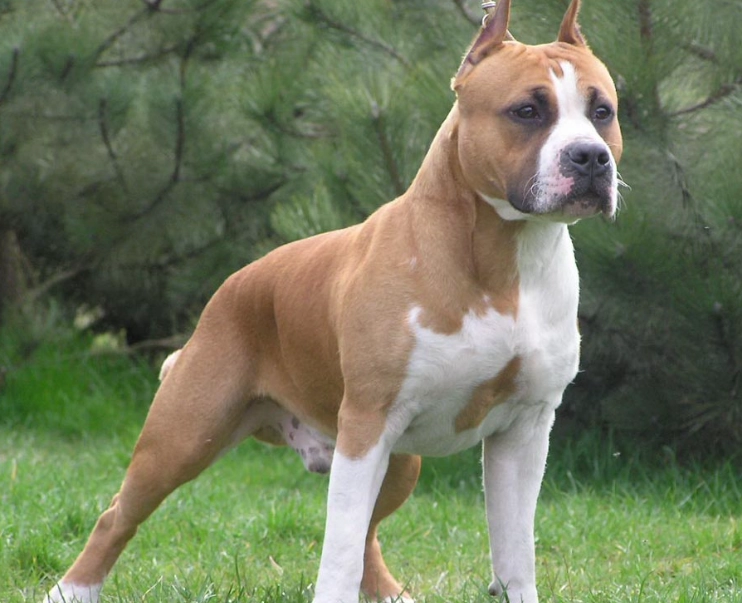
Answering Your Biggest Questions (FAQ)
Q: Are American Staffordshire Terriers good with kids?
A: With their own family's children, when properly socialized and supervised, they can be wonderfully gentle, patient, and affectionate. They are sturdy and can handle clumsy kid hugs. However, no child should ever be left alone with any dog. Teach children how to interact respectfully (no ear/tail pulling, bothering while eating/sleeping). Always supervise.
Q: Are they aggressive with other dogs?
A: Dog aggression or selectivity is a common trait in the breed. It doesn't mean every AmStaff will fight, but many will not tolerate rude behavior from other dogs, especially of the same sex. Early socialization is crucial, but even a well-socialized dog may become less tolerant as they mature (around 2-3 years old). Many owners successfully manage multi-dog homes, but it requires careful introductions, constant awareness, and sometimes permanent separation when unsupervised. Dog parks are generally a terrible idea for this breed.
Q: What's the difference between an AmStaff and a "pit bull"?
A: "Pit bull" is an umbrella term, not a breed. It often refers to dogs with a certain blocky head and muscular build, including the American Staffordshire Terrier, American Pit Bull Terrier, Staffordshire Bull Terrier, and mixes. Legally, it can be even broader. An American Staffordshire Terrier is a specific, purebred dog with an AKC standard. All AmStaffs are technically "pit bulls" in the cultural sense, but not all "pit bulls" are American Staffordshire Terriers.
Q: Are they hard to train?
A: They are intelligent and eager to please, which makes them highly trainable. The "hard" part comes from their strength, stamina, and occasional stubbornness. Training must be consistent, engaging, and based on mutual respect. They respond poorly to force. If you put in the work, you'll have an incredibly well-trained dog. If you don't, you'll have a powerful, untrained dog – which is a problem with any large breed.
Comment