Let's talk ancient history. We're going back 6,000 years here—that's how far the Anatolian Shepherd Dog lineage traces back to the region now known as Turkey. These dogs weren't bred for looks or companionship originally. They had one job: protect livestock from predators like wolves and bears in the harsh Anatolian plateau. What's fascinating is how their development was shaped entirely by function. Turkish shepherds needed dogs that could work independently, withstand extreme temperatures, and make life-or-death decisions without human guidance. This created a canine that's fundamentally different from most breeds we're familiar with today. The Anatolian Shepherd Dog arrived in the United States in the 1930s, but it was the 1970s Endangered Species Act that really boosted their popularity. Ranchers needed non-lethal ways to protect livestock from predators, and these Turkish guardians proved incredibly effective. The American Kennel Club finally granted full recognition to the breed in 1996. But here's the thing—numbers don't really capture their presence. When an Anatolian Shepherd Dog stands up, there's a substantial feeling to them. They move with this economical grace that says "I can do this all day if I need to." This is where people either fall in love with the breed or realize it's not for them. The Anatolian Shepherd Dog temperament is shaped by millennia of working independently. They're not border collies waiting for your next command—they're CEOs making executive decisions about security. I've seen well-meaning owners get frustrated because their Anatolian doesn't respond like a Labrador. But that's like being frustrated that your sports car can't plow fields. This breed was designed for a specific type of work, and their mind operates accordingly. Proper socialization isn't optional with an Anatolian Shepherd Dog—it's essential. Starting from puppyhood, they need positive exposure to various people, animals, and situations. The goal isn't to make them outgoing social butterflies, but to ensure they can distinguish between normal and threatening situations. Traditional obedience training often falls flat with this breed. They're not motivated by pleasing you in the way many dogs are. The key is establishing yourself as a trusted leader and making training relevant to their worldview. Positive reinforcement works best, but the rewards need to be meaningful. Food motivation varies by individual—some are highly food-driven, while others respond better to privileges like access to their territory or favorite resting spots. Recall can be particularly challenging. When an Anatolian Shepherd Dog is patrolling their territory, calling them back might be low on their priority list compared to potential threats. This is why secure fencing is non-negotiable. Barking is another consideration. They're vocal guardians, and that deep, impressive bark serves as both warning and deterrent. If you have close neighbors, this could be an issue worth considering. This isn't a breed for apartment living or small yards. An Anatolian Shepherd Dog needs space to patrol and fulfill their guarding instincts. They're generally calm indoors but require adequate outdoor access. That beautiful coat comes with maintenance requirements. Anatolian Shepherd Dogs are heavy shedders, particularly during seasonal changes. Weekly brushing is essential, moving to daily during shedding seasons. Their double coat provides insulation against both heat and cold, so shaving is generally not recommended. Regular nail trimming, ear cleaning, and dental care round out their grooming needs. Generally a robust breed, Anatolian Shepherd Dogs have a lifespan of 11-13 years. Like many large breeds, they're prone to certain health conditions that prospective owners should understand. Reputable breeders will provide health clearances for both parents. The Orthopedic Foundation for Animals (OFA) website is a valuable resource for verifying health testing. Feeding an Anatolian Shepherd Dog requires consideration of their size and growth rate. Large-breed puppy formulas help control growth to prevent joint issues. Adults typically require 4-6 cups of high-quality food daily, adjusted for activity level. Many owners find that Anatolian Shepherd Dogs have specific preferences about when and how they eat. Some prefer grazing throughout the day rather than set meals. Monitoring body condition is more important than strictly following package guidelines. This is where doing your homework pays dividends. Reputable breeders prioritize health, temperament, and breed preservation over quantity. They should be members of breed clubs like the Anatolian Shepherd Dog Club of America and openly share health clearances. Good breeders interview potential buyers as thoroughly as they should be interviewed. They want to ensure their puppies are going to appropriate homes and will often have waiting lists. Anatolian Shepherd Dogs sometimes end up in rescue when owners underestimate their needs. Breed-specific rescues can be excellent resources for experienced homes. The challenge with rescues is that their history might be unknown, making temperament assessment crucial. Rescue Anatolian Shepherd Dogs often require additional patience and training to overcome any previous negative experiences. The reward can be incredibly meaningful for the right family. When raised with children, Anatolian Shepherd Dogs can be wonderfully protective and gentle. Their calm demeanor often suits family life well. However, their size requires supervision with small children, and they may try to "herd" children as they would livestock. With other pets, early socialization is key. Their livestock guardian instincts mean they often do well with other animals when properly introduced. Same-sex aggression can occur, particularly among intact dogs. While their traditional role was livestock protection, Anatolian Shepherd Dogs today serve in various capacities. Conservation programs use them to protect endangered species from predators, and they excel as property guardians for rural homes. Their intelligence and independence make them less suited for traditional service work but excellent for specific guarding applications where initiative is valued over blind obedience. The Anatolian Shepherd Dog represents thousands of years of specialized breeding. They're not a breed to be casually acquired, but for the right situation with the right owners, they're unparalleled guardians and companions. What continues to impress me about these dogs is their dignified competence. They don't need to prove anything—they simply are what they are: capable, intelligent guardians who take their responsibilities seriously. Their independence might challenge traditional dog ownership expectations, but it's precisely what makes them exceptional at their original purpose. Understanding and respecting this is the foundation of a successful relationship with an Anatolian Shepherd Dog.Quick Guide
Where Did This Magnificent Breed Come From?
The Journey to America
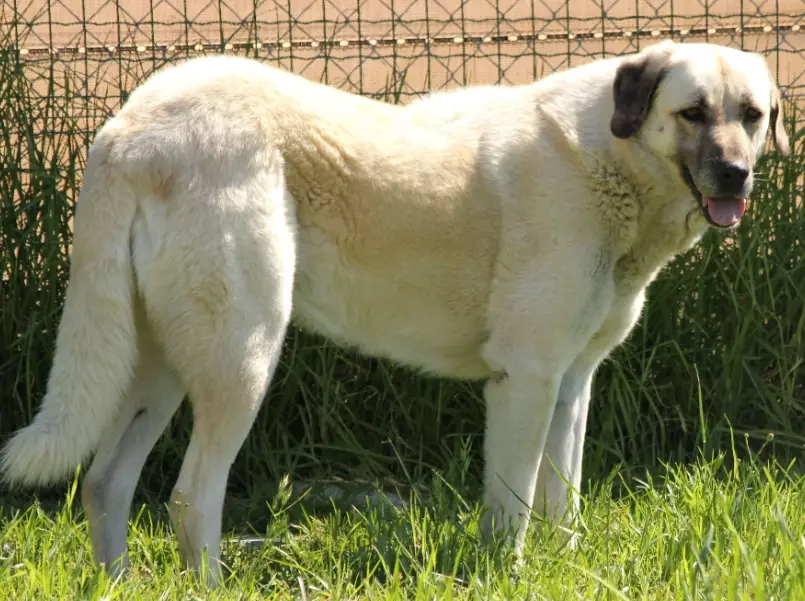
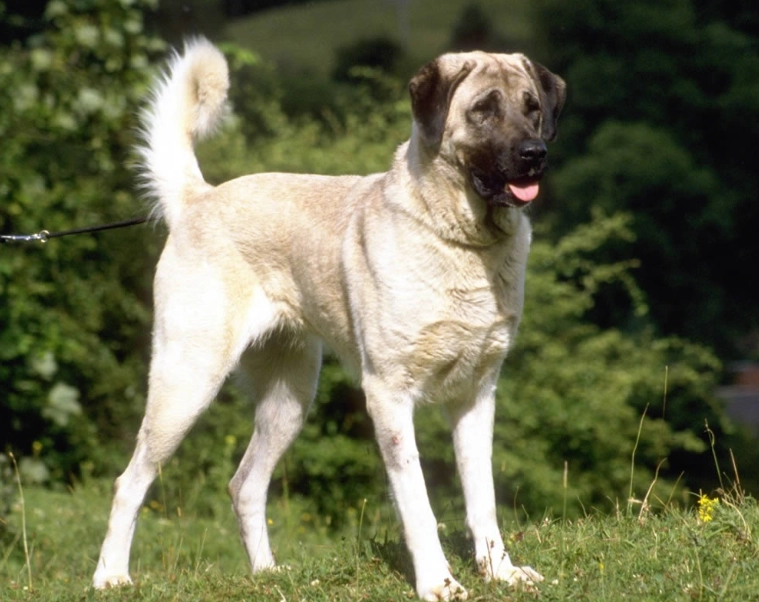
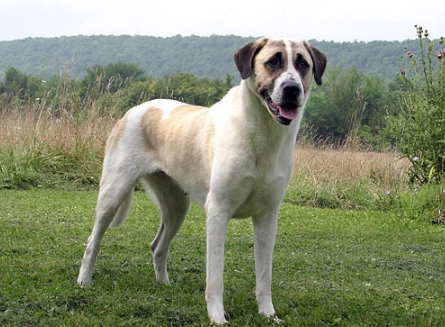
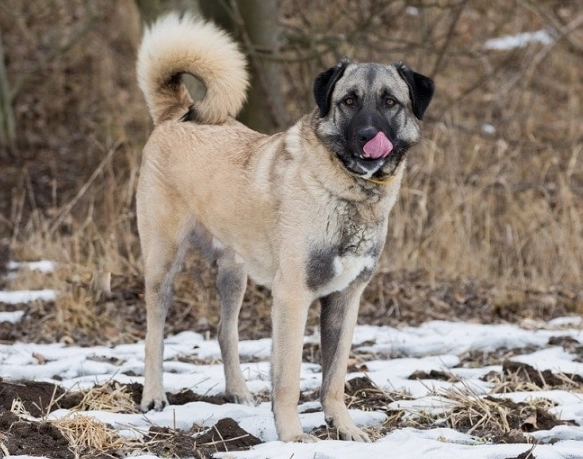
What Does an Anatolian Shepherd Dog Actually Look Like?
Feature
Description
Why It Matters
Size
Males: 29+ inches, 110-150 pounds
Females: 27+ inches, 80-120 poundsIntimidating presence deters predators
Coat
Short to medium length, dense undercoat
Protection from extreme weather conditions
Colors
All acceptable, commonly fawn with black mask
Camouflage in natural environments
Build
Powerful, muscular, athletic
Stamina for long hours of guarding
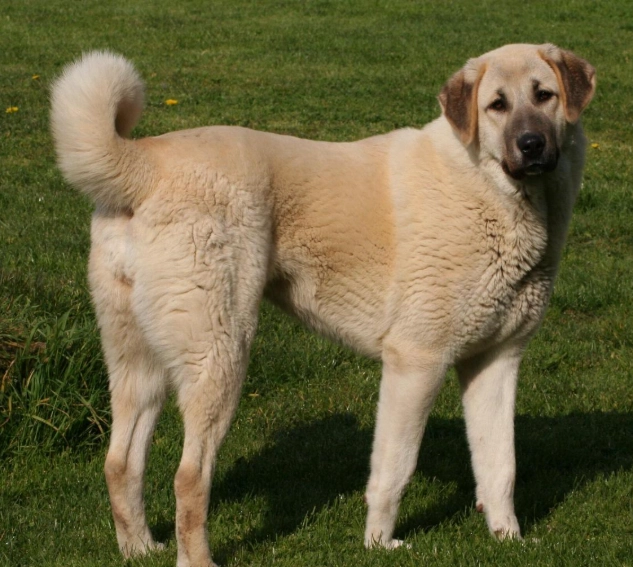
The Anatolian Temperament: Independent Thinker or Stubborn Challenge?
Key Personality Traits:
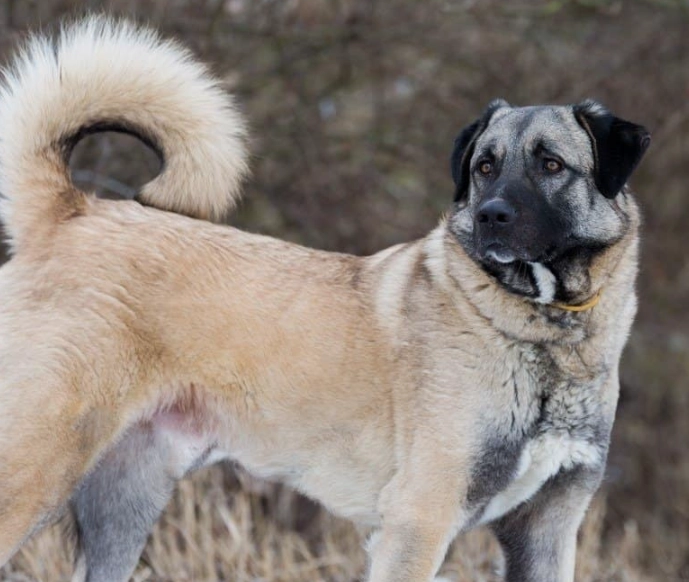
The Socialization Imperative
Training Your Anatolian Shepherd: Partnership Over Obedience
Common Training Challenges
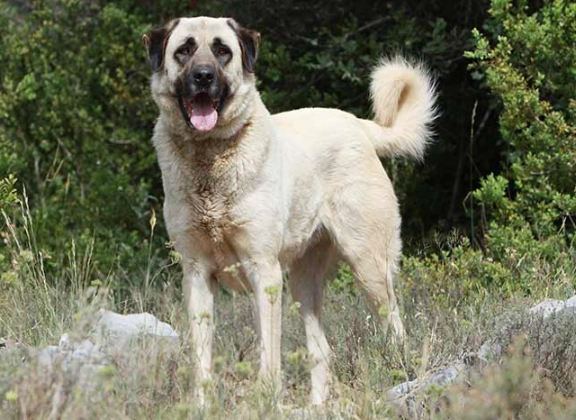
Living with an Anatolian Shepherd Dog: The Reality Check
Space Requirements:
Grooming and Shedding
Health Considerations for Anatolian Shepherd Dogs
Health Condition
Prevalence
Prevention/Screening
Hip Dysplasia
Moderate risk
OFA or PennHIP certification of parents
Elbow Dysplasia
Moderate risk
OFA certification of parents
Bloat (GDV)
Higher risk in deep-chested breeds
Feeding multiple small meals, avoiding exercise after eating
Thyroid Issues
Moderate risk
Regular blood screening
Entropion
Occasional
Reputable breeder screening
Anatolian Shepherd Dog Nutrition: Fueling a Giant
Is an Anatolian Shepherd Dog Right for You?
• Experienced dog owners comfortable with independent breeds
• Families seeking a property guardian rather than a traditional pet
• Owners who appreciate calm, observant companions
• Situations where their guarding instincts can be properly channeled
• First-time dog owners
• Homes requiring high obedience or off-leash reliability
• Families with frequent visitors unfamiliar with guardian breeds
• Owners seeking a highly social, outgoing dogFinding a Reputable Anatolian Shepherd Dog Breeder
Rescue Considerations
Anatolian Shepherd Dogs with Children and Other Pets
Working Anatolian Shepherd Dogs: Modern Applications
Common Misconceptions About the Breed
Final Thoughts: Respecting the Breed's Nature
I remember the first time I met a real Anatolian Shepherd Dog. It wasn't at a dog show or a breeder's kennel—it was on a working ranch in Montana, where a massive, calm-eyed dog named Taurus watched over 200 sheep like he was born for the job. Which, of course, he was.
Think about that for a second—6,000 years of selective breeding for one specific purpose. That's longer than many human civilizations have existed.
I've always been struck by how their eyes seem to hold centuries of wisdom. There's a calm assessment happening behind those dark, intelligent eyes that's quite different from the eager-to-please expression of many breeds.
Without adequate socialization, their natural wariness can tip into problematic behavior. This isn't a breed that typically "grows out of" shyness or aggression—early positive experiences are crucial.
The lightbulb moment for me was realizing that Anatolians see training as a negotiation rather than a command structure.
I always recommend prospective owners talk to breeders about the specific health testing they've done—not just "the parents are healthy," but actual certifications and clearances.
Ideal Home For an Anatolian Shepherd:
• Rural or semi-rural property with space
Challenging Situations:
• Apartments or small urban yards
Be wary of breeders who always have available puppies, don't require contracts, or can't provide health clearances. Red flags include multiple litters available simultaneously or pressure to make quick decisions.
I've seen Anatolians become incredibly devoted to the family cat—once they understand it's part of their pack to protect, not something to chase.
"They're just big, fluffy dogs"
This underestimates their intelligence and drive. Their appearance might be appealing, but their mind is all business when it comes to protection.
"They're aggressive"
Properly bred and socialized Anatolian Shepherd Dogs are protective, not aggressive. There's a significant difference—they assess threats rather than reacting indiscriminately.
"They need minimal exercise"
While not hyperactive, they require adequate space and mental stimulation. A bored guardian dog can develop problematic behaviors.
If you're considering an Anatolian Shepherd Dog, the most important question isn't whether you want one, but whether your lifestyle and experience can provide what this remarkable breed needs to thrive.
Comment