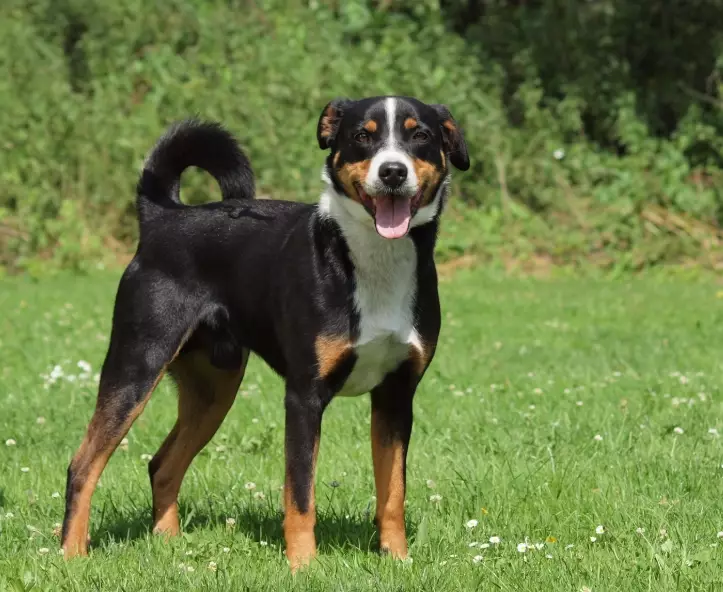
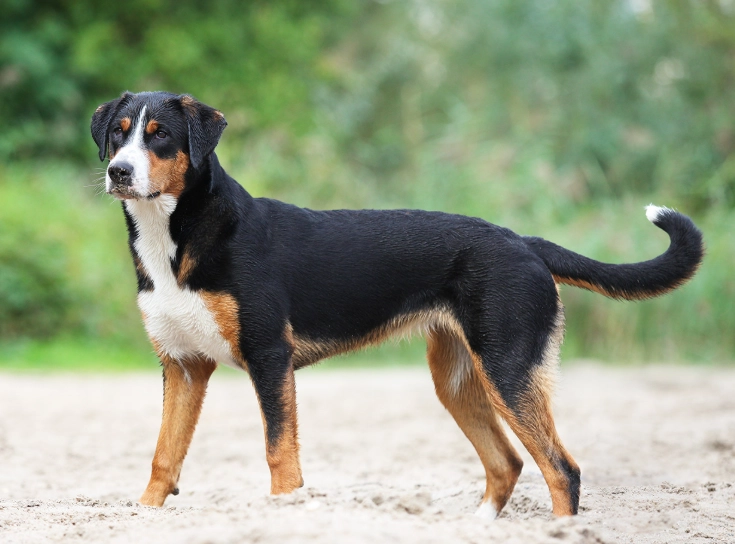
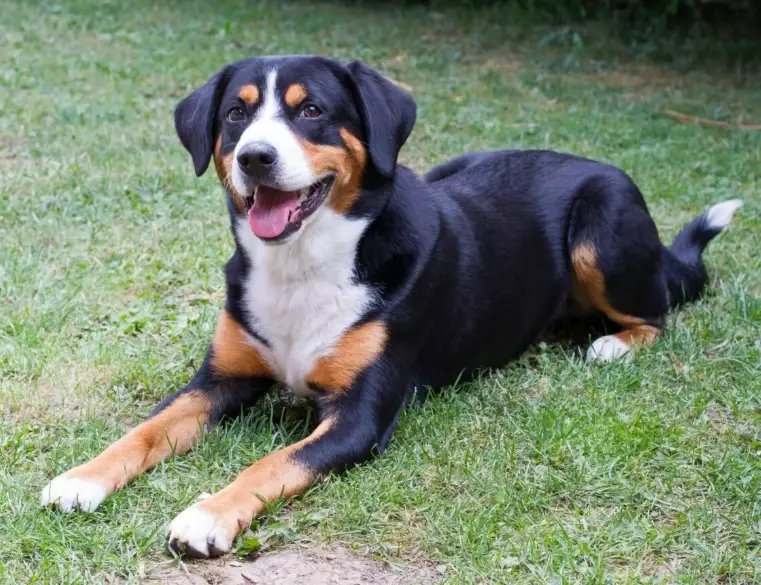
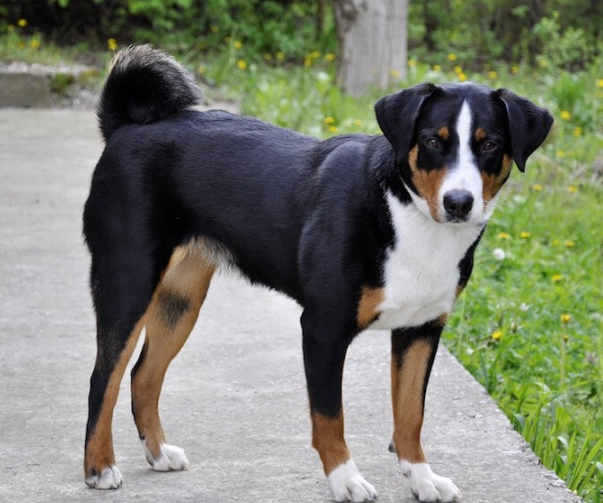
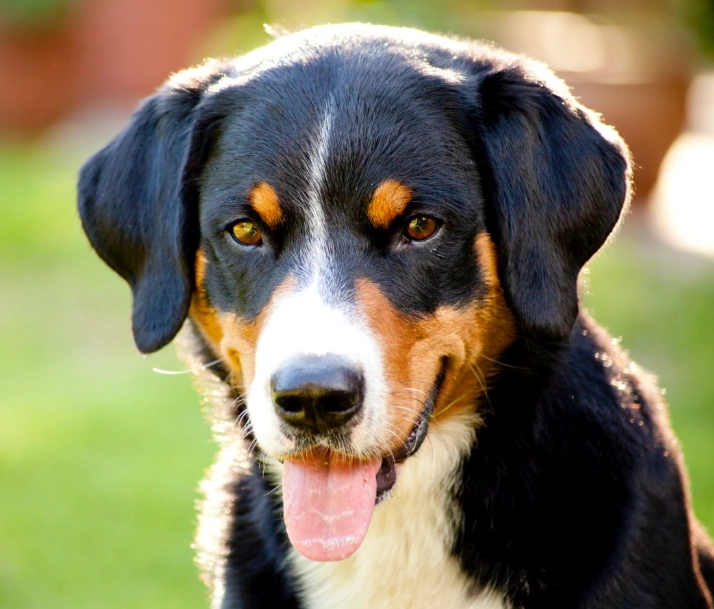
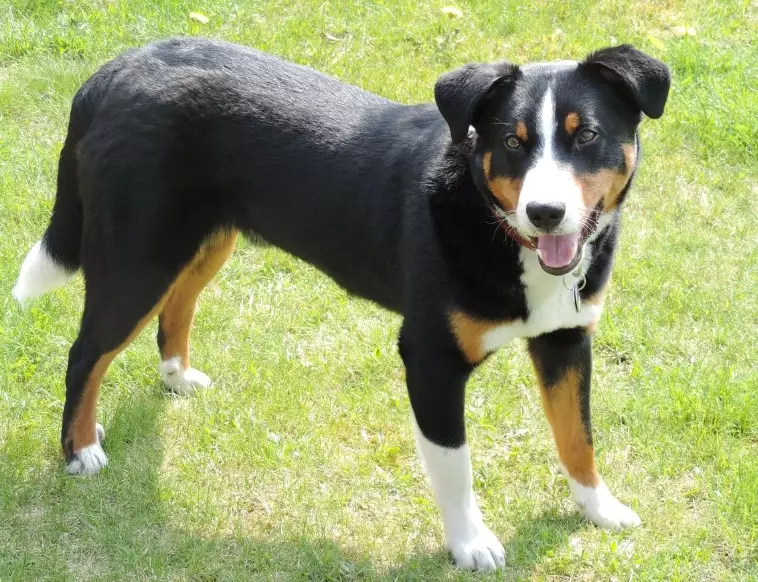
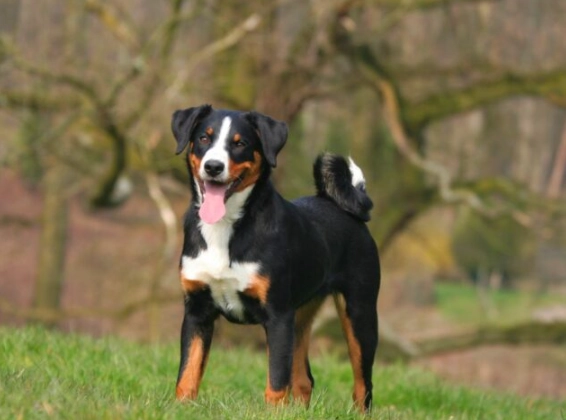
Let's be honest, you probably stumbled upon a picture of this stunning tri-colored dog and fell down a rabbit hole. That sharp, intelligent face. Those striking black, white, and rust markings that look like they were painted on. The Appenzeller Sennenhund has a way of doing that to people. But here's the thing they don't always tell you in those gorgeous photo galleries: this dog is a serious piece of work. I'm not saying that to scare you off. In fact, if you're the right person, an Appenzeller can be the most rewarding companion you'll ever have. But you need to go in with your eyes wide open, not just your heart. I remember the first time I met one at a herding trial. It wasn't just watching a dog run; it was watching a four-legged laser beam of focus and drive. The owner, a seasoned dog sport enthusiast, laughed when she saw my expression. "Yeah," she said, wiping sweat from her brow. "He's my full-time job and then some." That stuck with me. So, if you're asking, "Is an Appenzeller Sennenhund the right dog for me?" you're asking the right question. This guide isn't a fluffy breed spotlight. It's the real, sometimes messy, details you need to know before you even think about bringing one of these magnificent Swiss athletes home. Quick Reality Check: The Appenzeller Sennenhund is one of four Swiss mountain dog breeds (Sennenhunds), but it's often confused with its larger, calmer cousins like the Bernese. Don't make that mistake. The Appenzeller is the compact, turbo-charged version—built for agility and endurance in the steep Alps, not for sprawling on the couch. They are incredibly rare outside of Switzerland, which means finding a reputable breeder is a journey in itself. To understand the Appenzeller, you have to picture the Appenzell region of Switzerland. We're talking rugged, mountainous terrain where farmers needed a dog that could do it all: herd cattle, guard the homestead, pull carts, and be a loyal shadow. This wasn't a dog bred for looks in a show ring; every trait was honed for utility and survival. The first breed standard was written in 1906, and fanciers worked hard to preserve the breed's distinct characteristics. The Fédération Cynologique Internationale (FCI) recognizes them, and in North America, the breed is slowly gaining recognition through clubs like the Appenzeller Mountain Dog Club of America. That working-dog DNA is not just a historical footnote. It's the core of their being. It explains why they're so alert, so energetic, and so darn clever. They were bred to think on their feet and make decisions independently while moving cattle. That independent streak? Totally by design. It's a feature, not a bug. Forget generic dog descriptions. The Appenzeller has a specific, balanced look that screams "capable." They're medium-sized, but dense and muscular. Males stand about 20-22 inches at the shoulder, females a bit smaller. They should give an impression of power without being bulky—more like a middleweight boxer than a linebacker. Their coat is short, dense, and lies flat, with that iconic tricolor pattern: a glossy black base with symmetric white and rich rust (tan) markings. The white blaze on the face and the white chest are hallmarks. The tail is often carried curled tightly over the back, which just adds to their perky, attentive expression. This is where a table helps clear up the confusion. People see "Swiss Mountain Dog" and think they're all the same. They are not. See the difference? The Appenzeller and the Entlebucher are the high-octane members of the family. If you want a cuddly, low-key buddy, a Bernese is your dog. If you want a canine partner for adventure, keep reading. This is the most important section. Getting this wrong leads to unhappy dogs and frustrated owners. The Good Stuff (And It's Really Good): Appenzellers are famously loyal. They bond intensely with their family and want to be involved in everything you do. They are brilliant problem-solvers and learn commands with lightning speed. Their alertness makes them excellent watchdogs—nothing gets past them. They have a joyful, almost mischievous sense of humor when they're relaxed. With proper socialization, they can be wonderful, playful companions for respectful children, matching their energy perfectly. The Challenging Bits (You Can't Ignore These): That famous energy isn't a suggestion. It's a requirement. A bored Appenzeller Sennenhund is a destructive Appenzeller Sennenhund. We're talking digging, chewing, barking, and inventing their own "jobs" (like rearranging your garden). They are vocal. They bark to alert, to express excitement, to communicate. If you need a quiet house, look elsewhere. They can be wary of strangers and have a strong herding instinct, which might manifest as nipping at heels or trying to corral kids, bikes, or other pets. That independent thinking can look like stubbornness if you're not a confident leader. I've spoken to owners who say things like, "He's the smartest dog I've ever owned, but sometimes I think he's too smart for his own good." One described her Appenzeller figuring out how to open a lever-style door handle in under ten minutes. It's that kind of intelligence you're dealing with. Think you're active? The Appenzeller will redefine active for you. A walk around the block is an insult. They need vigorous, mentally engaging exercise every single day. We're talking: Without this, their behavior will deteriorate. Fast. You must train an Appenzeller Sennenhund. But it's less about drilling commands and more about building a partnership. They respond terribly to harsh, repetitive methods. They get bored. Use positive reinforcement, keep sessions short and fun, and always be consistent. Early and extensive socialization—exposing them to all sorts of people, dogs, sights, and sounds in a positive way—is critical to prevent over-the-top wariness or reactivity. Enrolling in a good puppy kindergarten and ongoing obedience classes is a fantastic idea. Good news here! Their short coat is relatively low-maintenance. A good weekly brush with a rubber curry brush or a slicker brush will remove loose hair and keep the coat shiny. They do shed, especially during seasonal changes (spring and fall), so expect to up the brushing frequency then. Baths are only needed every few months or when they get dirty. The usual nail trimming, ear cleaning, and dental care apply. Generally, they are a robust, healthy breed—a testament to their working origins. But like all purebreds, they can be prone to certain conditions. A responsible breeder will absolutely test their breeding stock for these issues. You should ask to see the results. A well-bred Appenzeller Sennenhund from health-tested parents has an excellent chance of living a long, healthy life of 12-15 years or more. Their energy levels often stay high well into their senior years. This is the hard part. They are rare. Do not rush this process or buy from the first website you see. Finding a Reputable Breeder: Start with the national breed club (like the AMDCA in the US). Breeders who are club members typically adhere to a code of ethics. Expect to be put on a waiting list. Expect the breeder to interview you extensively—they should care more about where their puppies go than about your money. A good breeder will provide health clearances for both parents, raise puppies in their home with early neurological stimulation, and be a resource for you for the dog's entire life. The price can be significant, reflecting the rarity and the costs of health testing. Rescue: It's uncommon, but Appenzellers and Appenzeller mixes do occasionally end up in rescue or with breed-specific rescue groups. These are often dogs whose owners underestimated their needs. Adopting a rescue can be incredibly rewarding but may come with extra behavioral challenges that require patience and experience. Let's tackle the stuff people are actually typing into Google. Let's sum it up. An Appenzeller Sennenhund is the perfect dog for: You should probably think twice if: Owning an Appenzeller is a lifestyle choice. It's demanding, often messy, and requires relentless commitment. But for the right person, the rewards are unmatched. You're not getting a pet; you're gaining a loyal, brilliant, and endlessly energetic shadow who will push you to be more active and engaged with the world. If that sounds like your idea of paradise, then your search might just be over. Just make sure you're ready for the ride.Explore the Sections
Where Did This Dog Even Come From? A Dash of History
What Does an Appenzeller Sennenhund Actually Look Like?
The Physical Blueprint
How Do They Stack Up Against Other Swiss Dogs?
Breed
Size
Temperament Vibe
Best For
Energy Level
Appenzeller Sennenhund
Medium (45-70 lbs)
Energetic, alert, driven, vocal
Active sports homes, farm work
Very High
Bernese Mountain Dog
Large (80-115 lbs)
Calm, gentle, affectionate, placid
Families wanting a gentle giant
Moderate to Low
Greater Swiss Mountain Dog
Large (85-140 lbs)
Confident, dignified, good-natured
Families with space, watchdogs
Moderate
Entlebucher Mountain Dog
Small-Medium (45-65 lbs)
Bold, loyal, sometimes stubborn
Active owners, herding enthusiasts
High
The Appenzeller Personality: Charm, Chaos, and Commitment
Living with an Appenzeller: The Daily Grind
Exercise: Non-Negotiable
Training: Be Smarter Than The Dog
Grooming and Shedding
Appenzeller Sennenhund Health: What to Watch For
Finding an Appenzeller Puppy (Or a Rescue)
Common Questions About the Appenzeller Sennenhund (FAQs)
The Final Verdict: Who Should Actually Get This Dog?
Training an Appenzeller isn't about showing them who's boss. It's about convincing them that working with you is the most interesting game in town.
Are Appenzeller Sennenhunds good apartment dogs?
This is a tough one. It's less about the square footage and more about your lifestyle. If you live in an apartment but are a marathon runner who goes to agility class four nights a week and has a dog walker at midday, maybe. But honestly, it's a huge challenge. Their energy and vocal nature are poorly suited to close quarters with neighbors. A house with a securely fenced yard is a much, much better setup for this breed.
Do they get along with other pets?
With proper introduction and socialization, they can live with other dogs, especially if raised together. Their herding instinct, however, can be a problem with cats, rabbits, or other small animals. They might try to herd or chase them. It's not necessarily aggression, but it can be stressful for the other pet. Supervised, careful introductions are key.
Are they easy for first-time dog owners?
I'm going to be blunt: no. The Appenzeller Sennenhund is not a beginner dog. Their combination of high energy, intelligence, strong will, and vocalness requires an owner who understands dog behavior, is committed to consistent training, and has the time and physical ability to meet their exercise demands. A first-time owner would likely be overwhelmed. Starting with a more forgiving breed is a wiser choice.
How much do they bark?
A lot. It's a loud, sharp, alert bark. They bark at the doorbell, at squirrels, at strange noises, and sometimes just to hear their own voice. You can train a "quiet" command to manage it, but you will never eliminate it entirely. It's part of their watchdog DNA.
Comment