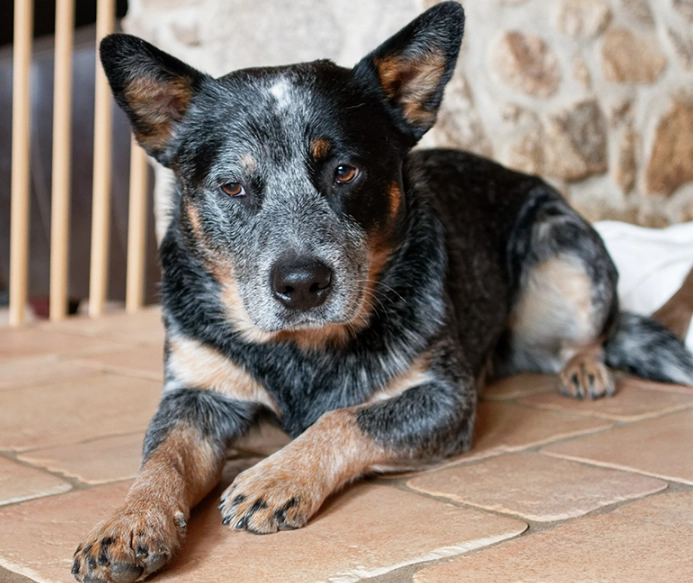
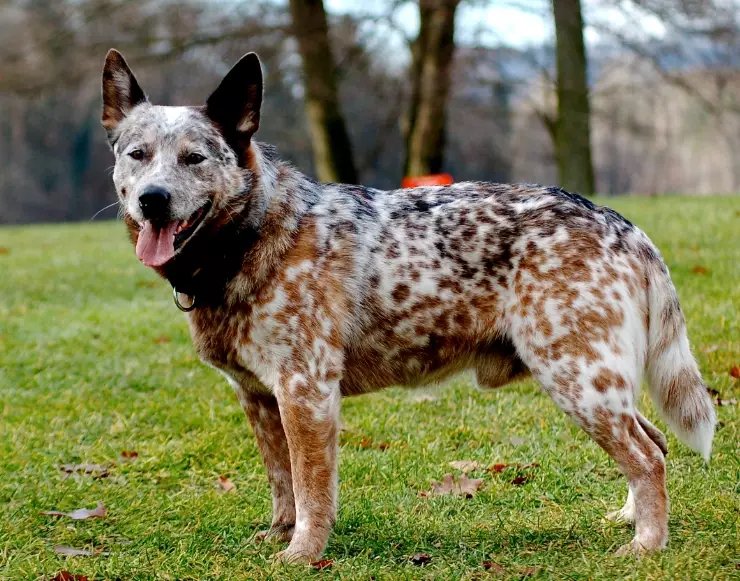
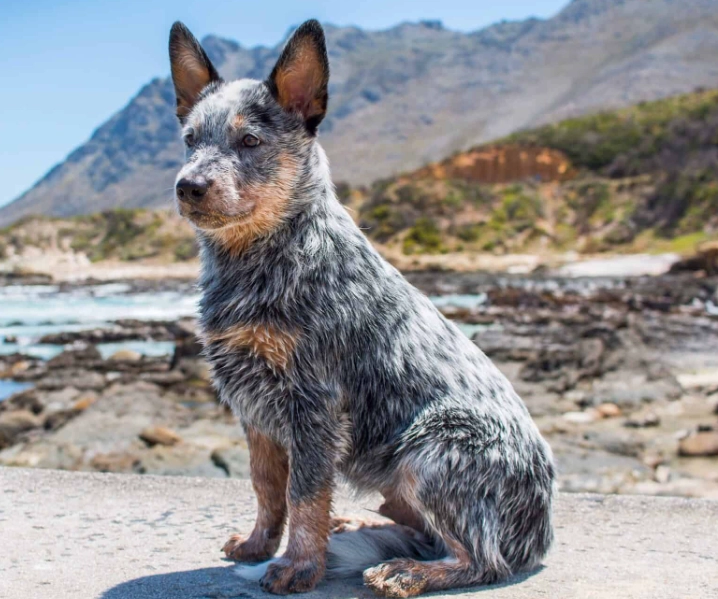
I remember the first time I met a proper Australian Cattle Dog. This intense blue-speckled dog watched me with this unsettling intelligence, like he was calculating my every move. That's when I realized these aren't your average family pets - they're four-legged geniuses with enough energy to power a small city. Often called Blue Heelers or Queensland Heelers, the Australian Cattle Dog was specifically bred for one purpose: handling wild cattle across massive Australian ranches. We're talking about distances that would make most dogs collapse by lunchtime. These dogs came from mixing native Dingoes with Collies and Dalmatians back in the 1800s. The result? A tough, weather-resistant dog that could work all day in the brutal Australian outback. The Dingo gave them endurance and toughness, the Collie contributed intelligence, and the Dalmatian added that unique loyalty to their human. You can spot an Australian Cattle Dog from a mile away. That distinctive speckled coat isn't just for show - it provides camouflage in the Australian bush. They come in two main color variations: blue (which can range from light silver to deep blue with black patches) and red speckle. Their build is all business. Broad skull, alert ears, and those watchful eyes that miss nothing. The body is compact but every inch is muscle designed for sudden bursts of speed and incredible endurance. This is where people get into trouble. They see a handsome dog and think "active companion" without understanding what that really means for this breed. Expose your Australian Cattle Dog puppy to different people, places, sounds, and situations. The critical socialization window closes around 16 weeks, so make every day count. Puppy classes are worth their weight in gold for this breed. Redirect, don't punish. When your Australian Cattle Dog starts nipping, immediately give them an appropriate chew toy. Teach them what's acceptable to bite versus what's not. Consistency is key - every family member needs to enforce the same rules. How much exercise does an Australian Cattle Dog really need? More than you think. We're not talking about a daily walk around the neighborhood. These dogs need serious physical and mental stimulation every single day. I've seen too many Australian Cattle Dogs develop anxiety and destructive behaviors because their owners thought "we have a big yard" was sufficient. These dogs need engagement, not just space. Training this breed is incredibly rewarding if you approach it right. They're quick studies but they have little patience for repetition. Keep sessions short, varied, and challenging. When properly exercised and mentally stimulated, Australian Cattle Dogs are incredibly loyal, intelligent, and versatile. They form intense bonds with their people and want to be involved in everything you do. I've never met a breed more dedicated to their human. Their intelligence is both a blessing and a curse. They learn commands after just a few repetitions, but they also learn how to open doors, solve puzzles, and outsmart their owners. You need to stay several steps ahead of an Australian Cattle Dog. That famous heelers' nipping instinct? It's real. They were bred to nip at cattle heels, and this behavior can extend to children's heels or even guests if not properly channeled. Early training is absolutely essential. They can be wary of strangers and have strong protective instincts. Socialization isn't optional with this breed - it's a requirement for a well-adjusted dog. Generally healthy, but like all purebred dogs, they have some breed-specific concerns. Responsible breeding practices have reduced many issues, but it's good to be aware of potential problems. Regular vet check-ups and maintaining a healthy weight go a long way in preventing issues. These are tough dogs, but they're not indestructible. Let's be honest - this breed isn't for everyone. In fact, they're probably wrong for most people. But for the right owner? They're absolutely incredible. If you work long hours, prefer sedentary activities, or want a low-maintenance pet, an Australian Cattle Dog will make both of you miserable. They need engagement and purpose. If you've decided this breed is for you, finding a good breeder is crucial. Avoid puppy mills and pet stores at all costs. Look for breeders who: Reputable breeders might have waiting lists, but it's worth the wait. A well-bred Australian Cattle Dog from health-tested parents gives you the best chance at a healthy, stable companion. Many Australian Cattle Dogs end up in rescue because owners underestimated their needs. Breed-specific rescues are excellent resources for finding adults whose personalities are already established. Rescue dogs often come with some baggage, but they can make wonderful companions. The advantage? You know exactly what you're getting temperament-wise, and you're giving a second chance to a dog in need. I've lived with my Australian Cattle Dog, Maverick, for eight years now. The first year was... challenging. He destroyed furniture when bored, herded visitors, and constantly tested boundaries. But with consistent training and finding the right outlets for his energy, he's become an incredible partner. We hike together, he accompanies me on runs, and he's even learned to channel his herding instinct into agility. The key was accepting that he's not a typical pet - he's a working partner who needs a job. The Australian Cattle Dog is a remarkable breed that demands respect and understanding. They're not easy, but the rewards of living with one are immense for the right person. If you're still considering this breed after reading all this, you might be one of the rare owners who can handle their intensity. Just remember: this isn't a dog you get because they're pretty. This is a lifestyle commitment that will challenge you, change you, and ultimately reward you with one of the most loyal companions imaginable. But if you're having doubts? Listen to them. There are plenty of wonderful breeds that might be a better fit for your lifestyle. The worst thing you can do is bring home an Australian Cattle Dog without being prepared for what they truly need. For more information about responsible Australian Cattle Dog ownership, check out the American Kennel Club's breed guide or connect with the Australian Cattle Dog Club of America for breeder referrals and resources.Quick Navigation
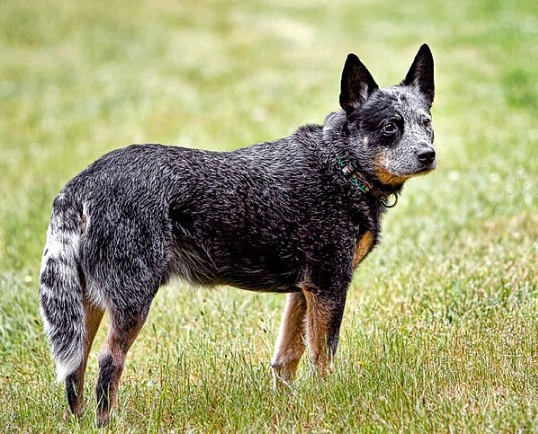
What Exactly is an Australian Cattle Dog?
Australian Cattle Dog Physical Characteristics
Characteristic
Details
Why It Matters
Size
17-20 inches tall, 35-50 pounds
Compact but muscular - built for endurance not speed
Coat
Double coat, weather-resistant
Sheds heavily twice yearly but easy maintenance otherwise
Lifespan
12-16 years
One of the longest-lived medium-sized breeds
Energy Level
Extremely high
Not just "active" - we're talking border collie level intensity
The Australian Cattle Dog Temperament: What You're Really Getting Into
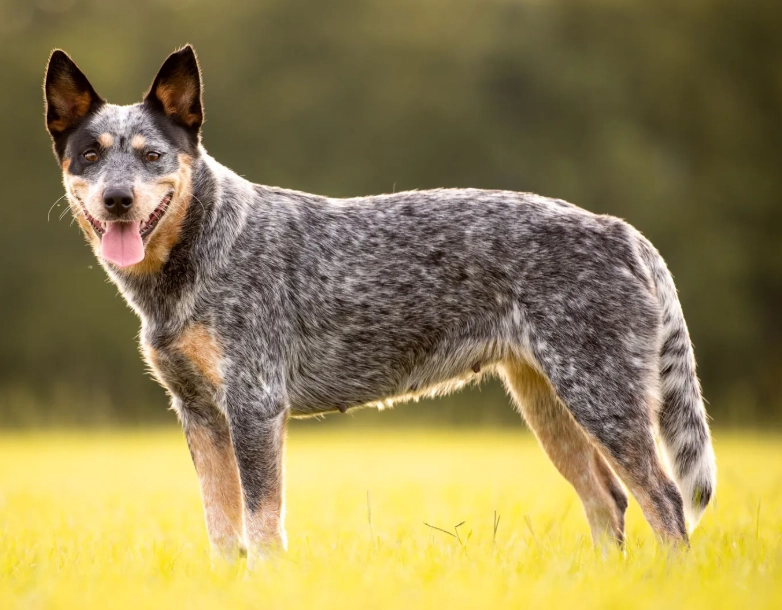
Early Socialization is Non-Negotiable

Dealing with the Nipping
Common Australian Cattle Dog Questions
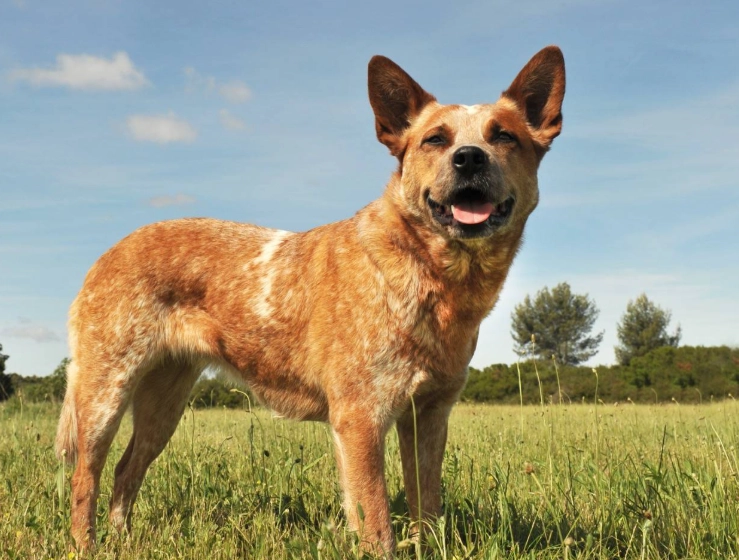
Exercise Needs: The Make or Break Factor
Training Your Australian Cattle Dog
The Good Stuff First
The Challenging Parts
Health Considerations for Australian Cattle Dogs
Health Issue
Prevalence
Prevention/Treatment
Hip Dysplasia
Moderate
Buy from OFA-certified parents, maintain healthy weight
Progressive Retinal Atrophy
Breed-specific concern
Genetic testing available, regular eye exams
Deafness
Higher in all-white dogs
BAER testing for puppies, special training methods
Arthritis
Common in seniors
Joint supplements, appropriate exercise, weight management
Is an Australian Cattle Dog Right for You?
The Ideal Australian Cattle Dog Owner
When to Think Twice
Finding a Responsible Australian Cattle Dog Breeder
Rescue Australian Cattle Dogs
Living with an Australian Cattle Dog: Real Stories
Final Thoughts on the Australian Cattle Dog
Quick Truth: If you're looking for a couch companion who's happy with a quick walk around the block, the Australian Cattle Dog might just be your worst nightmare. But if you want a partner for adventure who'll challenge you mentally every single day? Well, you might have found your match.
I've worked with dozens of breeds over the years, but the Australian Cattle Dog's work ethic is something else entirely. They don't just work until they're tired - they work until the job is done, which can be problematic if you're not careful about setting boundaries.
Reality Check: An under-exercised Australian Cattle Dog isn't just mischievous - they can become destructive, neurotic, and develop serious behavior problems. This isn't a breed that does well with casual ownership.
Are Australian Cattle Dogs good with children?
They can be wonderful with children they're raised with, but their herding instinct means they might try to herd running children. Supervision is essential, and they're generally better with older children who understand how to interact with dogs.
How much grooming do they need?
Surprisingly little for a double-coated breed. Weekly brushing is usually sufficient, except during shedding seasons when daily brushing might be necessary. They're relatively clean dogs without that typical doggy odor.
Can Australian Cattle Dogs live in apartments?
It's possible but challenging. The key isn't space - it's exercise and mental stimulation. An apartment-dwelling Australian Cattle Dog needs more intentional exercise than one with a yard. Without proper outlets, apartment life can be miserable for both dog and owner.
Seriously, the socialization part cannot be overstated.
Did You Know? Australian Cattle Dogs hold the Guinness World Record for oldest dog - Bluey lived to be 29 years and 5 months old! While not typical, it shows the breed's incredible longevity when well-cared for.
I've made the mistake of recommending this breed to the wrong people before, and it never ends well. The excitement of getting a beautiful, intelligent dog quickly turns to frustration when reality sets in about their demands.
Pro Tip: When adopting an adult Australian Cattle Dog, ask about their history with other animals, children, and any known behavioral issues. Many rescues will let you do a trial period to ensure it's a good fit.
Either way, I hope this honest look at the breed helps you make the right decision.
Comment