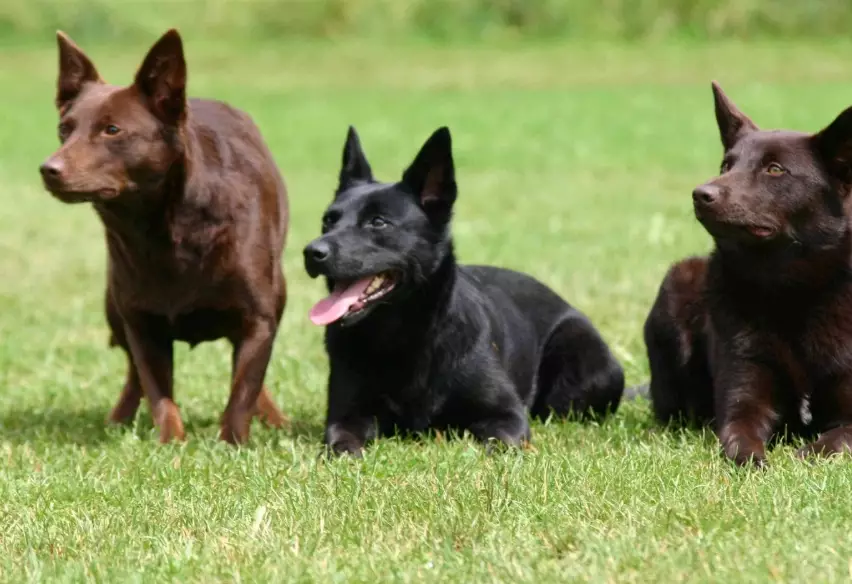
Let's be honest, you probably saw a picture of this sleek, athletic dog with those intelligent eyes and thought, "Wow, what a stunning animal." Or maybe you've heard tales of their legendary work ethic on Australian farms. Whatever brought you here, you're now wondering if an Australian Kelpie could be your next furry family member. I've been around dogs my whole life, and I've had the chance to work with a few Kelpies owned by friends. They're incredible creatures, but they're not for everyone. Not even close. Writing this, I want to give you the full picture, not just the glossy brochure stuff. We'll dig into what makes them tick, the sheer amount of effort they require, and whether your lifestyle can actually meet their needs. Because getting a Kelpie on a whim is a one-way ticket to frustration for both you and the dog. First things first, let's clear up what we're talking about. The Australian Kelpie is a purebred herding dog developed in, you guessed it, Australia in the late 19th century. They were bred from British collie-type dogs to handle the harsh, vast landscapes and the huge, sometimes unruly flocks of sheep. The name "Kelpie" comes from a mythological Scottish water spirit, which is kind of fitting when you see how they can almost magically control livestock. These aren't just pets with a job history. They are working dogs through and through. Every part of them, from their brains to their bodies, is engineered for stamina, intelligence, and problem-solving. The American Kennel Club, which officially recognized the breed in 2015, classifies them in the Herding Group, and their official breed standard is maintained by the Australian National Kennel Council. That's the baseline. What you get in your home is a condensed version of a farm super-worker. If you only take away one thing, let it be this: high energy is a feature, not a bug. It's the core of their being. But their personality is more nuanced than just being a bundle of nerves. I remember visiting a friend with a young Kelpie named Bandit. My friend, an active runner, thought two 5-mile runs a day would be enough. Bandit would come home from the second run, grab a toy, and drop it at my friend's feet with a look that clearly said, "Okay, warm-up's over. What's next?" The physical exhaustion came hours before the mental satisfaction. That's the key. Let's get practical. What does sharing your life with an Australian Kelpie actually look like on a Tuesday? Forget the standard 30-minute walk. For an Australian Kelpie, that's like you drinking a thimble of water when you're dying of thirst. We're talking 60-90 minutes of vigorous, engaging activity minimum, every single day. Rain, shine, or you having the flu. No yard? Apartment living? It's possible, but it's a massive, daily commitment. You become their sole source of stimulation. Multiple long walks, trips to dog parks (be cautious with their herding instincts), and indoor brain games become your new routine. It's exhausting to even think about if you have a standard 9-to-5 job. Training an Australian Kelpie is a joy because they pick things up so fast. But that sharp mind also means they get bored with repetition and will test boundaries. They need a confident, patient leader, not a harsh dictator. Here's a break. The Australian Kelpie is remarkably low-maintenance in the grooming department. They have a short, double coat that sheds seasonally. A weekly brush with a slicker or rubber curry brush is plenty to remove loose hair and distribute skin oils. They only need baths when genuinely dirty. Keep up with nail trims, ear cleaning, and dental care like any other dog. Generally, they are a robust, healthy breed with a lifespan of 10-14 years. Being a working breed, they were historically bred for function over form, which often means fewer genetic issues. However, responsible breeders screen for certain conditions. You should ask for health clearances from the Orthopedic Foundation for Animals (OFA) or equivalent organizations. The biggest health risk for most Kelpies is often injury from overexertion or accidents stemming from their intense drive. Cuts, sprains, and muscle tears are common in dogs that don't know their own limits. It's your job to manage their activity and provide warm-ups and cool-downs for serious work. This is a major decision point. This is the best route for most first-time Kelpie owners. A good breeder is your first line of support. They should: Expect a waitlist and a price tag that reflects this level of care. It's an investment in a predictable temperament and health start. Many Australian Kelpies end up in shelters or breed-specific rescues because people underestimated their needs. Adopting can be incredibly rewarding but comes with unknowns. Be brutally honest with yourself. Are you equipped to handle a dog that may have developed anxiety, poor manners, or unknown health issues due to a rough start? Rescues like those affiliated with the Australian National Kennel Council or dedicated working dog rescues often do fantastic work assessing and rehabilitating these dogs. They can help match you with a Kelpie whose energy level and quirks fit your situation. An adult dog's personality is already formed, which can be an advantage. Let's make this simple. Answer these questions honestly. If you answered "no" to any of the first four questions, an Australian Kelpie is likely not your dog. It's not a judgment; it's about compatibility. This breed suffers immensely in sedentary or inattentive homes. The Australian Kelpie is a masterpiece of canine engineering. They are breathtakingly intelligent, fiercely loyal, and capable of feats of endurance that leave other breeds in the dust. For the right person—someone who views dog ownership as an active partnership, a sport, and a lifestyle—there is no better companion. But for the average person looking for a pet to lounge with and take on occasional walks, they are likely a terrible fit. The mismatch in energy and mental needs is the primary reason so many end up needing new homes. Do your homework. Talk to breeders, talk to rescue organizations, and if possible, spend time with a few Australian Kelpies. See that intense gaze in person. Feel the coiled-spring energy. It's magnetic, but it's also a massive responsibility. If you look at that challenge and feel excited rather than daunted, you might just have found your perfect canine counterpart. Just be ready for your life to change, completely and wonderfully, for the next decade or more.In This Article
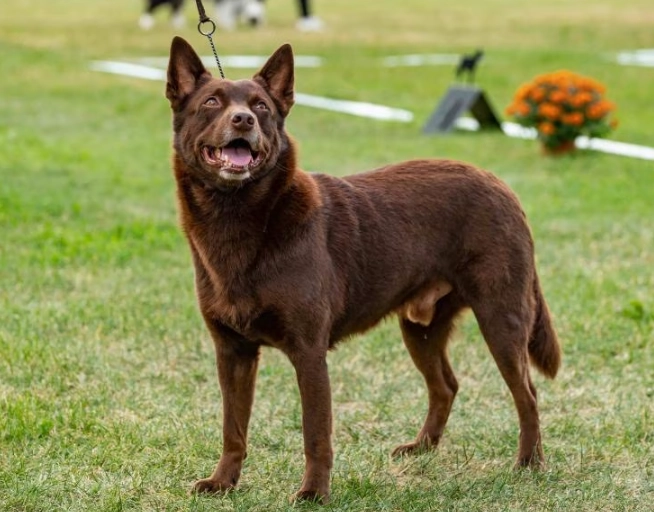
What Exactly Is an Australian Kelpie?
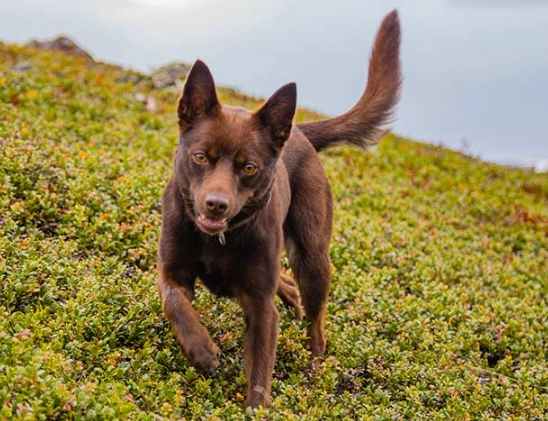
The Kelpie Personality: More Than Just Energy
The Good Stuff (The Really Good Stuff)
The Challenging Bits (You Need to Know These)
Living with a Kelpie: The Daily Reality Check
Exercise: It's Non-Negotiable
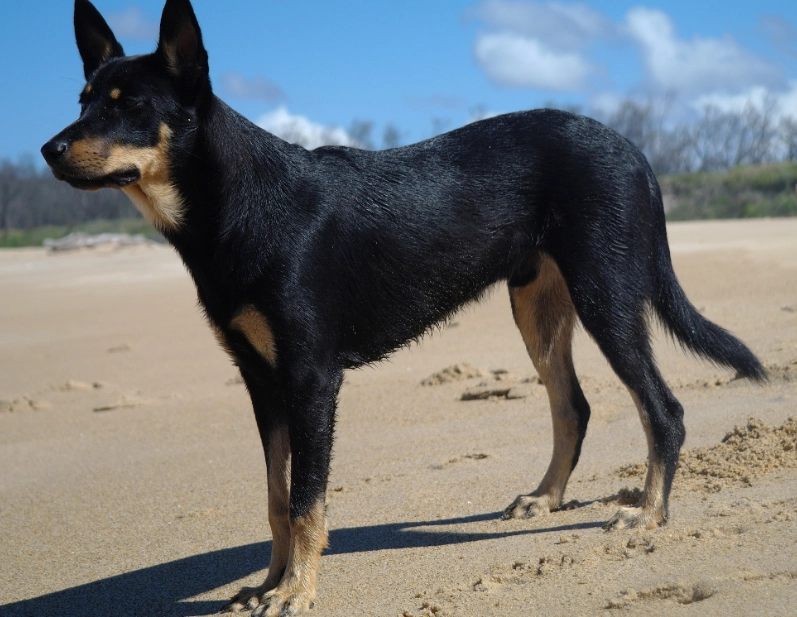
Training: Start Early, Be Consistent
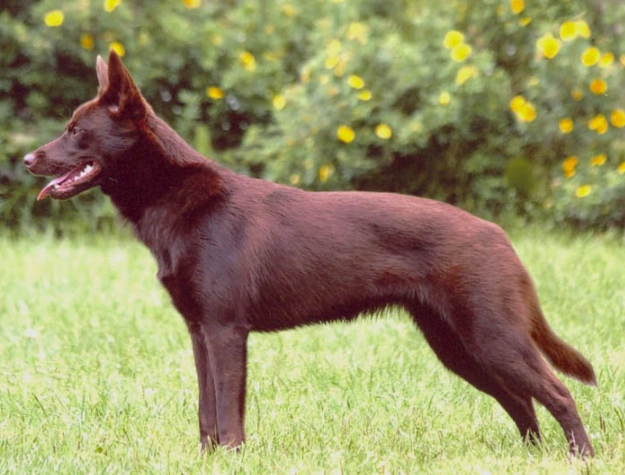
Grooming and Care: The Easy Part
Australian Kelpie Health: What to Watch For
Health Condition
Description
Prevention/Management
Cerebellar Abiotrophy (CA)
A progressive neurological disorder affecting coordination and balance. Symptoms usually appear in puppyhood.
Reputable breeders test parent dogs for the gene mutation. Ask for proof of clear genetic testing.
Hip Dysplasia
A malformation of the hip joint that can lead to arthritis and pain, though less common than in larger breeds.
OFA or PennHIP screening of breeding stock. Maintain a healthy weight and avoid forced high-impact exercise in puppies.
Progressive Retinal Atrophy (PRA)
A group of diseases causing gradual degeneration of the retina, leading to blindness.
Genetic testing is available for some forms. Annual vet eye exams can help monitor.
Cryptorchidism
When one or both testicles fail to descend into the scrotum. A common issue in the breed.
Requires surgical removal, as undescended testicles have a high cancer risk. This is often addressed during neutering.

Finding Your Australian Kelpie: Breeder vs. Rescue
Going Through a Reputable Breeder
Adoption or Rescue
Is an Australian Kelpie Right for YOU? The Final Checklist
Your Australian Kelpie Questions, Answered
Frequently Asked Questions
Wrapping It Up
Think of an Australian Kelpie not as a dog that needs a walk, but as a canine athlete and strategist that needs a daily mission. Their mind is always running, often faster than their four legs.
A common mistake is relying solely on physical exercise. You'll just create a super-fit, bored dog. An untrained, under-stimulated Kelpie is where the horror stories come from. The mental workout is what truly settles them.
Q: Are Australian Kelpies good family dogs?
A: They can be, for active families with older children who understand how to interact with a high-energy dog. They are loyal and protective of their family. However, their herding instinct can lead to them nipping at running toddlers, and their intensity can overwhelm young kids. Supervision and teaching both kids and dog boundaries are essential.
Q: How much do Australian Kelpies shed?
A: They are moderate shedders. They have a short double coat that "blows" or sheds more heavily twice a year during seasonal changes. Weekly brushing will keep most of the loose hair under control. They are not hypoallergenic.
Q: Can Australian Kelpies live in apartments?
A: It is possible, but it is one of the most challenging living situations for this breed. The owner must be fanatical about providing multiple, long, structured outings every single day. Without a yard to quickly burn a little steam, all exercise and bathroom needs must be met on leash, which is a huge time commitment. A bored Kelpie in an apartment will likely become a noisy, destructive neighbor.
Q: Are they easy to train?
A: Yes and no. They learn commands with astonishing speed—often in just a few repetitions. The challenge is that they are so smart they get bored with repetition, will try to outsmart you, and need the "why" behind a command. Training must be varied, positive, and engaging. Stubbornness is usually a sign of boredom or unclear communication.
Q: What's the difference between a Kelpie and an Australian Cattle Dog (Blue Heeler)?
A: Both are Australian working breeds, but with different specialties. Kelpies were bred to herd sheep over vast distances with a loose, eyeing style. Australian Cattle Dogs were bred to drive cattle over shorter distances, often by nipping at their heels. Cattle Dogs can be more intense, stubborn, and potentially sharper with strangers. Both are high-energy and brilliant, but their working styles and sometimes their personalities differ.
Q: Do they make good guard dogs?
A: They make excellent watchdogs. They are alert, wary of strangers, and will bark to alert you to anything unusual. However, they are not typically guard dogs in the sense of being aggressive or protective without cause. Their instinct is to observe and control movement (herd), not to attack.
Comment