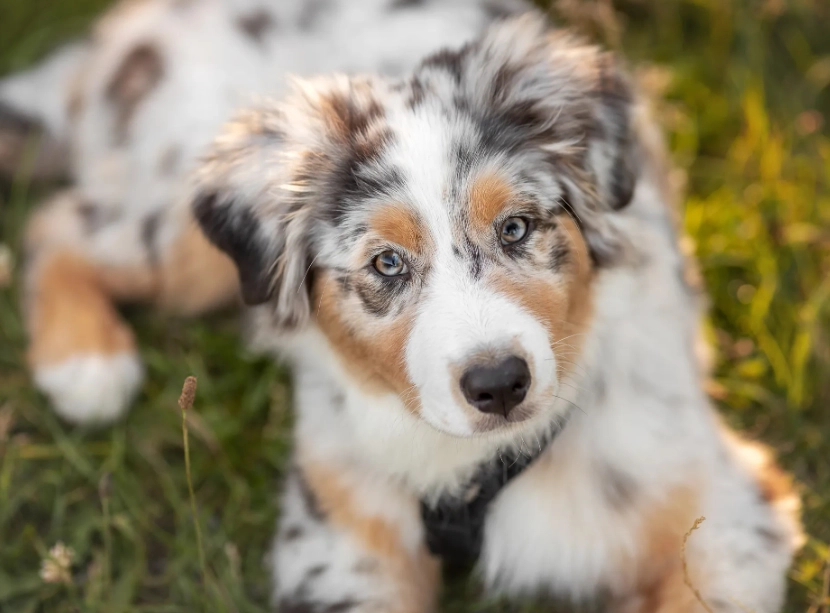
Let's be honest, the first thing that grabs you about an Australian Shepherd is that stunning coat. Those mesmerizing merle patterns, the intelligent eyes that seem to look right through you – they're showstoppers. I remember the first time I met a fully-grown Aussie at a local park. It wasn't just sitting there; it was working, intently watching its owner, ready for the next command while simultaneously keeping an eye on a stray soccer ball. That's the thing about this breed. The beauty is undeniable, but it's merely the packaging for a mind and body built for purpose. If you're here, you're probably past the "oh, what a beautiful dog" phase and are digging into the reality of life with an Australian Shepherd. Good. Because falling for the looks without understanding the drive is a one-way ticket to frustration for both you and the dog. This isn't a decorative pet. It's a legacy of ranches, cattle drives, and all-day work. That heritage doesn't just fade away because they're now sleeping on our couches. So, is an Australian Shepherd the right dog for you? That's the million-dollar question. This guide won't just list facts. We're going to walk through what it actually feels like to live with one. The joys, the challenges, the sheer amount of lint rollers you'll go through. We'll cover everything from their quirky history (spoiler: they're not really from Australia) to the nitty-gritty of daily care, training headaches, and health watch-outs. My aim is to give you the full, unvarnished picture. The name is the first myth. Despite what it says on the label, the Australian Shepherd's development is deeply rooted in the United States. During the 19th and early 20th centuries, Basque shepherds immigrated to the American West from Australia, bringing their herding dogs with them. American ranchers admired these dogs, bred them with other collie-type herding dogs already in the country, and the result was the agile, versatile, and incredibly smart dog we know today. The "Australian" tag just stuck from the dogs' point of origin on that particular journey. The American Kennel Club officially recognized the breed in 1993, which is relatively recent in the dog world. For the definitive breed standard, the American Kennel Club's Australian Shepherd page is the canonical source. What were they bred for? Not for show rings, but for long, grueling days on expansive ranches. They needed to be: This genetic job description is your key to understanding every single behavior of a modern Australian Shepherd. The barking, the chasing, the need for a job—it all traces back to the ranch. Describing an Australian Shepherd as "smart" is like describing the ocean as "wet." It's true, but it doesn't begin to capture the scale. We're talking about a frighteningly intelligent, problem-solving mind coupled with a relentless work ethic. It's a powerful, and sometimes exhausting, combination. They are famously loyal and often form an intense, almost velcro-like bond with one person in the family. This can be incredibly endearing, but it can also tip into separation anxiety if not managed properly. They want to be in the middle of whatever you're doing, whether it's cooking, working on the computer, or going to the bathroom. Privacy becomes a concept of the past. Then there's the herding instinct. It's not a choice for them; it's a hardwired imperative. This manifests in ways that can be charming or problematic: With strangers, they are often reserved and watchful. They're not typically the dog that will gleefully jump on every guest. They'll assess first, and once you're deemed okay by their person, they'll warm up. This wariness makes them excellent watchdogs—they'll always alert you to something unusual. But here's a personal gripe. Sometimes, their intelligence is a double-edged sword. A bored Australian Shepherd doesn't just chew a shoe. They figure out how to open the pantry, carefully remove the bag of treats, and then hide the evidence. They learn your routines so well they can anticipate your moves, which feels less like companionship and more like being outmaneuvered by a furry chess master. This depends entirely on your family's definition of "good." If you want a gentle, patient, perpetually placid nanny dog, look elsewhere (maybe a Newfoundland?). If you want an active, engaged, playful, and protective companion for an active family, you're on the right track. They often do well with other family pets, especially if raised with them. However, their strong prey drive can make cohabitation with cats, rabbits, or small rodents tricky unless they are very carefully socialized from puppyhood. The classic "small animal running" trigger is hard to override completely. This is where the rubber meets the road. Loving the idea of a dog is different from managing the day-to-day reality. An under-exercised Australian Shepherd is a recipe for disaster. We're not talking about a leisurely walk around the block. We're talking about a minimum of 60-90 minutes of vigorous, mentally engaging activity every single day. Rain, shine, or your long workday. What counts as good exercise? A monotonous jog might physically tire them, but their brain will still be buzzing. You need to combine the physical with the mental. That gorgeous double coat is a shedding machine. It's weather-resistant, with a softer undercoat and a coarser outer coat. They "blow" their undercoat twice a year (spring and fall), and during those periods, you will find tumbleweeds of fur no matter how much you vacuum. Weekly brushing is a must, moving to daily during shedding season. A good undercoat rake and a slicker brush are your best friends. Bathing is only needed every few months or when they get dirty. Over-bathing strips their natural oils. Don't forget regular nail trims, ear cleaning (their floppy ears can trap moisture), and dental care. A high-quality diet formulated for active, medium-to-large breeds is essential. The amount will vary wildly based on age, activity level, and metabolism. Aussies can be prone to obesity if they're fed too much and exercised too little—a cruel irony for such an athletic dog. Consult your vet to determine the right portion. Be wary of foods with too many fillers; you want a protein-rich diet to fuel their energy. The average Australian Shepherd lifespan is 12-15 years, which is pretty good for a dog their size. However, they are prone to certain genetic health conditions. Responsible breeders test for these. Always ask for health clearances for the puppy's parents. Regular vet check-ups, a good diet, and maintaining a healthy weight are your best tools for prevention and early detection. Training isn't optional. It's the essential framework for a peaceful life with this breed. The good news? They are incredibly eager to learn and aim to please. The bad news? They learn bad habits just as quickly as good ones. Start Early: Begin socialization and basic obedience the day you bring your puppy home. Expose them gently to all sorts of people, places, sounds, and other animals. A well-socialized Aussie is a more confident, adaptable dog. Use Positive Reinforcement: Harsh methods will backfire spectacularly with a sensitive, smart dog like this. Use treats, praise, toys, and play as rewards. Be consistent, patient, and clear. Key Commands to Master: Address problem behaviors like excessive barking or herding early. Redirect the behavior into something acceptable. For example, if they nip at heels during play, immediately stop the fun and give them a toy to carry instead. Consistency from every family member is key. More than you think. Seriously. At least one to two hours of dedicated, active time daily. A tired Aussie is a good Aussie. A bored Aussie will redesign your home. This is a tough one. I usually say no, not ideally. Their intelligence, energy, and sensitivity can be overwhelming for someone still learning basic dog ownership. They require an owner who is committed to being a leader, a trainer, and an activity director. If a first-time owner is exceptionally active, dedicated, and does all their homework (and maybe enrolls in obedience classes), it's possible. But there are easier breeds to start with. Yes. It's not a light sprinkle. It's a constant, moderate shed with two epic "coat blowouts" per year. Invest in a good vacuum and embrace the fur as part of your decor. It's possible, but it's incredibly challenging and not fair to the dog unless you are a super-committed owner. An apartment-dwelling Aussie needs multiple long walks, trips to the dog park, indoor mental games, and likely involvement in a dog sport with space to run. Without a yard to quickly burn off steam, the onus is entirely on you to meet their needs outside the home. The Miniature American Shepherd (recognized as a separate breed by the AKC) was bred down from smaller Australian Shepherds. They share the same general look, intelligence, and herding drive but in a smaller package (13-18 inches at the shoulder). They still require substantial exercise and mental stimulation. Think of them as an Aussie in a more compact, but equally energetic, form. They are not inherently aggressive. Their herding behavior (nipping, chasing) is often mistaken for aggression. However, their protective nature and wariness of strangers can lead to defensive aggression if they are not properly socialized, trained, or if they feel their family is threatened. This is why training and socialization are non-negotiable. Let's wrap this up with some straight talk. An Australian Shepherd is a fantastic fit for you if: You lead an extremely active, outdoorsy lifestyle (hiker, runner, biker, camper). You want a dog to participate in sports with. You have the time and patience for daily training and mental engagement. You understand and appreciate a strong-willed, intelligent companion. You have a home with space, or an ironclad commitment to providing activity elsewhere. Think long and hard if: You want a low-maintenance, couch-potato dog. You work long hours away from home. You have very young children and aren't prepared to manage intense herding behaviors. You are looking for a guard dog to be left in a yard (they'll bark, but they need to be with you). You get frustrated easily or aren't consistent. The Australian Shepherd is more than a pet; it's a lifestyle choice. They demand a lot, but for the right person or family, they give back infinitely more in loyalty, companionship, and sheer joy. They'll push you to be more active, more patient, and more engaged. They're not for everyone, but if you're the one they're meant for, there's truly no other dog like them. Do your research, meet some in person (not just puppies—talk to owners of adult Aussies!), and be brutally honest with yourself about your lifestyle. If it aligns, you might just gain the most amazing, furry, and endlessly fascinating partner you could ever imagine.Quick Guide
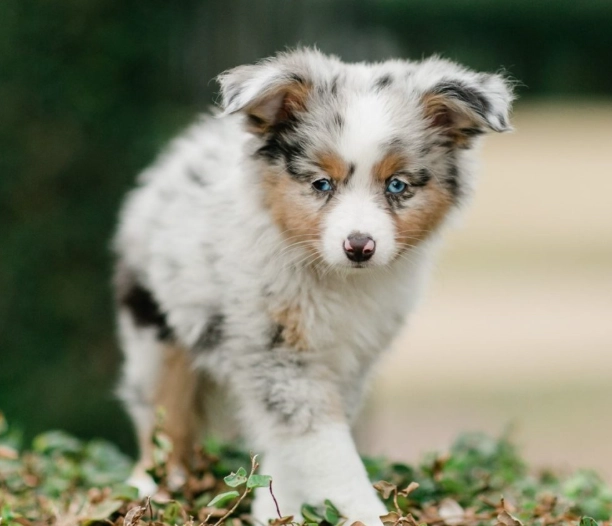
Australian Shepherd 101: Busting Myths and Understanding Origins
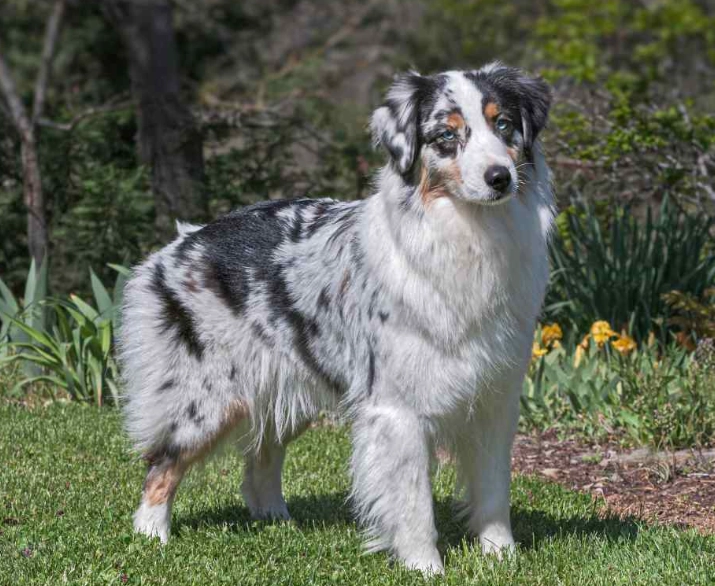
The Aussie Personality: A Brain That Never Powers Down

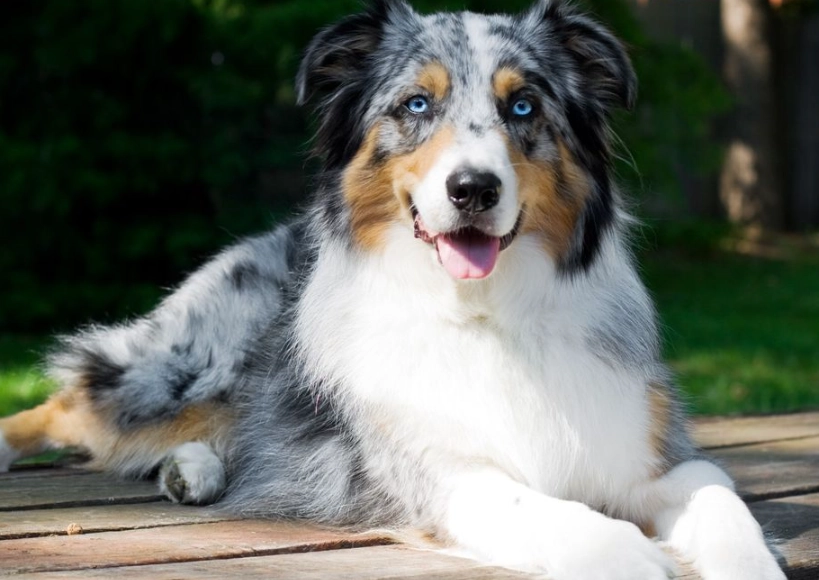
Is an Australian Shepherd a Good Family Dog?
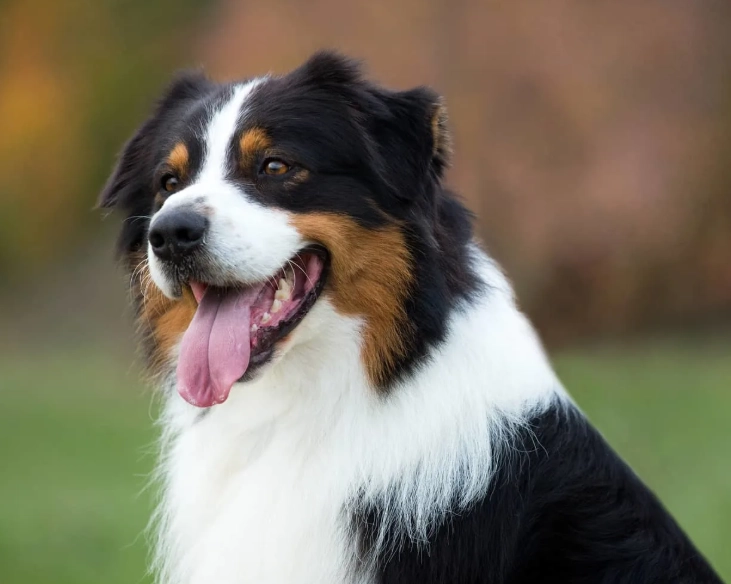
Living with an Aussie: The Daily Reality of Care
Exercise: Non-Negotiable and Creative
Aussie Age/Stage
Exercise & Mental Needs
Notes & Warnings
Puppy (2-6 months)
Short, frequent play sessions (5-15 mins). Focus on socialization and basic training. Mental puzzles.
Forced running/jumping is bad for developing joints. Let them play at their own pace.
Adolescent (6-18 months)
Energy peaks. 60+ mins of structured activity. Running, hiking, advanced training, dog sports.
This is when destructive behaviors emerge if needs aren't met. Crate training is a lifesaver.
Adult (2-7 years)
60-90 mins daily. Mix of physical (fetch, agility) and mental (obedience, nosework) work.
A consistent routine is key. They thrive on predictability and purpose.
Senior (8+ years)
Lower impact. Shorter walks, swimming, gentle play. Mental stimulation remains critical.
Watch for arthritis. Adjust activities based on vet advice. They still want to work!

Grooming: It's a Commitment
Diet and Nutrition
Health and Lifespan: What to Watch For
Training Your Australian Shepherd: Channeling the Brain
Australian Shepherd FAQs: Your Quick Questions Answered
How much exercise does an Australian Shepherd really need?
Are Australian Shepherds good for first-time dog owners?
Do Australian Shepherds shed a lot?
Can Australian Shepherds live in apartments?
What's the difference between a standard and a miniature Australian Shepherd?
Are Australian Shepherds aggressive?
The Final Verdict: Who Should (and Shouldn't) Get an Australian Shepherd
A quick heads-up: I'm writing this from the perspective of someone who's been around working breeds for years. I adore Aussies, but I've also seen them in shelters because someone bought a high-energy puppy for a low-energy apartment. Let's make sure that's not you.
I've seen an Aussie try to herd a group of toddlers by gently nudging their legs. The kids thought it was a game, the parents were mildly alarmed, and the dog was just supremely satisfied it had the little humans rounded up.
The Good: Aussies are incredibly playful and energetic. They can be wonderful with children who are old enough to understand how to interact respectfully with a dog. They'll join in on games of fetch, tag, and can be a child's loyal shadow. Their protective nature means they are deeply invested in their "pack's" safety.
The Caveats: That herding instinct doesn't discriminate. Young children running and screaming are prime targets for being nudged, nipped, or corralled. An Australian Shepherd's high energy can also be overwhelming for very small kids. Supervision is non-negotiable, and teaching both the dog and the children boundaries is crucial.
Comment