I remember the first time I met an Australian Silky Terrier at a local dog show. This little bundle of energy completely stole my heart with its confident strut and intelligent eyes. But what really makes these dogs tick? Are they the right fit for your home? Let's dive deep into the world of this fascinating breed. Sometimes called simply "Silky Terriers," these dogs are a unique Australian creation. They were developed in Sydney during the late 19th century by crossing Yorkshire Terriers with Australian Terriers. The goal? To create a dog that had the beauty of the Yorkie but maintained the rugged terrier spirit needed for Australian conditions. I've always found it interesting how they managed to balance elegance with toughness. The Australian Silky Terrier typically weighs between 8-10 pounds and stands about 9-10 inches tall. But don't let their small size fool you - they have personalities much larger than their physical stature suggests. The American Kennel Club officially recognized the breed in 1959, and they've been growing in popularity ever since. According to the AKC breed standard, these dogs should have a body that's "rather longer than tall" with a distinctive blue and tan coat that feels like, you guessed it, silk. If you're thinking about getting an Australian Silky Terrier, understanding their personality is crucial. These aren't your typical lap dogs, despite what their appearance might suggest. Australian Silky Terriers are known for being alert, curious, and surprisingly brave. They make excellent watchdogs because they'll bark to alert you of anything unusual. Some owners find the barking excessive, but with proper training, it's manageable. This is a common question I hear from potential owners. Australian Silky Terriers can be wonderful family pets, but there are some important considerations: I've seen Australian Silky Terriers thrive in families where they're treated as true companions rather than accessories. They want to be involved in everything you do! That beautiful coat doesn't maintain itself, unfortunately. Many people are drawn to the Australian Silky Terrier because of their stunning appearance, but few realize the commitment required. The grooming requirements are definitely more intensive than with some other breeds. I'll be honest - if you're not prepared for the daily brushing commitment, an Australian Silky Terrier might not be the best choice. Their hair mats easily, and once mats form, they're painful to remove. Here's some good news: Australian Silky Terriers are considered a low-shedding breed. Their hair is similar to human hair in that it grows continuously rather than shedding seasonally. This makes them a better choice for people with allergies, though no dog is truly hypoallergenic. Training any terrier can be... interesting. Australian Silky Terriers are intelligent and quick learners, but they also have that famous terrier stubbornness. I've found that they respond best to positive reinforcement methods. Early socialization is non-negotiable with this breed. Expose them to different people, places, and situations while they're young. This helps prevent the development of fear-based behaviors later in life. Many small dog breeds can be challenging to house train, and the Australian Silky Terrier is no exception. They have small bladders and may need more frequent bathroom breaks than larger dogs. Crate training can be particularly effective with this breed. I've noticed that Australian Silky Terriers are often cleaner than other small breeds - they don't typically like soiling their living space. This can work to your advantage during house training. Despite their small size, Australian Silky Terriers have decent energy levels. They're not as high-energy as some terrier breeds, but they definitely need regular exercise. What I love about Australian Silky Terriers is their adaptability. They're equally happy with a neighborhood walk or playing indoors on rainy days. They make excellent apartment dogs as long as their exercise needs are met. Like all purebred dogs, Australian Silky Terriers are prone to certain health conditions. Being aware of these potential issues can help you provide the best care for your dog. According to the Orthopedic Foundation for Animals, some common health concerns include: Reputable breeders will screen their breeding stock for these conditions. Always ask to see health clearances before purchasing a puppy. Australian Silky Terriers typically live 12-15 years, with some reaching even older ages. I've met several that were still active and healthy at 16! The key is proper care, regular veterinary check-ups, and maintaining a healthy weight. These dogs are surprisingly robust for their size. I've seen them keep up with much larger dogs during walks and play sessions. Feeding small breeds requires special consideration. Australian Silky Terriers need high-quality food formulated for small breeds. Their small jaws benefit from kibble sized appropriately for their mouths. Portion control is crucial with small breeds. It's easy to overfeed them, leading to obesity and related health problems. I always recommend measuring food rather than free-feeding. If you decide an Australian Silky Terrier is right for you, finding a responsible breeder is your most important task. Avoid pet stores and online marketplaces - these often source from puppy mills. Look for breeders who: Don't overlook adoption! While Australian Silky Terriers in rescue are less common than some breeds, they do become available. Breed-specific rescues sometimes have adults or older dogs needing homes. Adopting an adult Australian Silky Terrier has advantages - you know their adult size and personality. Many rescue dogs are already house trained and have basic manners. They can be, but there are better choices for complete beginners. Their grooming needs and occasional stubbornness might challenge novice owners. However, dedicated first-time owners who do their research can certainly succeed. Not particularly well, honestly. They're companion dogs who bond closely with their families. If you work long hours away from home, this might not be the right breed unless you can provide a dog walker or doggy daycare. With proper introduction and socialization, yes. However, their terrier heritage means they might have strong prey drives toward small animals like hamsters or birds. Early socialization with other dogs is important. They can be vocal, especially when alerting to visitors or unusual sounds. Training can help manage this, but if you need complete silence, consider a less vocal breed. While they share ancestry, Australian Silky Terriers are generally larger, have different body proportions, and their blue and tan coloring is distributed differently. Silky Terriers also tend to have more pronounced terrier characteristics. After years of observing and working with this breed, I've developed a real appreciation for Australian Silky Terriers. They're not for everyone, but for the right person or family, they're absolutely wonderful companions. These dogs thrive with owners who: If you're willing to put in the work, an Australian Silky Terrier will reward you with years of loyalty, entertainment, and companionship. They're truly special little dogs that punch well above their weight in terms of personality. Just remember - that beautiful silky coat comes with responsibility. But for many owners, the daily brushing sessions become cherished bonding time with their canine companion.In This Guide
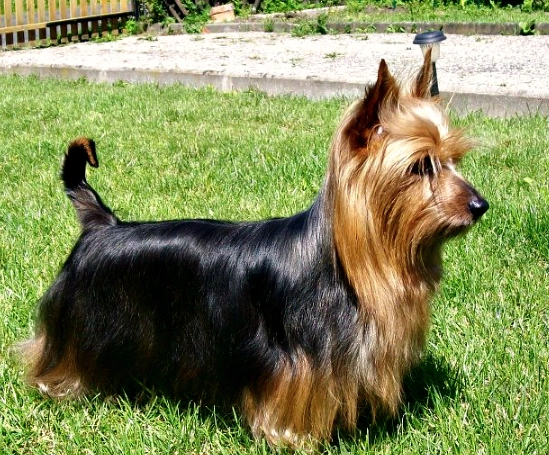
What Exactly is an Australian Silky Terrier?
Breed Recognition and Standards
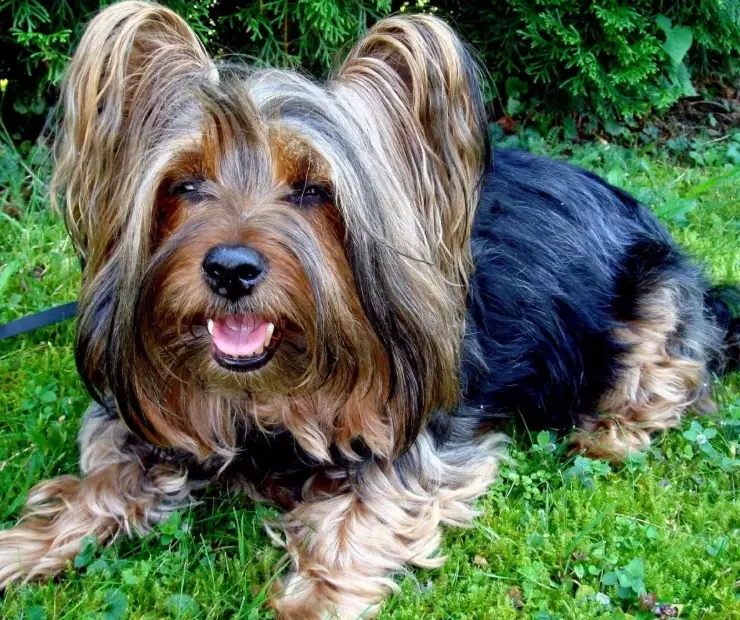
Australian Silky Terrier Personality: What to Really Expect
Are They Good Family Dogs?
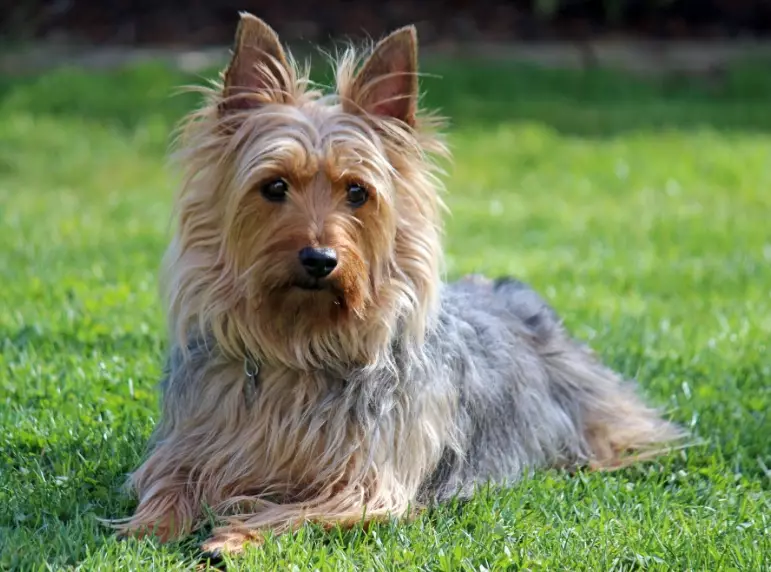
Grooming Your Australian Silky Terrier: The Real Story
Grooming Task Frequency Time Required Special Notes Brushing Daily 10-15 minutes Prevents matting - use a soft slicker brush Bathing Every 2-3 weeks 30 minutes Use gentle dog shampoo to protect coat Professional Grooming Every 6-8 weeks 1-2 hours Essential for maintaining coat health Nail Trimming Monthly 5 minutes Prevents foot problems Teeth Cleaning Daily 2-3 minutes Small breeds are prone to dental issues Dealing with Shedding
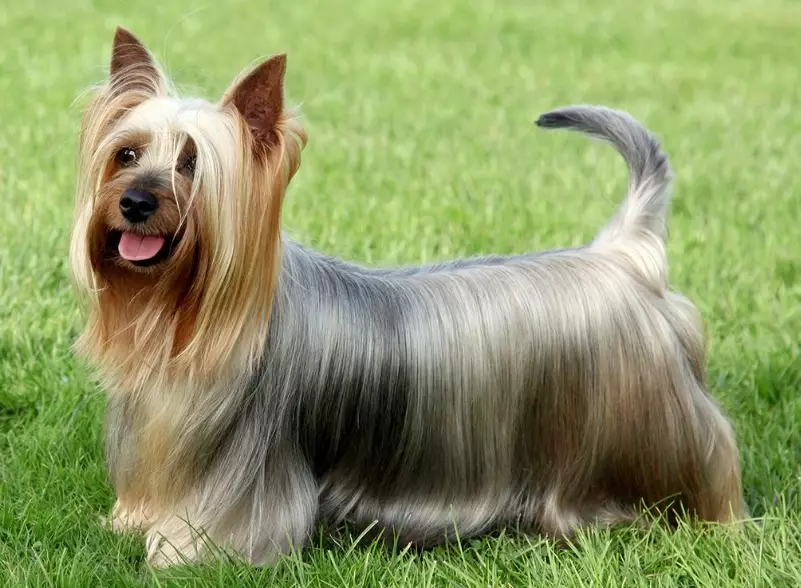
Training Your Australian Silky Terrier: Challenges and Solutions
House Training Considerations
Exercise Needs: How Much is Enough?
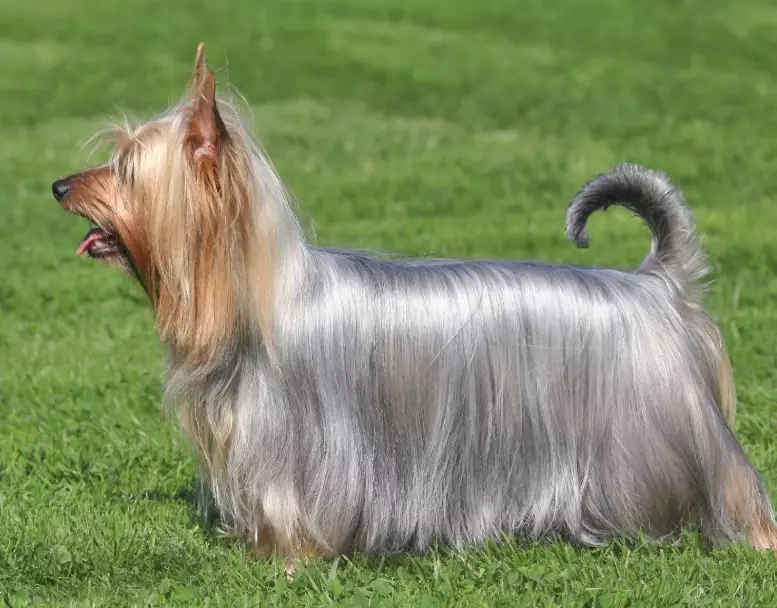
Daily Exercise Requirements:
Health Considerations for Australian Silky Terriers
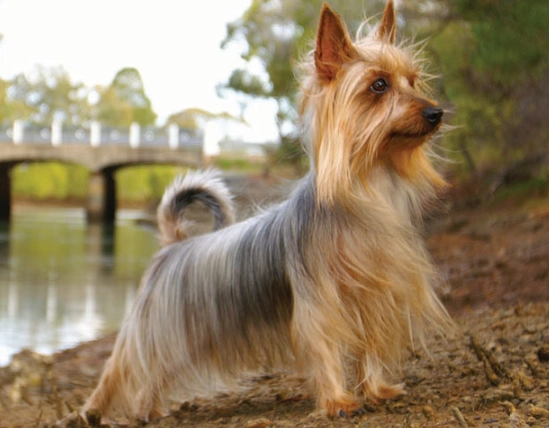
Lifespan and Quality of Life
Nutrition: Feeding Your Australian Silky Terrier
Age Daily Food Amount Feeding Frequency Special Considerations Puppy (2-6 months) 1/4 - 1/2 cup 3-4 times daily High-quality puppy formula essential Adult (1-7 years) 1/2 - 3/4 cup 2 times daily Monitor weight carefully Senior (7+ years) 1/2 cup 2 times daily May need senior formula Finding a Reputable Australian Silky Terrier Breeder
Australian Silky Terrier Rescue: Adoption Option
Common Questions About Australian Silky Terriers
Are Australian Silky Terriers good for first-time dog owners?
How do Australian Silky Terriers handle being alone?
Do Australian Silky Terriers get along with other pets?
Are they excessive barkers?
What's the difference between Australian Silky Terriers and Yorkshire Terriers?
Final Thoughts: Is an Australian Silky Terrier Right for You?
Quick Fact: Despite their elegant appearance, Australian Silky Terriers are true terriers at heart - bold, curious, and always ready for adventure.
From Experience: My friend's Silky Terrier, Baxter, once spent twenty minutes trying to "rescue" a sock from under the couch. That's terrier determination for you!
Common Mistake: Yelling or using harsh corrections with an Australian Silky Terrier usually backfires. They respond much better to patience and consistency.
I can't stress this enough: visit the breeder in person. See where the puppies are raised, meet the parent dogs, and ask plenty of questions. A good breeder will have just as many questions for you!
Last Thought: The best Australian Silky Terrier owners see beyond the beautiful coat to appreciate the spirited, intelligent dog underneath. It's this combination of beauty and brains that makes them so special.
Comment