So you're thinking about an Australian Stumpy Tail Cattle Dog. Let's be honest, you've probably seen a picture of one with that signature nub of a tail and that intense, focused gaze, and it sparked something. Maybe you're an active person looking for a partner, or maybe you've heard about their legendary toughness and intelligence. Whatever brought you here, you're in the right place. This isn't just a breed summary—it's a deep dive from someone who's spent real time understanding what makes these dogs tick. They're not for everyone, and I'm not going to sugarcoat that. But for the right person? They're absolutely incredible. I remember the first time I met a proper Stumpy. It wasn't at a show; it was on a friend's farm. This dog was pure business. It wasn't barking or running in circles. It was just... watching. Its eyes missed nothing. That's the essence of this breed. They're often confused with the Australian Cattle Dog (the "Heeler"), but they're a distinct breed with their own story, their own look, and their own quirks. The Australian Stumpy Tail Cattle Dog is a legacy of early Australian settlers, bred for one purpose: to work cattle in the harshest conditions imaginable. That heritage isn't just history; it's written into every fiber of their being today. To understand the Stumpy, you have to go back to the early 1800s in Australia. Settlers needed a dog that could handle massive, semi-wild cattle in brutal heat across endless distances. The native Dingo was already a master of the environment—tough, resilient, and cunning. Early breeders (like the famous Timmins family) crossed Dingos with smooth-coated blue merle Collies from North England. The goal was simple: combine the Dingo's survival skills with the herding instinct and a quieter working style. The result was the Halls Heeler. From these dogs, two lines diverged. One line, involving Dalmatian and Kelpie crosses, led to the Australian Cattle Dog. The other line, focused on refining the original Dingo-Collie mix and selecting for the natural bobtail, gave us the Australian Stumpy Tail Cattle Dog. That natural bobtail wasn't just for looks; it was a practical feature to prevent injury from cattle kicks and getting caught in brush. The breed was developed by practicality, not for the show ring. For decades, they were the unsung heroes of the Australian outback. It's a working legacy that's hard to overstate. The Australian National Kennel Council (ANKC) provides a detailed breed standard that still emphasizes their working ability above all else. Key Takeaway: The Stumpy isn't a "tailless Heeler." It's an older, purer derivation from the original working dogs, with the Dingo influence often more pronounced. They were built for endurance and independence in a way few modern breeds were. Okay, let's get the obvious out of the way. The tail. Or lack thereof. The breed's name is the biggest clue. The tail is a natural bob, ideally not exceeding 10 cm (4 inches) in length. It's not docked; they're born with it. It's a defining feature, but there's so much more to them. They're a bit leaner and more squared-off than the Australian Cattle Dog. Think athlete versus stocky powerhouse. They have a keen, alert expression that can switch from thoughtful to laser-focused in a second. Their coat is dense, straight, and medium-short with a close undercoat. It's weather-resistant—a must for their origins. Colors come in two patterns: blue (which can range from a dark blue to a mottled or speckled look, sometimes with black markings on the head) and red (a fine pepper-and-salt mix of red and white hairs, sometimes with darker red markings). No large patches of white, just ticking and speckles. Here’s a quick table to clear up the common confusion between the Stumpy and the Australian Cattle Dog (Heeler). Seeing them side-by-side helps. See? Different dogs. Knowing this helps set your expectations straight from the start. This is where people get it right or terribly wrong. If you want a dog that's content to lounge all day and just be a fuzzy pillow, stop reading now. Seriously. An Australian Stumpy Tail Cattle Dog is a thinking dog with a job-oriented brain that's always running. They form incredibly deep, loyal bonds with their family, but they're often wary of strangers. It's not aggression; it's a reserved, wait-and-see attitude. They need to assess the situation. Their intelligence is off the charts. But it's a practical, problem-solving intelligence. This can backfire. A bored Stumpy won't just chew your slippers; they'll figure out how to open the pantry door, unscrew the lid off a treat jar, or herd your children (or cats) into a corner. They need a job. Every single day. Let's talk about energy. Saying they are "high energy" is like saying the ocean is damp. It's an understatement. This isn't just a dog that needs a 30-minute walk. This is a dog bred to run 50 miles a day in the outback. They have two gears: full throttle and asleep. If you're not providing a structured outlet for that drive—through running, biking, advanced obedience, agility, herding trials, or serious hiking—you are asking for behavioral problems. They are not a good fit for apartment living unless you are an extreme athlete with a very specific plan. My Honest Take: The biggest mistake prospective owners make is underestimating the mental and physical needs of this breed. They see a handsome, medium-sized dog and think "active family pet." Without proper direction, all that brilliance and energy turns inward and becomes anxiety, destructiveness, or obsessive behaviors. It's not the dog's fault; it's a mismatch of lifestyle. With other dogs, they can be selective. They often do best as the only dog or with a very well-matched, equally robust playmate. Their herding instinct is strong, so they might nip at running children or cyclists. Early, consistent socialization is non-negotiable, but it won't erase their core instincts. It just helps them manage the modern world. Training a Stumpy is a unique experience. They learn commands in three repetitions. The challenge isn't getting them to learn; it's keeping them engaged and convincing them that your idea is better than theirs. They have an independent streak a mile wide, courtesy of the Dingo. Positive reinforcement is the only way that works long-term. Harsh methods will make them shut down or become resentful. You need to be creative. Mix up training sessions. Turn everything into a game or a puzzle. Use their food in treat-dispensing toys instead of a bowl. Nosework, trick training, and advanced skills are where they excel. Basic obedience is just the starting line. The key is establishing yourself as a fair, consistent, and interesting leader. They respect competence. Here’s what a good week for a Stumpy might look like: Without this, you will see the negative behaviors emerge. It's not a recommendation; it's a requirement. This is the easy part! Their coat is low-maintenance. A good brush with a slicker or undercoat rake once a week is plenty to remove loose hair. They shed, sure—especially during seasonal changes—but it's manageable. They're naturally clean dogs with little to no "doggy" odor. Baths are only needed when they get genuinely dirty. Check their ears regularly, keep their nails trimmed, and that's about it. Australian Stumpy Tail Cattle Dogs are generally a robust, healthy breed—a testament to their working origins. A responsible breeder will test their stock for known issues. Their typical lifespan is 12 to 15 years, and many live active lives well into their teens. That said, like all breeds, they have some predispositions. Being informed is part of being a good owner. Always, always ask a breeder for proof of health testing, not just vet checks. Reputable breeders are proud to share this. Organizations like the Orthopedic Foundation for Animals (OFA) and the Australian Stumpy Tail Cattle Dog Club of America are good resources for understanding these health protocols. My personal vet once remarked that the Stumpies she sees are usually there for injuries from their adventures, not chronic illnesses. That says a lot about their fundamental hardiness. This is a rare breed, especially outside of Australia. That means you need patience and diligence. Going through a Breeder: Expect to be on a waiting list. A good breeder will interview you as much as you interview them. They should ask about your lifestyle, your experience with working breeds, and your plans for the dog. They should invite you to meet their dogs (or at least see videos), show you health clearances, and have a contract that includes a take-back clause at any point in the dog's life. Be wary of anyone who has puppies "available now" all the time or who doesn't ask you any questions. The breed club, like the Stumpy Tail Cattle Dog Club of America, is the best place to start for breeder referrals. Rescue and Adoption: It's less common, but Australian Stumpy Tail Cattle Dogs and mixes do end up in shelters or breed-specific rescues. Often, this happens because an unprepared owner was overwhelmed by the dog's needs. Adopting a Stumpy can be incredibly rewarding, but it requires even more commitment. You may be dealing with an adult dog with established habits or potential behavioral issues from a lack of proper stimulation. Rescue groups can provide valuable insight into a specific dog's personality. It's a path for experienced dog owners who are ready for a project. Let's tackle some of the specific questions people type into Google about the Australian Stumpy Tail Cattle Dog. Writing this, I keep thinking about that dog on the farm. There was a quiet dignity to it, a self-assuredness that didn't need validation. The Australian Stumpy Tail Cattle Dog isn't a dog that lives to please you in the slavish way some breeds do. They live to work with you. They are a partner. So, who is the ideal owner? If that sounds like you, then diving deeper into the world of the Australian Stumpy Tail Cattle Dog could lead to one of the most rewarding relationships of your life. Start by connecting with the breed club, talking to multiple owners, and maybe even volunteering to help at a herding or agility trial to see them in action. Do your homework. This dog deserves that much. And if you realized this breed is more than you can handle? That's okay too. Recognizing that is the mark of a responsible dog lover. There are plenty of wonderful breeds out there that might be a better fit. The goal is a happy dog and a happy human. For the right person, the Stumpy delivers that in spades.In This Guide
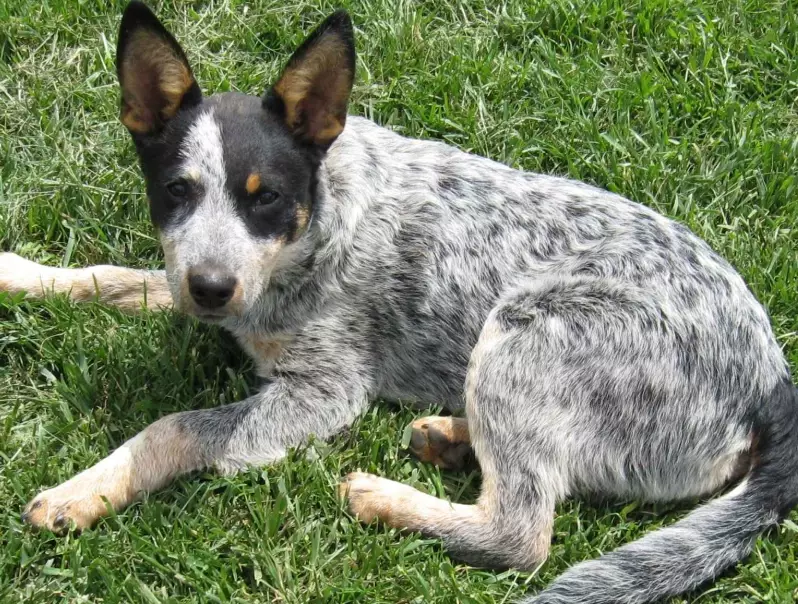
Where Did This Dog Come From? A Tough Beginning
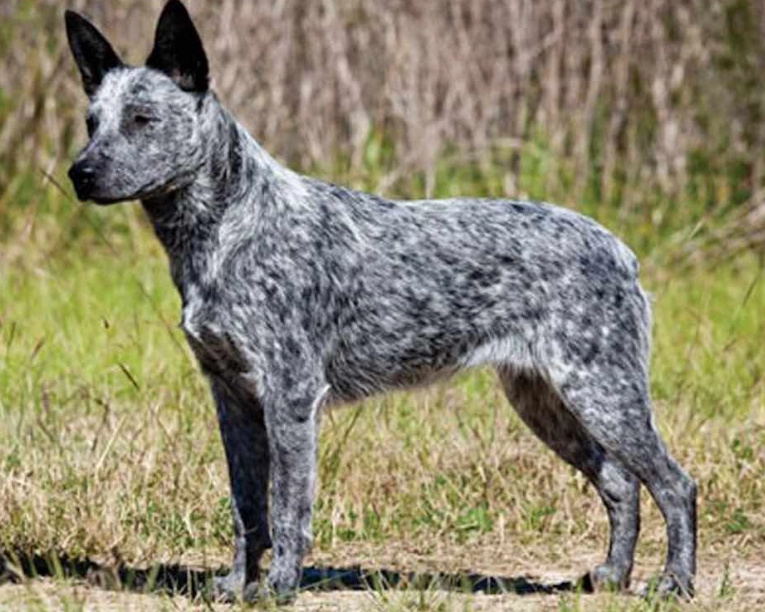
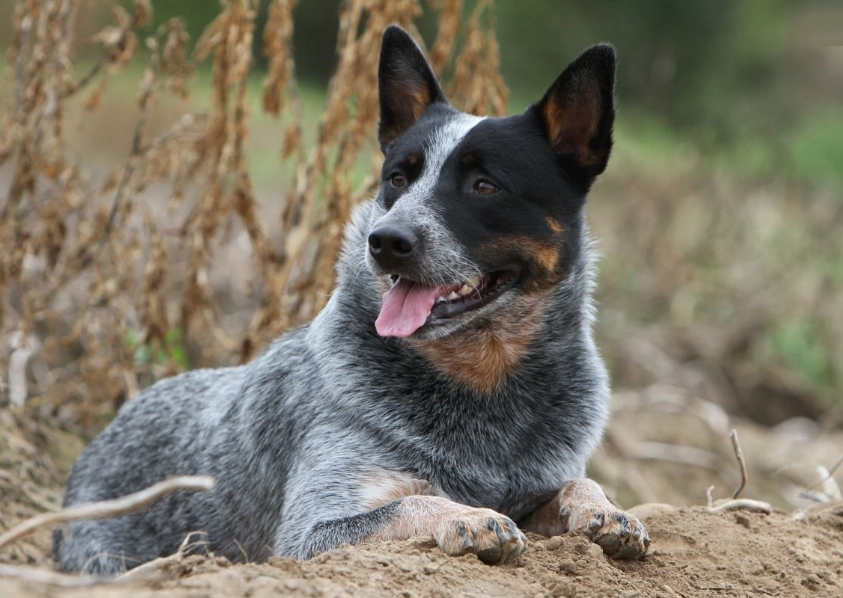
What Does an Australian Stumpy Tail Cattle Dog Actually Look Like?
Feature
Australian Stumpy Tail Cattle Dog
Australian Cattle Dog (Blue/Red Heeler)
Tail
Natural bobtail (born with it)
Full, long tail (often with a white tip)
Build
More square, leggier, lighter frame
More stocky, muscular, and compact
Head
Wedge-shaped, skull tapering to muzzle
Broader skull, more pronounced stop
Coat Color Genetics
Blue or Red, no Dalmatian cross in history
Blue or Red, Dalmatian influence present
General Demeanor
Often described as slightly more reserved, independent
Often described as slightly more outgoing, eager to please
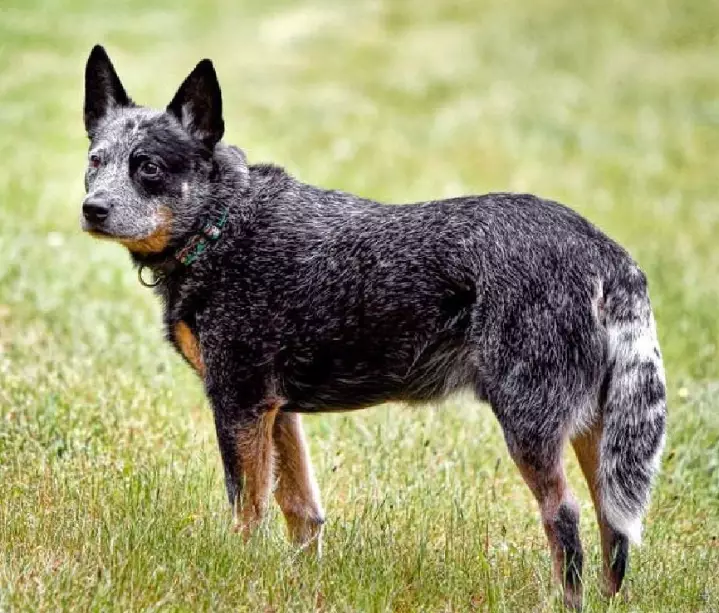
The Stumpy Personality: Not Your Average Couch Companion
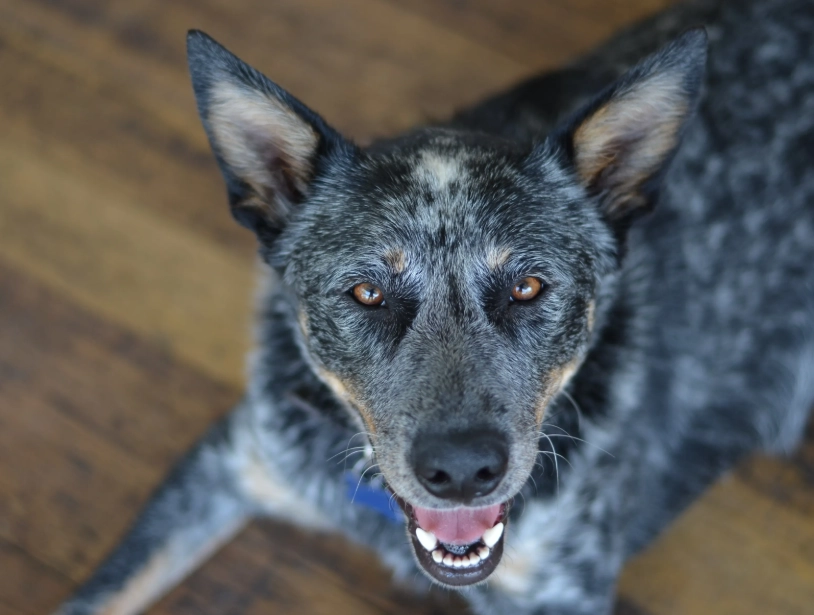
Living with a Stumpy: The Daily Reality
Training Your Australian Stumpy Tail Cattle Dog
Exercise Needs: Non-Negotiable
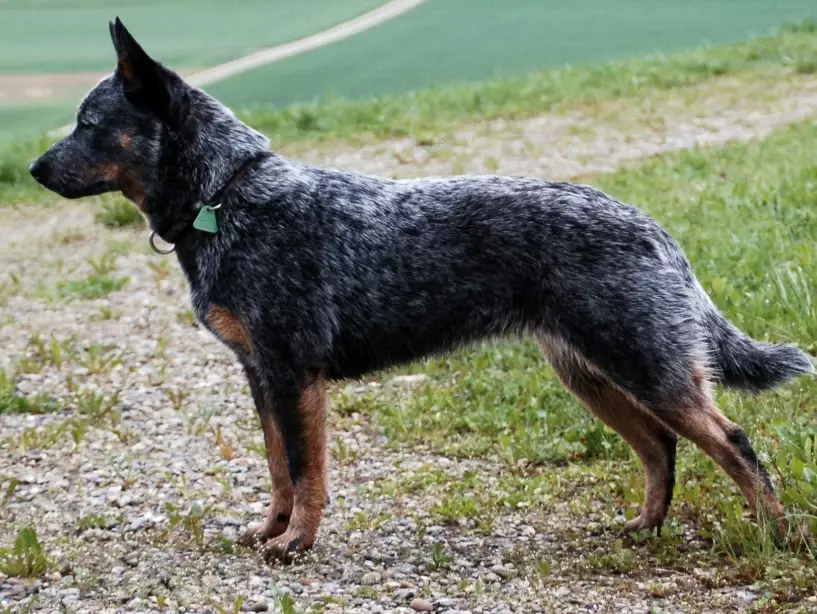
Grooming and Shedding
Health and Lifespan: What to Watch For
Health Condition
Description
What Responsible Breeders Do
Progressive Retinal Atrophy (PRA)
A group of diseases causing gradual retinal degeneration, leading to blindness.
DNA test breeding dogs to avoid producing affected puppies.
Hip Dysplasia
Malformation of the hip joint that can lead to arthritis and pain.
Submit X-rays for scoring by official bodies like the Orthopedic Foundation for Animals (OFA).
Deafness
Congenital deafness, often associated with white pigmentation on the head.
BAER (Brainstem Auditory Evoked Response) test puppies to identify hearing status.
Primary Lens Luxation (PLL)
A painful condition where the lens of the eye becomes displaced.
DNA testing is available to identify carriers.
Finding an Australian Stumpy Tail Cattle Dog: Breeder or Rescue?
Answers to Your Burning Questions (FAQ)
Final Thoughts: Is This the Dog for You?
Are Australian Stumpy Tail Cattle Dogs good family dogs?
They can be, but with major caveats. They are loyal and protective of "their" children if raised with them. However, their high energy and herding instincts (like nipping at heels) mean they are not ideal for families with very young, unpredictable toddlers. They do best with older, respectful children who can participate in their training and exercise. Supervised interaction is always a must.
How much does an Australian Stumpy Tail Cattle Dog puppy cost?
From a reputable, health-testing breeder, expect a range of $1,500 to $3,000 USD, sometimes more. The price reflects the health testing, care put into the litter, and the rarity of the breed. A price that seems "too good to be true" almost always is and may come with hidden costs in vet bills and heartache later.
Can an Australian Stumpy Tail Cattle Dog live in an apartment?
I would strongly advise against it, unless you are an absolute exception. The apartment itself isn't the problem; it's the lifestyle it usually implies. If you live in an apartment but are a marathon runner who works from home and can provide multiple hours of intense activity and mental work daily, then maybe. For the average apartment dweller, it's a recipe for a stressed dog and frustrated neighbors.
Are they aggressive?
Not inherently. They are alert, reserved, and protective. Without proper socialization and training, their wariness of strangers can develop into fear-based reactivity. With a responsible owner who provides guidance, they are typically stable and confident. They are more likely to give a warning than to seek a conflict.
What's the difference between a Stumpy and an Australian Shepherd?
Completely different breeds from different continents! Australian Shepherds were developed in the US (despite the name) from European herding stock. They have long, flowing coats, come in more colors (merle patterns), and have a full tail (often docked). Their temperament is often more exuberant and overtly friendly. The Stumpy is more primal, more reserved, and built for heat and endurance.
Do Australian Stumpy Tail Cattle Dogs bark a lot?
They are not excessive, nuisance barkers. They are more likely to use a single, sharp bark to alert you to something unusual. However, a bored or under-exercised Stumpy may develop barking out of frustration.
Comment