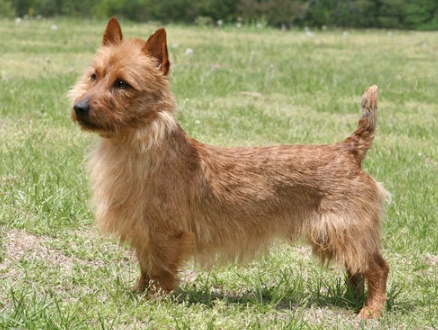
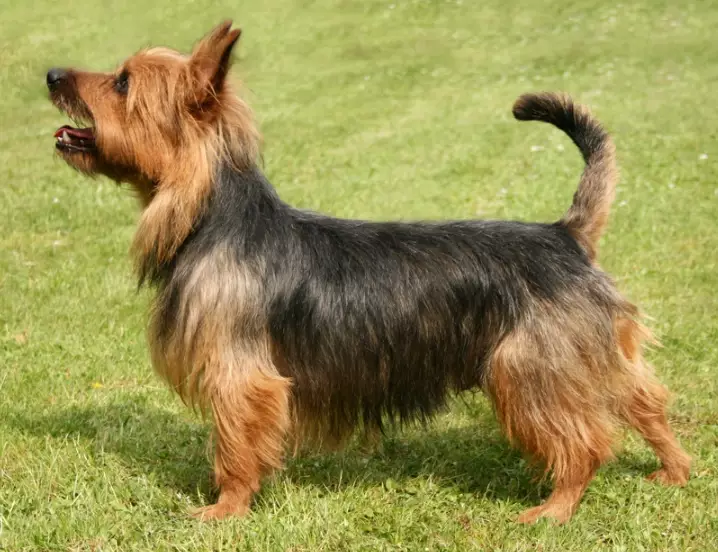
I still remember the first time I met an Australian Terrier. This little guy was sitting proudly at a dog park, watching everything with this intense, intelligent gaze that just screamed "I'm in charge here." And you know what? Every other dog seemed to agree. There's something special about these Australian natives that goes beyond their compact size and rugged appearance. Australian Terriers might not be as famous as some other terrier breeds, but once you get to know them, you'll understand why their owners are so passionate about them. They're like the hidden gem of the terrier world - packed with personality in a small, manageable package. Size: 10-11 inches tall, 14-16 pounds Let's get straight to what everyone wants to know - what's it actually like living with one of these dogs? I've had the pleasure of knowing several Australian Terriers through friends and local dog groups, and they consistently surprise me with their unique blend of traits. They're not your typical yappy small dog. Australian Terriers have this quiet confidence that's really appealing. They're alert and will definitely let you know when someone's at the door, but they're not constantly barking like some small breeds tend to do. These dogs were bred to be workers - originally used for controlling rodents and snakes on Australian farms. That working heritage shines through in their personality. They're intelligent, independent thinkers who need mental stimulation as much as physical exercise. I've noticed Australian Terriers have this wonderful balance of being affectionate with their families while maintaining that classic terrier independence. They'll happily curl up with you on the couch, but they don't have that needy, velcro-dog quality some breeds develop. Now, let's talk about the practical stuff. How much work is an Australian Terrier really? I've seen people underestimate their care needs because of their size, and that's a mistake. The grooming requirements for an Australian Terrier are moderate but specific. That wiry coat doesn't shed much, which is great for people with allergies, but it does require regular maintenance. You're looking at brushing 2-3 times a week and professional grooming every 6-8 weeks if you want to maintain that proper terrier look. Many Australian Terrier owners learn to do basic stripping themselves. It's not as hard as it looks, and it helps maintain the coat's weather-resistant qualities. The American Kennel Club has excellent resources on proper terrier coat maintenance that are worth checking out. These may be small dogs, but they have decent energy levels. A quick walk around the block won't cut it. Australian Terriers need about 30-45 minutes of exercise daily, plus mental stimulation. They excel at dog sports like agility and earthdog trials. I've seen Australian Terriers who become destructive when under-exercised. They're smart dogs who need jobs to do. Puzzle toys, training sessions, and varied walking routes can help keep them engaged. Training an Australian Terrier can be both rewarding and challenging. They're smart - sometimes too smart for their own good. I've watched these dogs figure out puzzle toys in minutes that stumped other breeds for much longer. The key is making training fun and varied. Australian Terriers get bored with repetition quickly. Positive reinforcement works best - they respond well to food rewards, praise, and play. Harsh training methods will backfire with this sensitive breed. Australian Terriers can be stubborn about house training. Consistency is crucial. They also have strong prey drives, so reliable recall is essential for off-leash activities. Early socialization is non-negotiable for this breed. Proper socialization makes or breaks an Australian Terrier's temperament. They need positive exposure to different people, dogs, sounds, and environments during their critical socialization period (8-16 weeks) and throughout their lives. I've noticed well-socialized Australian Terriers are confident and adaptable, while under-socialized ones can become timid or reactive. Puppy classes are worth every penny for this breed. Overall, Australian Terriers are a pretty healthy breed. They typically live 12-15 years, which is good for a dog their size. But like all purebred dogs, they have some health issues to watch for. Responsible breeders screen for conditions like patellar luxation, diabetes, and certain allergies. The Australian Terrier Club of America maintains health databases that reputable breeders contribute to. I always recommend getting health clearances from breeders. It's not a guarantee, but it significantly reduces risks. Regular vet check-ups and maintaining a healthy weight go a long way in keeping your Australian Terrier healthy. While generally healthy, Australian Terriers are prone to certain conditions. Being aware of these helps with early detection and treatment. This is the million-dollar question. Australian Terriers are wonderful dogs, but they're not for everyone. Their intelligence and energy mean they need engaged owners. They tend to do best with owners who appreciate terrier personalities - people who don't mind a bit of independence and who enjoy training and activities with their dogs. They're not typically recommended for first-time dog owners unless those owners are prepared to put in the work. Australian Terriers generally do well in apartments if their exercise needs are met, but they appreciate access to a secure yard. They're adaptable to various living situations as long as they're with their people. Active families or individuals who enjoy outdoor activities are ideal. They're great hiking companions despite their size. Families with older children do well - Australian Terriers are patient but may be overwhelmed by very young children. If you've decided an Australian Terrier is for you, finding a good breeder is crucial. I can't stress this enough - avoid pet stores and backyard breeders. Reputable breeders health test their dogs, raise puppies in home environments, and take back dogs if owners can't keep them. They're resources throughout the dog's life. The Australian Terrier Club of America breeder referral is a good starting point. Expect to pay $1,500-$2,500 for a well-bred puppy from health-tested parents. Good breeders often have waiting lists, which is actually a good sign - it means they're not mass-producing puppies. When talking to breeders, don't be shy about asking questions. Good breeders will appreciate your diligence. Adoption is another wonderful option. Australian Terrier rescues occasionally have dogs available. These are often adults whose personalities are already established, which can be great for first-time owners. Rescue dogs may come with some baggage, but they're incredibly rewarding. The adoption process typically includes vet checks, temperament testing, and matching dogs with appropriate homes. I've known several rescued Australian Terriers who became wonderful family pets. Their adaptability always impresses me. It depends. They generally do well with dogs if properly socialized, but their high prey drive means caution with small animals like cats, rabbits, or rodents. Early introduction and supervision are key. Some Australian Terriers live peacefully with cat siblings, while others never overcome the chase instinct. More than you might think. That wiry coat needs regular brushing to prevent matting, and most owners opt for professional grooming every 6-8 weeks. Hand-stripping maintains coat texture but clipping is easier for pet owners. Regular nail trims, teeth brushing, and ear cleaning are also important. They're intelligent and learn quickly, but their independent streak can make training challenging. Consistency and positive methods work best. They excel at obedience, agility, and other dog sports when trained properly. Early puppy classes are highly recommended. They're alert dogs who will bark to notify you of visitors or unusual occurrences, but they're not typically excessive barkers. Proper training can manage barking behavior. They're quieter than many other terrier breeds, which is nice for apartment living. They bond closely with their families and can develop separation anxiety if left alone too much. Crate training helps, but they shouldn't be left alone for extended periods regularly. They do best in homes where someone is around much of the day. Australian Terriers are these incredible little packages of personality and intelligence. They're more than just cute faces - they're capable, intelligent companions who thrive with proper care and training. Are they the easiest breed? No. But for the right owner, they're absolutely worth the effort. There's something special about the bond you form with a dog that has this much character and intelligence. If you're considering an Australian Terrier, spend time with the breed first. Meet some at dog shows or through breed clubs. Talk to owners about the realities of living with them. The more you know, the better prepared you'll be for life with one of these remarkable little dogs. They may be small, but Australian Terriers leave a big impression. And once you've lived with one, you'll understand why their owners are so devoted to this special breed from down under.Explore This Breed Guide
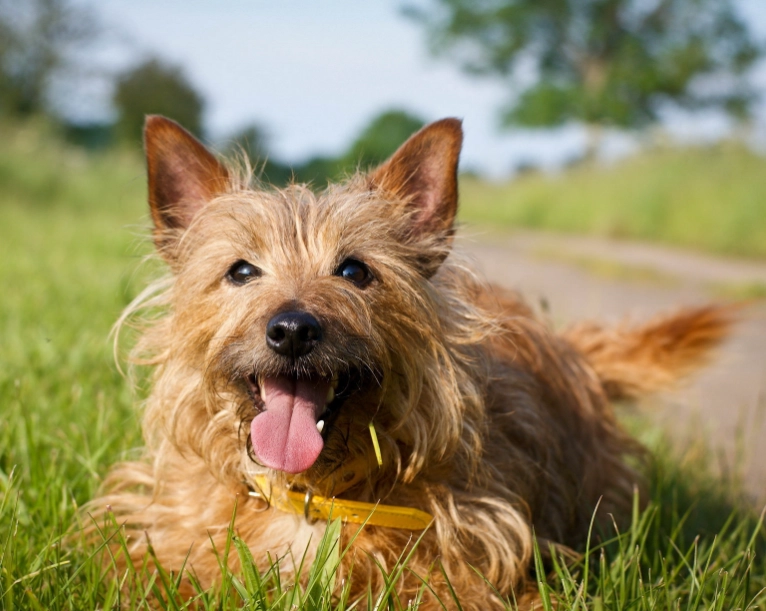
Australian Terrier at a Glance
Lifespan: 12-15 years
Energy Level: Moderate to high
Coat: Wiry, weather-resistant double coat
Origin: Australia (obviously!)What Makes Australian Terriers So Special?

The Australian Terrier Personality: More Than Just Cute
Key Personality Traits
Australian Terrier Care Requirements

Grooming Tip
Exercise Needs: More Than a Walk Around the Block
Activity
Frequency
Duration
Benefits
Daily Walks
1-2 times daily
20-30 minutes
Physical exercise, mental stimulation
Play Sessions
Daily
15-20 minutes
Bonding, mental exercise
Training
3-4 times weekly
10-15 minutes
Mental stimulation, obedience
Dog Sports
Weekly
30-60 minutes
Channel energy, build confidence
Training Your Australian Terrier

Common Training Challenges
Socialization: Start Early, Continue Often
Health Considerations for Australian Terriers
Common Health Issues
Is an Australian Terrier Right for You?

Finding a Responsible Australian Terrier Breeder
Questions to Ask Breeders
Australian Terrier Rescue Considerations
Common Questions About Australian Terriers
Final Thoughts on Australian Terriers
One Australian Terrier owner told me, "People see his size and think he's a delicate lap dog. Then they see him confidently navigating rocky hiking trails and realize he's tougher than he looks."
My friend's Australian Terrier developed diabetes at age 10. With proper management and insulin, he lived happily to 14. It was work, but completely manageable with veterinary guidance.
What type of family is best suited for an Australian Terrier?
Rescue isn't for everyone, but it's worth considering.
Are Australian Terriers good with other pets?
How much grooming do Australian Terriers really need?
Are Australian Terriers easy to train?
Do Australian Terriers bark a lot?
How do Australian Terriers handle being alone?
Comment