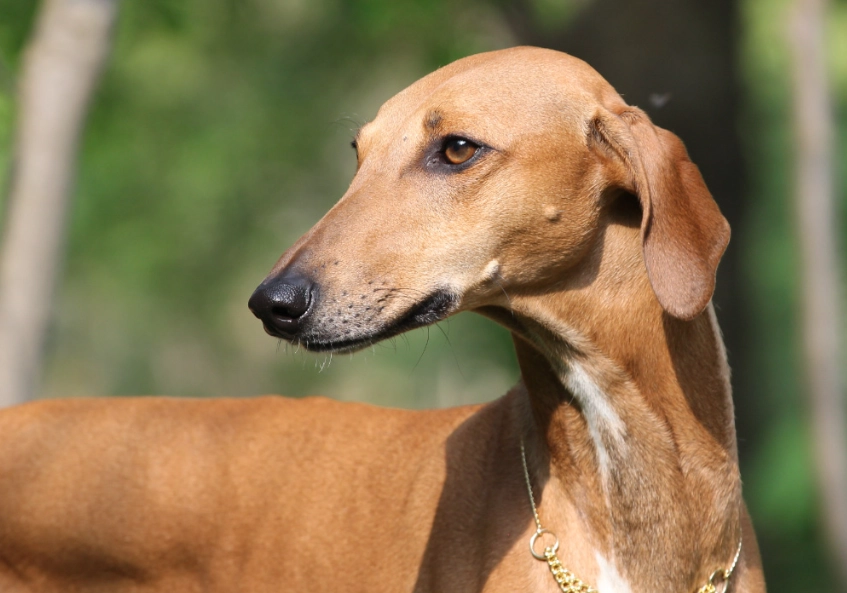
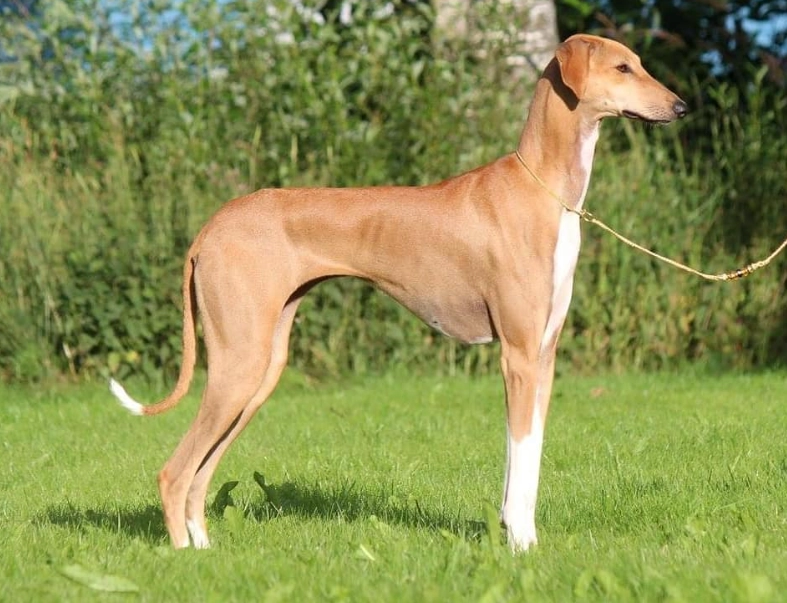
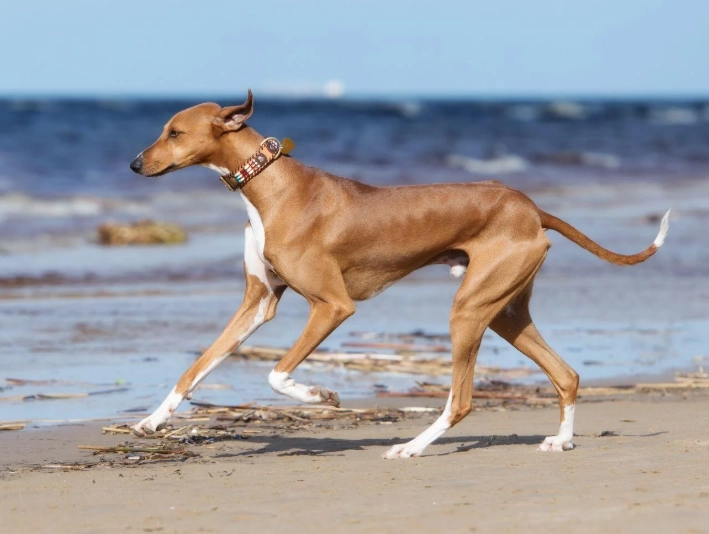
So you're thinking about an Azawakh. Maybe you saw one at a dog show, all legs and elegance, moving like liquid smoke. Or perhaps you've read about them online and got curious about this rare African sighthound. Let me tell you right off the bat – this isn't your average family dog. Owning an Azawakh is a unique experience, kind of like having a piece of living art that also has opinions (very strong ones) about where it sleeps and who it likes. I remember the first time I met one properly. It was at a friend's place who breeds sighthounds. This Azawakh, a stunning fawn-colored male, didn't come bounding up to greet me. He stood across the room, assessed me with these calm, intelligent eyes, and after about ten minutes decided I was acceptable enough to approach. That's pretty much the breed in a nutshell – reserved, discerning, and on their own timetable. You can't really understand the Azawakh without knowing where it came from. This isn't a breed cooked up in a kennel club in the last hundred years. Their history is etched into the sand of the Sahara and the hardscrabble life of the nomadic Tuareg, Fulani, and other tribes of the Sahel. For centuries, maybe millennia, these dogs lived alongside people in what's now Mali, Niger, and Burkina Faso. Their job? It was multifaceted. They were guardians of the camp – their keen sight and hearing, coupled with a deep suspicion of strangers, made them excellent watchdogs. They were hunters, coursing hare, antelope, and wild boar across the arid plains. And they were companions, sharing the harsh life of the desert. The tribes valued them immensely; a good Azawakh was worth several camels. This history explains so much about their character today. That aloofness? It's a guardian's wariness. That intense bond with "their" people? It's the loyalty of a camp protector. That lean, efficient build? It's the body of a survivor and a sprinter. The breed's journey to the Western world is a recent story. They began trickling into Europe (primarily Yugoslavia and France) in the 1970s, brought back by diplomats and travelers. The Fédération Cynologique Internationale (FCI) recognized them in 1981, and the American Kennel Club (AKC) only welcomed them into the Foundation Stock Service in 1993 and granted full recognition in the Hound Group in 2019. They're still incredibly rare. You might see a hundred Golden Retrievers before you spot one Azawakh. People often say they look fragile. They're wrong. The Azawakh is the definition of "wiry strength." Every line of their body has a purpose. Let's break down that iconic appearance. First, the silhouette. They are tall and rangy, with a body that's slightly longer than it is tall at the withers. But the most striking feature is the tucked-up underline. The chest is deep and narrow, but the belly is sharply drawn up, creating a dramatic arch. This isn't for show; it allows for massive lung expansion and incredible flexibility at a full gallop. Their hips are prominent, often described as "pear-shaped," and the spine can be visible. To the untrained eye, this might look underweight, but for an Azawakh in fit condition, it's standard. The head is long and refined, with a flat skull and a tapered muzzle. Their ears are set high, thin, and hang down close to the head, often with a slight fold. The eyes are almond-shaped, large, and dark, giving them that soulful, watchful expression. The tail is long, thin, and carried low with a slight curve at the end. Now, the coat. It's short, fine, and feels almost like velvet to the touch. There's virtually no undercoat. This means two things: they are supreme shedders (just tiny, fine hairs that get everywhere), and they get cold. Easily. A 50-degree Fahrenheit day might have you reaching for a dog coat. Colors are where things get interesting and deeply tied to their origin. The FCI standard, which is the international benchmark, accepts a range of colors including clear sand to dark fawn, with or without white markings. Brindle patterns, black overlays (called "charcoal"), and blue (a dilute gray) are also seen and accepted. The classic look is a fawn body with white stockings on the legs, a white chest blaze, and a white tip on the tail. The AKC standard is similar, though some color debates exist among purists. The key is that the pigmentation should be complete – dark nose, dark eye rims. This is a common point of confusion. All are ancient desert sighthounds, but the differences are clear once you know what to look for. The Saluki is the graceful gazelle, the Sloughi is the quiet noble, and the Azawakh is the austere, watchful guardian. Their personalities differ as much as their looks. Okay, this is the most important section. Getting this wrong leads to unhappy dogs and unhappy owners. If you want a dog that loves everyone, forget the Azawakh. If you want a dog that will blindly obey every command, look elsewhere. With their family – their chosen inner circle – an Azawakh is profoundly loyal, affectionate (on their terms), and often downright silly and playful in the home. They form a deep, almost symbiotic bond. They'll follow you from room to room, curl up next to you on the couch (if allowed), and give you the most loving gazes. They are clean, quiet (rarely bark without reason), and have a dignified calm indoors. Now, the other side. They are notoriously aloof and suspicious of strangers. This isn't aggression; it's a deep-seated wariness. Visitors to your home will likely be ignored, watched from a distance, or met with a low growl if they approach too quickly. This is the guardian heritage. Socialization from puppyhood is non-negotiable and must be ongoing for life. It won't make them gregarious, but it teaches them that the world isn't scary and helps manage their reactions. Their prey drive is extremely high. Squirrels, cats, rabbits, deer – if it runs, they will want to chase it. This is hardwired. A secure, tall fence (6 feet minimum, as they can jump) is absolutely mandatory. Never trust an Azawakh off-leash in an unenclosed area. Their recall is good... until it isn't, and instinct takes over. I've heard too many tragic stories of dogs lost this way. How are they with other dogs? With proper introduction, they can do well with other sighthounds or calm, respectful dogs. They often prefer the company of other Azawakhs. Same-sex aggression can occur, especially among males. Small animals like rabbits or pet birds are viewed as prey, not friends. And kids? This is tricky. An Azawakh raised from puppyhood with gentle, respectful children can do fine. They are not naturally patient with poking, prodding, or loud, sudden movements. They will simply get up and leave. I would never recommend an Azawakh for a home with toddlers or very young, boisterous children. For calm, older kids who understand dog body language, it can work. Both, in a way. This confuses people. They are sprinters, not marathon runners. A couple of good, off-leash runs in a secure area (a fenced field, a secure dog park at quiet times) each week, coupled with one or two daily leashed walks, is often enough. They love to sprint, turn on a dime, and then be done. After exercise, they are champion loungers. They will sleep 18 hours a day, preferably on the softest couch or bed they can find. Apartment living is totally possible if their exercise needs are met. Just remember – no off-leash runs in the city park. Forget harsh methods. An Azawakh will shut down completely. They are sensitive and proud. Training works best with positive reinforcement – treats, praise, play. They are intelligent and learn quickly, but they also question why they should do something. "Because I said so" doesn't fly. The key is motivation. Find what they love (usually food or a favorite toy) and use it. Keep sessions short and fun. Socialization is the most critical part of their "training." Expose them gently and positively to all sorts of people, places, sounds, and surfaces from the moment you get them. The AKC's socialization checklist is a great resource, even if your dog isn't AKC registered. Housebreaking is usually easy – they are naturally clean. Crate training is highly recommended; it gives them a safe den and helps with management. Grooming is a breeze. A weekly rub-down with a rubber grooming mitt or a soft brush removes loose hairs. Baths are rare – only when dirty. The main concerns are their nails (which grow fast and need regular clipping) and their teeth (daily brushing is ideal to prevent periodontal disease). Check their ears weekly for debris. Feeding can be a puzzle. Many Azawakhs are picky eaters. They often do best on high-quality, high-protein diets. Some owners swear by raw or home-cooked diets, but you must consult a vet or canine nutritionist to ensure it's balanced. A common issue is keeping weight on them, especially active adolescents. They burn calories like crazy. Multiple small meals a day can help. You should always see the last two ribs on a fit adult; if you see more, increase food. If you see fewer, cut back slightly. Generally, they are a healthy, hardy breed with a long lifespan of 12 to 15 years. Their genetic pool is diverse due to their landrace origins, but like all purebreds, they have some predispositions. Responsible breeders test for these. Finding a vet familiar with sighthounds or willing to learn is a huge plus. This is not a fast process. Patience is key. Reputable Breeders: Expect to be on a waiting list for a year or more. A good breeder will interview you extensively – they are protective of their pups. They will: - Show you health clearances for both parents (thyroid, cardiac, etc.). - Raise puppies in the home with plenty of socialization. - Be a resource for you for the dog's entire life. - Have a contract requiring you to return the dog to them if you can't keep it. - Be affiliated with clubs like the Azawakh Association of America or the FCI's member clubs. Price: From a reputable breeder, expect $2500 to $4000+. Rescue: Yes, Azawakhs do end up in rescue, often because of the temperament mismatch. Organizations like the Sighthound Underground or breed-specific rescues occasionally have them. Adopting an adult can be wonderful – you know exactly what you're getting in terms of personality. Look, I adore these dogs. Their beauty takes my breath away, and their unique, cat-like loyalty is something special. But I've also seen the fallout when the wrong person gets one. You might be a good match for an Azawakh if: - You appreciate an independent, thinking dog. - You have a securely fenced yard. - You prefer a quiet, calm indoor companion. - You are committed to lifelong socialization. - You don't need a dog that loves all your friends. - You understand and respect high prey drive. - You're an experienced dog owner. You should probably consider another breed if: - You want an easy-going, everyone's-best-friend kind of dog. - You have young children or a chaotic household. - You have cats or other small pets. - You want a dog to take off-leash on hikes. - You are looking for your first dog. - You are away from home for long hours regularly. Owning an Azawakh is a commitment to understanding a different canine perspective. It's not better or worse than owning a Labrador – it's just different. If you go into it with open eyes, respect for their history and nature, and a lot of love, you'll be rewarded with one of the most fascinating and beautiful companions on four legs. It's a journey, not just pet ownership. And for the right person, it's an absolutely incredible one. Do your homework. Talk to multiple breeders. Meet the dogs in person if you can. And be brutally honest with yourself about your lifestyle. That's the best way to ensure that if you bring an Azawakh into your life, it's a forever home for both of you.In This Guide
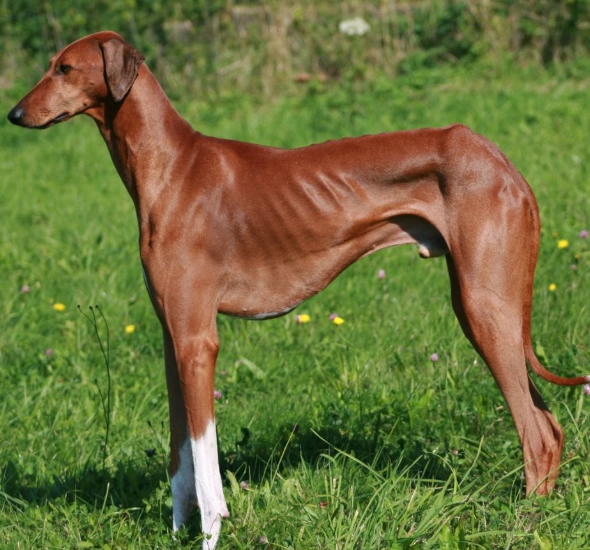
Where Did the Azawakh Come From? A Slice of Saharan History
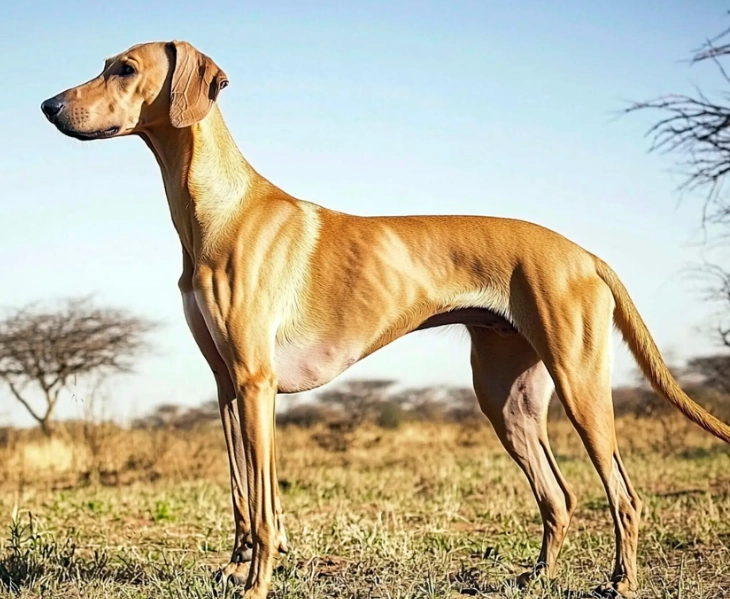
The Azawakh Look: More Than Just Skin and Bones
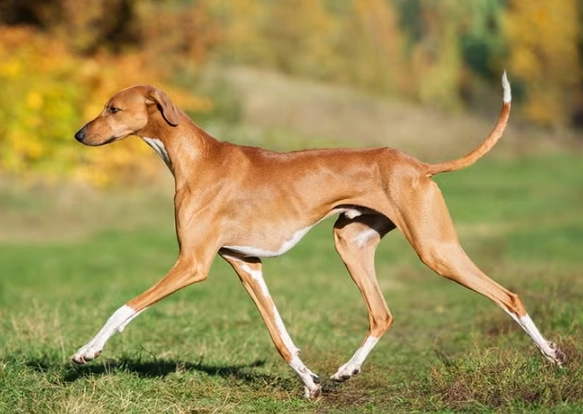
Azawakh vs. Saluki vs. Sloughi: Telling the Sighthounds Apart
Feature
Azawakh
Saluki
Sloughi
Origin
Sahel (Mali, Niger, Burkina Faso)
Middle East (Fertile Crescent)
North Africa (Morocco, Algeria, Libya)
Build
Most "extreme" tuck-up, pear-shaped hips, very angular
Moderate tuck-up, smoother lines, "feathers" on ears/tail
Moderate tuck-up, more muscular and compact, no feathers
Temperament
Most reserved & protective; bonds intensely to inner circle
Gentle, sensitive, aloof but less suspicious
Devoted, gentle, quiet; less standoffish than Azawakh
Coat
Very short, fine, no undercoat
Silky, can be smooth or feathered
Short, dense, slightly more undercoat
Common Colors
Fawn, brindle, charcoal, with white markings
White, cream, fawn, grizzle, tan, tricolor
Sandy, brindle, with or without black mask/overlay
The Azawakh Mind: Personality and Temperament (The Real Deal)
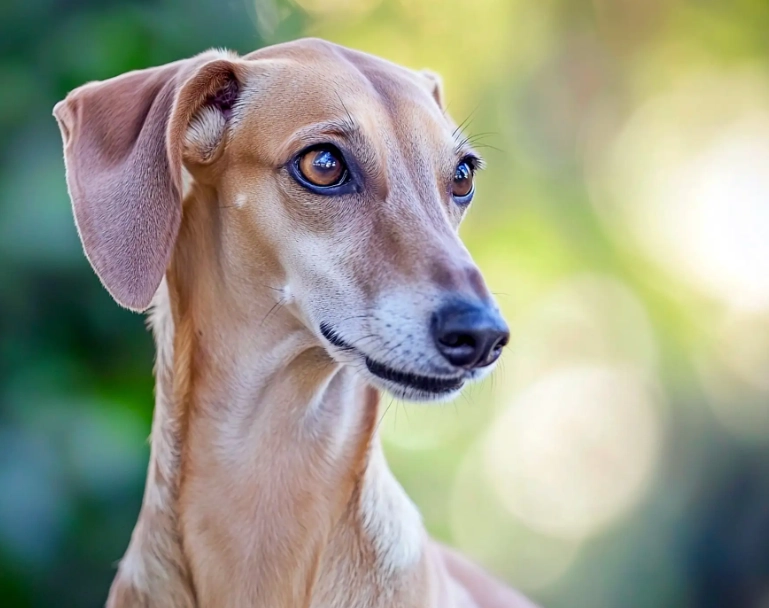
Living with an Azawakh: Care, Training, and Daily Reality
Exercise Needs: Couch Potato or Athlete?
Training: A Partnership, Not a Dictatorship
Grooming and Feeding
Azawakh Health: What You Need to Know
Finding an Azawakh Puppy or Rescue
Common Azawakh Questions (FAQs)
Final Thoughts: Is the Azawakh Right for You?
The Bottom Line Up Front: The Azawakh is an ancient sighthound from the Sahel region of Africa, known for its breathtaking elegance, fierce loyalty to its family, and profound independence. They are not for novice owners and require a specific, understanding home.
The name "Azawakh" comes from the Azawakh Valley, a dry basin that straddles Mali and Niger. It's the heartland of the breed.
Let's be honest: This reserved nature is the number one reason Azawakhs end up in rescue or with unsuitable owners. People fall for the look without understanding the independent mind behind it. They are cats in dog suits, with a strong sense of self-preservation and personal space.
They don't just live with you. They observe you.
My friend who owns them says the biggest training win was a solid "leave it" command. It's saved her dog from chasing wildlife more times than she can count. It took months of consistent practice with high-value rewards, but it was worth every bit of effort.
Q: Are Azawakhs good apartment dogs?
A: Surprisingly, yes. If their exercise needs are met with leashed walks and secured sprints, they are calm and quiet indoors. Just be prepared for the "bed hog" syndrome.
Q: How cold is too cold for an Azawakh?
A: Most will start shivering and seeking warmth below 50°F (10°C). A good dog coat or sweater is a must for winter walks in cooler climates. They hate rain and cold.
Q: Can I run or bike with my Azawakh?
A: Short, fast bursts are great. Long-distance jogging or biking is not their forte. They are built for explosive speed, not endurance. Check with your vet before starting any rigorous exercise program.
Q: Are they easy to train?
A: "Easy" isn't the word. They are capable and smart, but they require a motivated, patient trainer who uses positive methods. They will not respond to force.
Q: Do Azawakhs bark a lot?
A: No. They are generally quiet. They may give an alert bark at a strange noise or sight, but they are not yappy dogs.
Q: My Azawakh seems underweight. Is he?
A: Probably not. The breed standard calls for a visibly lean, sinewy dog. You should see the last two ribs and hip bones. If you're concerned, consult your vet, but show them the breed standard first so they understand the correct conformation.
They're not for everyone. And that's perfectly okay.
Comment