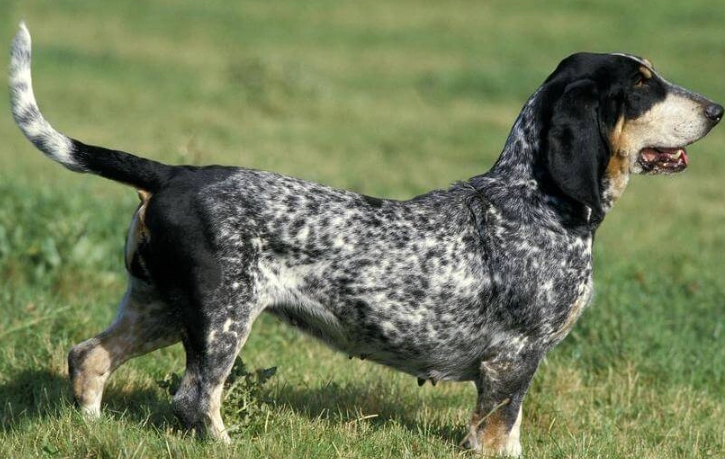
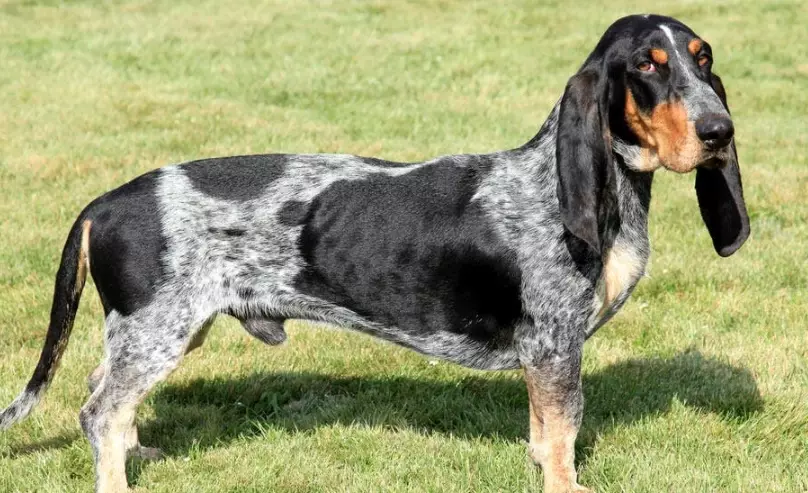
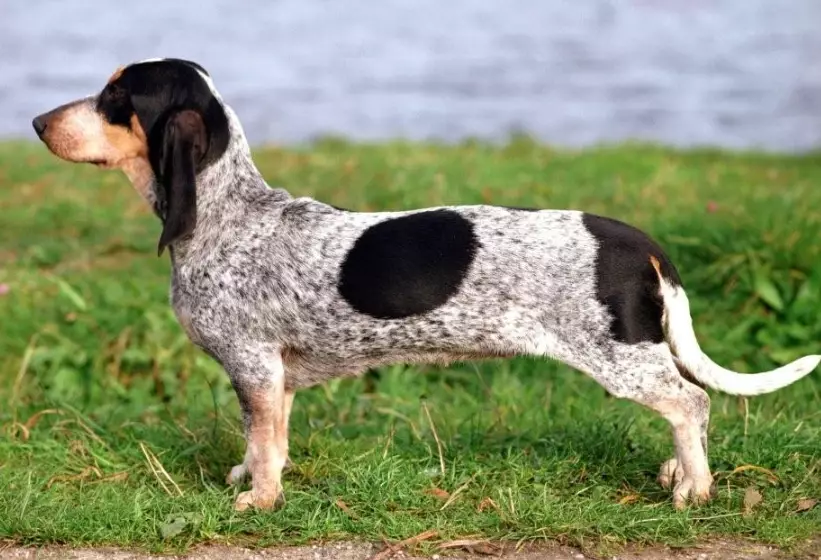
I still remember the first time I saw a Basset Bleu de Gascogne at a dog show. There was something about those soulful eyes and that distinctive mottled blue coat that just captured my attention. I've been fascinated by this breed ever since, and if you're reading this, you probably are too. What makes this French hound so special? And more importantly, is a Basset Bleu de Gascogne the right dog for you? Origin: Southwest France (Gascony region) Size: Medium (35-45 pounds) Lifespan: 10-12 years Temperament: Friendly, determined, vocal Rarity: Extremely rare outside France The Basset Bleu de Gascogne has roots that go back centuries in the Gascony region of southwestern France. This area has produced several exceptional hunting dogs, but the Bleu de Gascogne stands out for its unique appearance and working ability. Originally bred for hunting small game like rabbits and hares, these dogs were valued for their exceptional nose and determination. Their shorter legs (the "basset" part of their name) made them ideal for hunters who followed on foot rather than horseback. What many people don't realize is how close this breed came to extinction after World War II. Like many European breeds, the Basset Bleu de Gascogne population was devastated by the war. It was only through the dedicated efforts of a few French breeders that the breed was saved from disappearing entirely. Even today, finding a Basset Bleu de Gascogne outside of France can be quite challenging. The United Kennel Club recognized the breed in 1991, but it remains relatively unknown in North America. You can't mistake a Basset Bleu de Gascogne for any other breed. That mottled blue and black coat with tan points is absolutely distinctive. The coat isn't actually blue in the way you might think—it's a combination of black and white hairs that gives that bluish appearance from a distance. Their ears are another standout feature. Long, set low, and curling slightly inward at the tips, these ears are both functional and beautiful. They help trap scent particles when the dog is tracking, making them even more effective hunters. Fun fact: The Basset Bleu de Gascogne is sometimes called the "blue gascony basset" in English-speaking countries, but purists stick with the original French name. These dogs have a sturdy, well-balanced build. They're not as heavy-boned as some other basset breeds, which gives them a more athletic appearance. Their expression is typically gentle and intelligent, with those dark, soulful eyes that seem to look right through you. Despite their relatively small stature, Basset Bleu de Gascogne dogs are surprisingly strong and muscular. They're built for endurance rather than speed, which makes them excellent companions for long walks or hikes. If you're expecting a typical lazy basset hound, you might be surprised by the Basset Bleu de Gascogne. These dogs have energy and determination that belies their short legs. They're friendly, outgoing dogs that typically get along well with people and other animals. That said, their hunting instincts are strong. I've seen these dogs completely ignore everything else when they catch an interesting scent. If you have cats or other small pets, this is something to consider carefully. Proper introduction and training can help, but that prey drive is hardwired. Their vocalizations deserve special mention. Basset Bleu de Gascogne dogs have a distinctive, melodious bay that carries for quite a distance. It's beautiful if you appreciate hound music, but your neighbors might feel differently. This isn't a breed for close-quarters living unless you have exceptional soundproofing. Training a Basset Bleu de Gascogne can be both rewarding and frustrating. They're smart dogs that learn quickly, but they also have an independent streak that can make them seem stubborn. Positive reinforcement methods work best—these dogs respond well to food rewards and praise. Early socialization is absolutely crucial. Expose your puppy to different people, places, and situations to help them develop into a well-adjusted adult. Puppy kindergarten classes are a great investment for any Basset Bleu de Gascogne owner. From my experience, the key to training these dogs is making it fun. They get bored with repetition, so keep sessions short and varied. And always, always train in a secure area—once their nose goes down, their ears seem to stop working! Exercise needs are moderate but non-negotiable. A couple of good walks daily plus some playtime will keep most Basset Bleu de Gascogne dogs happy. They're not hyperactive, but they do need regular activity to prevent boredom and weight gain. Remember that these are scent hounds first and foremost. They particularly enjoy activities that engage their nose, like tracking games or scent work. This can be as simple as hiding treats around your yard for them to find. Overall, the Basset Bleu de Gascogne is a relatively healthy breed, especially compared to some other dwarf breeds. Their genetic diversity (due to careful breeding practices) helps reduce the incidence of inherited disorders. However, there are some health issues potential owners should be aware of. Like all dogs with long backs and short legs, they can be prone to back problems. Intervertebral disc disease is a concern, so it's important to prevent them from jumping on and off furniture and to keep them at a healthy weight. Ear infections can be an issue due to their long, floppy ears that don't get much air circulation. Regular cleaning and inspection are essential parts of Basset Bleu de Gascogne care. When looking for a Basset Bleu de Gascogne puppy, always ask breeders about health testing. Reputable breeders will screen for common issues and provide documentation. The Orthopedic Foundation for Animals (OFA) maintains databases of health testing results that can help you verify a breeder's claims. That short, dense coat might look low-maintenance, but Basset Bleu de Gascogne dogs shed more than you might expect. Weekly brushing with a rubber curry brush or hound glove will help control shedding and keep their coat healthy. Bathing should be done as needed—typically every 4-8 weeks. These dogs can develop a distinctive "hound smell" between baths, so some owners prefer more frequent bathing. Just be sure to use a gentle dog shampoo to avoid skin irritation. Don't forget the nails! Their nails grow quickly and need regular trimming. Dental care is another important aspect. Like many breeds, Basset Bleu de Gascogne dogs can be prone to dental issues if their teeth aren't properly cared for. Regular brushing and dental chews can help maintain oral health. This is where things get challenging. Basset Bleu de Gascogne puppies are not easy to find, especially in North America. There are only a handful of reputable breeders, and waiting lists can be long. When you do find a breeder, expect to pay anywhere from $1,500 to $3,000 for a puppy. The price reflects the rarity of the breed and the costs associated with responsible breeding practices. Red flags to watch for: Breeders who always have puppies available, won't let you visit their facility, or don't ask you questions about your home and experience. Rescue is another option, though Basset Bleu de Gascogne dogs rarely appear in shelters. Breed-specific rescues sometimes have older dogs available for adoption. The American Kennel Club's website maintains a list of breed clubs that can direct you to rescue organizations. This isn't a breed for everyone. Their combination of traits makes them better suited to certain types of homes and owners. The ideal Basset Bleu de Gascogne owner is someone who: They can do well in families with children, but interactions should always be supervised. Their tolerance for other pets varies by individual, but early socialization helps immensely. The Basset Bleu de Gascogne is truly a special dog. Their combination of striking appearance, friendly personality, and working ability makes them fascinating companions for the right person. But they're not low-maintenance pets. That beautiful bay can become a nuisance if you're not prepared for it. That determined nature can be frustrating when you're trying to recall them from an interesting scent. And finding one in the first place takes patience and persistence. If you do decide a Basset Bleu de Gascogne is for you, join breed clubs and connect with owners. The community around rare breeds is typically very supportive and knowledgeable. And be patient—waiting for the right dog is better than rushing into getting the wrong one. For more information about hound breeds and their characteristics, the American Kennel Club provides excellent resources on various dog breeds, including hunting dogs like the Basset Bleu de Gascogne. Whether you're just curious or seriously considering adding one of these French beauties to your family, I hope this guide has given you a realistic picture of what life with a Basset Bleu de Gascogne is really like. They're not for everyone, but for the right person, they're absolutely wonderful.Quick Navigation
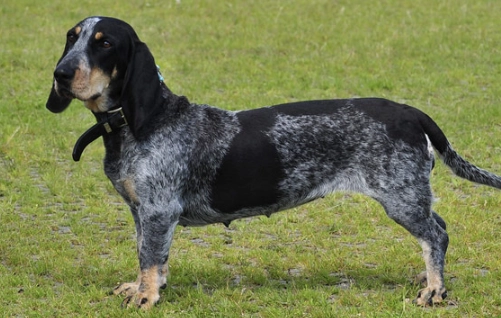
Basset Bleu de Gascogne at a Glance
Origins and History of the Basset Bleu de Gascogne
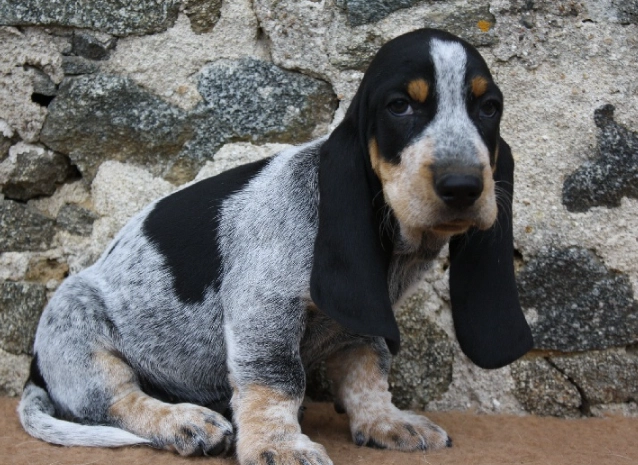
Physical Characteristics: What Makes This Dog Unique
Size and Weight Details
Measurement Male Female Height at withers 13-15 inches 12-14 inches Weight 35-45 pounds 30-40 pounds Body length Significantly longer than tall Significantly longer than tall Temperament and Personality: What to Really Expect
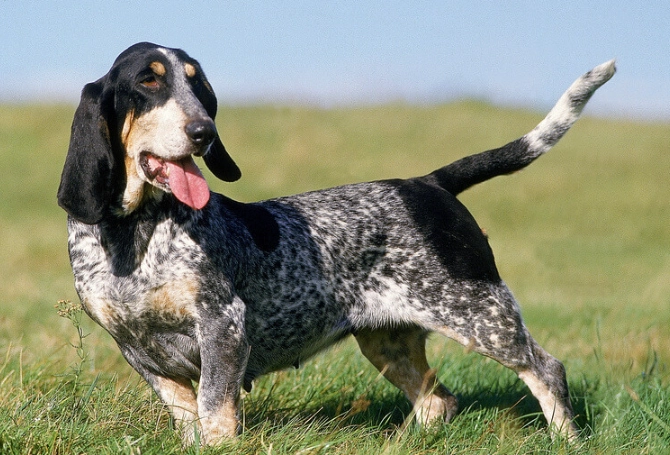
What Owners Love
Potential Challenges
Training and Exercise Requirements
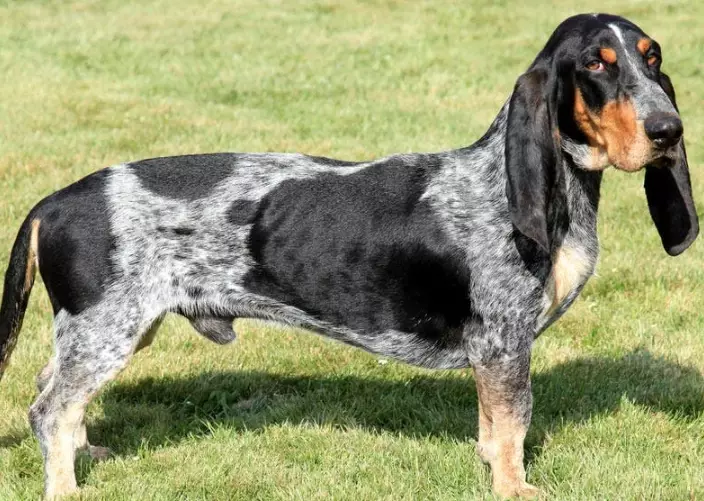
Sample Daily Exercise Routine
Health Considerations for Basset Bleu de Gascogne
Common Health Issues
Health Condition Prevalence Prevention/Treatment Ear infections Common Regular cleaning, keeping ears dry Obesity Common Portion control, regular exercise Intervertebral disc disease Moderate Weight management, avoid jumping Hip dysplasia Low-moderate Proper breeding, weight management Eye problems Rare Regular veterinary check-ups Grooming and Maintenance
Finding a Basset Bleu de Gascogne Puppy
Is a Basset Bleu de Gascogne Right for You?
Frequently Asked Questions About Basset Bleu de Gascogne
Final Thoughts on This Unique Breed
How much exercise does a Basset Bleu de Gascogne really need?
Most need about 60-90 minutes of activity daily. This can be split into multiple walks plus playtime. They're not marathon runners, but they do need regular exercise to stay healthy and happy.
Are Basset Bleu de Gascogne good apartment dogs?
Generally not ideal. Their vocal nature and exercise needs make them better suited to homes with yards. If you're in an apartment, you'll need to be committed to multiple daily walks and have understanding neighbors.
How difficult is training compared to other hounds?
They're typical hounds—smart but independent. Consistency and positive reinforcement are key. Many owners find them easier to train than beagles but more challenging than labs or goldens.
What's the average lifespan of a Basset Bleu de Gascogne?
Most live 10-12 years with proper care. Some have been known to reach 14-15 years, but this is less common.
How rare are they really?
Extremely rare outside France. There are probably fewer than 1,000 in North America. Finding a breeder often involves joining waiting lists and possibly traveling significant distances.
Comment