Let's be real for a second. You probably saw a picture of a Bearded Collie online – that magnificent, flowing coat, those bright, intelligent eyes, that look of pure joy – and thought, "I need that dog in my life." I get it. I was you. I fell for the same shaggy charm. But let me tell you, after years of sharing my home with one of these bouncing, barking, fur-generating dynamos, the picture is a lot more... textured. This isn't just another fluffy breed profile. This is the straight talk you need before you bring home what looks like a walking, talking mop with the heart of a clown and the energy of a tornado. The Bearded Collie, or "Beardie" as we owners call them, is a phenomenal dog. But they're not for everyone. Not even close. So, pull up a chair. We're going to dive deep into everything that makes a Bearded Collie tick, from the glorious highs to the occasionally frustrating lows. We'll talk about the grooming that's less of a hobby and more of a lifestyle, the training that requires the patience of a saint, and the sheer, unadulterated joy they bring. By the end, you'll know if you're cut out for one. Originating from Scotland, the Bearded Collie was bred to be an all-purpose herding dog for the tough Highland shepherds. They needed a dog that was independent, tough, weather-resistant (hence that double coat), and smart enough to think for itself miles away from the farmer. That genetic blueprint is still very much active today. The official breed standard from the American Kennel Club (AKC) describes them as "a hardy, active dog with an aura of strength and agility." The UK's Kennel Club emphasizes their "bright, inquiring expression" and "self-confidence." Both are spot-on, but they're understatements. This dog doesn't just have an "aura" of strength; it has the concrete, physical ability to herd sheep (or your children) for hours. That self-confidence can sometimes look a lot like stubbornness. Their personality is their defining feature. They are famously bouncy and joyful. A happy Beardie doesn't just wag its tail; its entire back end wiggles with glee. They are also incredibly sensitive and form deep bonds with their families. Mine is my shadow, but on his own terms. He'll follow me from room to room, but if I'm boring, he'll plop down with a dramatic sigh. Let's cut to the chase. Here's what you're really signing up for. The Good Stuff: The Challenging Stuff: This is the big one. The single biggest factor that determines if a Bearded Collie is the right dog for you. That long, shaggy, weather-resistant double coat is stunning. It's also a magnet for every burr, twig, mud puddle, and piece of food within a mile radius. Let's break down what Bearded Collie grooming really entails. It's not just a weekly brush. Forget the calendar. You groom a Beardie based on the state of the coat. Here's my routine, born from painful experience with my first mat. I'm not going to sugarcoat it. A full groom from bath to dry can take me 2-3 hours for my adult male. Many owners opt for professional grooming every 4-8 weeks, which is a significant ongoing expense. Don't waste money on cheap tools. Investing in the right ones makes the job faster and more comfortable for your dog. If the coat is the external challenge, the mind is the internal one. Remember, this dog was bred to make decisions independently while herding. That translates to a dog that is brilliantly clever, but not necessarily obedient in the classic sense. The classic Bearded Collie temperament is merry, lively, and alert. They are rarely aggressive or shy. But they are also sensitive. Harsh corrections or yelling will shut them down completely. They respond best to positive, reward-based training that feels like a fun game. Think of it as a partnership, not a dictatorship. Their intelligence means they learn commands quickly. The problem is they also learn what they can get away with just as fast. Consistency is your best friend. If jumping on the couch is sometimes allowed and sometimes not, they will push the boundary every single time. You can't train everything at once. Focus on these pillars first. Generally, the Bearded Collie is a robust breed. Reputable breeders test their breeding stock for known issues. According to the Bearded Collie Club of America's health information, responsible screening is key. You should ask any breeder for proof of health clearances. Some conditions to be aware of include: The best thing you can do is feed a high-quality diet, maintain a healthy weight (you should be able to feel their ribs under that coat!), and keep up with regular veterinary care. That amazing coat also means they can overheat easily in summer, so provide plenty of shade, water, and avoid midday exercise in hot weather. So, after all this, should you get a Bearded Collie? Ask yourself these questions honestly: If you answered a resounding "YES!" to all of the above, then you might just be the perfect human for a Beardie. You'll be rewarded with a loyal, hilarious, and endlessly entertaining companion who will fill your life with laughter and love (and yes, a fair amount of hair). If you hesitated, especially on the grooming and exercise fronts, that's okay. It means you're thinking critically. There are many amazing breeds out there. Loving the idea of a Bearded Collie isn't the same as being prepared for the reality. The reality is messy, demanding, and absolutely wonderful – but only if you're truly ready for it. For me, despite the hours of grooming, the occasional stubborn streak, and the sheer volume of his bark, I wouldn't trade my shaggy goofball for the world. He makes me laugh every single day. Just make sure you know exactly what you're getting into before you make that leap. Your future self (and your future shaggy friend) will thank you for it.Key Highlights
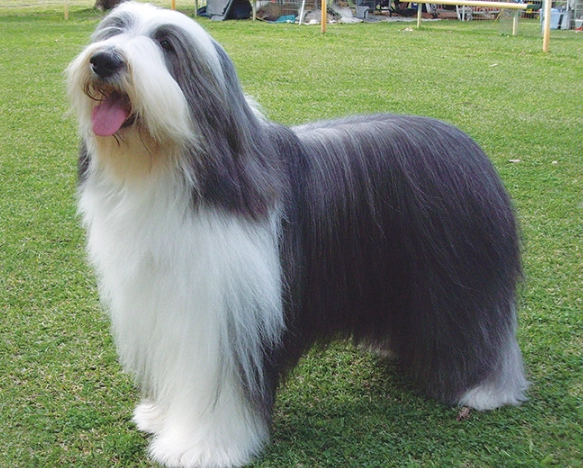
What Exactly Is a Bearded Collie? More Than Just a Pretty Face
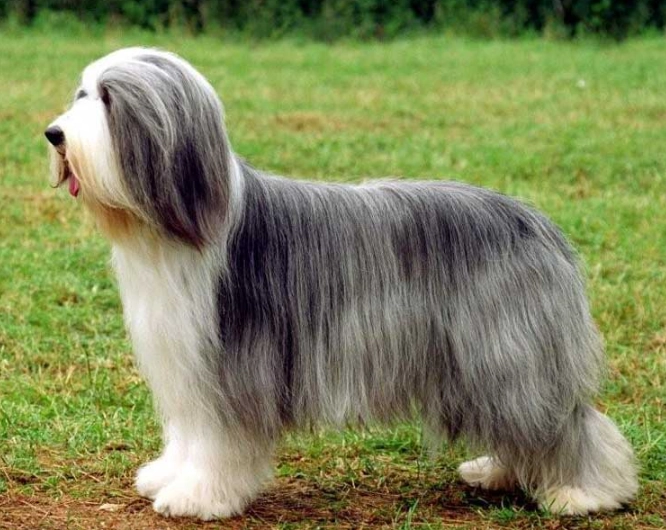
The Beardie Balance Sheet: Top 3 Pros vs. Top 3 Cons
The Coat: Love It, Maintain It, or Seriously Consider a Puppy Cut
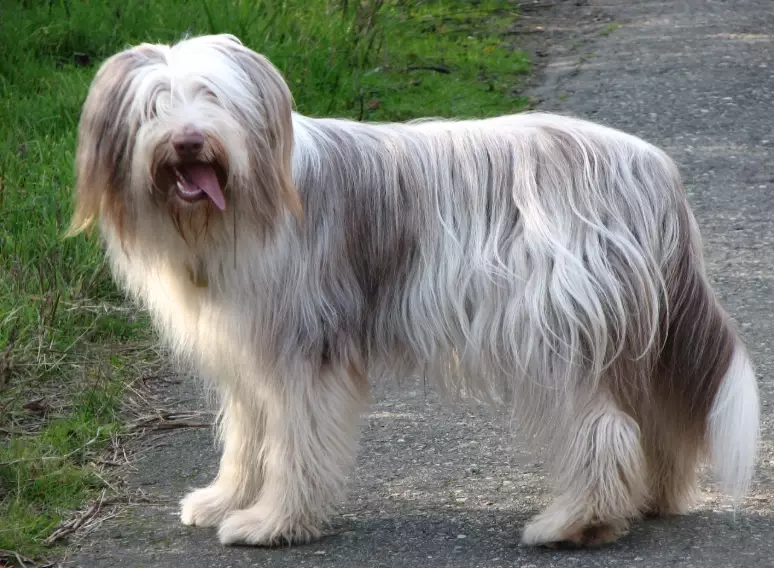
The Non-Negotiable Grooming Routine
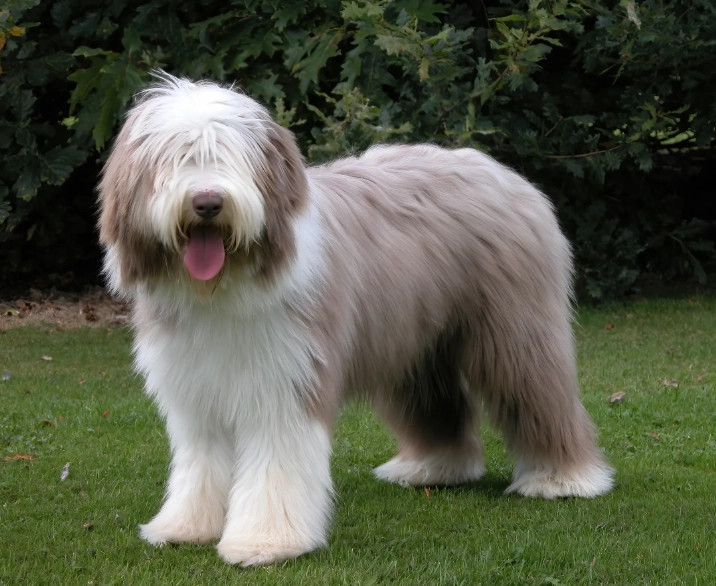
Grooming Tools You Actually Need
Tool
Purpose
Why It's Essential
Slicker Brush (Chris Christensen, Les Poochs)
Initial brushing to break up tangles and remove loose hair.
Gets through the topcoat. A good one is gentle on the skin.
Long-Toothed Metal Comb (Greyhound style)
The final check. Must glide smoothly from skin to tip.
This is your truth-teller. If it doesn't comb through easily, there's a mat.
High-Velocity Pet Dryer (K9, Flying Pig)
Drying after baths and blowing out dirt/debris between baths.
Prevents mildew and mats. Cuts drying time from hours to 30-60 mins.
Detangling Spray/Conditioner
Spray on before brushing dry coat to add slip.
Makes brushing easier, reduces breakage, and keeps coat healthy.
Mind of a Herder: Bearded Collie Temperament and Training
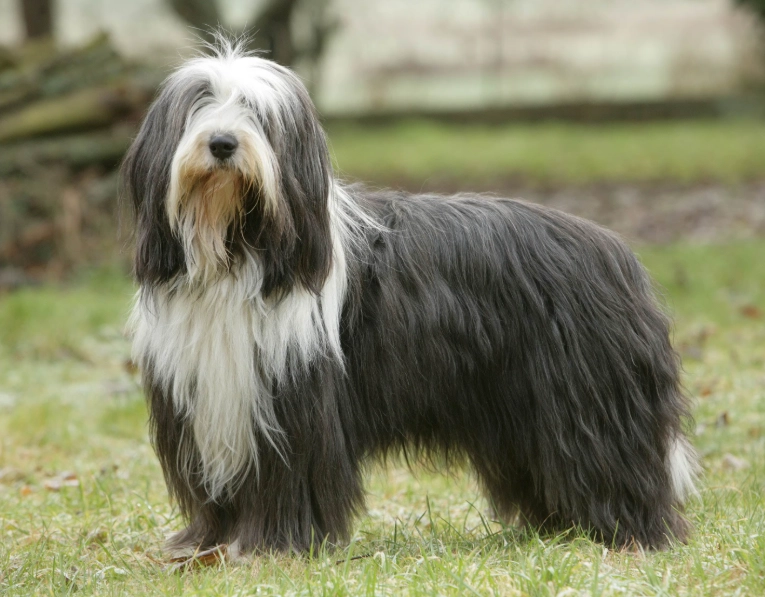
Training Priorities for a Successful Beardie
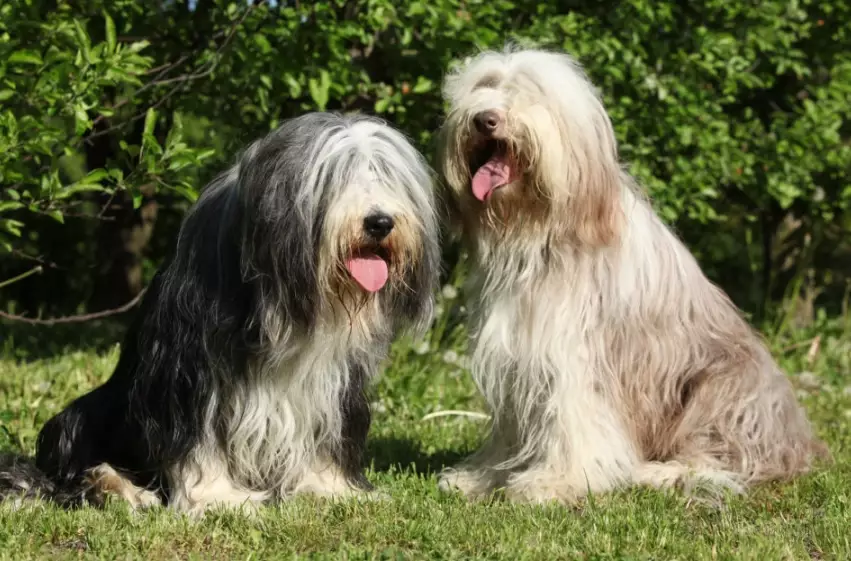
My own Beardie aced basic obedience classes. Then, in advanced class, he decided "down-stay" was boring. He'd slowly, imperceptibly, army-crawl across the floor toward me during the three-minute stay, inch by hilarious inch. The trainer said, "That's a Beardie for you. They follow the letter of the law, not the spirit." It was frustrating and adorable in equal measure.
Keeping Your Beardie Healthy: What to Watch For
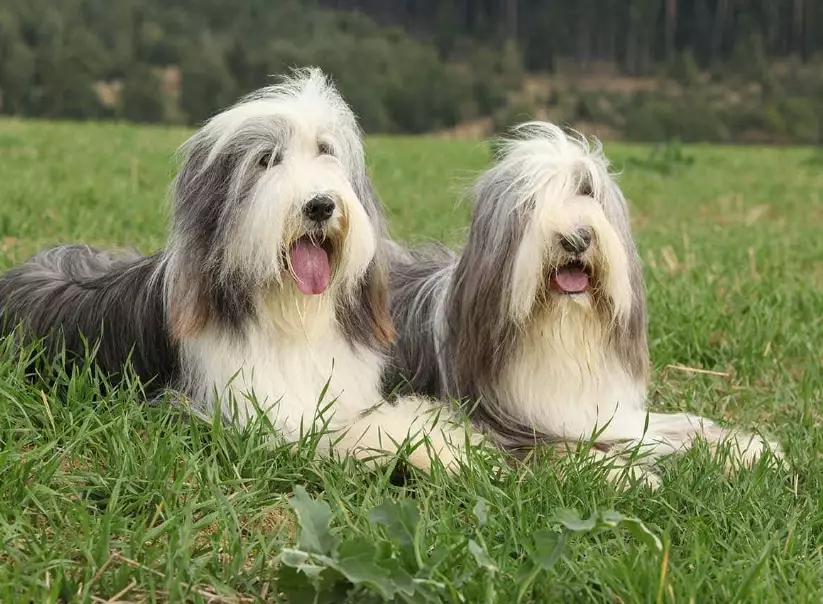
Bearded Collie FAQs: Answering Your Real Questions
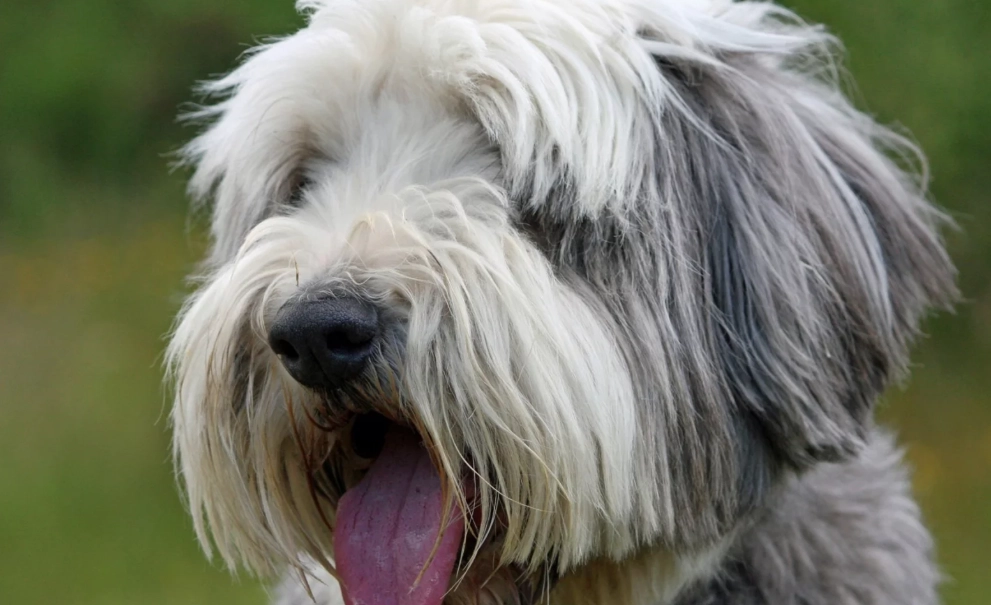
The Final Verdict: Is a Bearded Collie Your Perfect Match?
Quick Reality Check: If you want a low-maintenance, couch-potato dog that's happy with a 10-minute walk, stop reading now. The Beardie will happily rearrange your furniture during zoomies if you try that. This is a high-commitment breed in every sense.
The Puppy Cut Lifesaver: Many Beardie owners, myself included for a while, choose a "puppy cut" or a shorter, even trim all over. It's controversial in the show ring, but for a pet, it's a game-changer. It reduces brushing to once a week, minimizes mats, and lets the dog be a dog without dragging half the park home. It's a completely valid and often sanity-saving choice.
Are Bearded Collies good apartment dogs?
It's possible, but it's hard mode. They are energetic and vocal (they have a distinctive, resonant bark). Success depends entirely on your commitment to providing multiple, long daily outings for physical and mental exercise. A house with a securely fenced yard is a much easier fit for this breed.
Are they hypoallergenic?
No. This is a huge misconception. No dog is 100% hypoallergenic. Bearded Collies have a hair-like coat that sheds less than a double-coated breed like a Husky, but they do shed and they produce dander. People with allergies should spend significant time with the breed before committing.
How much exercise does a Bearded Collie really need?
More than you think. An adult needs at least 60-90 minutes of dedicated activity per day. This isn't just a leash walk. This is running, hiking, playing fetch, training sessions, or dog sports. A bored, under-exercised Beardie will invent their own fun, which usually involves redecorating your home.
Where should I get a Bearded Collie puppy?
Please, do your homework. Avoid pet stores and online marketplaces. Seek a reputable breeder who is a member of the Bearded Collie Club of America or your national breed club. They health test, raise puppies in their home, ask you as many questions as you ask them, and offer lifelong support. Expect to be on a waiting list. Alternatively, consider rescue. Organizations like Bearded Collie Club of America Rescue often have wonderful dogs of all ages needing homes.
Comment