Let's cut to the chase. You've probably seen a picture of a Beauceron – that imposing, black and tan French dog with the intense gaze and the double dewclaws. Maybe you were searching for a "Doberman alternative" or a "smart guardian breed" and this name popped up. And now you're down the rabbit hole, trying to figure out if this rare breed could be your next family member. I get it. I was there too, years ago. The allure is strong. They look like canine special forces operators. But let me tell you, living with a Beauceron is a whole different ball game compared to just admiring one from afar. This guide isn't just a rehash of breed standard facts. It's a deep dive into the reality of life with a Beauceron. We'll talk about the breathtaking highs (their intelligence, their loyalty) and the very real, often glossed-over lows (the boredom that leads to creative destruction, the stubborn streak a mile wide). By the end, you'll know if you're the right home for one of these extraordinary animals, or if you're better off admiring them from the safety of your screen. Okay, basics first. The Beauceron (pronounced bow-sair-on) is a French herding and guarding breed, one of the few with a documented history stretching back centuries. They're not a "designer" breed cooked up recently. These dogs have been working French farms and protecting flocks since at least the 1500s. The name comes from the Beauce region, a plains area south of Paris known for its agriculture. They're often called "Bas Rouge" – French for "red stockings" – because of those distinctive tan markings on their lower legs. And those double dewclaws on the hind legs? They're a required breed feature, not a weird mutation. Historically, they provided extra stability and grip for a dog pivoting and turning cattle all day long. The Fédération Cynologique Internationale (FCI), the world's leading canine organization, and the American Kennel Club (AKC) both recognize the Beauceron. You can check their official breed standards for the precise details on appearance on the FCI website and on the AKC website. These are great resources for understanding the blueprint of the breed. This is a large, muscular, and well-balanced dog. They scream "capable." Males stand between 25.5 to 27.5 inches at the shoulder, females 24 to 26.5 inches. Weight ranges from 70 to 110 pounds, with males being heavier. They have a short, dense double coat that's surprisingly easy to care for. The classic colors are: But the real story is in their expression. Their eyes are dark, slightly oval, and carry a look of calm intelligence and unwavering confidence. It's not a mean look, but it's a look that says, "I am assessing you, and I will remember what I see." Here's where things get interesting, and where most potential owners need to pay close attention. Describing a Beauceron's temperament in a few adjectives does them a disservice. They are layered. With their family, they can be affectionate goofballs, leaning against you, offering a paw. They are often excellent with children they are raised with, showing remarkable patience and a protective instinct. But their herding background can pop up – they might gently nip at heels to herd running kids, which needs to be redirected. Now, the challenging parts, the ones that lead to Beaucerons being rehomed. They are independent thinkers. This isn't a Golden Retriever that lives to please you. A Beauceron will often ask, "Why should I?" They need a leader, not just an owner. If you are inconsistent, passive, or easily frustrated, a Beauceron will happily take the reins, and you won't like the decisions they make. Their energy is immense. They were bred to work all day, covering vast distances. A 30-minute stroll is an insult to them. They need long, vigorous runs, hikes, bike rides, or serious play sessions daily, rain or shine. It's a mixed bag. With proper socialization, they can coexist with other family dogs, especially if raised together. However, their strong guarding instincts and potential for same-sex dog aggression (particularly between males) mean introductions to new adult dogs must be managed carefully. As for cats and small animals, their high prey drive is a significant risk. A Beauceron may see a running cat or squirrel as a target to be chased. This is a non-negotiable instinct in many individuals. People often compare the Beauceron to other large guardian breeds. It's useful to see how they differ. Here's a blunt comparison. The takeaway? The Beauceron sits in a unique spot – less neurotic than some Shepherds, more independent than some Dobermans, and with a specific herding/guarding heritage that shapes its worldview. Forget the idea of a lazy Sunday. Your Beauceron won't. A minimum of 90-120 minutes of vigorous activity is a good starting point. This isn't just letting them out in a yard. They need to do things. You must start socialization and basic obedience the day you bring your puppy home. Expose them to everything: different people, surfaces, sounds, animals (safely), and environments. The goal is a confident, neutral dog, not a fearful or reactive one. Use positive reinforcement methods – treats, praise, play. But be firm. If you ask for a sit, mean it. They will test boundaries. Enrolling in a good puppy class and continuing with advanced obedience is highly, highly recommended. The relationship you build through consistent training is the foundation of everything with this breed. Common challenges in Beauceron training include their independent streak (ignoring commands they find pointless) and their sensitivity to harsh correction. They shut down or become resentful if treated unfairly. Grooming is easy. Their short coat needs a good brushing with a slicker brush or rubber curry once a week to remove loose hair. They shed, but it's manageable. Bath as needed. The big grooming tasks are nail trimming (those black nails are tough!) and checking those unique double dewclaws to ensure they don't grow around and into the pad. Health-wise, the Beauceron is a generally robust breed, but like all purebreds, they have some concerns. Reputable breeders test their breeding stock for: A well-bred Beauceron from health-tested parents has a good chance of a long, healthy life of 10-12 years. Let's talk numbers, because this is a big part of the decision. Initial Cost: A puppy from a reputable, health-testing breeder will typically cost between $1,800 and $3,000. The high end reflects extensive health testing, titling of parents, and the breeder's support system. Do not buy from a backyard breeder or pet store. The risks for health and temperament problems are too high. Ongoing Costs: High-quality food for a large, active dog ($70-$100/month). Routine vet care, vaccines, preventatives. Training classes (an ongoing expense you should budget for). Potential sports/activity fees. Pet insurance is a very wise investment for a breed prone to bloat and joint issues. Time: This is the biggest cost. We're talking 2-3 hours of dedicated time per day for exercise, training, and mental stimulation. This is a lifestyle dog, not a pet you fit into your existing life. This is a rare breed. Finding one takes patience and diligence. Reputable Breeders: Start with the national breed club. In the US, that's the Beauceron Club of America (BCA). They have a breeder referral list. A good breeder will: Rescue: Adult Beaucerons do end up in rescue, often because their owners underestimated their needs. Contact the BCA's rescue network. Adopting an adult can be wonderful – you skip the puppy phase and often get a clearer idea of the dog's personality. But be prepared to work through any existing behavioral issues with patience and professional help if needed. Let's tackle some of the specific questions swirling in your head. For the vast majority of people, no. This is an advanced-level dog. Their combination of intelligence, energy, independence, and strength is a lot to manage for a novice owner. You need significant dog experience, particularly with strong-willed or working breeds, to set yourself and the dog up for success. It's possible, but extremely difficult and not ideal. The primary issue isn't size, it's energy. An apartment-dwelling Beauceron would need its owner to be absolutely militant about providing multiple, long, draining outings every single day. A house with a securely fenced yard is a much better starting point. They are not inherently aggressive. They are inherently protective and reserved. A well-bred, well-socialized Beauceron should be confident and neutral in public. Aggression usually stems from poor breeding, lack of socialization, fear, or an owner who encouraged guardiness without proper control. Their guarding is typically a quiet, observant presence that escalates only if they perceive a genuine threat to their family. Poorly, especially for long periods. They are bonded closely to their people and are prone to separation anxiety and boredom. Leaving an adolescent Beauceron alone for an 8-hour workday is a recipe for disaster (and a destroyed home). They do best in homes where someone is around most of the day, or where arrangements (dog walkers, doggy daycare) can be made. That they are just a "big, tough guard dog." That ignores their nuanced intelligence, their sensitivity, and their deep need for a partnership. They are thinkers and workers first, guardians second. Let's be brutally honest. You might be a good fit for a Beauceron if you: You should probably look at another breed if you: The Beauceron is not for everyone. In fact, it's not for most people. But for that specific, dedicated individual or family who can match its drive, honor its intelligence, and provide the structure and activity it craves, it is a peerless companion. Do your homework, meet the breed in person, talk to multiple owners and breeders, and be ruthlessly honest with yourself. Your future – and the future of a potential Beauceron – depends on it.Quick Navigation
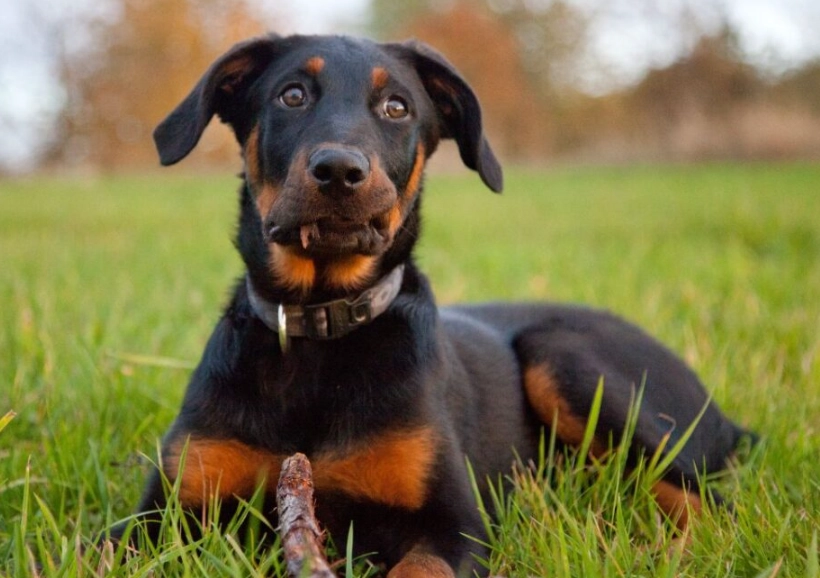
What Exactly Is a Beauceron? Unpacking the "Berger de Beauce"
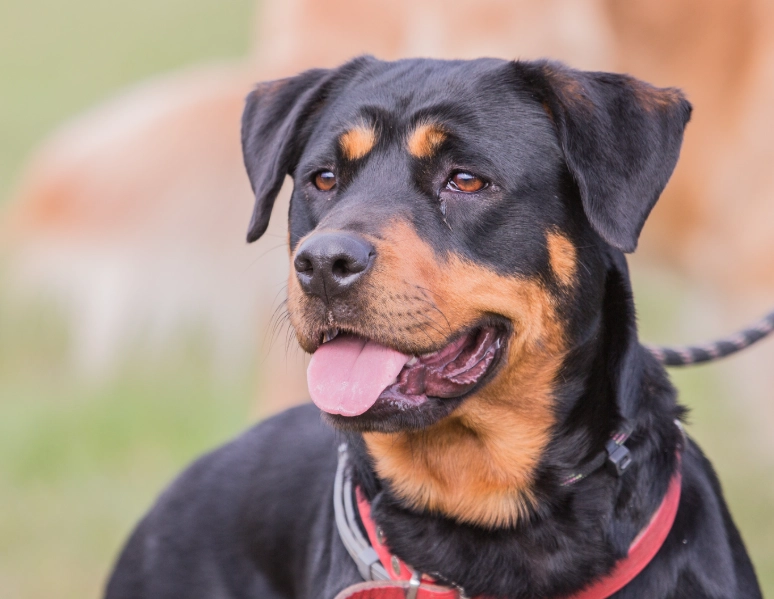
The Beauceron Look: More Than Just a Tough Exterior
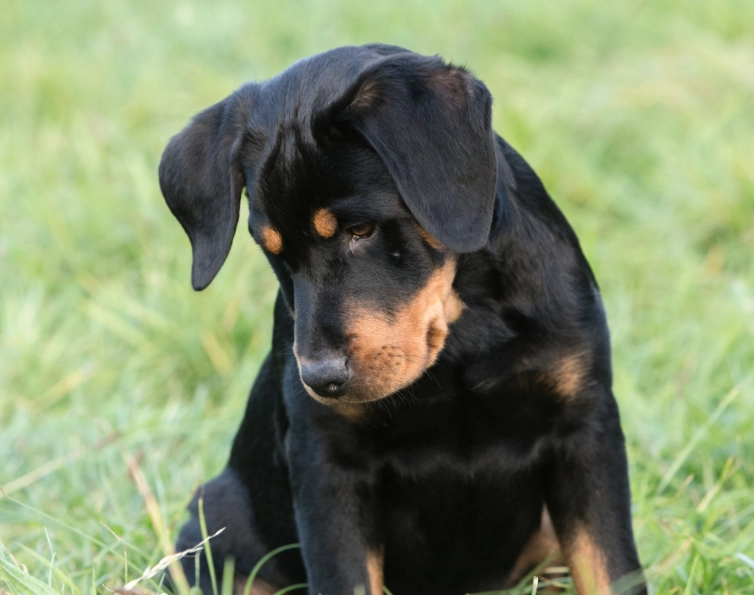
The Beauceron Mind: A Brilliant, Demanding Personality
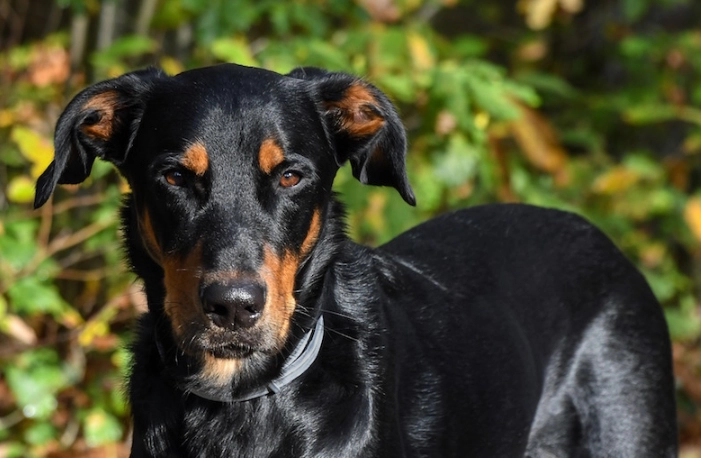
Are They Good with Other Pets?
Beauceron vs. The World: How Do They Stack Up?
Breed
Key Similarities
Key Differences (Compared to Beauceron)
Best For...
Doberman Pinscher
Loyal, intelligent, protective, sleek appearance.
Often more overtly handler-focused, slightly less independent, generally lower exercise needs, more common (easier to find a breeder).
Someone wanting a slightly more "velcro" protector in a similar package.
German Shepherd
High intelligence, versatile worker, strong guardian instinct.
More prone to anxiety/nervousness, higher grooming needs (shedding!), often more openly social, wider range of drive/energy levels.
Someone interested in a widely-available, proven all-rounder for sport or work.
Rottweiler
Powerful, confident, family guardian.
Generally more physically powerful/stocky, can be more territorial, often has a lower "activation energy" for exercise, less of a herding mentality.
Someone seeking a powerful, imposing presence with a slightly more relaxed pace at home.
Belgian Malinois
Extreme drive, intelligence, energy, work ethic.
Even higher intensity, more sensitive, less physically sturdy, more prone to obsessive behaviors. Often considered "more dog" than a Beauceron.
Professional handlers, elite sport enthusiasts, or the exceptionally experienced.
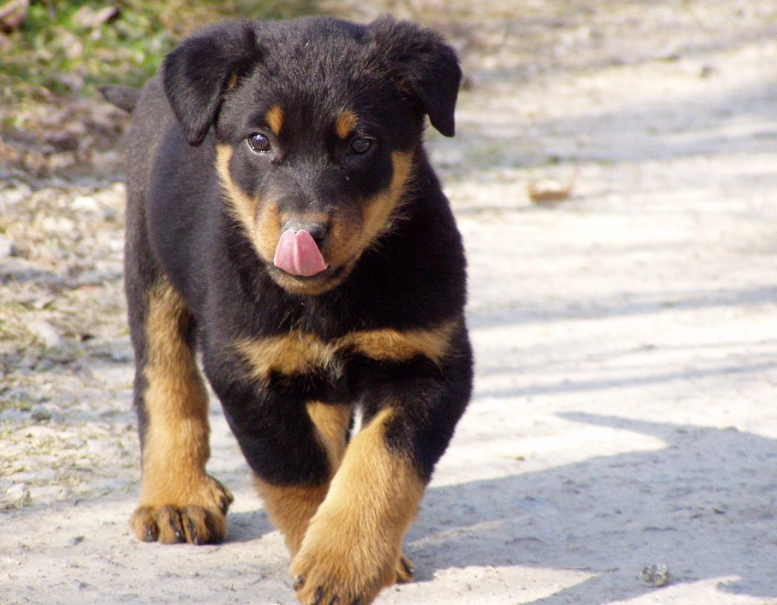
Living With a Beauceron: The Day-to-Day Reality
Exercise: Non-Negotiable and Extensive
Training: Firm, Fair, and Never-ending
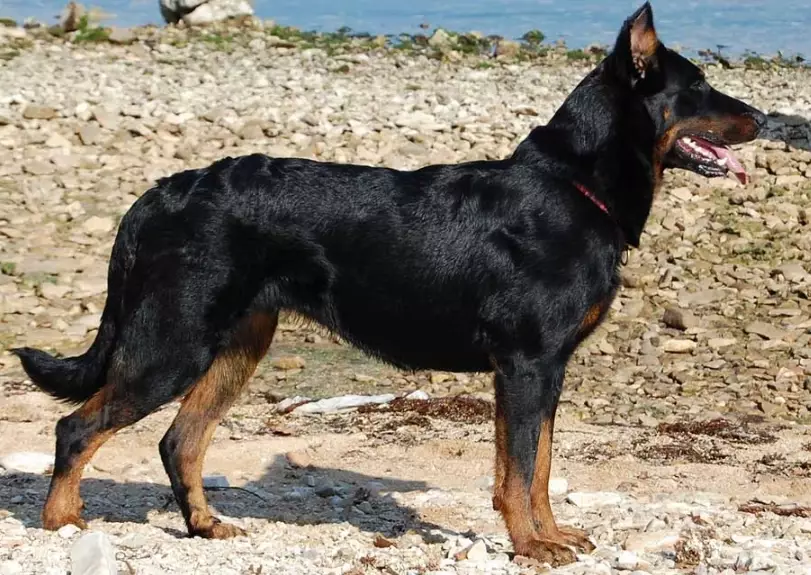
Grooming and Health: Surprisingly Straightforward
The Financial and Time Commitment
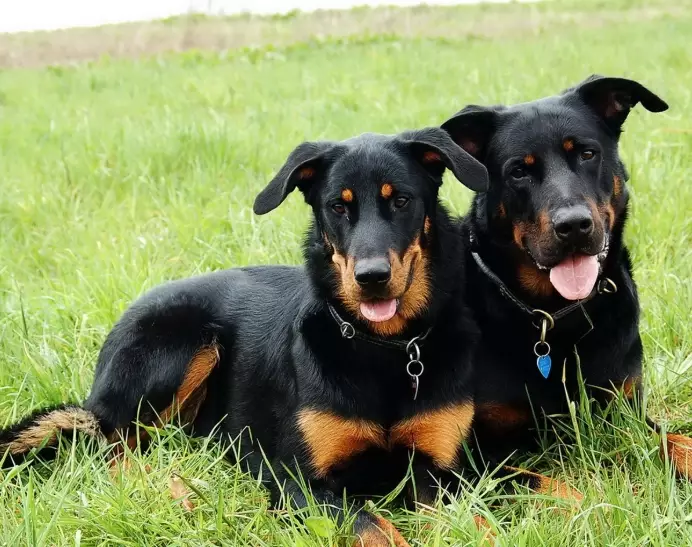
Finding a Beauceron Puppy or Rescue
Answering Your Burning Questions
Is a Beauceron a good first dog?
Can a Beauceron live in an apartment?
Are Beaucerons aggressive?
How do they handle being alone?
What's the biggest misconception about the breed?
The Final Verdict: Who Should (and Shouldn't) Get a Beauceron
I remember the first time I met a Beauceron in person. It wasn't at a show; it was at a hiking trail. The owner, a fit guy in his 40s, looked both proud and utterly exhausted. The dog was magnificent – calm, observant, moving with this effortless power. We got talking, and he said something that stuck with me: "He's the best dog I've ever owned, and the hardest. He needs a job, even on weekends." That conversation changed my entire perspective on what owning a working breed really means.
Quick Identity Check: The Beauceron is frequently confused with the Doberman Pinscher or a larger, fluffier Rottweiler. But they're a distinct, ancient breed. While Dobermans were created in the late 1800s using several breeds (possibly including the Beauceron!), the Beauceron's lineage is much older and purer as a working farm dog.
At their core, a well-bred, well-socialized Beauceron is confident, fearless, and deeply loyal to their family. They are natural guardians, not through blind aggression, but through a calculated assessment of threat. They are often aloof with strangers – not unfriendly, but reserved, taking their time to warm up.
The #1 Issue: Mental Stimulation. This is not a dog that will be content with two walks a day. A bored Beauceron is a destructive Beauceron. We're not talking about chewing a shoe. We're talking about redesigning your drywall, deconstructing your sofa, or figuring out how to open cabinet latches. Their brain needs constant engagement.
Seriously, the exercise thing cannot be overstated.
Writing all this out, I keep thinking back to that man on the hiking trail. He had the look of someone who had put in the work. His Beauceron wasn't just a pet; it was a testament to that partnership. It's a beautiful thing, but it's hard-won. There are easier dogs to love. But for the right person, there may be no deeper connection than the one you can forge with a Beauceron. Just go in with your eyes wide open. Know what you're signing up for. If you can meet the challenge, you'll be rewarded with one of the most capable, loyal, and remarkable dogs on the planet.
Comment