I remember the first time I saw a Bichon Frisé – this little white puffball came bouncing into the dog park, and honestly, I thought it was some kind of animated toy. That's the thing about Bichons, they have this almost unreal quality to them. But behind that cotton ball exterior is a real dog with real needs, and that's what we're going to explore today. Let's start with the basics. The Bichon Frisé (pronounced bee-SHON free-ZAY) is a small breed that typically weighs between 10-20 pounds. They're part of the Barbichon family, which includes other fluffy white dogs like the Maltese and Havanese. Originally bred as companion dogs for European nobility, these dogs have been charming humans for centuries. What most people notice first is their distinctive white coat. It's not just for show – that double coat served a practical purpose for Mediterranean sailors who valued these dogs as companions and ratters. The curly outer coat protects against elements while the soft undercoat provides insulation. You might think a dog this cute would be aloof or high-strung, but Bichons are surprisingly down-to-earth. They're known for their cheerful disposition and love of human companionship. This isn't a breed that does well left alone for long periods – they thrive on interaction and can develop separation anxiety if isolated too much. Their temperament makes them excellent family pets. They're generally good with children and other animals, though early socialization is key. I've seen Milo adapt to everything from noisy toddlers to grumpy cats with remarkable grace. Here's where things get interesting. Bichon Frisé dogs are intelligent and eager to please, but they can also be stubborn. Positive reinforcement works wonders – treats, praise, and play sessions are much more effective than harsh corrections. House training can be challenging with this breed. They're small, which means small bladders, and some can be notoriously difficult to potty train. Consistency is your best friend here. Crate training helped immensely with Milo, though it took a good three months before he was completely reliable. Let's talk about the elephant in the room – that beautiful coat doesn't maintain itself. Grooming a Bichon Frisé is a significant commitment, both time-wise and financially. Their hair grows continuously, much like human hair, and requires regular attention to prevent matting. Most owners opt for professional grooming every 4-6 weeks, which can cost $50-100 per session depending on your location. Between appointments, you'll need to brush your Bichon several times a week. I've found that daily quick brushing sessions work better than marathon sessions once a week. I learned grooming the hard way – my first attempt at home grooming left Milo looking like he'd lost a fight with a lawnmower. It takes practice, but many owners eventually find a rhythm with home maintenance between professional grooms. Like many purebred dogs, Bichon Frisé have some breed-specific health concerns to be aware of. They're generally healthy dogs with a lifespan of 12-15 years, but there are a few conditions that pop up more frequently in this breed. According to the American Kennel Club, Bichons are prone to allergies, bladder issues, and joint problems like luxating patellas. Regular vet check-ups are crucial for early detection of these issues. Here are the health concerns every potential Bichon Frisé owner should know about: Allergies: Both food and environmental allergies are common. Symptoms include itching, ear infections, and skin irritation. Bladder Stones: Bichons have a higher incidence of bladder stones than many breeds. Proper hydration and diet management can help prevent them. Dental Issues: Small breeds often have dental crowding, making them prone to periodontal disease. Daily teeth brushing is ideal. Luxating Patella: This knee joint issue is common in small breeds. Mild cases may not need treatment, but severe cases can require surgery. Regular exercise is important for maintaining a healthy weight, which helps prevent joint issues. Bichons don't need massive amounts of exercise – a couple of short walks daily plus playtime is usually sufficient. This is the million-dollar question. A Bichon Frisé might be perfect for you if: You might want to reconsider if: I always tell people that getting a Bichon Frisé is like adopting a permanent toddler with hair. They need attention, they're messy eaters (those white beards show every bit of drool), and they want to be involved in everything you do. What's it actually like to live with one of these fluffy companions? The day usually starts with a morning potty break followed by breakfast. I've found that feeding Milo from a slow-feeder bowl helps prevent him from eating too fast and getting an upset stomach. Throughout the day, he follows me from room to room, content to nap nearby while I work. The afternoon usually involves a walk around the neighborhood – he's surprisingly good on leash for a small dog. Evenings are for cuddling on the couch, though he'll occasionally get the "Bichon buzzies" and race around the living room for no apparent reason. One thing that surprised me was how food-motivated Bichons can be. Training was relatively easy because Milo would do just about anything for a piece of chicken. This also means you need to be careful about weight management – it's easy to over-treat these charming little dogs. Let's talk numbers, because the financial commitment is real. Beyond the initial purchase price (typically $800- $2,000 from a reputable breeder), you have ongoing costs: These are estimates, and costs vary by location. Grooming in urban areas tends to be more expensive, for example. Pet insurance is worth considering – it's saved me thousands when Milo needed allergy testing and treatment. After eight years with Milo, I can honestly say that Bichon Frisé dogs are special. They're not the right fit for everyone – the grooming demands are significant, and they need plenty of attention. But if you have the time, budget, and desire for a constant companion, there are few breeds more devoted or cheerful. What continues to surprise me is how much personality is packed into that small frame. Bichons are clever, sometimes mischievous, and always entertaining. They have a way of becoming the center of your world without you even realizing it. Just be ready for strangers to stop you constantly to ask about your beautiful dog. And maybe invest in a good vacuum cleaner – while they don't shed much, that white hair shows up on everything. Thinking about adding a Bichon Frisé to your family? Visit the American Kennel Club's website for more breed information, or consider reaching out to breed-specific rescues if you're open to adopting an adult dog. Either way, you'll be gaining a loyal friend who will fill your days with laughter and your heart with joy. Just don't say I didn't warn you about the grooming.Quick Guide Navigation
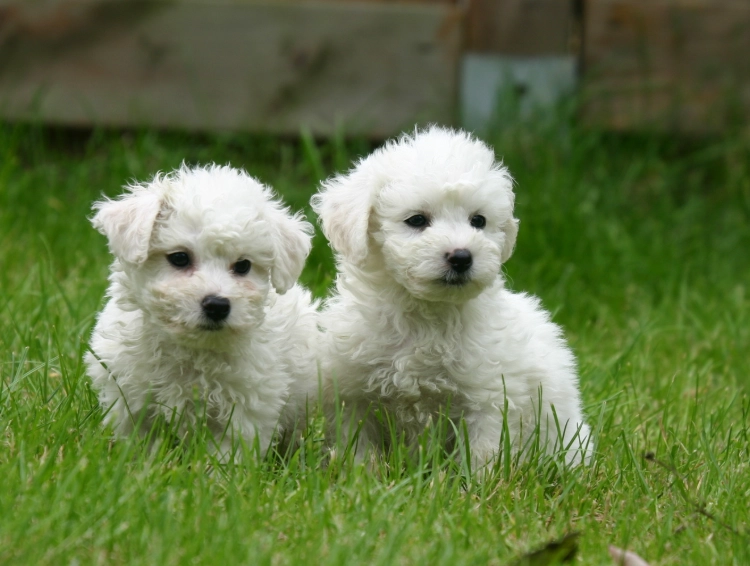
What Exactly is a Bichon Frisé?
Bichon Frisé Personality: More Than Just a Pretty Face
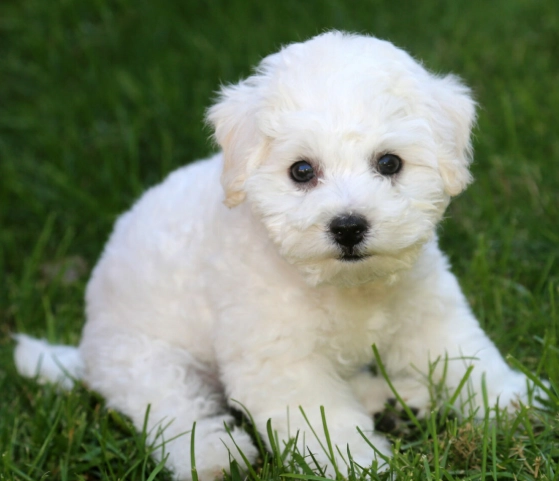
Training Your Bichon Frisé
Training Aspect Difficulty Level Tips for Success House Training Medium-High Consistent schedule, crate training, positive reinforcement Basic Obedience Medium Short sessions, high-value treats, keep it fun Socialization Easy Start early, expose to various environments Grooming Cooperation Medium Start young, make it positive, gradual introduction The Reality of Bichon Frisé Grooming
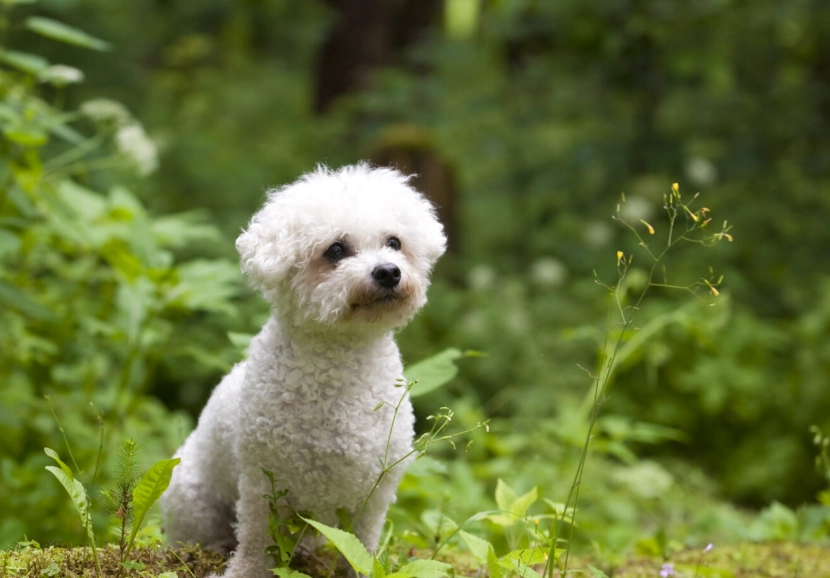
DIY Grooming Essentials
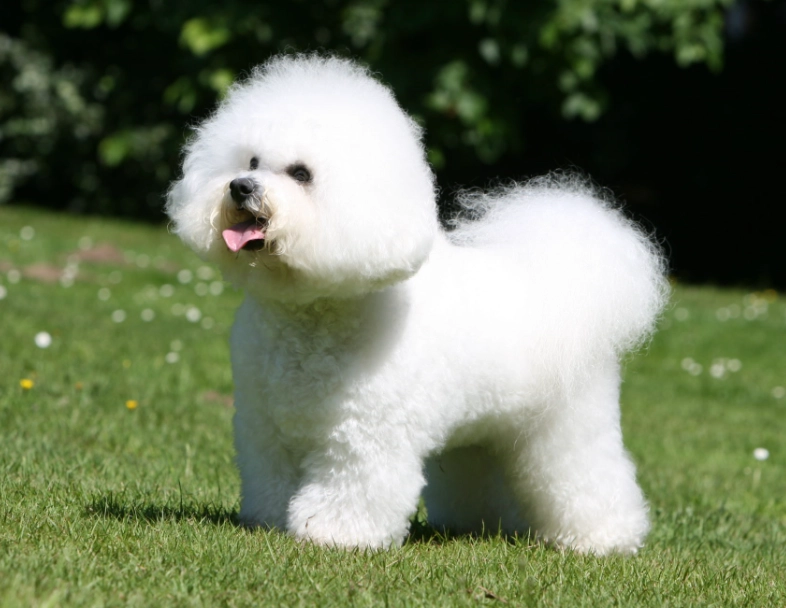
Health Considerations for Bichon Frisé Dogs
Common Health Issues
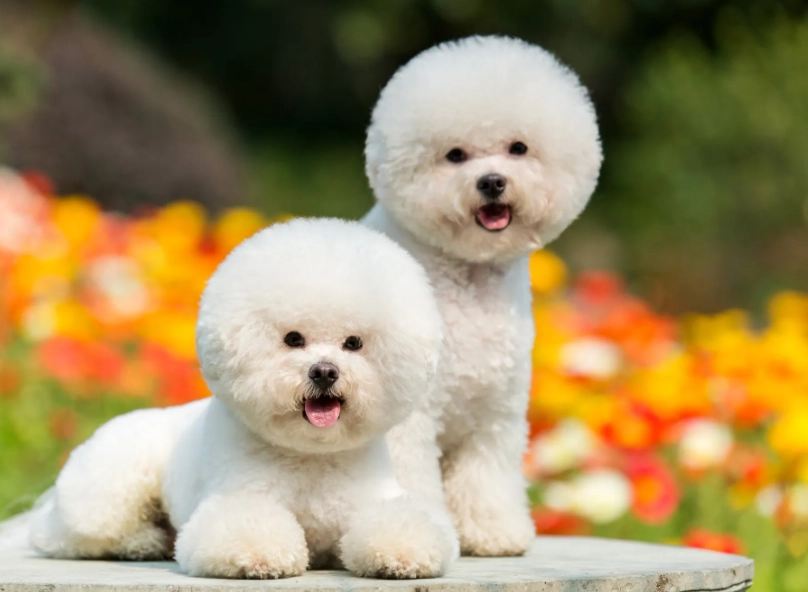
Is a Bichon Frisé the Right Dog for You?
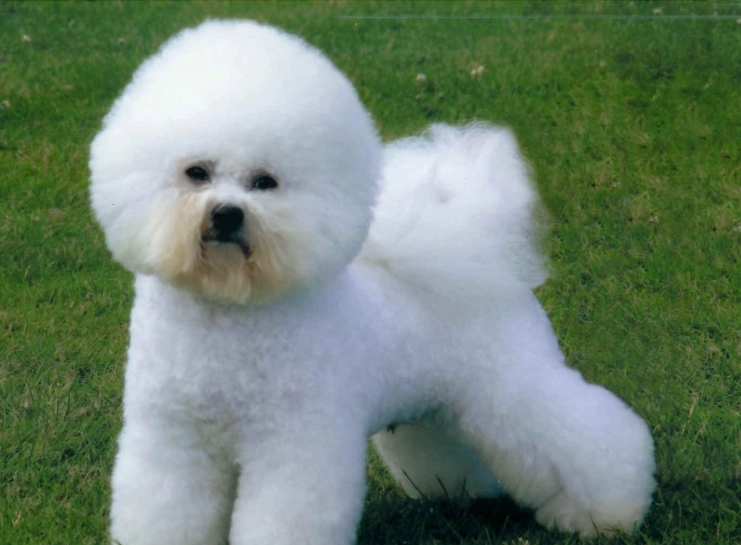
Bichon Frisé Frequently Asked Questions
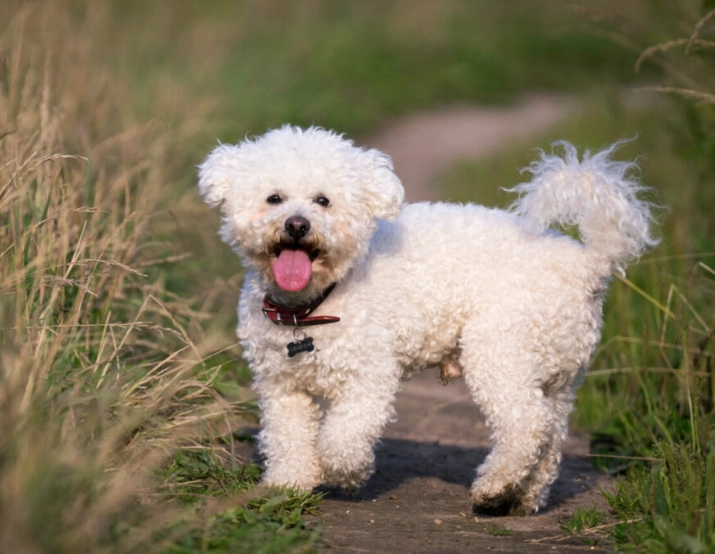
Living with a Bichon Frisé: The Day-to-Day Reality
Cost of Owning a Bichon Frisé
Expense Category Estimated Annual Cost Notes Food $200-400 High-quality small breed formula Grooming $600-1,200 Every 4-6 weeks at $50-100 per session Veterinary Care $300-600 Routine care, vaccinations, preventatives Training $100-300 Puppy classes, obedience training Supplies $200-400 Bed, leash, collar, toys, grooming tools Emergency Fund Variable Recommended: $1,000-2,000 set aside Final Thoughts on the Bichon Frisé
If you're considering bringing a Bichon Frisé into your life, you're probably wondering: are they as high-maintenance as they look? The short answer is yes, but in the most rewarding way possible.
I've had my Bichon, Milo, for eight years now, and people still stop me on the street to ask what kind of dog he is. There's something about that cheerful face and springy walk that just captures hearts.
Bichons are often described as "merry" in breed standards, and that's spot on. They have a spring in their step that's contagious, even on rainy Monday mornings.
Neglecting grooming doesn't just make your Bichon look scruffy – mats can pull on the skin, cause discomfort, and lead to skin infections. This is non-negotiable care.
Milo developed environmental allergies around age three. We went through several months of trial and error with different foods and medications before finding what worked. It was frustrating, but seeing him comfortable again was worth every vet visit.
You want a companion dog that thrives on human interaction You have time for regular grooming (or budget for professional grooming) You live in an apartment or small space You want a generally good-natured family pet
You're away from home for long hours regularly You have a limited budget for grooming and healthcare You want a low-maintenance dog in terms of coat care You prefer independent dogs that don't need constant companionship
Are Bichon Frisé dogs hypoallergenic?
Yes and no. They shed very little, which makes them better for people with allergies than many breeds. However, no dog is truly hypoallergenic. People are usually allergic to dander and saliva, not just hair. Bichons produce less dander than many breeds, but they still produce some.
How much exercise does a Bichon Frisé need?
They're moderately active dogs. A couple of 20-30 minute walks daily plus some playtime is usually sufficient. They have bursts of energy but are generally happy to lounge around with their people.
Are Bichons good with children?
Generally yes, they're patient and gentle. However, like any dog, they should be supervised with young children who might not understand how to interact gently with a small dog.
Do Bichon Frisé bark a lot?
They can be vocal, especially when alerting to visitors or unusual sounds. Proper training can manage excessive barking, but they'll never be completely silent watchdogs.
What's the best way to find a reputable Bichon Frisé breeder?
Look for breeders who health test their breeding dogs (OFA certifications for hips, patellas, etc.), allow you to visit their facility, and ask you as many questions as you ask them. The Bichon Frise Club of America has a breeder referral list that's a good starting point.
The hardest adjustment was the grooming. I underestimated how much maintenance that white coat requires. But the companionship? Worth every brushing session and grooming appointment.
If you're prepared for the grooming commitment and want a dog that will be your shadow, your comedian, and your comfort, a Bichon Frisé might just be perfect for you.
Comment