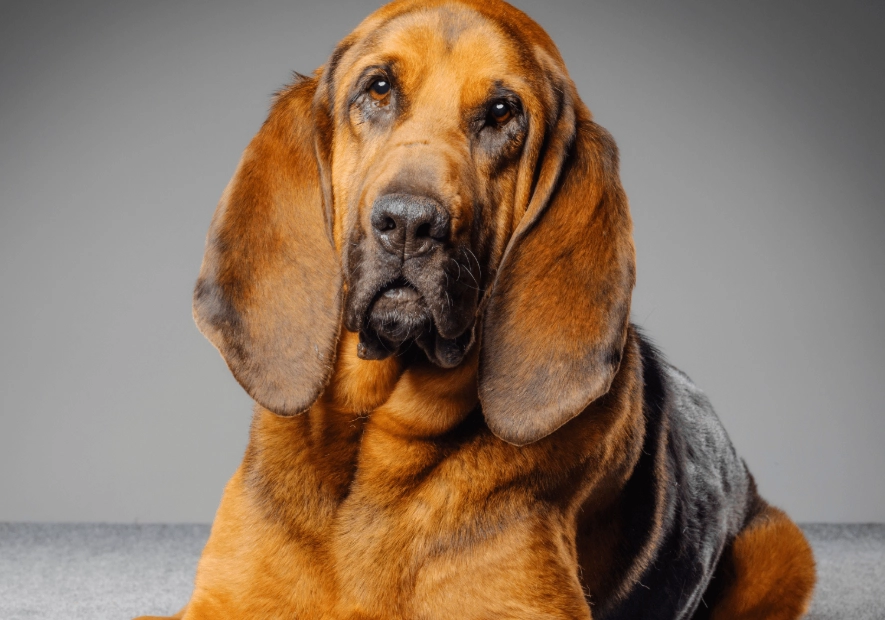
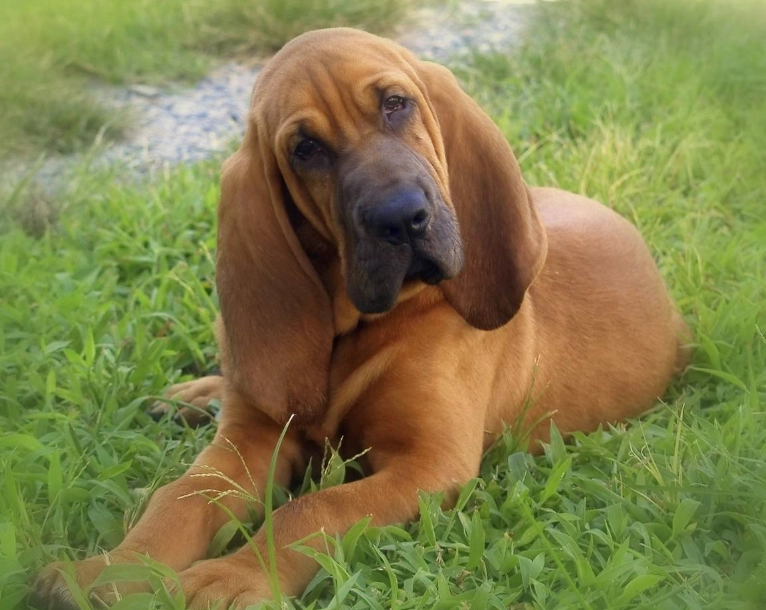
Let's talk about the Bloodhound. You've probably seen them in movies, those dogs with the incredibly long ears, saggy skin, and a nose that's practically a supercomputer. Maybe you're thinking about bringing one into your home, or you're just fascinated by this ancient breed. I get it. There's something about them that pulls at the heartstrings. But here's the thing a lot of articles don't tell you: owning a Bloodhound is not like owning a Labrador. It's a commitment of a different magnitude. I remember visiting a friend who had one named Barnaby. You couldn't find a sweeter soul, but my goodness, the drool. It was on the ceiling. The ceiling. How does that even happen? And the stubbornness? Legendary. Barnaby once decided a walk was over halfway through and just... sat down. For forty minutes. So, if you're here for a quick, glossy overview, you might want to look elsewhere. This guide is for the person who wants the real, unfiltered picture. We're going deep on everything from that famous nose (it's even more amazing than you think) to the less glamorous realities of slobber and an independent streak a mile wide. By the end, you'll know if your life has room for a gentle, loving, and profoundly messy detective. First off, let's clear something up. The name "Bloodhound" has nothing to do with temper or a taste for blood. It's an old English term, "blooded hound," meaning a hound of pure, aristocratic bloodlines. These dogs are the OG of scent hounds. Their history is written in their DNA, tracing back to medieval Europe, where they were the prized hunting companions of monks and nobility. The monks at the Saint-Hubert monastery in Belgium are often credited with refining the breed, which is why you'll sometimes hear them called St. Hubert Hounds. The American Kennel Club (AKC) classifies them in the Hound group, and they're one of the foundation breeds for many other scent hounds. When you look at a Bloodhound, you're looking at a living piece of canine history. Their entire being is built for one purpose: finding a scent and following it, no matter what. We all know Bloodhounds have a great sense of smell, but the numbers are mind-blowing. A dog's sense of smell in general is about 10,000 to 100,000 times more acute than ours. For the Bloodhound, it's at the top of that scale. They have up to 300 million scent receptors (we have about 5 million). The part of their brain devoted to analyzing smells is proportionally 40 times larger than ours. Here's the kicker: A Bloodhound's sense of smell is so accurate and their evidence so reliable that it can be, and often is, admitted as evidence in a court of law. That's a level of trust we don't give to any other breed. They can follow a trail that is days old, across water, and through heavily contaminated areas. It's not just tracking; it's a form of time travel through scent. Their physical design is perfect for the job. Those long ears? They're not just for show. As the dog moves its head low to the ground, the ears sweep scent particles up toward its nose. The loose, wrinkled skin around the face and neck helps trap and hold scent molecules. Even their drool plays a role, keeping their olfactory system moist and functional. This is where people get surprised. Given their serious, solemn expression, you might expect a stern dog. The reality is the polar opposite. At home, the typical Bloodhound is a gentle, affectionate, and somewhat goofy companion. They are famously good with children, displaying a patience that seems almost saintly. They are pack animals at heart and form incredibly strong bonds with their families. But. There's always a but. That legendary nose comes with a legendary single-mindedness. When a Bloodhound is on a scent, the rest of the world ceases to exist. Commands, recalls, promises of treats—it all fades into white noise. This isn't disobedience in the classic sense; it's a genetic imperative so strong it overrides almost all other brain functions. You can't train this out of them. It's who they are. They are also notoriously stubborn. Not aggressive, mind you. Just... willful. Training requires immense patience, consistency, and a good sense of humor. They are sensitive souls and do not respond well to harsh methods. Positive reinforcement is the only way forward. Okay, so you're still interested. Let's get into the nitty-gritty of what life actually looks like. This surprises people. A Bloodhound doesn't need to run marathons. They are actually quite content with a couple of good, long walks a day (45-60 minutes total). But here's the key: it's not about the distance, it's about the sniffing. A 20-minute walk where they get to investigate every single blade of grass and fire hydrant is more satisfying to a Bloodhound than a 5-mile jog on a boring path. Their real exercise is mental, and it comes from using their nose. Scent work games are not just fun; they are essential. Hiding treats in the yard, using puzzle toys, or even formal AKC Tracking or Nose Work activities will tire them out more effectively than any run. A bored Bloodhound is a destructive Bloodhound. The coat is short, dense, and pretty low-maintenance. A good weekly brush with a rubber curry brush or a hound glove is usually enough to remove loose hair and distribute skin oils. The wrinkles, though, need attention. You need to clean in between those skin folds regularly (a damp cloth, then dry thoroughly) to prevent infections. The ears are long and floppy, creating a dark, warm environment perfect for yeast and bacteria. Weekly ear cleaning with a vet-approved solution is a must. And then there's the drool. You'll learn to spot the "head shake" warning. Having towels handy on door handles, couch arms, and in the car becomes second nature. Some owners even put a "slobber bandana" on their hound to catch the worst of it. Start early. Socialization is critical. Expose your Bloodhound puppy to all sorts of people, places, sounds, and other animals in a positive way. They are sensitive, so keep it fun. Basic obedience is non-negotiable. "Sit," "stay," and a rock-solid "leave it" are lifesavers. But the most important command you will ever teach a Bloodhound is a reliable recall. And I'll be honest with you—even the best-trained Bloodhound's recall will fail when a compelling scent is present. This is why I, and every responsible Bloodhound owner I know, never recommends off-leash time in unsecured areas. It's simply too risky. Their drive is too strong. Use high-value treats (think real meat, cheese) and keep sessions short and engaging. If you get frustrated, end the session on a positive note. Come back to it later. Like all purebred dogs, Bloodhounds are prone to certain health conditions. Being aware of them helps you be a proactive owner. A reputable breeder will screen their breeding stock for these issues. Always ask to see health clearances from organizations like the Orthopedic Foundation for Animals (OFA). Regular vet check-ups, a high-quality diet appropriate for a large-breed dog, and keeping them at a lean, healthy weight are the best things you can do for their longevity. The average lifespan for a Bloodhound is 7-10 years, which is sadly on the shorter side for a dog their size. A Critical Note on Bloat: This is the number one killer of large, deep-chested breeds like the Bloodhound. Talk to your vet about the signs. Many owners opt for a preventive gastropexy surgery (often done when the dog is spayed/neutered) which tacks the stomach to the body wall to prevent twisting. It's a serious consideration for any Bloodhound owner. Let's be brutally honest. This breed isn't for everyone. Ask yourself these questions: If you answered "yes" to all of these, you might just be the perfect person for a Bloodhound. If you decide to buy a puppy, do your research. Avoid pet stores and online marketplaces. Seek out breeders who are members of the American Bloodhound Club (the AKC parent club) and who prioritize health, temperament, and the betterment of the breed. They will ask you as many questions as you ask them. Expect to be on a waiting list. Consider adoption. There are breed-specific rescues, like those affiliated with the American Bloodhound Club, that often have wonderful dogs of all ages looking for a second chance. An adult dog's personality is already established, which can be a great advantage. At the end of the day, living with a Bloodhound is a unique experience. It's messy, it's challenging, and it requires a specific kind of person. But for the right person, it's also incredibly rewarding. There's nothing quite like the loyalty of a hound who has chosen you as their person, or the awe of watching that magnificent nose work. They are clowns, companions, and living history all wrapped in a wrinkled, slobbery package.Quick Navigation
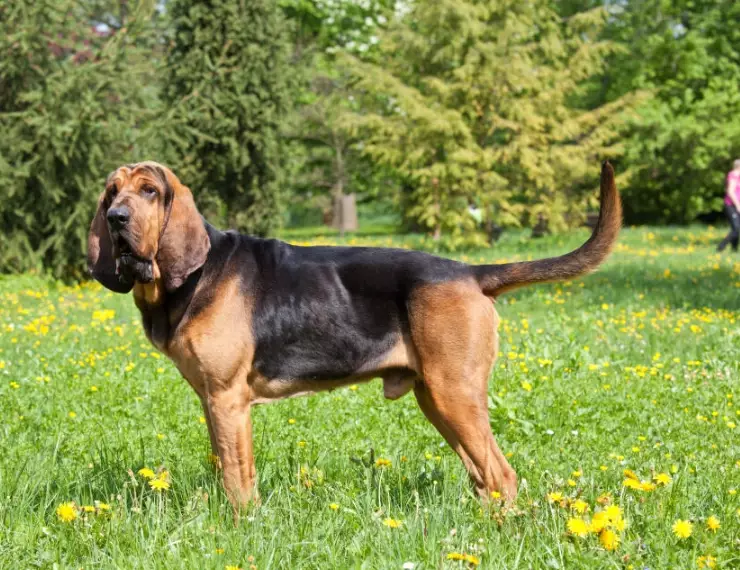
What Exactly is a Bloodhound? More Than Just a Nose
The Science Behind That Nose
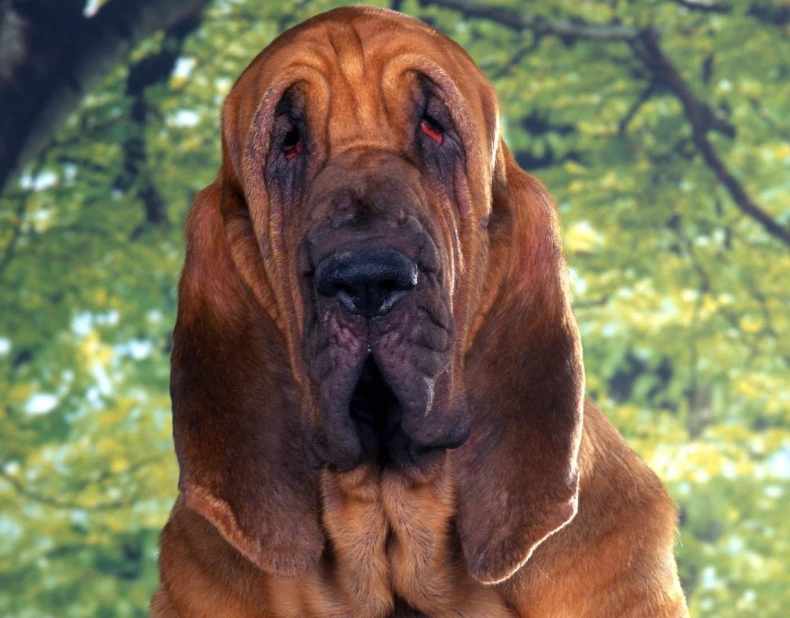
The Bloodhound's Personality: Gentle Giant or Stubborn Hound?
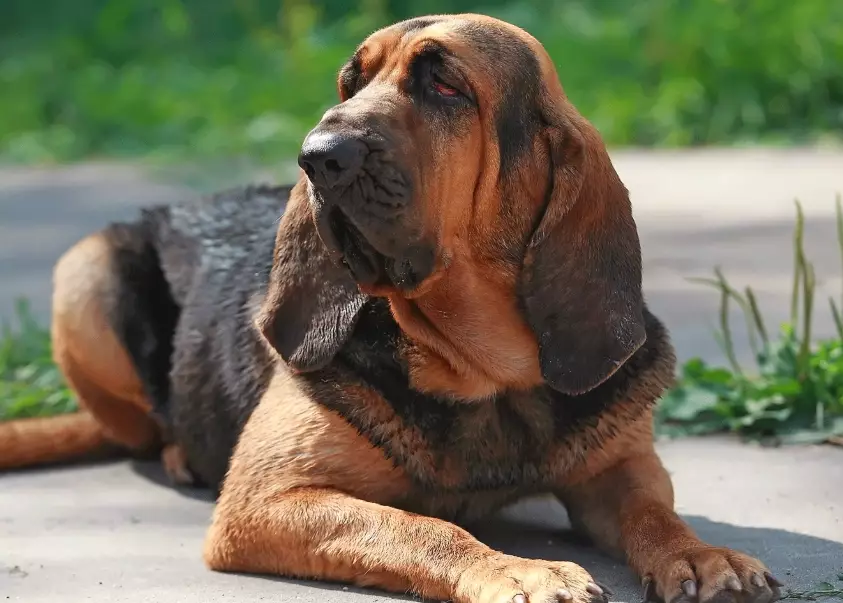
The Good Stuff (The Pros)
The Realistic Challenges (The Cons)
Living with a Bloodhound: The Day-to-Day Reality
Exercise Needs: More Mental Than Physical
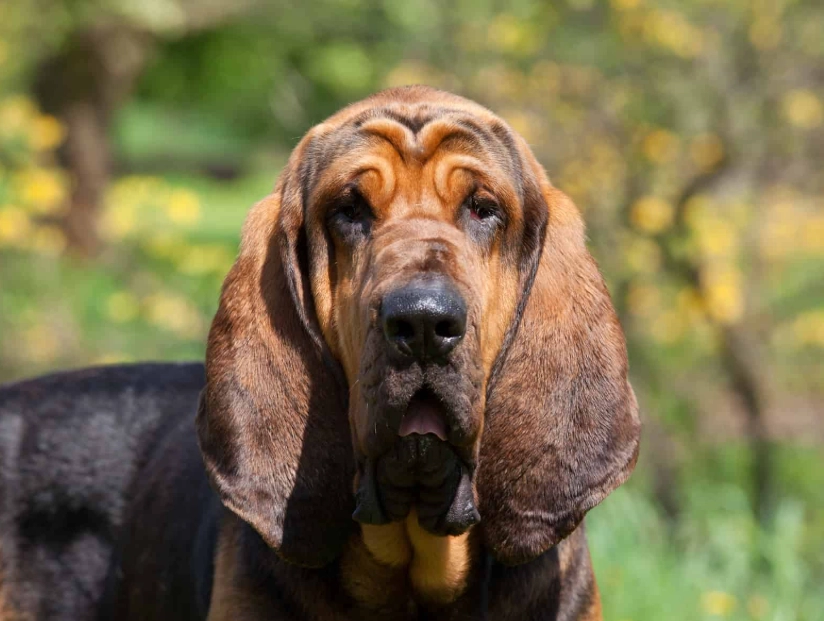
Grooming: It's Not That Hard, Honestly
Training: Patience is Your Best Command
Bloodhound Health: What You Need to Watch For
Health Condition
What It Is
Prevention/Management
Hip & Elbow Dysplasia
Malformation of the joints leading to arthritis and pain.
Buy from breeders with OFA/PennHIP clearances. Maintain a healthy weight. Provide joint supplements (e.g., glucosamine).
Bloat (Gastric Dilatation-Volvulus)
A life-threatening condition where the stomach fills with gas and twists.
Feed multiple small meals a day. Use a slow-feeder bowl. Avoid vigorous exercise right before and after eating. Know the symptoms (restlessness, drooling, unproductive vomiting).
Ear Infections
Common due to long, floppy ears that trap moisture.
Weekly cleaning and drying. Check ears regularly for odor or redness.
Ectropion & Entropion
Eyelid problems where the lid rolls outward (ectropion) or inward (entropion).
Regular eye checks. Surgery can correct problematic cases.
Skin Fold Dermatitis
Infections in the wrinkles of the face and neck.
Daily cleaning and thorough drying of all skin folds.
Is a Bloodhound Right For You? The Final Checklist
Finding a Bloodhound: Breeder vs. Rescue
Bloodhound FAQs: Your Quick Questions Answered
Is a Bloodhound the right dog for you? Let's find out.
See what I mean? It's a package deal. You can't have the scenting genius without the stubborn independence.
"Training a Bloodhound is less about giving commands and more about making suggestions they find worthwhile."
Are Bloodhounds good apartment dogs?
Surprisingly, they can be, if their exercise and mental stimulation needs are met. They are low-energy indoors. However, their size and potential for loud baying can be challenging in close quarters. A house with a yard is ideal.
How much exercise does a Bloodhound need?
About an hour of walking per day, broken into two sessions. Remember, sniffing is more important than speed or distance. Add in daily scent games or puzzle toys for mental exercise.
Are Bloodhounds aggressive?
No. They are one of the least aggressive breeds. Their temperament is typically gentle, patient, and friendly. Their size and deep bark can be intimidating, but it's all show.
Why do Bloodhounds howl?
They "bay" or "give tongue" when they are on a scent or excited. It's a deep, melodious sound bred into them to alert hunters they are on the trail. It can be quite loud!
Are they easy to train?
I won't sugarcoat it: no. They are intelligent but independent and easily distracted by smells. They require motivational, positive training methods and a lot of patience. They are not for first-time dog owners looking for an easy train.
Do Bloodhounds smell bad?
All dogs have a scent, and Bloodhounds have a distinct, mild "houndy" odor. It comes from their skin oils. Regular grooming and keeping their ears and wrinkles clean will keep it manageable. It's not an overwhelming smell if you stay on top of hygiene.
If you can embrace the whole package—the drool, the stubbornness, the epic sniffing adventures, and the unparalleled gentle love—then a Bloodhound might just be the most interesting friend you'll ever have.
Comment