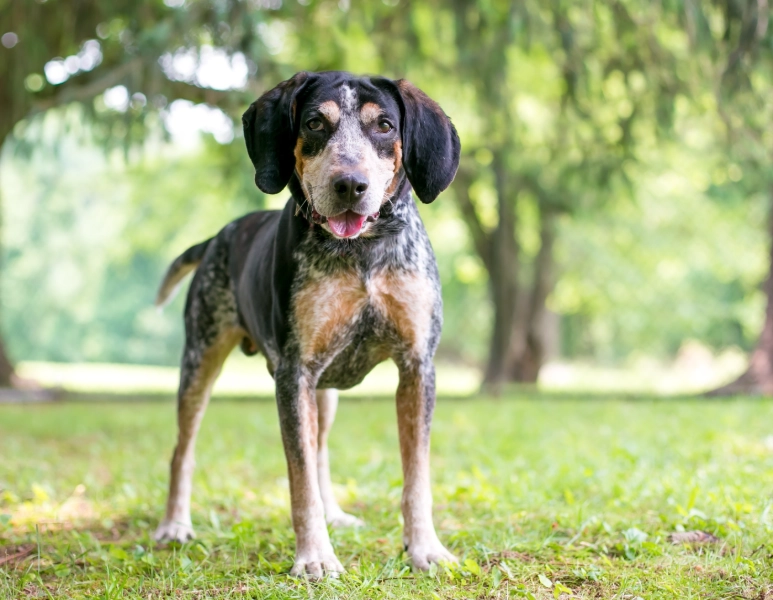
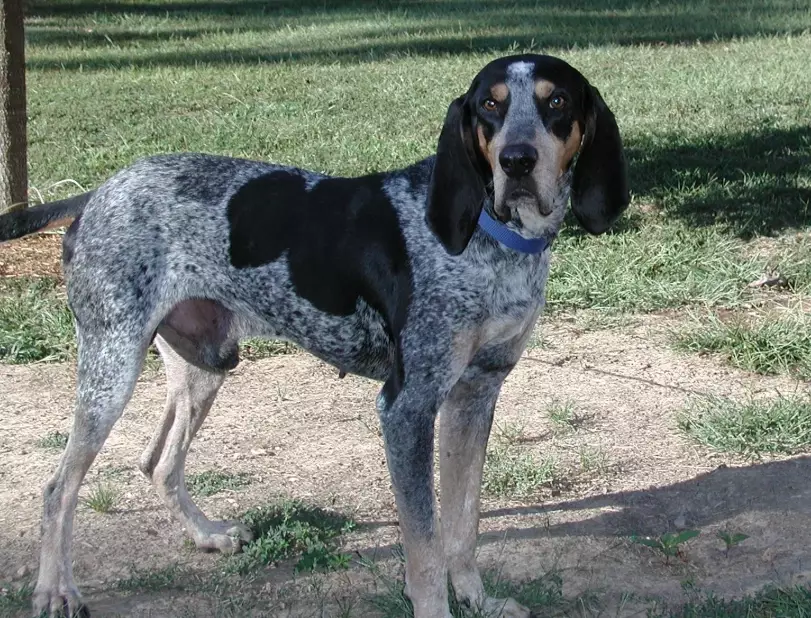
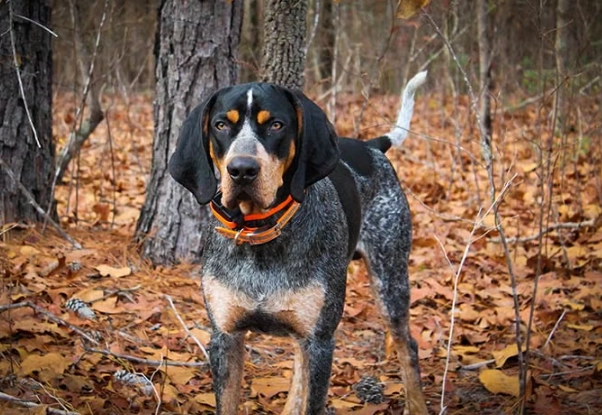
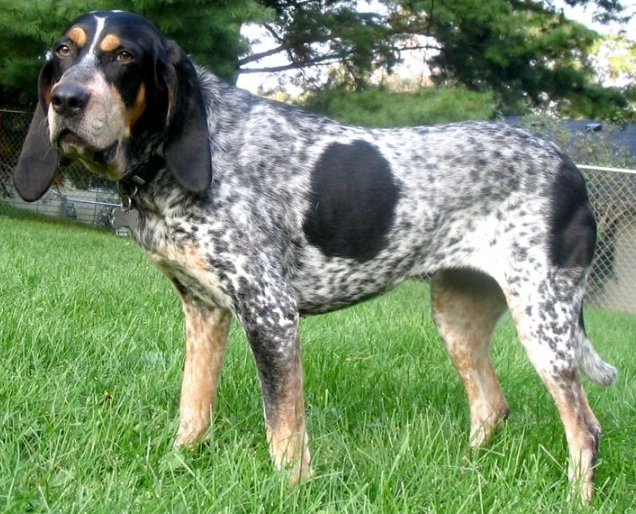
Let's be honest, the first thing that grabs you about a Bluetick Coonhound is that stunning, mottled blue and black coat. It's like someone took a starry night sky and wrapped it around a dog. I remember seeing one at a state fair as a kid, its deep, booming bark echoing across the grounds, and thinking it was the most serious-looking dog I'd ever seen. But looks are just the beginning. If you're here, you're probably wondering what it's really like to live with one of these iconic American hounds. Is a Bluetick Coonhound a good family dog? How much exercise do they actually need? And what's the deal with all that noise? Stick with me. We're going to dig past the beautiful exterior and into the heart of what makes this breed tick. This isn't just a list of breed stats—it's a real-world look from the perspective of someone who's talked to owners, trainers, and breeders to get the full, unfiltered picture. The good, the challenging, and the downright hilarious. You can't understand the Bluetick Coonhound without understanding its job. This breed wasn't developed to lounge on velvet cushions. Its history is written in the forests of the American South. Think about it: a dog bred to track a clever, nocturnal animal like a raccoon over miles of rough terrain, through water, and up trees, all while using its voice to tell the hunter exactly where it is. That's a specific set of skills. Their ancestry is a mix of English Foxhounds, French hounds (like the Grand Bleu de Gascogne brought over by French immigrants), and other American coonhound varieties. The goal was always utility—nose, endurance, voice, and grit. The distinctive "bluetick" pattern emerged as a defining trait, and the breed was officially recognized as separate from the English Coonhound by the United Kennel Club (UKC) in the mid-20th century, later gaining American Kennel Club (AKC) recognition in 2009. You can dive into the precise breed standard on the American Kennel Club's official Bluetick Coonhound page, which details the ideal physical and temperamental blueprint. Okay, let's talk temperament. If you want a placid, silent dog that gazes adoringly at you all day waiting for a command, look elsewhere. A Bluetick Coonhound's brain is wired differently. First, the good stuff—and there's plenty. Around their family, they are often affectionate, goofy, and deeply loyal. They can form strong bonds and are usually gentle. Many owners describe them as "clowns" in the home. But switch to "work mode," and it's like a different dog takes over. That legendary nose turns on, and their focus becomes absolute. This is the core of the Bluetick Coonhound temperament: a dual-purpose nature. They were bred to make decisions miles away from their human, following a scent trail without constant guidance. This translates to a notable independent streak. It's not disobedience out of spite; it's just that following an interesting smell often seems like a better idea than your "come" command. This intelligence requires patience, not brute force. This is the big one. The Bluetick Coonhound voice is a musical, drawn-out bay or howl. It's loud, it carries, and they use it for communication—when they're excited, when they're on a scent, when they're bored, when a leaf blows suspiciously across the yard. If you have close neighbors or live in an apartment, this is a deal-breaker. Seriously. I've spoken to owners in suburban subdivisions who have had noise complaints. It's not a "yappy" bark; it's a profound, resonant sound that's part of their soul. They are also known for being somewhat reserved or aloof with strangers. They're not typically aggressive, but they might give newcomers a dignified once-over before deciding to be friends. This, combined with their size and bark, can make them decent watchdogs—they'll definitely let you know someone's there. So how big does this package of energy and noise get? The Bluetick Coonhound is a substantial, muscular dog built for stamina. Let's break it down. That weight range is important. I've seen some working-line male Blueticks that are lean machines right at 55 pounds, and others from show lines that are stockier and push the 80-pound mark. It really depends on breeding and diet. This is the million-dollar question. The answer is a conditional yes, but with major, non-negotiable caveats. They can be wonderful with children they are raised with, typically patient and gentle due to their pack-oriented nature. However, their size and exuberance can accidentally knock over a toddler. Always supervise interactions. The bigger issue is their compatibility with a typical suburban family lifestyle. This is not a "plug and play" easy dog. They have intense needs. Their high prey drive is a fundamental trait. A Bluetick Coonhound may see cats, rabbits, or small dogs as something to chase. With careful, early socialization and management, some can live peacefully with cats they are raised with, but the instinct never fully disappears. Never trust them off-leash around small animals. With other dogs, they often do well, enjoying canine company. This is the most critical part of ownership. A bored, under-exercised Bluetick Coonhound is a demolition crew with a loudspeaker. We're not talking about a leisurely stroll around the block. Here's a break! Their short coat is low-maintenance. A weekly brush with a rubber curry brush or hound glove will remove loose hair and distribute skin oils. They shed, yes, and it's a fine hair that can stick to fabrics, but it's not like a Husky blowing coat. The main grooming focus should be their ears. Those long, floppy hound ears are prone to infections because they trap moisture and limit airflow. Get into a habit of checking and cleaning them weekly with a vet-approved ear cleaner. Nail trims and dental care are, as with all dogs, essential parts of routine care. Generally a robust breed, but like all purebreds, they have some predispositions. Responsible breeders test for these conditions. Always ask for health clearances. Feeding a high-quality diet and preventing obesity are crucial for joint health. The American Animal Hospital Association (AAHA) offers great resources on pet nutrition and wellness care that any owner should check out. Training a hound is an exercise in humility. They are smart but motivated by different things than, say, a Border Collie. Food is usually your best ally—high-value treats like small pieces of chicken or hot dog. If you get frustrated, remember: they're not being dumb. They're just following a million-year-old programming that says "Scent is life." Work with it, not against it. This is where you need to be incredibly careful. That adorable puppy in the online ad could be from a puppy mill. A good breeder's goal is to better the breed. They will: Start with the breed parent club, the American Kennel Club's breeder referral, or the United Kennel Club. Expect to be on a waiting list and pay a price that reflects the health testing and care put into the puppies (typically $800-$1500+). This can be a wonderful option. Many hounds end up in shelters or breed-specific rescues because owners underestimated their needs. Rescue dogs are often adults, so their personality and energy level are already known. Organizations like American Black and Tan Coonhound Rescue (which often helps other coonhound varieties) work tirelessly to place these dogs. You're giving a second chance to a deserving animal. Beyond the initial purchase or adoption fee, budget for: Are Bluetick Coonhounds aggressive? Not typically. They are often gentle with family but can be reserved with strangers. Their size and bark are intimidating, but aggression is not a breed trait. Poor socialization or training can cause issues in any dog. Can a Bluetick Coonhound live in an apartment? I would strongly advise against it. Their high energy and, more critically, their powerful, resonant voice make them poorly suited for shared-wall living. It's unfair to the dog and your neighbors. How hard are they to train? They are intelligent but independent. Basic obedience requires consistent, positive, and patient training. They excel at tasks that use their natural abilities (scent work) and can be frustratingly slow at others (like a perfect "heel"). Do they smell? All dogs have an odor. Hounds can have a distinctive "doggy" smell, especially if their ears aren't kept clean or if they get wet. Regular grooming and ear care minimize this. Bluetick Coonhound vs. other coonhounds? They are similar in purpose but differ in appearance and, subtly, in style. Treeing Walkers are often faster and more intense. Redbones are solid red. Black and Tans are black and tan. Blueticks are known for their colder, more methodical tracking style and that gorgeous mottled coat. If you have an active, outdoor-oriented lifestyle, live in a house with a understanding neighborhood (or better yet, some land), appreciate a dog with a mind of its own, and find beauty in that soulful bay, then yes, you might just have found your perfect, challenging, rewarding companion. They are not for everyone, but for the right person, they are absolutely unforgettable. My neighbor down the road has one named Duke. Hearing his deep, rolling bay echo through the woods in the evening isn't a nuisance to me; it's the sound of a dog doing exactly what he was born to do, loved by an owner who gets him. That's the goal.Key Insights
From Hunting Partner to Family Member: A Dash of History
The Bluetick Coonhound Personality: Not Your Average Sofa Buddy
The Independent Thinker (A Nice Way to Say "Stubborn")
The Voice: Bay, Howl, and Bark
By the Numbers: Bluetick Coonhound Size and Appearance
Feature
Male Bluetick Coonhound
Female Bluetick Coonhound
Height
22 to 27 inches at the shoulder
21 to 25 inches at the shoulder
Weight
55 to 80 pounds
45 to 65 pounds
Build
Athletic, muscular, and balanced. They should appear capable of endurance, not overly bulky or refined.
Coat
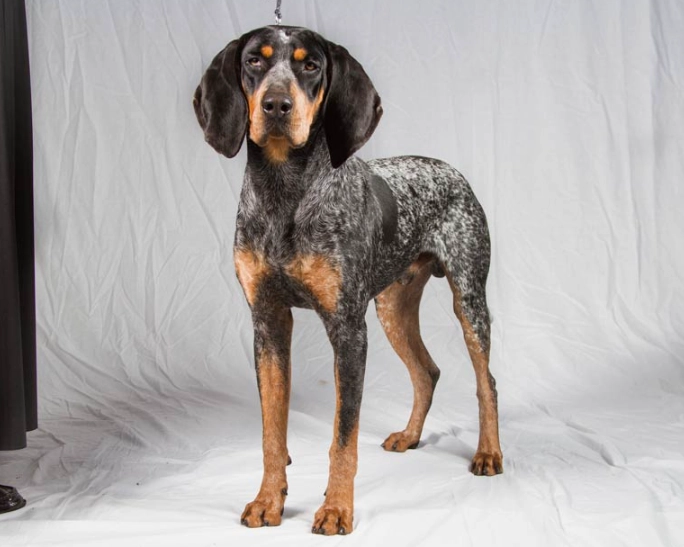
Short, dense, and glossy. The classic color is a dark blue, thickly mottled body with black spots on the back, ears, and sides. Tan markings over the eyes, on the cheeks, chest, and below the tail are common.
Eyes
Dark brown or hazel, with a pleading, hound-dog expression that can melt your heart one second and ignore you the next.
Lifespan
Average 11 to 12 years, though with good care, many live longer.
Is a Bluetick Coonhound a Good Family Dog?
Other Pets? Proceed with Caution.
Living with a Bluetick: The Daily Reality
Exercise Needs: Non-Negotiable

Grooming and Shedding: Easier Than You Think
Bluetick Coonhound Health: What to Watch For
Training Your Bluetick Coonhound: Patience is the Protocol
Finding a Bluetick Coonhound for Sale or for Adoption
Going Through a Reputable Breeder
Considering Bluetick Coonhound Rescue
The Cost of Owning a Bluetick Coonhound
Fun Fact: That "blue" color isn't blue like the sky. It's a black-and-white ticking pattern so dense that it gives a bluish-gray slate appearance from a distance. Get up close, and you'll see the individual black spots on a white background.
Real Talk: You cannot train the bay out of a Bluetick Coonhound. You can manage it with ample exercise and mental stimulation, but you are adopting a vocal instrument. Love it or make peace with it.
I once chatted with a family who got a Bluetick Coonhound puppy because their kids fell in love with the look. They were an active family, but their "activity" was weekend hikes and evening walks. It wasn't enough. The dog became destructive, vocal, and a source of stress. They ended up rehoming him with a hunter who had land. It was heartbreaking for everyone, especially the dog. That story always sticks with me.
Ears clean, nails trimmed, nose on the ground—that's the Bluetick motto.
Top Health Considerations for Bluetick Coonhounds:
So, is the Bluetick Coonhound the right dog for you?
Comment