Let's be real. You've probably seen those viral videos. A Border Collie flawlessly following a series of complex commands, or herding ducks in a backyard pool with intense focus. It's mesmerizing. It's also what plants the seed for a lot of people: "I want a dog that smart." I get it. I thought the same thing years ago before I got my first one, Finn. But here's the thing nobody tells you in those one-minute clips. Owning a Border Collie is less like having a pet and more like adopting a perpetual motion machine with a PhD in problem-solving. It's a full-time commitment, a lifestyle shift. This isn't a dog you just feed and walk. This is a canine partner that needs a job, every single day. So, before you fall head over heels for those expressive eyes and that legendary Border Collie intelligence, let's dig into what life with one truly entails. Originating from the border regions between Scotland and England (hence the name), the Border Collie was bred for one primary purpose: herding sheep. And not just nudging them along. We're talking about controlling large flocks over vast, rugged hillsides with minimal guidance from a distant shepherd. This required a unique combo of traits—intense stamina, lightning-fast reflexes, independent thinking, and a hyper-focus that borders on obsessive. The American Kennel Club (AKC) officially recognized the breed in 1995, which feels surprisingly recent for a dog with such a long working history. They describe the Border Collie as "a workaholic" and "the world's premier sheep herder," which is putting it mildly. You can read their official breed standard on the AKC website for all the details on appearance and temperament. Physically, they're medium-sized, athletic dogs, usually weighing between 30 to 55 pounds. You get two main coat types: the more common rough coat, which is medium-length with feathering, and the smooth coat, which is shorter and sleeker. Colors? Black and white is the classic, but they come in a whole rainbow—blue merle, red merle, chocolate, sable, and all sorts of combinations with or without white markings. But the coat and color are just wrapping paper. The real product inside is a brain that doesn't quit. Okay, let's talk about the elephant in the room. Are Border Collies really the smartest dogs? According to Stanley Coren's famous book *The Intelligence of Dogs*, which ranks breeds based on working and obedience intelligence, yes, the Border Collie tops the list. They can learn new commands in under five repetitions and obey on the first try 95% of the time or better. This genius-level intellect is a double-edged sword. A bored Border Collie is an inventor of mischief. They don't just chew a shoe; they'll unpack your entire gym bag, separate the socks from the shorts, and then maybe herd your cats into the bathroom. Their "job" becomes finding one, and you might not like their choice. This leads to common behavior issues if their needs aren't met: If the mental needs are high, the physical demands are stratospheric. A couple of walks around the block? That's a warm-up. A Border Collie needs vigorous, heart-pumping exercise for at least 1-2 hours every single day, rain or shine. We're talking about runs, hikes, intense games of fetch, or agility training. This isn't optional; it's essential maintenance. A tired Border Collie is (sometimes) a well-behaved Border Collie. An under-exercised one is a tornado of anxiety and unwanted behaviors. Think your fenced yard is enough? Think again. They won't just run laps by themselves. They need engagement. That's why activities that combine physical and mental work are pure gold: It's not excessive, but it's constant. That beautiful double coat sheds year-round, with heavier "blows" usually in spring and fall. A good brushing 2-3 times a week with an undercoat rake will keep most of the hair off your furniture and out of your food. They're generally clean dogs and don't have a strong "doggy" odor. Baths are only needed every few months or when they find something gross to roll in (a favorite hobby). These athletes need high-quality fuel. Look for a dog food formulated for active breeds, with real meat as the first ingredient. Be careful with portion control—they'll eat if food is there, but their calorie needs can vary wildly based on activity level. My vet always said it's easier to put weight on a Border Collie than to take it off, and keeping them lean is crucial for joint health. Forget harsh corrections. Border Collies are sensitive and respond poorly to heavy-handed methods. Positive reinforcement—using treats, praise, toys—is the only way to go. They want to please, but they also need to understand the "why." The key is consistency and clarity. If you let them jump on you when you're in sweats but scold them when you're in work clothes, you've just created a confusing puzzle they'll stress over. Make the rules black and white. Generally a robust breed, but they have some genetic predispositions. A responsible breeder will test for these. The Orthopedic Foundation for Animals (OFA) maintains databases for these health screenings, which any good breeder should participate in. With good care, a Border Collie's lifespan is typically 12-15 years. That's a long commitment to an active, demanding friend. Don't just ask if you want one. Ask if you can provide what it needs. If you're still nodding along, fantastic. The reward is a connection like no other. A Border Collie isn't just a pet; it's a witness to your life, a shadow, a partner in crime (and in stopping crime, if you teach them that). The loyalty and bond are profound. They can be, but it's situational. They often do well with older, respectful children who can participate in their training and play. Their herding instinct, however, can manifest as nipping at heels or trying to "herd" running, screaming small children, which can be scary for the kid. Supervised interactions and teaching the dog a solid "leave it" are mandatory. It's a huge challenge, but not impossible if—and this is a massive IF—you are religious about providing multiple hours of intense exercise and mental stimulation outside the apartment every single day. The apartment is just for sleeping and chewing puzzles. Without that absolute commitment, it's unfair to the dog and will lead to disaster. From a reputable breeder who does full health testing (OFA hips, eyes, MDR1, etc.), expect $1,200 to $2,500. The lower end from pet stores or online ads is a major red flag for puppy mills. Please, please adopt or go to a breeder who can show you health certificates and lets you meet the puppy's parents. Check the Border Collie Society of America for breeder referrals and rescue information. Not typically. They are not guard dogs. They are more likely to be shy or nervous than outright aggressive. However, a poorly bred, unsocialized, or frustrated Border Collie can develop fear-based reactivity, which can look like aggression. Early and ongoing socialization is non-negotiable. This is a big one. Show line (or bench line) Border Collies are bred to conform to kennel club appearance standards. They tend to be slightly calmer (emphasis on *slightly*). Working line Border Collies are bred solely for herding ability and drive, with less emphasis on looks. They are often more intense, higher energy, and possess an even stronger herding instinct. For a first-time owner, a show-line dog from health-tested parents might be a slightly easier introduction to the breed. Look, I love Border Collies. Finn changed my life. He made me more active, more patient, and he showed me a level of canine intelligence I didn't think was possible. But I also spent years feeling guilty if I had a busy day and couldn't give him his usual three-hour workout. I've replaced chewed baseboards and dealt with anxiety-driven barking. Getting a Border Collie is a decision that should be made with your head, not just your heart. They are incredible, awe-inspiring animals. But they are not easy. They demand the best of you, every day. If you can meet that demand, you'll get a dog that feels less like a possession and more like a true partner. If you're honest with yourself and realize it's too much, there are so many wonderful, slightly less intense breeds out there who would love to be your couch buddy. The goal isn't to have the smartest dog on the block. The goal is to have the right dog for your life. Do your research. Meet some in person. Talk to owners (the ones who've had them for years, not just puppies). And if you still decide to take the plunge, buckle up. It's the most exhausting, frustrating, and absolutely brilliant ride you'll ever take with a dog.Quick Guide
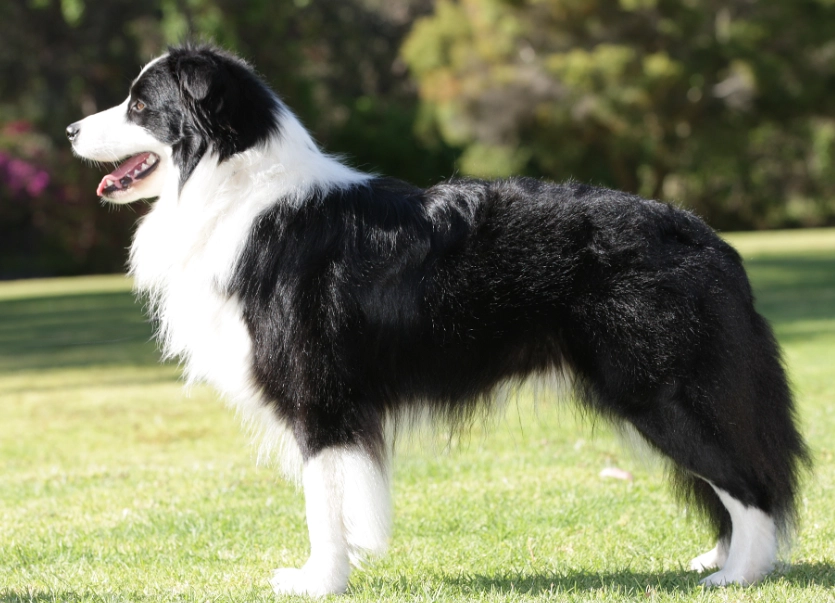
What Exactly Is a Border Collie? A Quick Breed Snapshot
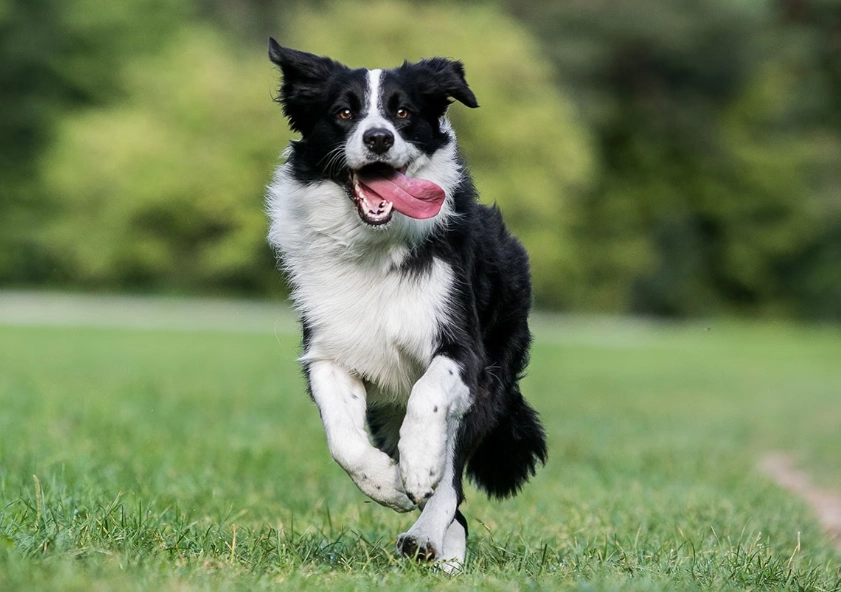
The Border Collie Mind: Brilliance With a Side of Neurosis
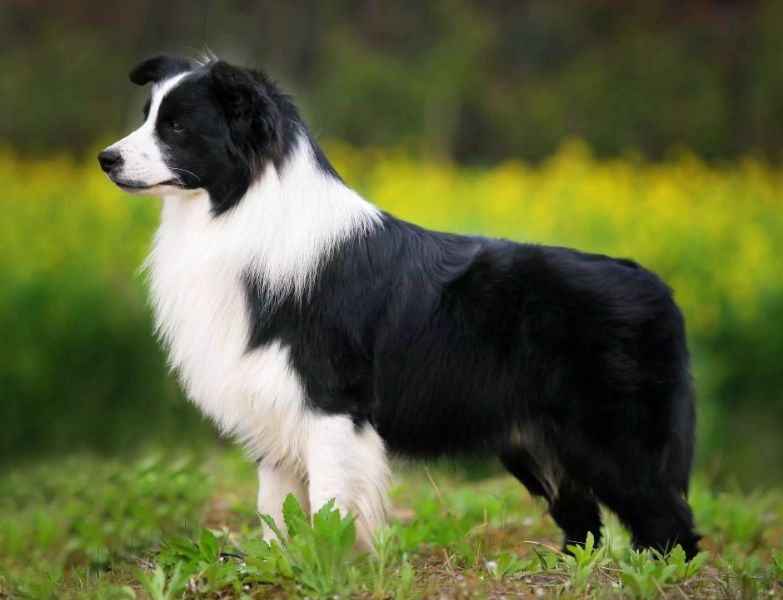
The Energy Equation: You Can't Just Walk This Dog
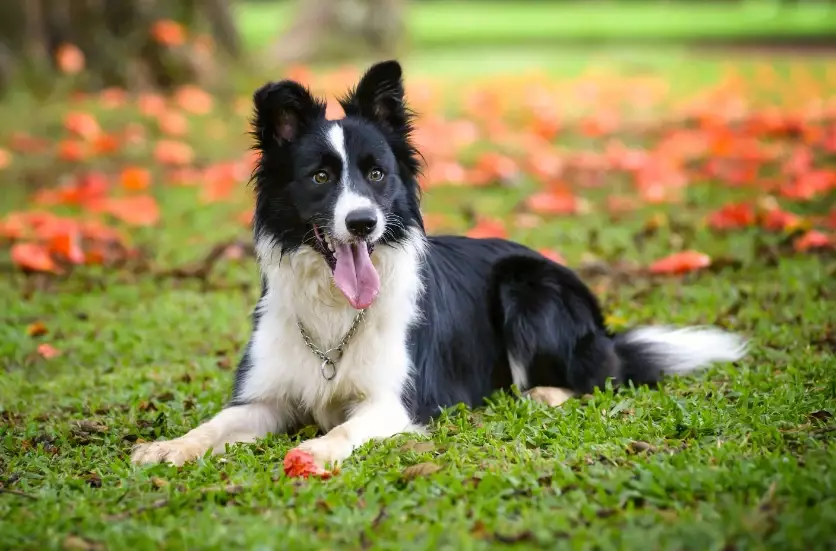
Living With a Border Collie: Daily Realities
Grooming & Shedding
Food & Nutrition
Training Philosophy: Be Smarter Than Your Smart Dog

Border Collie Health: What to Watch For
Health Condition
What It Is
Prevention/Screening
Collie Eye Anomaly (CEA)
A genetic disorder affecting the eye's development, ranging from mild to severe (blindness).
DNA test available. Breeders should test parents.
Hip Dysplasia
Malformation of the hip joint, leading to arthritis and pain.
OFA or PennHIP screening of breeding parents. Keep dog lean, provide joint supplements.
Progressive Retinal Atrophy (PRA)
Degenerative eye disease causing eventual blindness.
DNA test available.
Epilepsy
Idiopathic (unknown cause) seizures.
No direct test, but know the family history.
Multiple Drug Sensitivity (MDR1)
A genetic mutation making dogs dangerously sensitive to common drugs (like Ivermectin).
CRITICAL. Simple cheek swab DNA test. Always inform your vet.
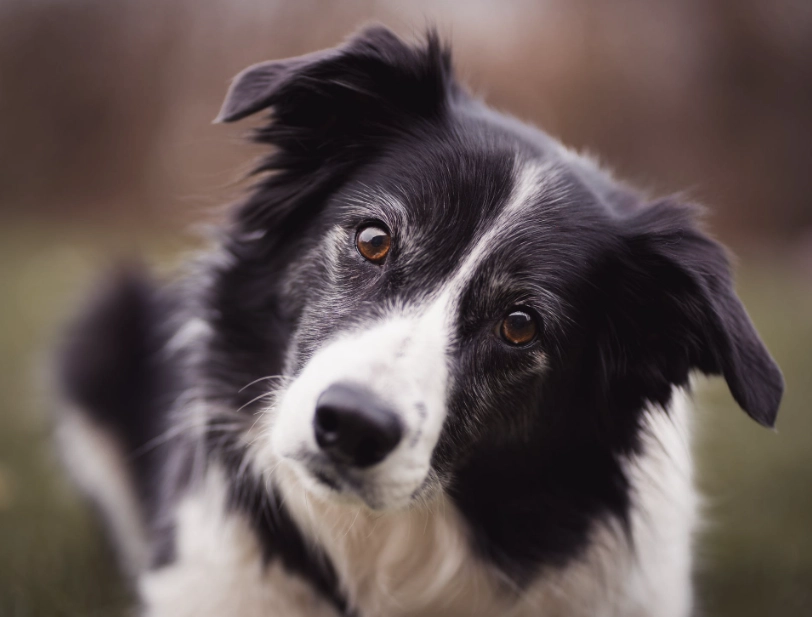
Is a Border Collie the Right Dog For You? The Honest Checklist
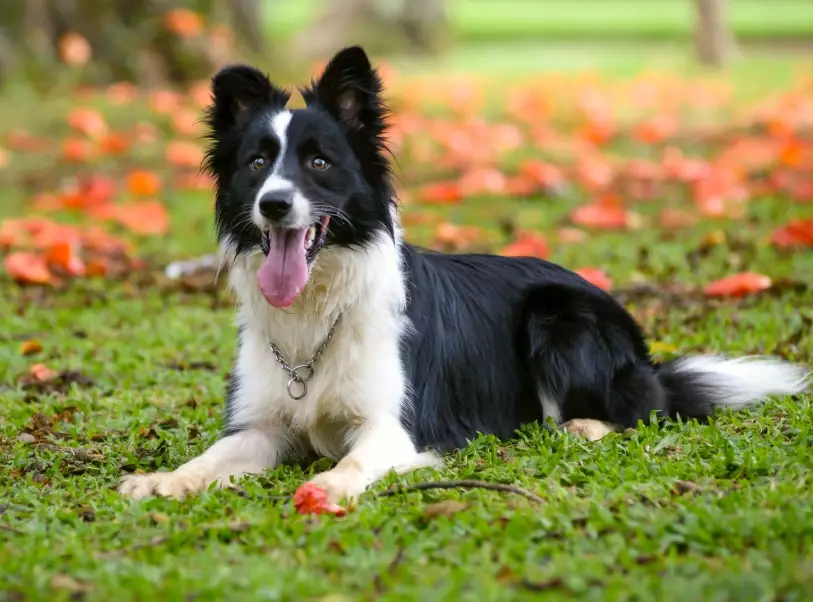
Border Collie FAQs: Quick Answers to Burning Questions
Final Thoughts: It's Not For Everyone, and That's Okay
I remember the first week with Finn. I ran out of standard tricks to teach him by day three. He'd look at me after mastering a new command like, "Is that all you've got?" That's when I knew I was in over my head—and needed to learn as much as he did.
That intelligence isn't just about obeying commands. It's about observation, anticipation, and manipulation. My Finn learned how to open the backyard gate latch by watching me do it twice. He figured out that if he nudged his food bowl off the mat and onto the tile, the clatter would make me come running. He wasn't hungry; he just wanted attention on his terms.
This is the biggest mistake prospective owners make. They see the intelligence and think "easy to train." What they get is a dog that's easy to teach but hard to satisfy. Training isn't a 10-week puppy class; it's a daily mental workout for the dog's entire life.
Start training the day you bring your puppy home. Not just "sit," but impulse control games like "leave it" and "wait." Teach an "off switch" command like "settle" or "place" where they go to a mat and chill. This is a lifesaver for managing their default "on" mode.
Probably NOT a good fit if: You work long hours away from home. You want a low-energy couch companion. You have a sedentary lifestyle. You get frustrated easily. You live in a small apartment without a dedicated plan for massive daily activity. You're not prepared for 10+ years of high engagement.
Might be a great fit if: You're an avid runner, hiker, or cyclist. You're interested in dog sports (agility, flyball, herding). You work from home or have a dog-friendly job. You have a large, securely fenced yard. You view training as a fun hobby, not a chore. You have experience with active, intelligent breeds.
Are Border Collies good with kids?
Can a Border Collie live in an apartment?
How much does a Border Collie puppy cost?
Are Border Collies aggressive?
What's the difference between a show line and a working line Border Collie?
Finn was from working lines. The first time he saw sheep, it was like a switch flipped. Every ounce of his being was focused on that flock. It was breathtaking to see him do what he was born for. It also explained why he'd try to herd bicycles and skateboards.
Comment