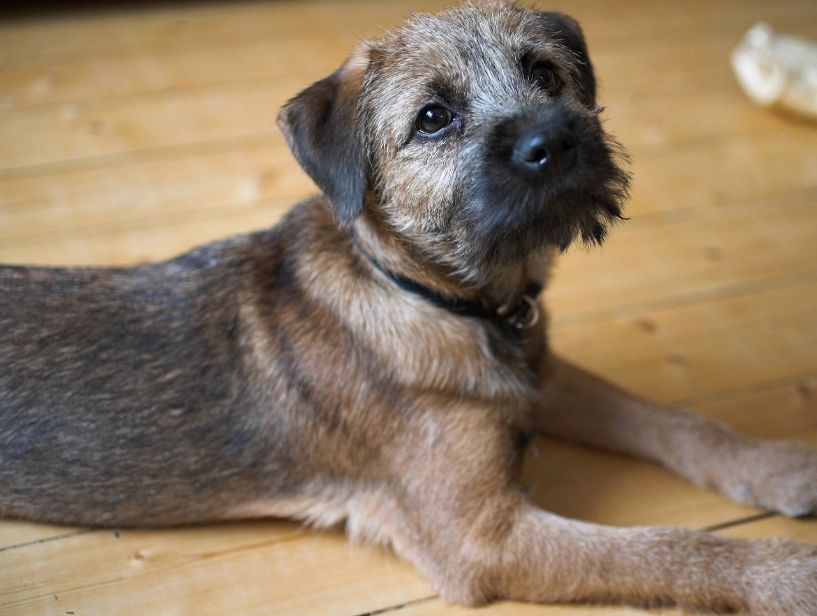
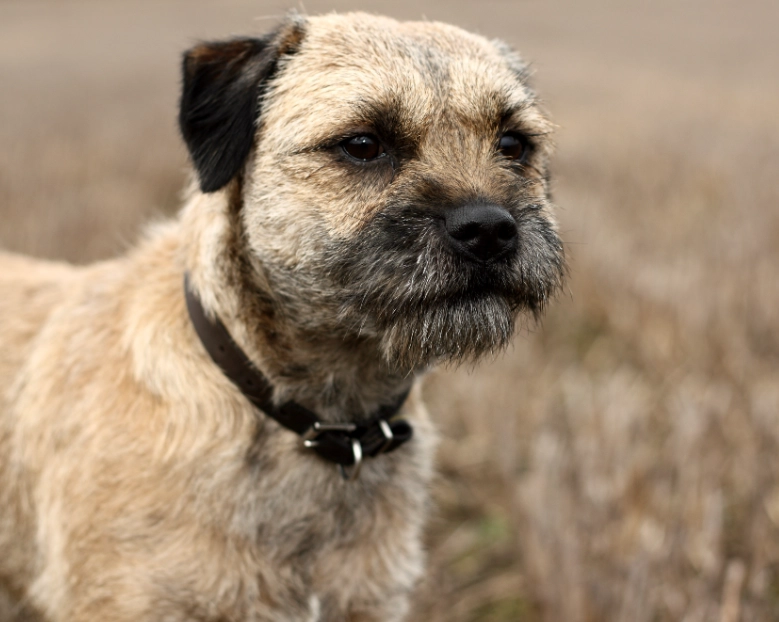
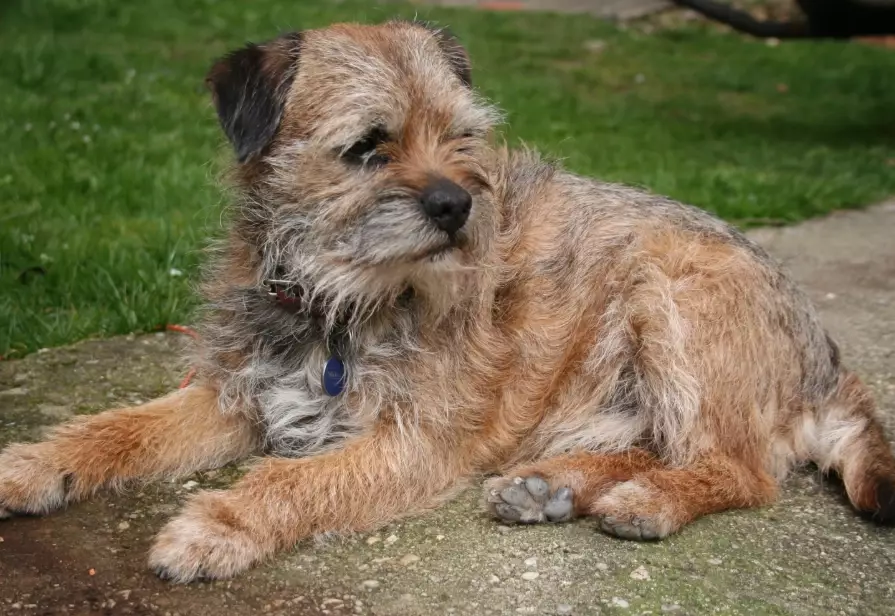
I remember the first time I met a Border Terrier. This little dog with wiry fur and bright eyes completely changed my perspective on terriers. Unlike some of the more high-strung terrier breeds, this one had a calm confidence that really surprised me. Border Terriers are one of those breeds that fly under the radar, but once you get to know them, you understand why their owners are so passionate about them. They're not as flashy as some breeds, but they've got substance. Originally bred in the border country between England and Scotland, these dogs were meant to work alongside hunters. They're small but tough – built to keep up with horses and hunt foxes. That working heritage gives them a unique combination of traits that makes them quite different from your average small dog. If you're looking for a small dog that doesn't act like a typical small dog, the Border Terrier might be your match. They're not yappy or nervous like some small breeds can be. Actually, they're pretty confident for their size. Their temperament is what really sets them apart. They're described as 'hard as nails' when working but affectionate and adaptable at home. This duality makes them excellent family pets that can handle both active adventures and quiet evenings. These dogs have a distinctive look that's both functional and charming. Their wiry coat isn't just for show – it protects them from weather and rough terrain. The coat comes in various colors including red, grizzle and tan, blue and tan, or wheaten. One thing people notice immediately is their head shape. They have a distinctive 'otter' head with a broad skull and strong jaws. It's a practical feature from their working days when they needed to grip prey firmly. Border Terriers are known for being less aggressive than some other terrier breeds. They're generally good with people and can get along with other dogs if properly socialized. But here's the thing – they're still terriers. That means they have a strong prey drive. Small animals like rabbits, squirrels, or even cats might trigger their chasing instinct. Early socialization is crucial if you want a Border Terrier to coexist peacefully with other pets. So what's it actually like to live with one of these dogs? I've spoken with several owners and the consensus is pretty clear – they're wonderful companions but they have their quirks. Exercise needs are moderate. A couple of good walks daily plus some playtime usually keeps them happy. They're athletic little dogs who enjoy activities like hiking, agility, or even just playing fetch in the yard. Mental stimulation is just as important as physical exercise. These are intelligent dogs who need something to do. Puzzle toys, training sessions, or nose work games can help prevent boredom. That wiry coat needs regular attention. Many owners opt for hand-stripping twice a year to maintain the proper coat texture. Clipping changes the coat texture over time, making it softer and less protective. Beyond coat care, these are relatively low-maintenance dogs. Regular nail trimming, teeth brushing, and ear cleaning are about all they need. They're not particularly drooly or messy dogs. Training a Border Terrier requires patience and consistency. They're smart but can be independent thinkers. Positive reinforcement works best – these dogs respond well to food rewards and praise. Early socialization is non-negotiable. Expose your Border Terrier puppy to different people, places, and situations to build confidence. Puppy classes are a great investment for any terrier owner. Recall training can be challenging due to their prey drive. A securely fenced yard is highly recommended. Never trust a Border Terrier off-leash in an unsecured area – that squirrel is just too tempting. Overall, Border Terriers are a healthy breed. They have fewer genetic problems than many purebred dogs. But like all breeds, they have some health issues to watch for. According to the American Kennel Club, common health concerns include hip dysplasia, heart issues, and certain neurological conditions. Responsible breeders screen for these conditions. One condition particularly associated with the breed is Canine Epileptoid Cramping Syndrome (CECS), sometimes called "Spike's disease." It's not life-threatening but can be concerning to witness. The UK Kennel Club provides excellent resources on this condition. This isn't the right breed for everyone. They're wonderful dogs, but they have specific needs and characteristics that might not suit every household. Border Terriers tend to do well with active individuals or families who enjoy outdoor activities. They're great companions for hikers, runners, or people who just like long walks. Apartment living can work if you're committed to providing adequate exercise. They're probably not ideal for people who want a completely low-maintenance dog or those who are away from home for long hours regularly. These dogs form strong bonds and don't like being left alone for extended periods. Border Terriers can be suitable for first-time owners who are prepared to put in the training work. They're generally less challenging than some other terrier breeds, but they still require consistent leadership. If you've decided this is the breed for you, the next step is finding a responsible source. Avoid pet stores and backyard breeders. Look for breeders who health test their dogs and are involved in dog sports or activities. Rescue organizations are another option. The Border Terrier Club of America maintains a rescue network and can direct you to dogs in need of homes. Be prepared to wait for a puppy from a responsible breeder. Good breeders often have waiting lists, and that's actually a good sign – it means they're not overbreeding their dogs. After researching and talking with owners, I've come to appreciate what makes Border Terriers special. They're not the flashiest dogs, but they're incredibly versatile companions. Whether you're an active outdoor enthusiast or just want a loyal family pet, they have a lot to offer. The key is understanding their terrier nature and being prepared to meet their needs. They're not difficult dogs, but they do require commitment – particularly when it comes to training and exercise. If you're looking for a small-to-medium sized dog with personality plus and manageable care requirements, the Border Terrier deserves serious consideration. They might just be one of the best-kept secrets in the dog world. Whether you're considering your first Border Terrier or adding to your pack, these sturdy little dogs have a way of winning hearts. Their combination of toughness and affection creates a unique bond that many owners cherish for years.Key Sections in This Guide
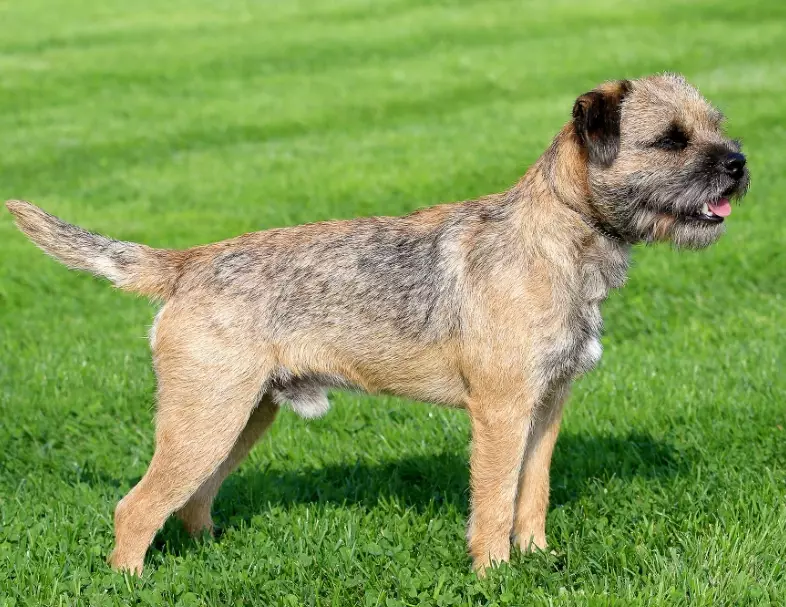
Border Terrier at a Glance
What Makes Border Terriers Special?
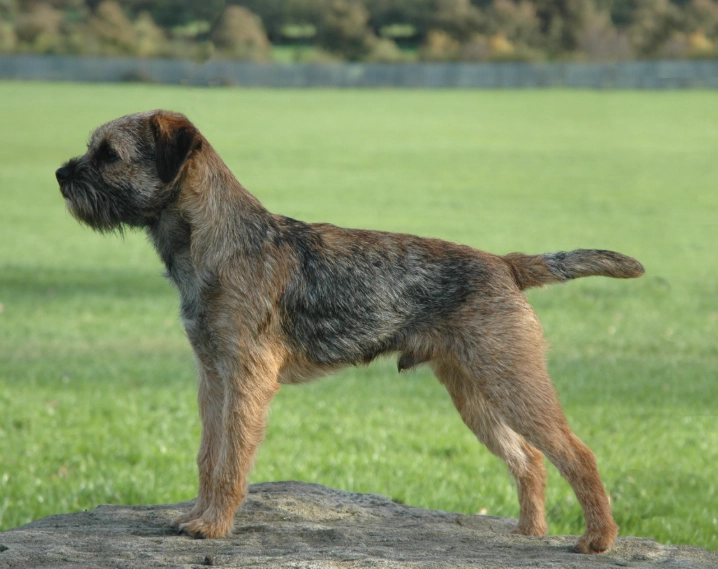
Border Terrier Characteristics and Appearance
Characteristic Details Height 12-15 inches at the shoulder Weight 11.5-15.5 pounds (males slightly larger) Coat Type Dense, wiry topcoat with soft undercoat Life Expectancy 12-15 years Energy Level Moderate to high That Famous Temperament
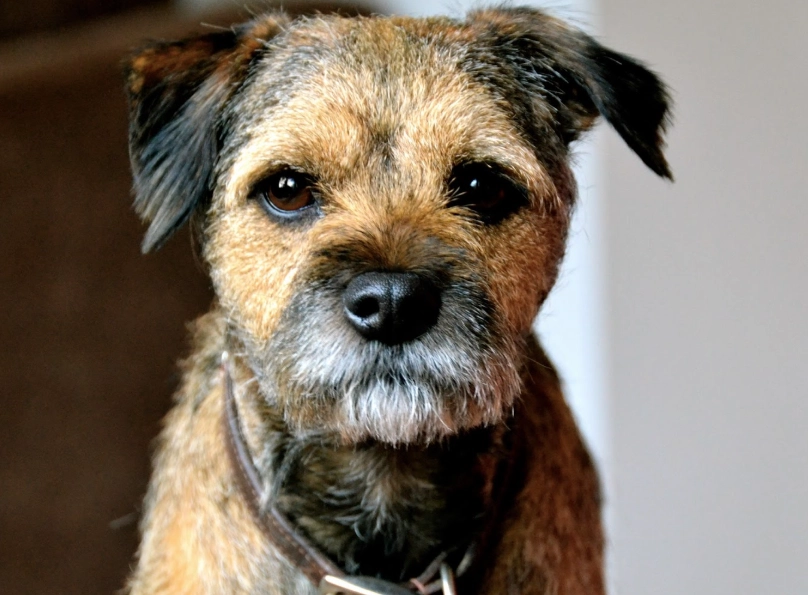
Living with a Border Terrier: The Real Story
The Good Stuff
The Challenges
Border Terrier Care and Grooming
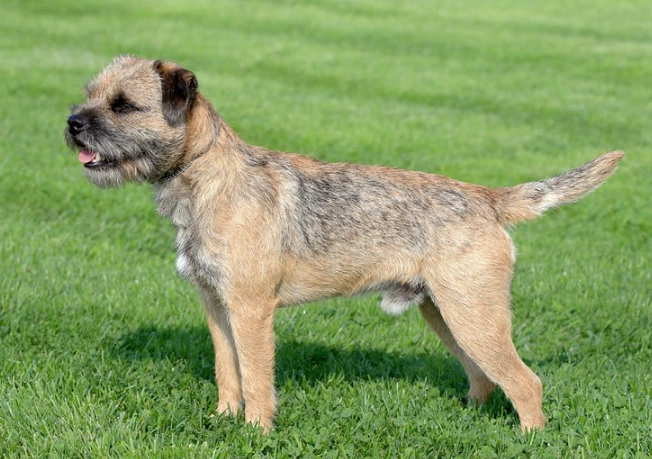
Training Your Border Terrier
Health Considerations for Border Terriers
Is a Border Terrier Right for You?
Finding a Border Terrier
Common Questions About Border Terriers
Final Thoughts on Border Terriers
A friend of mine has had Border Terriers for twenty years. She says they're the perfect compromise dog – not too big, not too small, not too energetic, but not couch potatoes either. They just seem to fit into whatever lifestyle you have.
Important note: While Border Terriers are generally good with children, their terrier nature means they might not tolerate rough handling. Always supervise interactions between dogs and young children.
My vet always says the biggest health risk for Border Terriers is obesity. They're food-motivated and can easily become overweight if you're not careful with portions and treats. Keeping them at a healthy weight is one of the best things you can do for their long-term health.
What about first-time dog owners?
Are Border Terriers good with children?
Generally yes, but they're best with children who respect dogs' boundaries. Their small size means they can be injured by rough handling, and they may nip if provoked.
How much exercise does a Border Terrier need?
About 45-60 minutes of activity daily, plus mental stimulation. They're adaptable but need regular exercise to prevent behavior problems.
Do Border Terriers bark a lot?
They can be alert barkers, meaning they'll let you know when someone's at the door. Excessive barking usually indicates boredom or lack of exercise.
Are they easy to train?
They're intelligent but can be stubborn. Consistency and positive reinforcement work best. They excel at activities that engage both their mind and body.
What's the difference between a Border Terrier and other terriers?
Border Terriers tend to be less aggressive and more adaptable than many terrier breeds. They were bred to work with other dogs rather than independently.
Remember that every dog is an individual. While breed characteristics give you a general idea, there's always variation. Spend time with several Border Terriers if possible before making your decision.
Comment