Let's be honest, the first time you see a Borzoi, it takes your breath away. It's like a living piece of art—a greyhound that got stretched by an enthusiastic artist, draped in silky fur, with a face that's both noble and vaguely melancholic. I remember seeing one at a dog show years ago, just gliding across the ring. I thought, "That's it. That's the most beautiful dog I've ever seen." But here's the thing no one tells you right away: living with a Borzoi is nothing like admiring one from a distance. This isn't your average dog. Calling a Borzoi a "pet" feels a bit like calling a Ferrari a "car." Technically true, but it misses the essence. They're sighthounds, bred for centuries by Russian aristocracy to chase wolves across the steppes. That legacy isn't just for show; it's baked into every elegant bone in their body. If you're here because you're smitten by the looks (who isn't?), stick around. We're going to peel back the glamour and talk about the real dog underneath—the good, the challenging, and the downright weird. Is a Borzoi the right dog for you? Let's find out. Also Known As: Russian Wolfhound, Russian Hunting Sighthound You'll read a lot of words describing the Borzoi temperament: aloof, independent, gentle, cat-like. Some of it's spot on. Some of it needs serious context. They're often called "aloof with strangers," and that's usually true. Don't expect a golden retriever's instant, wiggly welcome. A Borzoi will likely assess your new guest from across the room, maybe grace them with a polite sniff, and then go back to their favorite spot. It's not shyness or aggression; it's a quiet confidence. They don't need your validation. But with their family? That's different. My friend who has two describes it as a "quiet devotion." They'll follow you from room to room just to be near you, often leaning their substantial weight against your legs. They're not big kissers or constant cuddlers (though some are), but their loyalty is profound. The "cat-like" label is the most accurate thing you'll hear. They are independent thinkers. Training a Borzoi requires finesse, not force. They get bored easily. Why sit when I can look out the window? Why come when called when this sniff is *fascinating*? They have a sense of dignity that you must respect. Yelling or harsh corrections shuts them down completely. Positive reinforcement—really good treats, praise, patience—is the only path. Think of them as a brilliant but unmotivated teenager. They understand you perfectly. They just need a good reason to comply. This is the big one. The deal-breaker for many. That ancient instinct to chase is not a minor quirk; it's a hardwired, overwhelming impulse. A Borzoi sees a squirrel, rabbit, cat (sometimes even a small dog), and its brain flips a switch. The world narrows to that target. They can go from serene statue to a 40mph blur in a heartbeat. A securely fenced yard is not a recommendation for a Borzoi; it is an absolute, non-negotiable requirement. And we're not talking about a 4-foot chain link. A Borzoi can clear that from a standstill. We're talking 6-foot tall, secure fencing with no gaps. Many owners go for 8-foot. Electric underground fencing is useless—the drive to chase overrides any discomfort. Letting a Borzoi off-leash in an unsecured area is a great way to lose your dog forever, or worse. This drive affects everything. Walks? You need a secure harness (a collar is a no-go, they can slip it). Dog parks? Generally a terrible idea unless it's a sighthound-specific park. Living with cats? It's possible, but only if the Borzoi is raised with that specific cat from puppyhood. Even then, never trust them with a strange cat. It's not malice; it's pure instinct. You can't train it out. You can only manage it. Okay, so you're okay with the personality. What about the day-to-day work of having one? That gorgeous coat is surprisingly low-maintenance. It doesn't have an undercoat like a husky, so it doesn't mat easily and sheds moderately. A good brushing 2-3 times a week with a pin brush and a slicker brush is usually enough to prevent tangles, especially behind the ears and in the "pants" (the feathering on the hindquarters). The real grooming challenge is the "Borzoi Blowout." Once or twice a year, they shed their coat more heavily. During this time, you'll be vacuuming daily. But it passes. Baths are rarely needed unless they find something foul to roll in (a favorite sighthound pastime). This is where people get it wrong. You see this giant, athletic dog and think, "I need to run 5 miles a day." Nope. Borzois are built for explosive bursts of speed, not endurance. Their typical pattern is: 20-minute crazy zoomie in the yard, followed by 5 hours of deep, comatose sleep on the couch. A couple of good leash walks (30-45 mins) and some safe, fenced sprinting time a few times a week is perfect. They are phenomenal apartment dogs as long as their exercise needs are met—they're quiet and incredibly lazy indoors. The American Kennel Club's Borzoi page describes them accurately as "quiet and catlike indoors." Mental stimulation is key too. Nosework games or short, fun training sessions help keep their minds busy. They need a high-quality diet formulated for large breeds. Bloat (Gastric Dilatation-Volvulus) is a serious risk for deep-chested dogs like Borzois. To mitigate this, feed two or three smaller meals a day instead of one large one, and avoid vigorous exercise right before and after eating. Using a slow-feed bowl can also help. Don't skimp on food quality—a healthy coat and strong joints depend on it. This is the less glamorous, but most important chapter. Being a giant breed comes with specific health vulnerabilities. A responsible breeder is your first and best defense. See that last column? It all points to one thing: a responsible breeder. A good breeder doesn't just sell you a puppy; they are your partner for the dog's life. They will openly share health clearances from the Orthopedic Foundation for Animals (OFA) for hips, elbows, and hearts, and genetic test results for conditions like PRA. They will ask you as many questions as you ask them. They will take the dog back at any point in its life if you can't keep it. Avoid anyone who has multiple litters available, sells on online marketplaces, or can't provide verifiable health documentation. Let's cut to the chase. Don't get a Borzoi if: A Borzoi could be a good fit if: Let's tackle some of the specific things people Google late at night when considering this breed. Generally, yes, they are gentle and patient. But it's all about supervision and respect. A Borzoi is a large, fragile dog (seriously, they can be injury-prone). They won't tolerate being climbed on, having their ears pulled, or being harassed. They will simply get up and leave. They are best with older, calm children who can be taught to interact gently. Never leave any dog, especially a large one, unsupervised with young kids. From a reputable breeder who does all the necessary health testing, you're looking at $2,500 to $4,000 or more. The initial cost is just the start. Factor in giant-sized crates, more food, higher doses of preventatives, and potential for larger vet bills. If the price seems high, remember it reflects the thousands of dollars the breeder invested in health testing, quality care, and proving their dogs. A "cheap" Borzoi puppy is likely a very expensive mistake in waiting. No, they are famously quiet. They might let out a single, deep "woof" to alert you to something, but they are not yappers. Some hardly bark at all. This makes them excellent for close-quarters living, provided they get their exercise. Absolutely! There are wonderful sighthound-specific rescues across the country, like Sighthound Underground or regional groups like the Southern California Borzoi Rescue. Adopting an adult can be a fantastic option—you often get a clearer sense of their personality, and many are already past the destructive puppy stage. Be prepared for a thorough screening process; good rescues want to ensure these unique dogs go to the right homes. With the potential for bloat surgery (which can cost $5,000-$10,000) and other large-breed issues, pet insurance is a very wise consideration for a Borzoi owner. Enroll when they are a healthy puppy to ensure coverage for future conditions. It can be the difference between a manageable bill and a financial catastrophe. Getting a Borzoi isn't like getting a dog. It's adopting a specific, ancient, and slightly anarchic lifestyle. They will make you laugh with their goofy sleeping positions (the "Borzoi flop" is legendary). They will frustrate you with their stubbornness. They will stop traffic on walks. They will leave hair on every surface you own. They will also gaze at you with those deep, soulful eyes and lean against you with a trust that feels like an honor. They are not for everyone. In fact, they're probably not for most people. But if you have the right setup, the right temperament, and the right commitment, sharing your life with a Borzoi is an experience unlike any other in the dog world. It's less about owning a dog and more about being accepted into their quiet, graceful, and speed-obsessed world. Do your homework. Meet some in person. Talk to breeders and rescuers. And if you take the plunge, fasten your seatbelt. It's a beautiful, hairy, and unforgettable ride.In This Guide
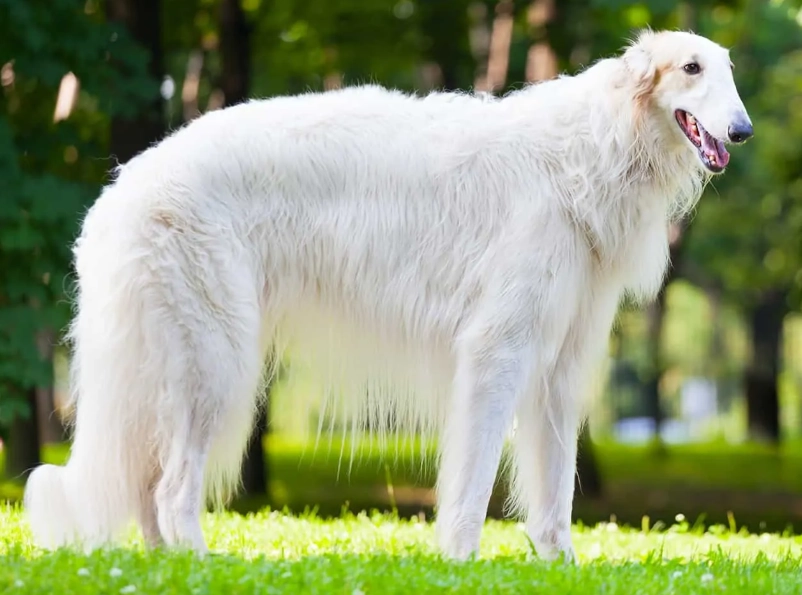
Size: Large to Giant. Males 28+ inches at the shoulder, 75-105 lbs. Females slightly smaller.
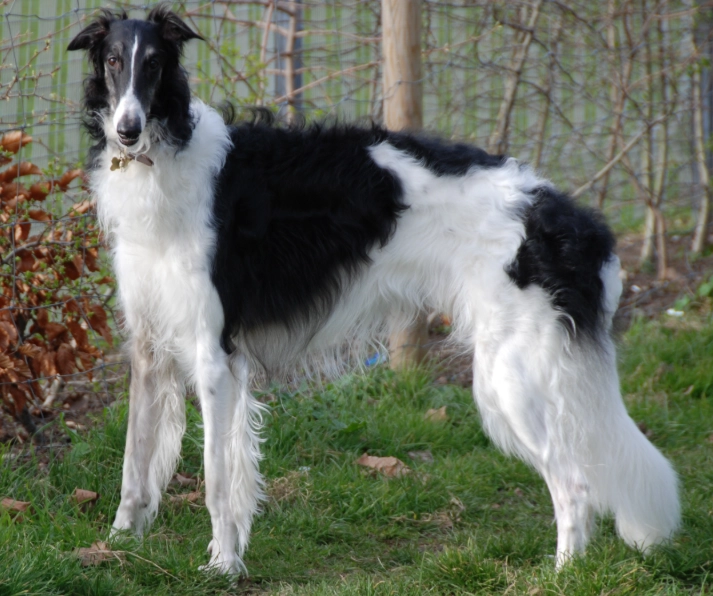
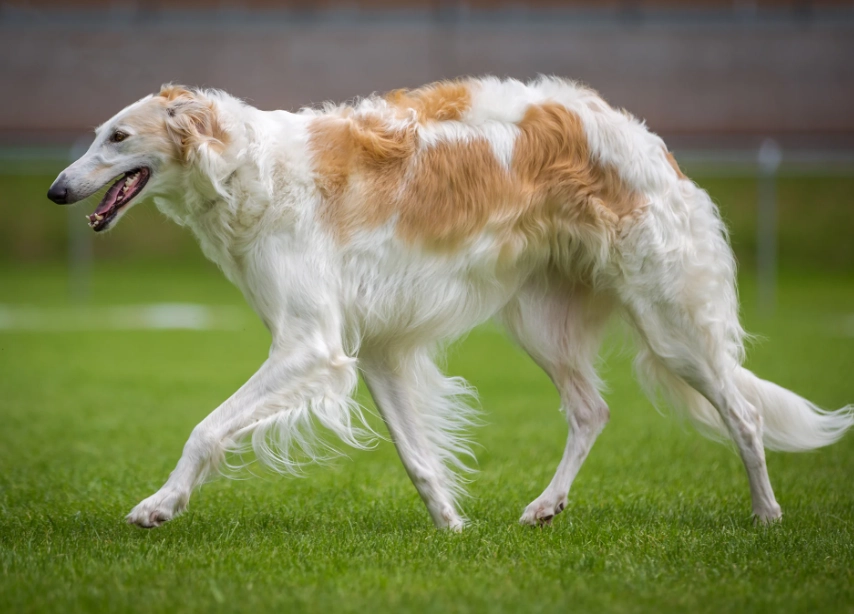
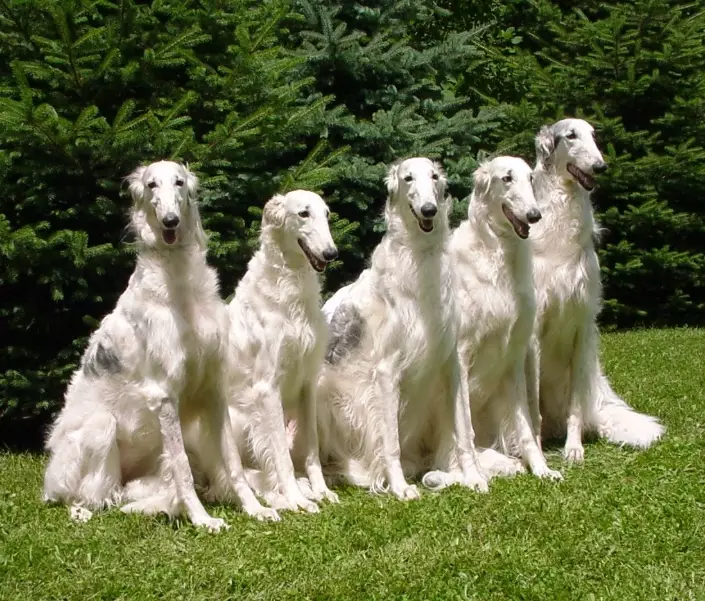
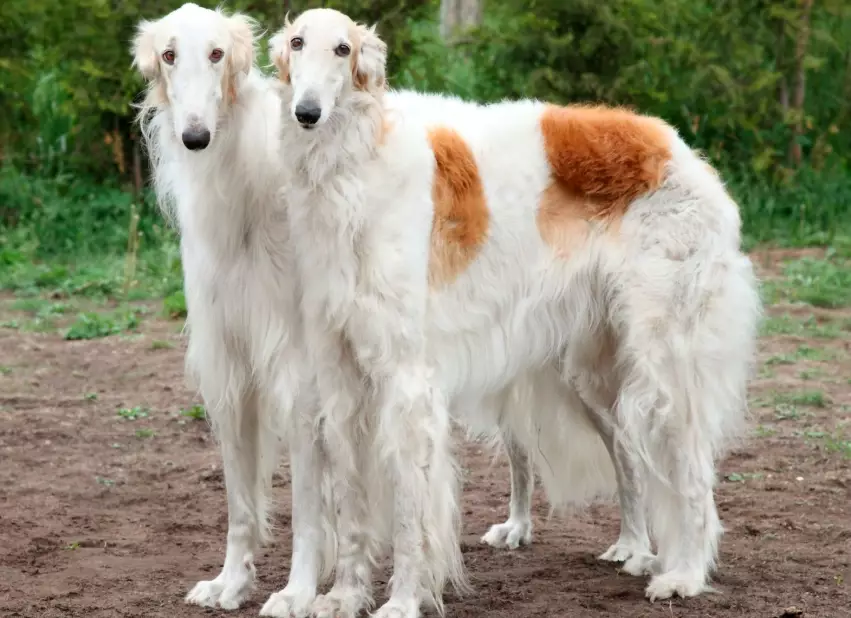
Coat: Long, silky, and wavy or curly. Comes in virtually any color or pattern.
Lifespan: 9-14 years (though the smaller end of that range is, sadly, more common).
Energy Level: Moderate. Famous for being champion couch potatoes... until they're not.What's a Borzoi Really Like? Debunking the Personality Myths
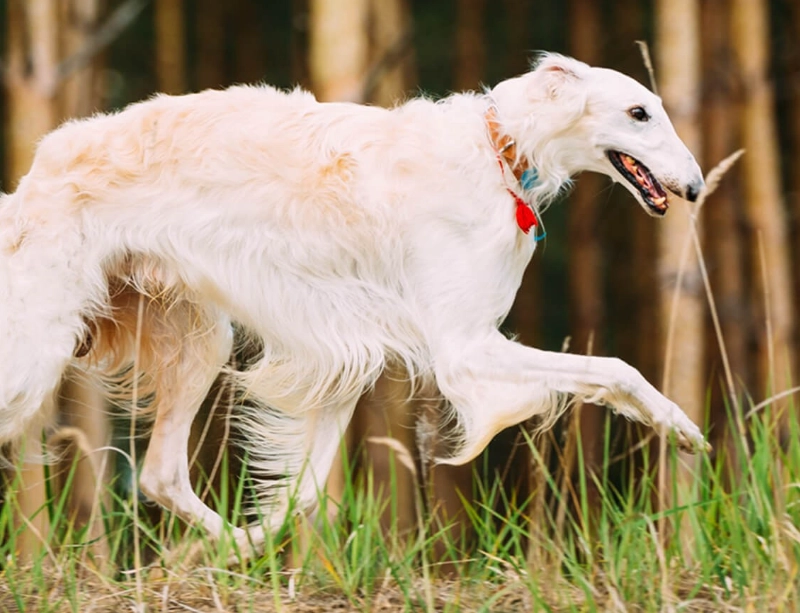
The Prey Drive: The Non-Negotiable Borzoi Trait
The Nitty-Gritty of Borzoi Care: More Than Just Brushing
Grooming: It's Not as Bad as You Think
Exercise: Sprinters, Not Marathon Runners
Feeding a Borzoi: Quality Matters
Borzoi Health: What You Need to Watch For
Health Condition
Description
Prevention/Management
Bloat (GDV)
A life-threatening emergency where the stomach fills with gas and twists. Requires immediate surgery.
Feed multiple small meals, use slow-feed bowls, no exercise around meals. Know the nearest emergency vet.
Heart Conditions
Cardiomyopathy (heart muscle disease) is a leading cause of death. Can be congenital or develop later.
Buy from breeders who do cardiac screenings (echocardiograms) on breeding stock. Annual vet check-ups with stethoscope exam.
Bone/Joint Issues
Hip Dysplasia, Elbow Dysplasia. Arthritis is common in senior dogs.
Maintain a lean weight. Provide joint supplements (glucosamine). Ask breeders for OFA/PennHIP scores.
Thyroid Issues
Hypothyroidism is relatively common, leading to weight gain, lethargy, and coat problems.
Simple blood test for diagnosis. Easily managed with daily medication.
Progressive Retinal Atrophy (PRA)
A degenerative eye disease leading to blindness.
Reputable breeders test breeding dogs for the gene. There is a DNA test available.
Is a Borzoi Right For You? A Brutally Honest Checklist

Borzoi FAQs: Answering Your Real Questions
Are Borzoi good with kids?
How much does a Borzoi puppy cost?
Do Borzoi bark a lot?
Can I adopt a rescue Borzoi?
The Final Word: It's a Lifestyle, Not Just a Pet
Borzoi at a Glance
A Critical Warning
“Owning a Borzoi is a lesson in controlled chaos and serene beauty, often in the same five-minute span.”
I once spoke to a Borzoi owner who lost her young dog to sudden heart failure. The breeder had no health records on the parents. The grief was compounded by the knowledge it might have been prevented. It's a heartbreaking story that underscores why the "buyer beware" motto is so critical with this breed.
Thinking About Pet Insurance?
Comment