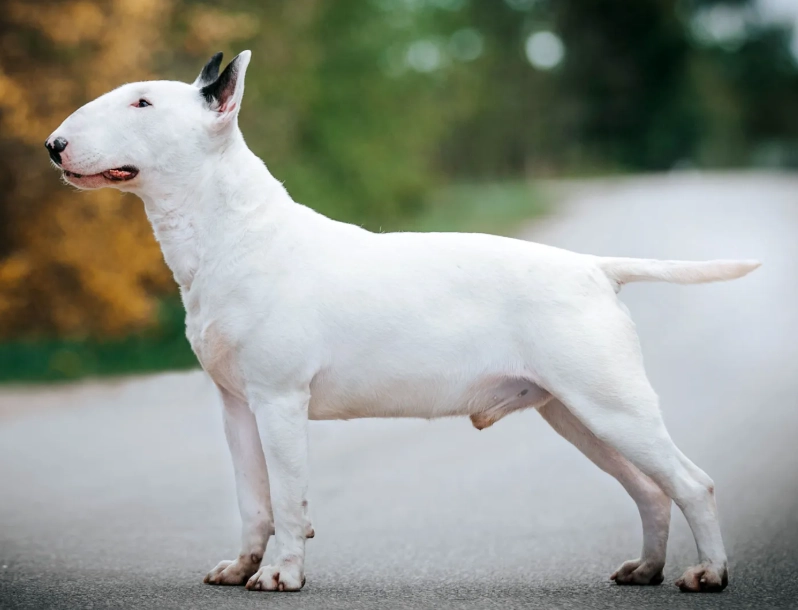
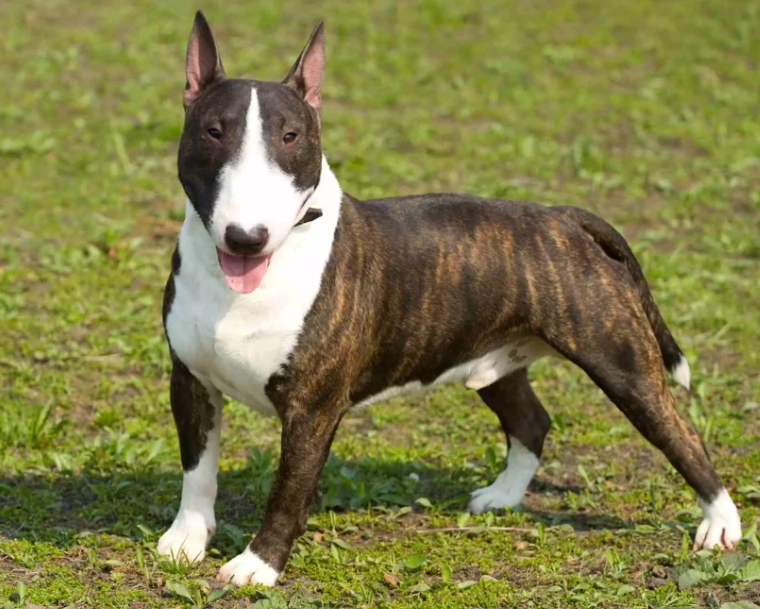
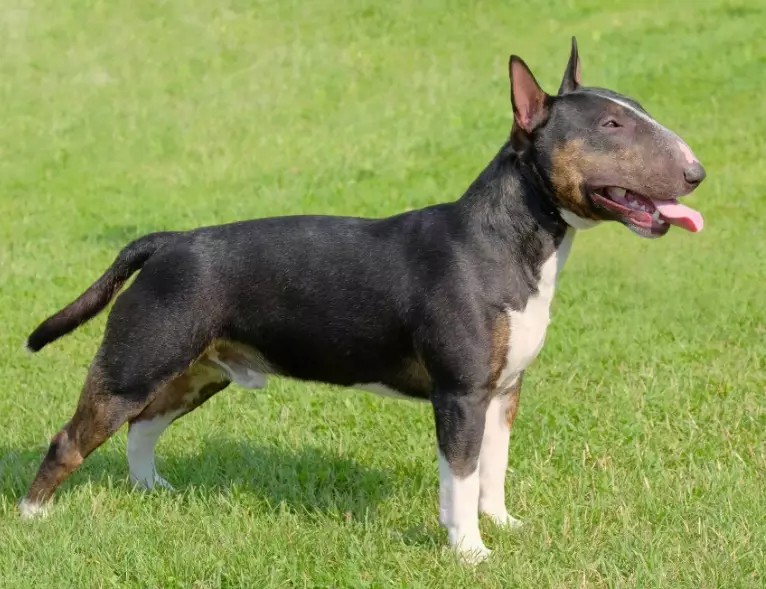
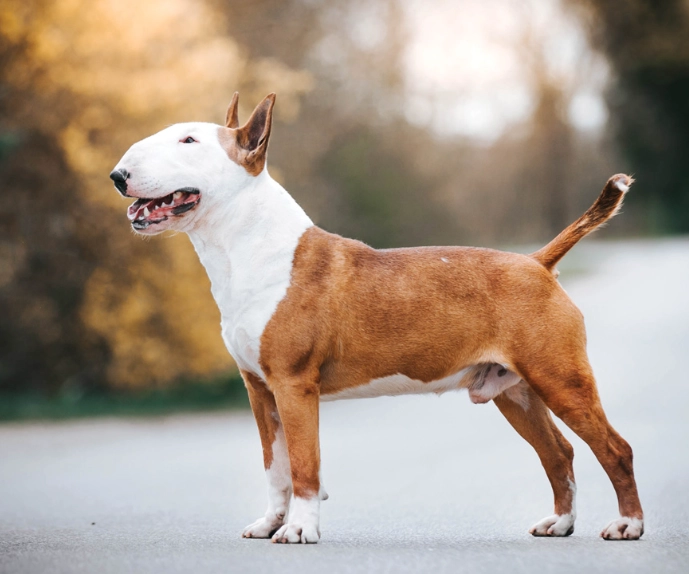
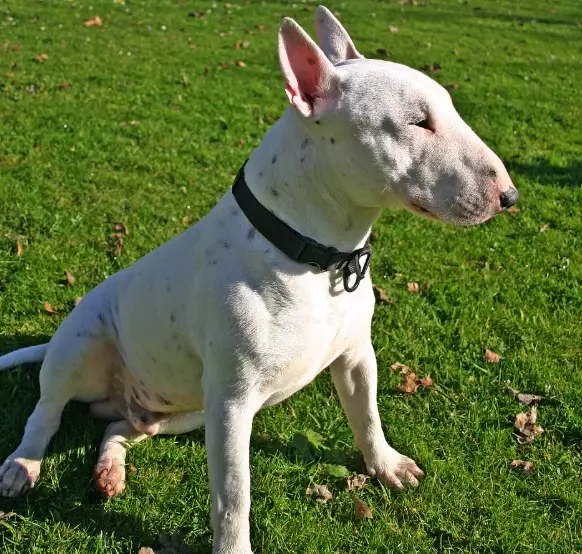
So you're thinking about a Bull Terrier. That egg-shaped head, those little triangular eyes, that solid, muscular build – it's a look you either love or... well, you're about to find out. I get it. The Bull Terrier is one of those breeds that sticks in your mind. But let's be real: they're not for everyone. Far from it. I've been around dogs my whole life, and I've seen more than a few Bull Terriers come and go from homes that just weren't ready. The family that thought they were getting a gentle, lazy couch potato. The single guy who underestimated the need for constant mental stimulation. It's a bit heartbreaking, honestly. This guide isn't here to sell you on the breed. It's here to give you the raw, unfiltered truth. The glorious highs and the frustrating lows. Because owning a Bull Terrier is a commitment like few others. It's loud, it's energetic, it's stubborn, and it can be incredibly, overwhelmingly rewarding. Or a total nightmare if you're not prepared. The Bull Terrier's story starts in 19th century England. They were originally bred from a mix of the old English Bulldog and various terriers (and later, some say, Dalmatians and even Greyhounds) to create a tenacious, athletic dog for vermin control and, unfortunately, for the blood sports of bull-baiting and dog fighting. When those awful practices were banned, breeders shifted focus to refining the dog's appearance and temperament into a gentleman's companion. That history is important. It explains a lot. The "bull" gives them strength, determination, and a certain fearlessness. The "terrier" gives them energy, intelligence, and a prey drive that can surprise you. It's a potent combo. Now, about that look. There are two size varieties recognized by kennel clubs like the American Kennel Club (AKC): the Standard and the Miniature. The Miniature Bull Terrier is just a smaller version, sharing all the same characteristics, and must not exceed 14 inches at the shoulder. But honestly, whether standard or miniature, the personality is just as big. The most famous feature is, of course, the head. It's described as "egg-shaped" or "down-faced" – meaning the profile curves gently downward from the top of the skull to the tip of the nose with no stop (that dip you see between the eyes on most dogs). It's unique. The eyes are small, dark, and triangular, giving them an intense, piercing gaze that can be comical or deeply serious. Their coat is short, flat, and harsh to the touch. It comes in two main color patterns: They're a medium-sized, stocky dog, all muscle and bone. When they move, it's with a jaunty, confident stride. They just look like they own the place. This is where people get it wrong. They see the muscular body and the intense stare and make assumptions. The truth is, a well-bred, well-socialized Bull Terrier is one of the most clownish, affectionate, and people-oriented dogs you can find. They are often described as "three-year-olds in dog suits." Playful, mischievous, full of beans, and with an attention span that can be... selective. They love their people with a profound, sometimes overwhelming intensity. Many are notorious lap dogs, despite their solid build, convinced they are tiny puppies. The contrast between their tough exterior and their desire to be a cuddle bug is part of their charm. When discussing breed temperament, it's crucial to rely on authoritative sources, not just anecdotes. The AKC breed standard describes the Bull Terrier as "the gladiator of the canine race, but full of fun and courage, even to foolhardiness." The UK Kennel Club standard calls them "even tempered and amenable to discipline." These descriptions highlight the dual nature: fearless and fun-loving, but requiring firm guidance. But. There is always a but. That terrier heritage brings a high prey drive. Squirrels, cats, rabbits, even small dogs can trigger a powerful chase instinct. This isn't malice; it's hardwired. Managing this is non-negotiable. A secure fence isn't a suggestion, it's a requirement. And I mean secure. Some are clever escape artists. Then there's the famous Bull Terrier stubbornness. Oh, the stubbornness. You ask them to sit, they look at you as if you've just suggested they fly to the moon. Training requires patience, consistency, and a good sense of humor. They are intelligent, but they often ask "why?" before they comply. Positive reinforcement (treats, praise, play) is the only way. Harsh methods will backfire spectacularly and damage your bond. They can be dog-selective or even dog-aggressive, particularly with dogs of the same sex. Early, ongoing socialization is critical, but it may not eliminate this tendency. Some Bull Terriers simply do best as the only dog in the household. It's a common point of frustration for owners who dream of a multi-dog home. And the energy. They have bursts of insane, zoomie-like energy (the famous "Bull Terrier crazy hour") followed by deep, comatose sleep. They need real exercise—not just a stroll, but running, playing, fetching, thinking. A bored Bull Terrier is a destructive Bull Terrier. They will find a way to entertain themselves, and you won't like their choices. See what I mean? It's a mixed bag. You have to want the whole package. Okay, let's get practical. What's it actually like day-to-day? Forget the leisurely walk. A Bull Terrier needs to run. A good 45-60 minutes of vigorous activity daily is the baseline. This could be a long jog, a vigorous game of fetch in a secure area, agility training, or flirt pole work (great for prey drive in a controlled way). Mental exercise is just as crucial. Food puzzles, scent work, obedience training sessions (short and sweet!), trick training—anything to tire that busy mind. A tired Bull Terrier is a good Bull Terrier. It's the golden rule. Start the day you bring them home. Puppy classes are essential for socialization and basic manners. Use high-value treats (cheese, chicken, hot dogs). Keep sessions short (5-10 minutes) and fun. If you get frustrated, end on a positive note and try again later. Key commands for a Bull Terrier aren't just "sit" and "stay." "Leave it" and a rock-solid recall are potentially life-saving, given their prey drive. But be warned: that recall will be tested when a squirrel is involved. Never trust it 100% in an unsecured area. Housebreaking can be typical for a smart dog. They learn quickly, but accidents happen if you're not consistent. Crate training is highly recommended. It gives them a safe den and prevents household destruction when you can't supervise. They are generally robust, but like all purebreds, they have some breed-specific concerns. Responsible breeders test for these. Always, always ask for health clearances. The information here is a summary. For definitive, vet-approved information on breed health, consult resources like the Universities Federation for Animal Welfare (UFAW) or the breed health information provided by national kennel clubs. Always partner with a knowledgeable veterinarian. Look, vet bills can add up. Pet insurance is something I strongly recommend for this breed. Just do it. Don't just fall for the face. Ask yourself these questions honestly. If you hesitated on any of these, really think it over. This is a critical choice. Going to a responsible breeder is your best bet for a predictable temperament and health. A good breeder: They will not have puppies available immediately. You'll be on a waitlist. This is normal and good. Rescue is a wonderful option. Breed-specific rescues are full of Bull Terriers and Bull Terrier mixes who need second chances. These are often adult dogs, so their personality is more known. The rescue should be transparent about any known behavioral or health issues. Be prepared for potential baggage. An adult rescue Bull Terrier may come with quirks—reactivity, separation anxiety, resource guarding. Ask lots of questions, do a foster-to-adopt if possible, and work with a positive reinforcement trainer from day one. You've decided. You're getting one. Here's your starter list beyond the obvious (food, bowls, bed). The first few months are about routine, socialization (positive experiences with all sorts of people, sounds, surfaces), and building trust. Don't overwhelm them, but don't shelter them either. The Bull Terrier is a breed of extremes. Extreme love, extreme goofiness, extreme energy, extreme stubbornness. There is no middle ground. They will make you laugh every single day. They will also frustrate you to the point of wanting to pull your hair out. They will cuddle with you like a living, breathing hot water bottle. They will also find the one thing you forgot to put away and reduce it to confetti. Owning one is not a casual hobby. It's a lifestyle. It requires commitment, humor, patience, and a very secure fence. If you've read all this and the challenges haven't scared you off, but instead made you more curious and determined—if you see the work as part of the deal, not a downside—then you might just be the right person for a Bull Terrier. And if you are, you'll be rewarded with a loyal, hilarious, unforgettable companion unlike any other dog on the planet. Just go in with your eyes wide open. That egg-shaped head contains a world of personality. Make sure your world is ready for it.Quick Navigation
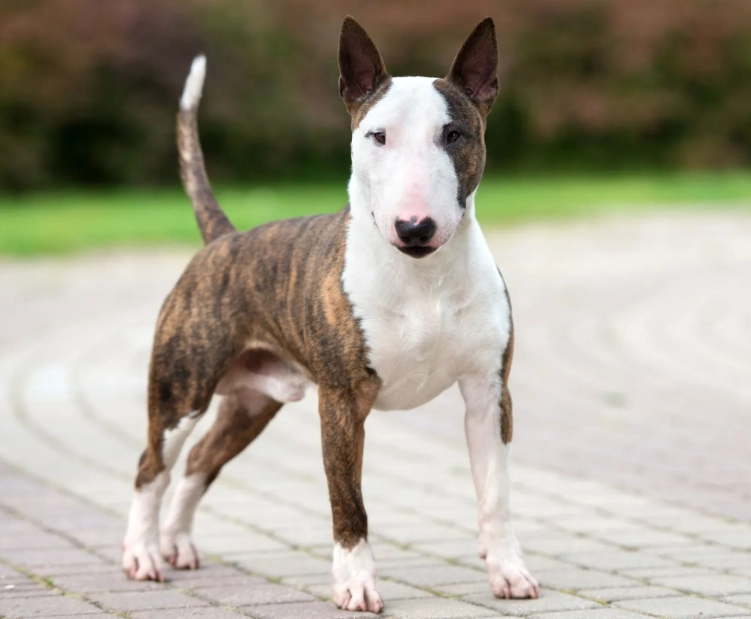
What Exactly Is a Bull Terrier? History and The Look
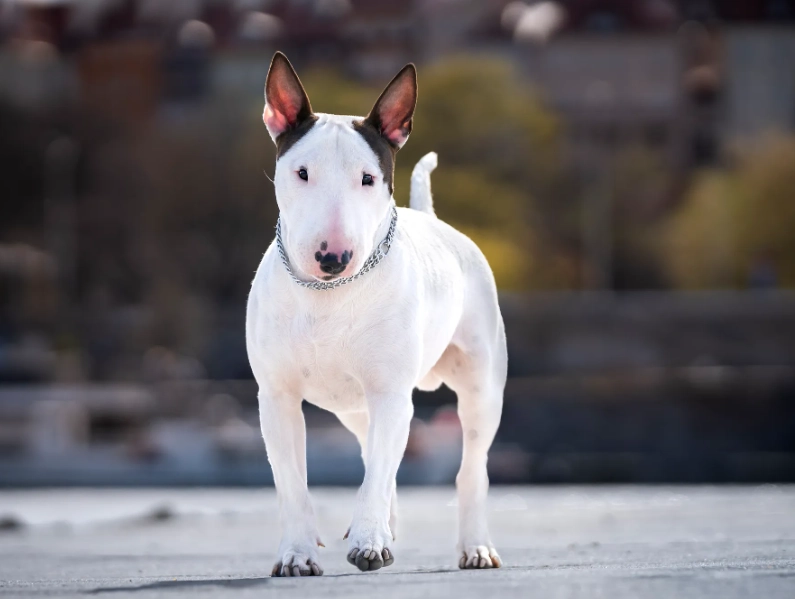
Color Type
Description
Notes
White
Pure white. Markings on the head are allowed, but body markings are a fault in the show ring.
The original color. Can be prone to deafness (more on that later).
Colored
Any color other than white, or white with colored markings. Brindle, black, red, fawn, tricolor are all common.
Colored Bull Terriers are generally less prone to congenital deafness than whites.
The Bull Terrier Personality: Clown, Cuddler, or Stubborn Mule?
A Quick Word on Temperament & Sources
The Good Stuff (The Pros)
The Tough Stuff (The Cons)
Living with a Bull Terrier: Daily Realities
Exercise: More Than You Think
Training: Patience is Your Best Tool
Bull Terrier Health: What You Need to Watch For
Critical Health Note
Is a Bull Terrier Right for YOU? The Honest Checklist
Finding a Bull Terrier: Breeder vs. Rescue
Your First Weeks: Setting Up for Success
Common Questions (The Stuff You're Actually Searching For)
Final Thoughts: The Unvarnished Truth
Let's start at the beginning. Who is this dog, really?
Speaking of health, let's talk about what can go wrong.
Are Bull Terriers good with kids?
They can be excellent, playful companions for respectful children. However, they are sturdy and can knock over small kids unintentionally. Their play style can be boisterous. All interactions between dogs and children must be supervised. Never leave them alone together. Teach kids not to bother the dog while eating or sleeping.
Are Bull Terriers aggressive?
A well-bred, well-socialized Bull Terrier is not inherently human-aggressive. In fact, they are often overly friendly. However, their terrier heritage can make them quick to react if provoked or frightened, and their strength means any incident is serious. The potential for dog aggression is a real breed trait that must be managed responsibly.
How long do Bull Terriers live?
The average lifespan is 10-14 years. Miniatures often live on the longer end of that scale.
Do they drool or snore?
They aren't major droolers like some breeds, but some might after drinking. Snoring? Oh yes. That unique head shape often leads to impressive, symphonic snoring.
Can they be left alone?
They are companion dogs. They bond intensely and are prone to separation anxiety if not trained for alone time gradually. Leaving an adult Bull Terrier alone for a full 8-9 hour workday is asking for trouble—boredom and anxiety will lead to destruction. Dog walkers or daycare (if they are dog-tolerant) are often necessary.
Comment