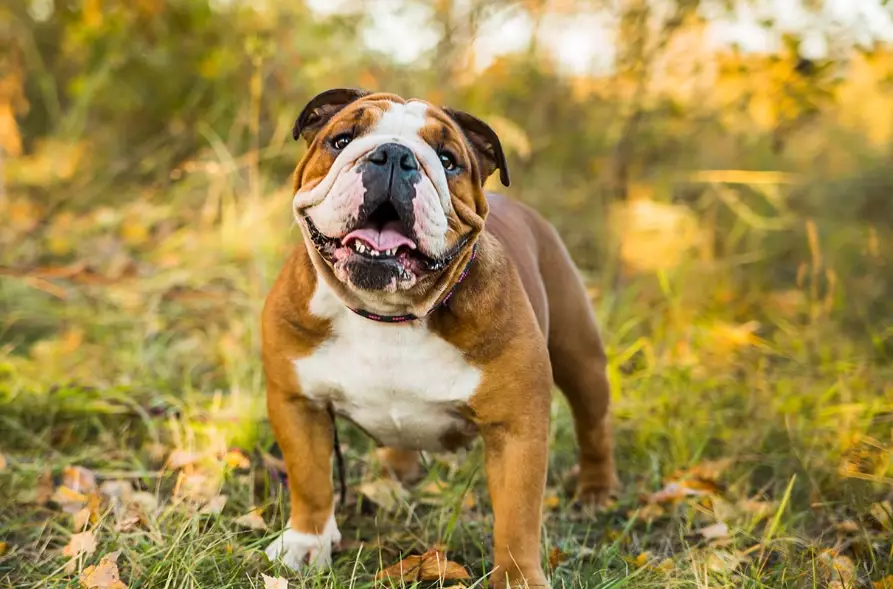
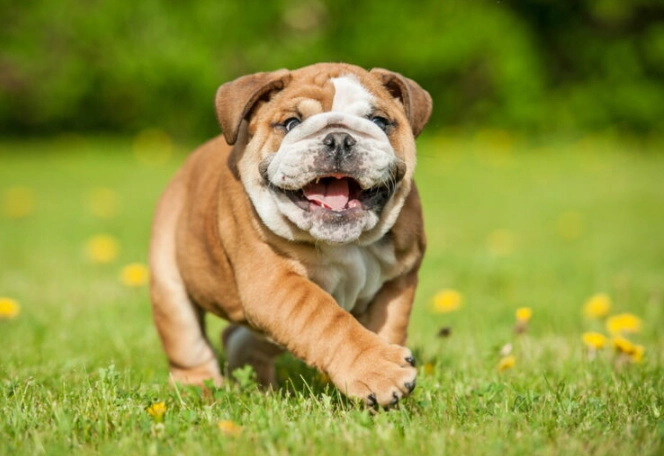
That wrinkled face. That determined waddle. That... impressive snore. The Bulldog is one of those breeds you either completely get or you don't. I've had my guy, Winston, for six years now, and let me tell you, it's been a journey of slobber, stubbornness, and more love than I thought possible from a creature that sleeps 18 hours a day. If you're here, you're probably past the "aww, cute" phase and are wondering what life is really like with one of these iconic dogs. This isn't a fluffy, sugar-coated breed profile. We're going deep—into the folds, the snorts, the quirks, and the realities of Bulldog ownership. Key Takeaway Right Off the Bat: Bulldogs are not your average high-energy, eager-to--please working dogs. They are companion animals through and through, with a specific set of needs and a personality that's equal parts charming and infuriatingly stubborn. Getting one is a commitment to understanding a unique physiology and mindset. When people say "Bulldog," they're usually picturing the English Bulldog. That's the classic, stocky, low-slung fellow that's become a mascot for everything from sports teams to tough determination. But it's important to know there are a few distinct types under the "bulldog" umbrella, and confusing them can lead to mismatched expectations. I made this mistake myself early on. I saw a super athletic, leaner dog and thought it was just a fit English Bulldog. Turns out, it was probably an American Bulldog—a completely different ballgame in terms of energy and drive. See the difference? This guide focuses primarily on the English Bulldog—the one most people are searching for when they type "Bulldog" into Google. Their needs are so specific and often misunderstood. Let's bust a myth right now. The fierce-looking Bulldog is, in my experience, one of the most gentle, loyal, and downright silly dogs you can own. Winston is more likely to try and sit on your lap (all 50 pounds of him) than show any aggression. They were bred for bull-baiting centuries ago, but modern breeding has turned them into devoted couch potatoes. But here's the thing about the Bulldog personality—it comes with a few asterisks. You might be asking, "Are Bulldogs smart?" That's a great question. I'd say they are intelligent but selectively motivated. Winston knows exactly what "dinner" means and can hear a cheese wrapper from two rooms away. Asking him to fetch a ball more than twice? Forget it. He's smart enough to know it's not worth his effort. This is the most critical section. I'm not gonna sugarcoat it—the very features that make Bulldogs adorable also cause significant health challenges. Being a responsible owner means accepting this and being prepared. Reputable breeders work hard to mitigate these issues, but the breed's structure predisposes them to certain conditions. This is the big one. That cute squashed face means they have narrowed nostrils, an elongated soft palate, and a small windpipe. It makes breathing inefficient. What you'll notice: Loud snoring (I mean, shake-the-walls loud). Snorting, grunting, and wheezing, especially when excited or hot. They are terrible at regulating their body temperature. The risks: Heatstroke is a MAJOR, life-threatening danger. A simple walk on a warm day can be too much. They also often need surgery to widen their nostrils or shorten their palate to improve airflow. The American Kennel Club has a detailed resource on this syndrome that's worth reading. Non-Negotiable Rule: Never, ever exercise your Bulldog in hot or humid weather. Walks should be in the early morning or late evening. Always have cool water and a plan to get them into air conditioning quickly. This isn't an inconvenience; it's a matter of life and death for the breed. Those lovely wrinkles? They trap moisture, dirt, and bacteria. If you don't clean them regularly (like, daily), you'll get yeast infections and nasty skin fold dermatitis. It's a constant maintenance thing. Their heavy, compact build puts immense strain on their joints. Hip and elbow dysplasia are common. So are knee issues like torn cruciate ligaments. Keeping them at a lean, healthy weight is the single best thing you can do to prevent joint pain and arthritis later in life. Trust me, a fat Bulldog is an unhealthy, unhappy Bulldog with a shortened lifespan. Honestly, vet bills are a fact of life with this breed. Pet insurance isn't a luxury; it's a financial necessity. I learned that the hard way after Winston's first knee surgery. Okay, so you're still interested. What does a typical day look like? This isn't a wash-and-go breed. Here's my daily routine with Winston: Forget harsh methods. Bulldogs are sensitive and will shut down. Positive reinforcement is the only way. Potty training can be a test of will. They are not naturally fastidious. Consistency and a strict schedule are everything. This is where you can set your future Bulldog up for a healthy life. Please, do not buy from a pet store or a sketchy online ad. You're almost guaranteed to get a puppy from a puppy mill with a host of congenital problems. Find a Reputable Breeder. A good breeder's goal is to improve the breed, not just make puppies. They will: Be prepared to wait. A good breeder might have a waiting list. They only have a litter when they plan to, not continuously. Consider Rescue. There are many wonderful Bulldogs and Bulldog mixes in rescue organizations. These groups often know the dog's personality and health issues well. Adopting an adult can skip the intense puppy phase and give a great dog a second chance. The Bulldog Club of America Rescue Network is a fantastic place to start looking. Yes, surprisingly excellent. Their low energy and moderate size make them ideal for apartment living. The main concerns are noise (the snoring) and making sure they get their short daily walks. They are not barkers, which neighbors will appreciate. The average lifespan is 8-10 years. This is shorter than many breeds, largely due to their health challenges. With exceptional care, a lean weight, and luck, some live to 12 or more. It's a sobering reality you have to accept. Financially and time-wise, yes. They are high-maintenance. The daily cleaning, the specific climate needs, the potential for vet visits. They are not a cheap or easy breed to own properly. The emotional ROI, however, is through the roof. It depends on the individual dog and the shape of their lips ("flews"). Some are neat, others... are living drool factories. After drinking water, expect a mess. Keep a "slobber towel" handy. Winston is a moderate drooler, usually around meal times. Generally, yes. They can be a bit socially awkward and sometimes don't read other dogs' signals well. Early socialization is key. Some can have same-sex aggression, especially males. Always introduce dogs on neutral ground. Getting a Bulldog isn't like getting a Labrador. It's a commitment to a specific, wonderful, and challenging way of dog ownership. They will make you laugh every single day with their goofy antics. They will shower you with a quiet, devoted love. They will also test your patience, worry you with their health, and clean out your wallet. If you can look at that wrinkled face and say, "I am ready for all of it—the snorts, the care, the vet bills, and the unparalleled companionship," then you might just be the perfect human for a Bulldog. Do your homework, find a responsible source, and get ready for a truly unique friendship. Just invest in a good vacuum and earplugs for the snoring.Your Bulldog Companion: A Quick Overview
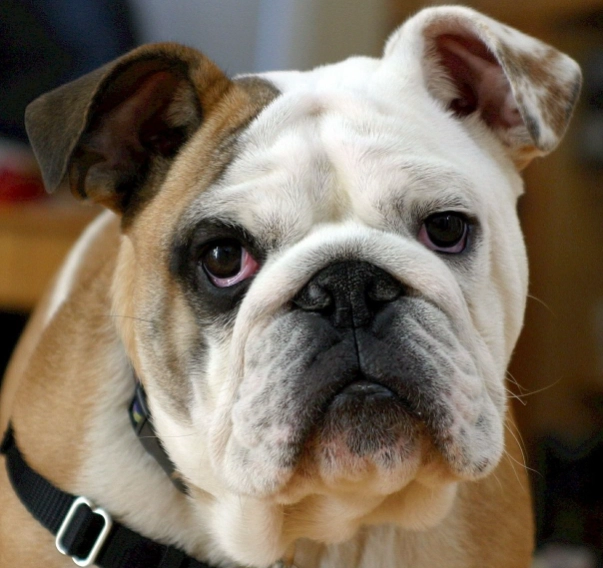
What Exactly Is a Bulldog? It's More Than One Face.
Breed Typical Weight Build & Key Traits Best For... English Bulldog 40-50 lbs (18-23 kg) Extremely stocky, wide chest, pronounced wrinkles, pushed-in nose (brachycephalic). Low energy. Apartment dwellers, low-activity families, dedicated homebodies. French Bulldog Under 28 lbs (13 kg) Smaller, with distinctive "bat ears." Also brachycephalic. Playful but not endurance athletes. City living, singles or couples, those wanting a smaller companion. American Bulldog 60-120 lbs (27-54 kg) Athletic, muscular, longer muzzle. High energy, working dog heritage. Active owners, those with space, experienced dog handlers. 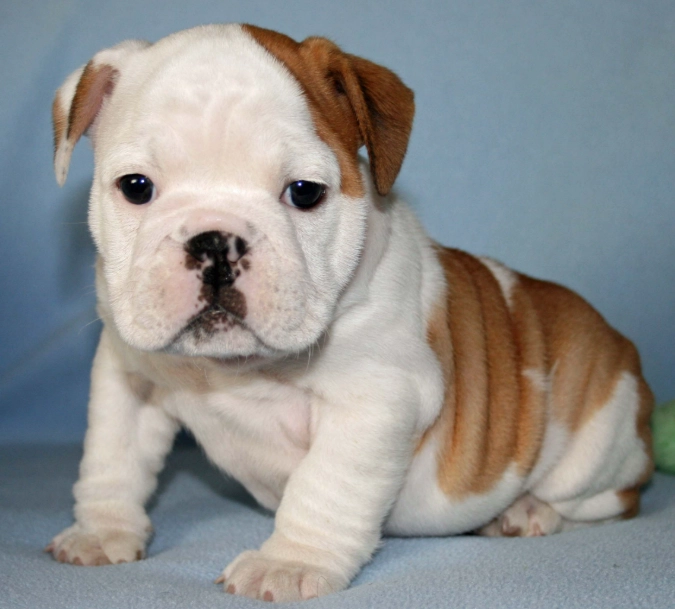
The Bulldog Temperament: More Than Just a Funny Face
Bulldog Health: What You Need to Know (The Real Deal)
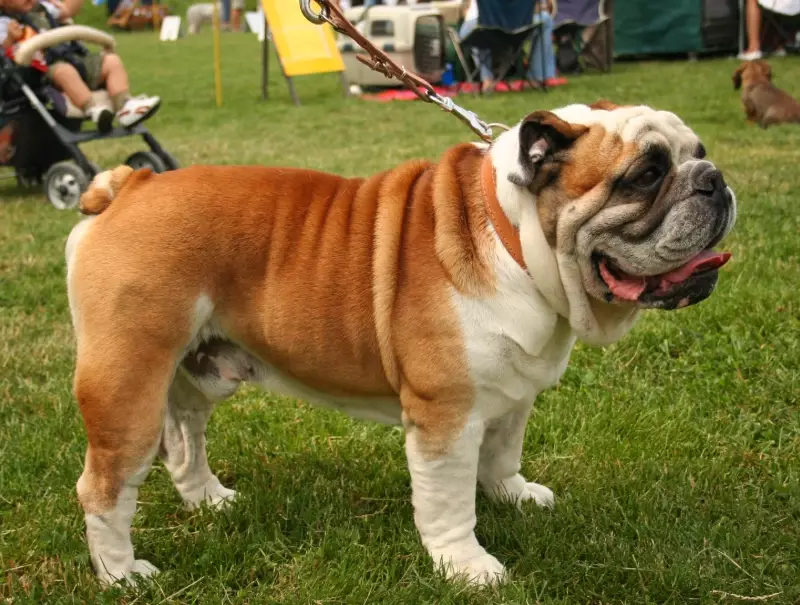
Brachycephalic Syndrome
Skin and Joint Issues
Other Common Concerns
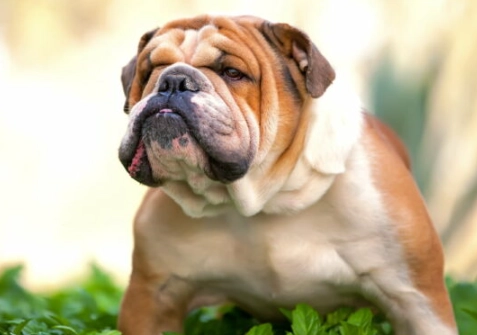
Living with a Bulldog: Daily Care and Training
The Daily Maintenance Checklist
Training That Actually Works
Choosing Your Bulldog Puppy: A Responsible Guide
Bulldog FAQs: Your Top Questions Answered
Are Bulldogs good apartment dogs?
How long do Bulldogs live?
Are Bulldogs high maintenance?
Do Bulldogs drool a lot?
Are they good with other dogs?
The Final Word
The Bulldog Owner's Handbook: From Personality & Care to Health & Training
Comment