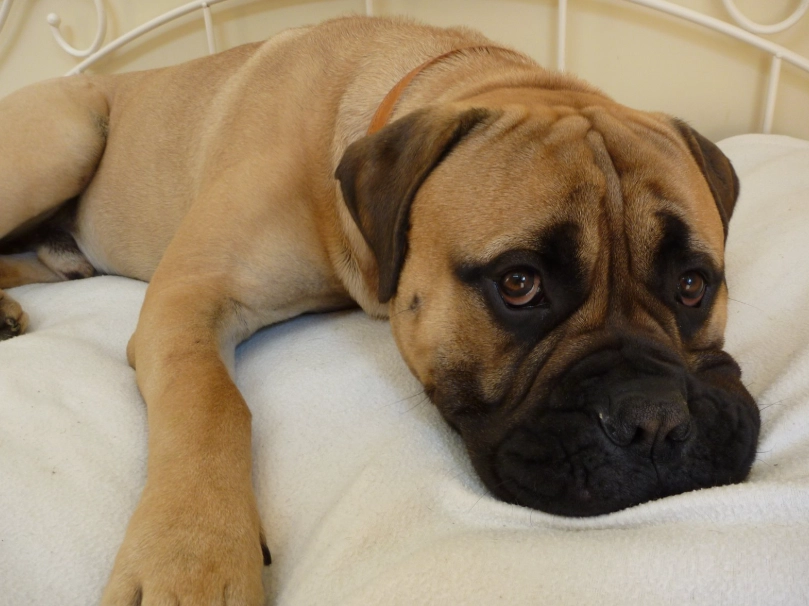
Let's be honest, the first time you see a Bullmastiff, it's hard not to be a little intimidated. That massive head, the powerful build, the serious expression. I remember walking in the park and seeing one sitting calmly next to its owner, and my first thought was, "That's not a dog, that's a small bear." But then the owner gave a quiet command, and the dog lumbered over, tail wagging slowly, and gently nudged my hand for a pat. That moment completely flipped my perception. There's so much more to this breed than just its imposing size. If you're here, you're probably wondering if a Bullmastiff could be the right dog for you. Maybe you've fallen for that loyal, calm demeanor, or you're drawn to the idea of a natural protector for your home. Well, buckle up, because we're going to dig into everything you need to know—the good, the bad, and the downright slobbery. This isn't just a list of facts. We're going to talk about what it's really like to live with one of these gentle giants. I've spoken to breeders, owners, and trainers to get the full picture. We'll cover their history (it's pretty cool), their temperament (way softer than you think), the health stuff you absolutely must know, and whether your lifestyle can handle 110+ pounds of pure love. Spoiler alert: they're amazing, but they are not for everyone. Not by a long shot. To understand the Bullmastiff of today, you have to go back to 19th century England. Picture this: large estates, valuable game like deer and pheasant, and a constant problem with poachers. Gamekeepers needed a dog that was quiet, fearless, strong enough to tackle a man, but intelligent enough to hold them down without mauling them. They didn't want a dog that would bark and give away its position, nor one that would kill and ruin the evidence. So, they started experimenting. The goal was to blend the tenacity and courage of the Bulldog (the older, more athletic type, not the modern flat-faced one) with the size, power, and guarding instinct of the Mastiff. After about 60% Mastiff and 40% Bulldog became the magic formula, the Bullmastiff was born. They called them the "Gamekeeper's Night Dog," and they were incredibly effective. Their job wasn't to fight, but to ambush, pin, and detain. This history is written into their DNA—a silent, confident, physically powerful guardian with an off-switch. Okay, let's talk specs. This is a substantial animal. Males typically stand 25 to 27 inches at the shoulder and weigh between 110 and 130 pounds. Females are a bit smaller, 24 to 26 inches and 100 to 120 pounds. But it's not just about weight; it's about density. They're incredibly muscular and powerful for their size, with a broad, deep chest and a strong back. The head is a defining feature—large, square, and with a short, dark muzzle. Wrinkles appear when they're alert or curious, which just adds to their expressive faces. Their coat is short, dense, and lies flat. It comes in fawn, red, or brindle. Honestly, the brindle ones can look particularly striking, with those dark tiger-like stripes over a lighter base. Here’s a quick visual comparison to other large breeds, because size is relative: See? The Bullmastiff sits in a sweet spot—powerful and imposing, but not quite as overwhelmingly huge as its Mastiff cousin. That said, they still take up a lot of couch space. This is where people get it wrong most often. Because of their looks and history, they assume Bullmastiffs are aggressive or hyper-vigilant. Nothing could be further from the truth. The well-bred, properly socialized Bullmastiff is a study in calm confidence. At home with their family, they are affectionate, gentle, and often downright silly. They lean on you (be prepared for the "Bullmastiff lean"), they follow you from room to room, and they have a deep, quiet devotion. They're known for being excellent with children, showing remarkable patience and tolerance. I've heard stories of kids using them as pillows during movie night, and the dog wouldn't dream of moving. But here's the thing. That aloofness with strangers is real. They are not golden retrievers who want to be friends with everyone at the dog park. They are reserved and watchful with new people. This isn't aggression; it's caution. It means you need to be proactive about socialization from a young age—exposing them positively to all sorts of people, places, and situations so their natural judgment is based on experience, not fear. With other dogs, it can be a mixed bag. Same-sex aggression, especially among males, is not uncommon. Early socialization and careful introductions are crucial. Some Bullmastiffs live perfectly happily with other pets, including cats, especially if raised together. Others may have a high prey drive. You really have to know your individual dog. Let's cut to the chase. Loving the idea of a Bullmastiff is different from being equipped for the reality. Ask yourself these questions: If you answered "no" to more than one of these, you might want to admire Bullmastiffs from afar. And that's okay! It's better to be honest now than to have a mismatched, unhappy dog and owner later. So you've decided you're up for it. Fantastic. Whether you're getting a puppy or rescuing an adult, the first few weeks are about setting the tone. For puppies, everything is new. Focus on positive experiences, gentle handling, and starting a simple routine. Nutrition is critical, especially during the first two years. You must feed a high-quality, large-breed puppy formula that controls calcium and phosphorus levels to support steady, not rapid, growth. Rapid growth is the enemy of healthy joints. Most Bullmastiffs should stay on puppy food until 18-24 months old. For adults, a large-breed adult maintenance diet is key to preventing obesity, which is a huge strain on their frame. Two measured meals a day is better than one large one to help prevent bloat. Puppies don't need long walks. Their exercise should come from short, controlled play sessions. The rule of thumb is 5 minutes of structured exercise per month of age, twice a day. So a 4-month-old puppy gets about 20 minutes, twice a day. Forced running on hard surfaces is a no-go. Adult Bullmastiffs need regular, moderate exercise to stay fit and mentally stimulated—a couple of 20-30 minute walks a day and some backyard play is usually sufficient. They overheat easily, so avoid midday summer walks. Their short coat is low-maintenance. A weekly brush with a rubber curry brush or a hound glove will remove loose hair and distribute skin oils. The wrinkles on their face, though, need attention. You have to clean in those folds regularly with a damp cloth and dry them thoroughly to prevent nasty skin infections. Check ears weekly, trim nails regularly (if you hear clicking on the floor, they're too long), and get them used to tooth brushing early. This is the sobering part. Large, deep-chested breeds come with a set of potential health challenges. Being aware of them is the first step to prevention and early intervention. A responsible breeder will have done health screenings on the parent dogs. Always ask for proof from the Orthopedic Foundation for Animals (OFA) or similar organizations. Here are the big ones: The average lifespan for a Bullmastiff is around 8-10 years. It feels heartbreakingly short for such a wonderful companion, which is why maximizing their health through responsible breeding and care is so important. You can't manhandle a Bullmastiff into obedience. They are sensitive souls who respond poorly to harshness or anger. What they need is calm, consistent, and fair leadership. Training should start the day you bring them home, focusing on positive reinforcement—treats, praise, play. Early Socialization is Non-Negotiable. This isn't just about meeting other dogs. It's about exposing your Bullmastiff puppy to different people (men with hats, kids on bikes, people using wheelchairs), surfaces, sounds, and environments in a positive, controlled way. The goal is to build a confident, well-adjusted adult who isn't fearful of the world. The AKC's socialization checklist is a fantastic resource. Basic Obedience is a Safety Must. A reliable "come," "sit," "down," and "leave it" are essential for managing a powerful dog. "Leave it" can prevent them from eating something dangerous. A solid "come" can get them out of a tricky situation. Leash manners are crucial—being pulled down the street by a Bullmastiff is not fun. I knew a couple who got a Bullmastiff puppy and didn't enforce any rules because he was "so cute." By a year old, he was pushing them out of the way to get through doors, stealing food off counters, and refusing to get in the car. They had to bring in a professional trainer to undo those bad habits, which was much harder than establishing good ones from the start. Consistency is your best friend. Let's tackle some of the specific questions people type into Google. Yes, absolutely—for the right family. They are incredibly loyal and gentle with their own family members, including children. However, their size alone means supervision with very young kids is necessary to prevent accidental knocks. Their protective nature also means you must teach children how to interact with dogs respectfully and manage introductions when friends come over. Less than you think. An adult Bullmastiff is content with 30-60 minutes of moderate activity per day, broken into two walks and some play. They are prone to laziness, so you have to motivate them to get moving to keep them at a healthy weight. Puppies need even less structured exercise to protect their joints. Oh yes. Some are worse than others, but it comes with the territory. They tend to drool more after drinking, eating, when excited, or when it's hot. Keeping a "drool rag" handy is a standard practice among owners. If you're a neat freak, this breed will test your limits. It's strongly discouraged. They need space to move around comfortably, and their size makes apartment living cramped. Their deep bark can disturb neighbors through thin walls. A house with a securely fenced yard is the ideal setup for a Bullmastiff. A well-bred, well-socialized Bullmastiff is not inherently aggressive. They are protective, which is different. Aggression is an inappropriate reaction to a normal stimulus. Protection is a measured response to a perceived threat. However, their size and power mean that any aggression is extremely serious. This is why sourcing from an ethical breeder who prioritizes stable temperament is critical. The English Mastiff is significantly larger (often 50-100 lbs heavier), with a heavier bone structure and a broader head. Temperamentally, both are gentle giants, but the Mastiff is often described as even more laid-back and perhaps less "sharp" or alert than the Bullmastiff, which retains more of its working dog vigilance. Start with the national breed club. The Bullmastiff Club of America or the Bullmastiff Club UK have breeder referral pages. A good breeder will: ask you tons of questions, invite you to meet their dogs, show you health clearances for both parents (OFA hips/elbows/heart, eyes), raise puppies in their home, have a contract that includes a health guarantee and requires you to return the dog to them if you can't keep it, and be a resource for the dog's entire life. Living with a Bullmastiff is a unique experience. It's not for the faint of heart, the overly busy, or the perfectionist about clean walls. It's a commitment to managing size, strength, and potential health issues. It's about understanding a mind that is both deeply affectionate and instinctively watchful. But for the right person or family, the rewards are immense. You get a companion whose loyalty is absolute. A presence that makes you feel safe. A friend whose quiet companionship is a constant comfort. They are goofy, loving, and profoundly connected to their people. Do your homework. Meet some Bullmastiffs if you can. Talk to owners (we love to talk about our dogs). Be brutally honest with yourself about your lifestyle. If it aligns, and you find a responsible source for your dog, you could be welcoming one of the most devoted, gentle, and remarkable guardians you'll ever know into your life. Just buy a lot of paper towels first.Quick Navigation
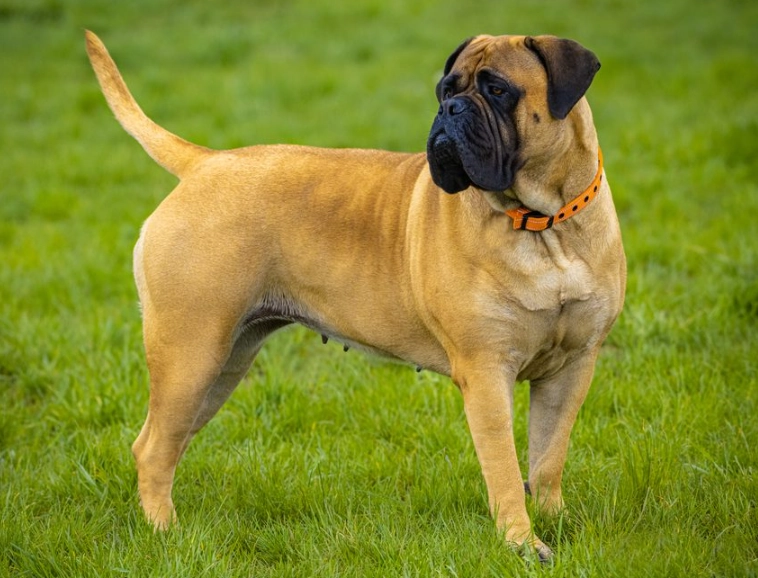
Where Did This "Gamekeeper's Night Dog" Come From?

The Bullmastiff Look: More Than Just a Big Dog
Breed Average Weight Coat Type Key Distinguishing Feature Bullmastiff 100-130 lbs Short, smooth Square head, muscular build, "brindle" common English Mastiff 160-230 lbs Short, smooth Even more massive, heavier bone, larger head Boxer 65-80 lbs Short, smooth More athletic, longer muzzle, higher energy Rottweiler 95-135 lbs Short, double coat Black & tan markings, traditionally docked tail The Bullmastiff Temperament: A Heart of Gold Behind the Stoic Face

Is a Bullmastiff the Right Dog for You? A Brutally Honest Checklist
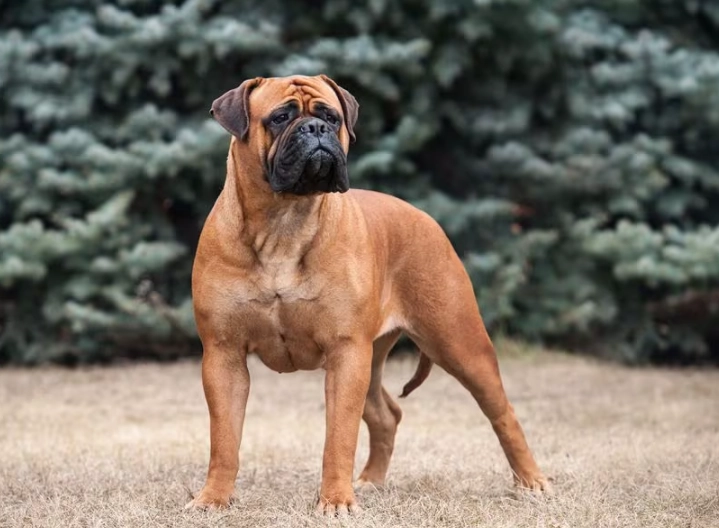
Bringing Home Your Bullmastiff: The First Days and Beyond
Feeding a Growing (and Grown) Giant
Exercise: Less is More (Seriously)
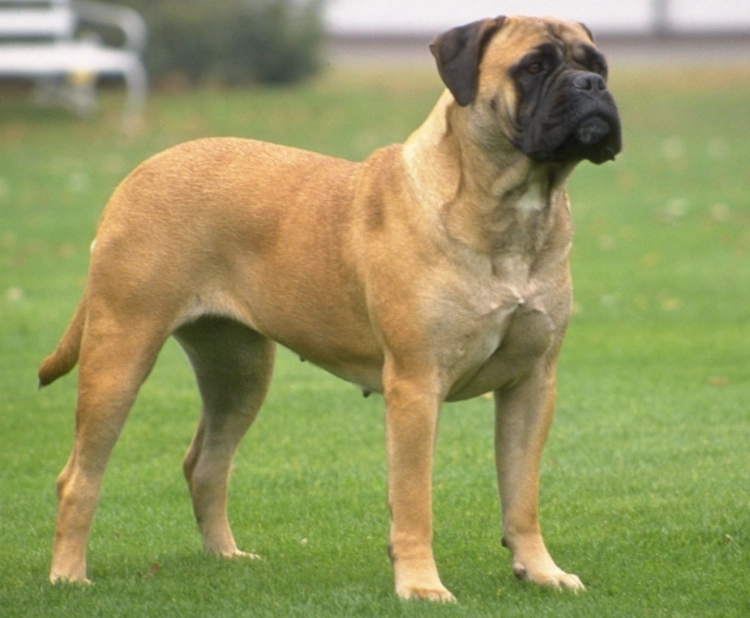
Grooming: The Easy Part
Bullmastiff Health: What You Need to Watch For
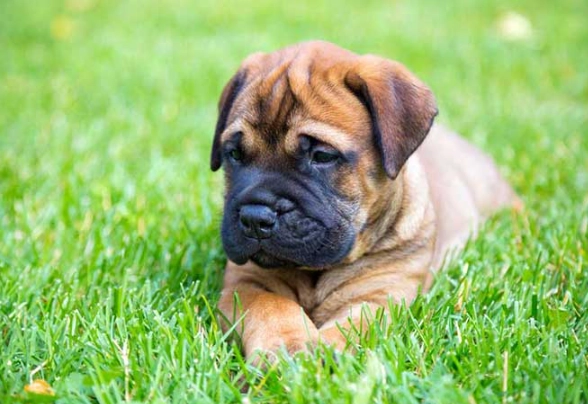
Health Condition What It Is Prevention/Management Hip & Elbow Dysplasia Malformation of the joints leading to arthritis and pain. Buy from parents with OFA Excellent/Good ratings. Maintain lean weight. Provide joint supplements (glucosamine/chondroitin). Gastric Dilatation-Volvulus (Bloat) Life-threatening stomach twisting. A TRUE EMERGENCY. Feed 2+ smaller meals a day. Avoid exercise 1 hour before/after eating. Know the symptoms: unproductive retching, distended abdomen, restlessness. Cancer Lymphoma, mast cell tumors, and bone cancer are seen in the breed. Regular vet checks. Be vigilant about new lumps. Early detection is critical. Heart Issues Subvalvular Aortic Stenosis (SAS), cardiomyopathy. Parents should have cardiac clearance from a cardiologist. Listen for coughing or exercise intolerance. Eye Problems Entropion (eyelids rolling in), ectropion (eyelids drooping). Parents should have CERF (now OFA Eye) clearance. Watch for squinting or redness. Hypothyroidism Underactive thyroid, causing weight gain, lethargy, skin issues. Simple blood test for diagnosis. Managed with daily medication. Training Your Bullmastiff: It's All About Leadership, Not Dominance
Bullmastiff FAQs: Answering Your Burning Questions
Are Bullmastiffs good family dogs?
How much exercise does a Bullmastiff really need?
Do Bullmastiffs drool a lot?
Can a Bullmastiff live in an apartment?
Are they aggressive?
What's the difference between a Bullmastiff and an English Mastiff?
How do I find a responsible Bullmastiff breeder?
The Final Word: A Lifetime Commitment
This selective breeding for a specific job is why Bullmastiffs have such a distinct personality. They were bred for intelligence and judgment, not just brute force. The American Kennel Club (AKC) has a great page on the official Bullmastiff breed standard that still reflects these working origins.
Their defining trait is a natural, instinctive protectiveness. They don't need to be taught to guard; it's in their blood. But a good Bullmastiff is discriminating. They assess situations. The mailman who comes every day becomes part of the routine, but a stranger behaving oddly at the door at night will be met with a formidable presence and a deep, resonating bark that seems to come from the earth itself.
Never, ever buy a Bullmastiff puppy from a pet store, backyard breeder, or online ad that doesn't provide verifiable health clearances for both parents. You are almost guaranteeing a lifetime of heartache and vet bills. The OFA website is a public database where you can look up a dog's registered health testing results.
Comment