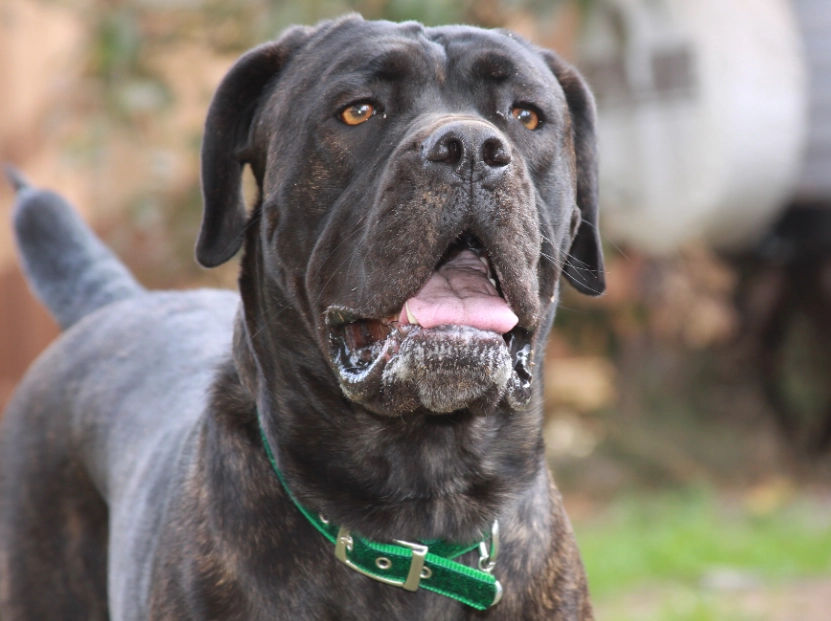
I remember the first time I saw a Cane Corso up close. This massive Italian mastiff stood there with this incredible presence – not aggressive, just... confident. Like he owned the space around him. And honestly, he probably did. But here's the thing about Cane Corsos that most people don't tell you upfront: they're not for everyone. Actually, they're not for most people. And that's exactly why we need to have this conversation. The Cane Corso (pronounced KAH-neh COR-so) is an ancient Italian breed that dates back to Roman times. They were originally used as guard dogs, property protectors, and even hunting large game. The name literally means "bodyguard dog" or "guardian dog" in Latin. What makes them different from other mastiffs? They're more athletic and less bulky. While an English Mastiff might weigh 200+ pounds, a Cane Corso typically ranges from 90-120 pounds – still massive, but more agile. Let's cut through the romanticized versions you see on social media. A well-bred, properly socialized Cane Corso is confident, loyal, and surprisingly affectionate with their family. But there's another side. Contrary to what some people think, Cane Corsos can be wonderful with children – if raised with them and properly trained. But there are important caveats: I've seen Cane Corsos that are gentle giants with kids, but I've also seen situations where the dog's size and strength became problematic. It really depends on the individual dog and the family's commitment to training. This is where most people get into trouble with the breed. A Cane Corso's natural guarding instinct is strong – sometimes too strong for inexperienced owners. Proper socialization means exposing your Cane Corso to various people, places, and situations in a positive way. This isn't optional – it's essential for preventing over-protectiveness. Height: 23-28 inches | Weight: 90-120 pounds | Lifespan: 9-12 years The Cane Corso has a distinctive appearance that sets it apart from other mastiff breeds. Their coat is short, dense, and comes in several colors including black, gray, fawn, and red. Some have brindle patterns or black masks. Training a Cane Corso isn't like training a Labrador. These dogs are intelligent and independent thinkers. They'll test boundaries and need consistent leadership. I can't emphasize enough how important positive reinforcement is with this breed. Harsh methods will backfire – these dogs remember everything. Like many large breeds, Cane Corsos are prone to certain health issues. Responsible breeders screen for these conditions, but it's important to know what to watch for. The average Cane Corso lives 9-12 years. To maximize their health and longevity: This is the million-dollar question. Based on my experience, here's who should and shouldn't consider this breed. Caring for a Cane Corso involves more than just feeding and walking. These dogs have specific needs that must be met for their well-being. A tired Cane Corso is a happy Cane Corso. These dogs need: Without adequate exercise, they can become destructive or develop behavioral issues. Fortunately, Cane Corsos are relatively low-maintenance in the grooming department: Every breed has its quirks, but with a Cane Corso, these quirks come in a large package. Understanding these challenges helps prevent problems. Cane Corsos form strong bonds with their families and can develop separation anxiety if not properly conditioned to alone time. Crate training from puppyhood helps prevent this. Some Cane Corsos may guard food, toys, or space. This requires careful management and professional training if it becomes problematic. This might be the most important section. A poorly bred Cane Corso can be a nightmare – health issues, temperament problems, you name it. Reputable breeders through organizations like the American Kennel Club or the Cane Corso Association of America typically health test their breeding stock and prioritize temperament. Rescuing an adult Cane Corso can be rewarding but comes with additional challenges. Many rescue dogs have unknown histories or existing behavioral issues. If considering rescue: Well-bred, properly socialized Cane Corsos are not inherently aggressive. They're protective, which is different. However, without proper training and socialization, their protective instincts can become problematic. Adult Cane Corsos need at least 30-60 minutes of vigorous exercise daily, plus mental stimulation. Puppies need shorter, more frequent play sessions to avoid joint stress. With proper socialization, many Cane Corsos do well with other pets. However, some may have same-sex aggression issues, particularly with other large dogs. Early socialization is key. While both are large mastiff-type breeds, Cane Corsos are Italian and generally more athletic and refined. Presa Canarios are Spanish and tend to be heavier-boned. Temperaments also differ slightly. From reputable breeders, expect $1,500-$3,000+. The initial cost is just the beginning – consider ongoing expenses like food, veterinary care, and training. Owning a Cane Corso is a significant commitment that shouldn't be taken lightly. These magnificent dogs offer incredible loyalty and companionship, but they demand responsible ownership. If you're willing to put in the time, training, and commitment, a Cane Corso can be an amazing companion. But if you're looking for an easy, low-maintenance dog, there are better choices. Remember: every Cane Corso deserves an owner who understands what they're signing up for. It's not just about having a impressive-looking dog – it's about providing the leadership and care this ancient breed requires. Do your research, be honest about your capabilities, and if you decide a Cane Corso is right for you – commit fully. These dogs give their all to their families; they deserve the same in return.Quick Navigation

What Exactly is a Cane Corso?
Cane Corso Temperament: The Good, The Bad, The Reality

Family Life with a Cane Corso

Protective Instincts: Asset or Liability?

Cane Corso Physical Characteristics
Quick Stats
Characteristic Description Considerations Size Large, muscular build Requires space; not ideal for apartments Coat Short, low maintenance Still sheds; weekly brushing recommended Energy Level Moderate to high Needs daily exercise and mental stimulation Drooling Moderate More than some breeds, less than others Training Your Cane Corso: Non-Negotiable Basics
Essential Training Areas
Health Concerns Specific to Cane Corsos

Health Issue Prevalence Prevention/Screening Hip Dysplasia Common in large breeds OFA or PennHIP certifications Elbow Dysplasia Moderately common X-ray screening Eye Problems Occasional CERF exams Bloat (GDV) High risk Preventative measures Lifespan and Quality of Life
Is a Cane Corso Right for You? The Honest Assessment
Ideal Cane Corso Owners Have:
Probably Not the Right Breed If You:
Cane Corso Care Requirements
Exercise Needs
Grooming and Maintenance
Common Behavioral Challenges
Separation Anxiety
Resource Guarding
Finding a Responsible Cane Corso Breeder
Cane Corso Rescue Considerations
Frequently Asked Questions About Cane Corsos
Are Cane Corsos aggressive?
How much exercise does a Cane Corso need?
Are Cane Corsos good with other pets?
What's the difference between a Cane Corso and a Presa Canario?
How much does a Cane Corso cost?
Final Thoughts on Living with a Cane Corso
Quick Reality Check: If you're considering a Cane Corso because they look impressive or you want a "tough" dog, you might be setting yourself up for disaster. These dogs require specific handling and understanding.
I've worked with several Cane Corsos over the years, and the one thing that consistently surprises new owners is how intelligent they are. They're not just brawn – they're constantly assessing situations and making decisions.
Warning: Without proper training and socialization, a Cane Corso can become overly protective, anxious, or even dangerous. This isn't a breed where you can skip obedience classes.
The question isn't whether they'll protect you – it's whether you can control when they protect you.
Start training early – as early as 8 weeks old. Socialization should begin immediately after vaccinations are complete.
Bloat is a life-threatening emergency common in deep-chested breeds like the Cane Corso. Know the symptoms and have an emergency plan.
I've noticed that many behavioral issues stem from boredom or lack of clear leadership. These dogs need to know their place in the family structure.
Avoid breeders who: won't show you both parents, don't health test, have multiple litters available, or pressure you to buy.
The best Cane Corso owners respect the breed's power while appreciating its capacity for affection.
After years of working with this breed, I still get excited when I meet a well-raised Cane Corso. There's something special about their combination of intelligence, loyalty, and presence. But I've also seen too many end up in shelters because people underestimated what they were taking on.
Comment