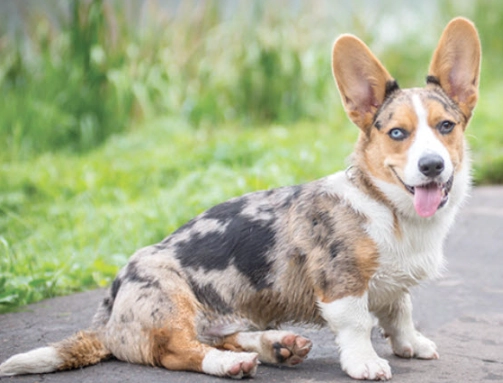
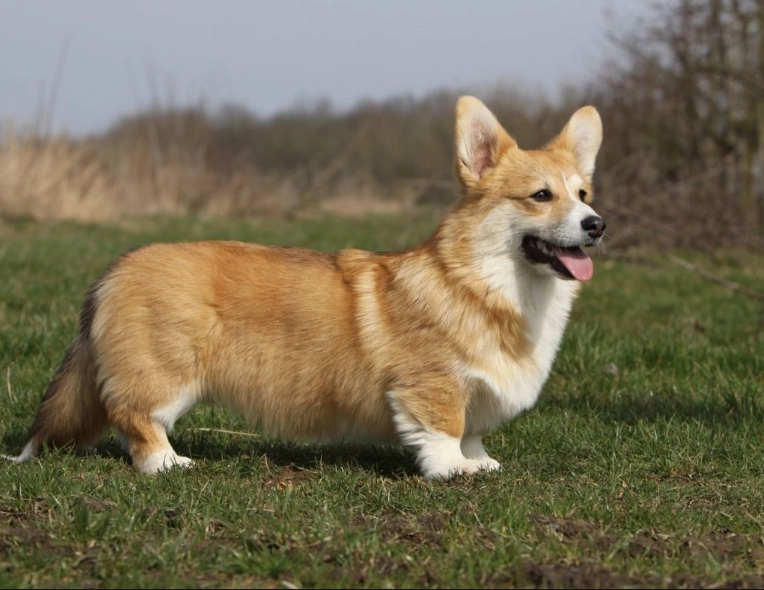
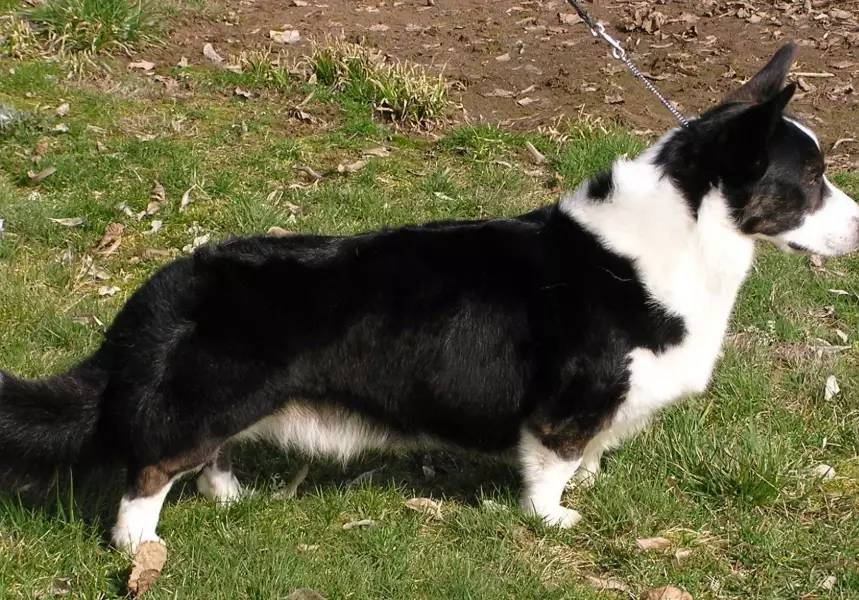
Let's be honest, when most people hear "corgi," they picture the smiling, tailless, fox-like dog owned by the Queen. That's the Pembroke Welsh Corgi. But there's another corgi, an older, often misunderstood cousin with a tail, bigger ears, and a slightly different vibe. That's the Cardigan Welsh Corgi. I've had one for eight years now, and let me tell you, they're not just a "corgi with a tail." They're their own whole, wonderful, stubborn, and incredibly loyal package. If you're scrolling through puppy pictures and falling for those expressive eyes and low-slung bodies, you need to know what you're signing up for. This isn't a decorative lapdog. This is a working herding dog, bred to think for itself and nip at cattle heels all day. That intelligence and energy don't just disappear because they're on your couch. This is the big one. Everyone mixes them up. Even some vets have looked at Finn's paperwork and said, "Oh, a Pembroke!" before noticing his magnificent tail. The confusion is real, and it means a lot of people get a dog whose temperament doesn't match their expectations. So let's clear it up once and for all. Think of them as cousins, not twins. They come from different parts of Wales (Cardiganshire vs. Pembrokeshire) and have completely different ancestral roots. The Cardigan Welsh Corgi is actually one of the oldest dog breeds in the British Isles, brought by Celtic tribes over 3,000 years ago. The Pembroke came along much later with Flemish weavers. That ancient lineage shows in the Cardigan's more reserved, watchful nature. Here’s a quick breakdown I wish I had seen before I started looking: The personality difference is the key. My Cardigan Welsh Corgi will assess a new person from across the room before deciding if they're worthy of a sniff. A Pembroke will likely barrel over for belly rubs immediately. Neither is better, but they're suited to different homes. If you want a social butterfly, you might be disappointed with a Cardigan's initial standoffishness. Okay, so you like the sound of a loyal, smart, slightly serious little herder. What's daily life actually like? Their intelligence is staggering. Finn learns tricks in three repetitions. He understands dozens of words and phrases. He can problem-solve how to get a toy from under the couch. This makes training incredibly rewarding... when they're in the mood to listen. The loyalty is intense. He's my shadow. He always knows where I am in the house and checks in. When I'm sick, he stays glued to my side. It's a deep, quiet companionship that feels very special. You're not just an owner; you're their person. They're adaptable. Despite their energy, a good 45-minute walk and some puzzle games and he's content to snooze while I work. They can do well in apartments if their needs are met, though a yard is a bonus. That Cardigan Welsh Corgi expression. Those big ears swiveling like satellite dishes, the thoughtful head tilt, the tail wag that starts slow and builds. They're incredibly expressive. The barking. This is the number one complaint. They are vocal. They bark at the doorbell, a leaf blowing by, a suspicious squirrel, the neighbor closing their car door. It's a deep, authoritative bark for such a small dog. You must train a "quiet" command from day one. It's a work in progress forever. The stubbornness. That brilliant brain comes with an independent streak. They were bred to make decisions away from the shepherd. If they don't see the point in "sit" right now, they might just... not. Training requires patience, consistency, and really good treats. Harsh methods backfire instantly. The herding instinct. They will herd children, other pets, your ankles if you're running. It's not aggression; it's a gentle nip or bump. You need to manage and redirect this behavior, especially with small kids. The shedding. Oh, the shedding. They have a double coat. It's not seasonal; it's eternal. You will have corgi glitter on every piece of clothing, in your food, probably in your car's engine. Invest in a good vacuum (I like the ones specifically for pet hair) and a slicker brush. Get used to brushing several times a week. And let's talk about the back. Their long spine makes them prone to intervertebral disc disease (IVDD). You cannot let them jump on and off furniture or go up and down stairs regularly. Ramps are non-negotiable. Keeping them at a healthy weight is critical to reduce spinal stress. This isn't a set-it-and-forget-it breed. They need engagement. A bored Cardigan Welsh Corgi is a destructive, barking, anxious Cardigan. Exercise: Don't just do the same walk every day. Mix it up. Let them sniff (it's mental work!). Try short sessions of fetch (on soft grass). Agility training is fantastic for them—it uses their brain and body, and they excel at it. The American Kennel Club (AKC) has great resources on getting started in dog sports. Training: Start early and make it fun. Socialization is huge. Expose them calmly to different people, places, sounds, and other dogs during puppyhood. Basic obedience is a must. I found clicker training worked wonders with Finn's smart-but-stubborn mindset. Choosing a responsible breeder is your first and best defense. A good breeder will do genetic health testing on the parent dogs. Always ask to see these test results (OFA or PennHIP for hips, a DNA test for degenerative myelopathy, etc.). Common health concerns in the Cardigan Welsh Corgi include: Regular vet check-ups are key. The Cardigan Welsh Corgi Club of America (CWCCA) is an excellent resource for finding breed-specific health information and ethical breeders who follow their code of ethics. Pet insurance? I didn't get it at first and regretted it after a minor scare. With their potential for back issues, I'd highly recommend it. I get asked these all the time. Here's the real-world scoop. Look, I adore my dog. But I'm not here to sell you on the breed. I'm here to give you the full picture. A Cardigan Welsh Corgi is perfect for someone who wants a smart, loyal, medium-energy companion and is willing to be an active, engaged owner. You need to commit to training, manage their barking, handle the shedding, and be vigilant about their back health. You should enjoy a dog with a bit of an independent mind, not a robot that blindly obeys. They are not for someone who wants a low-maintenance, always-quiet, hyper-social dog. They can be wary of strangers and are not the dog to take to a bustling outdoor cafe expecting them to nap under the table. If you've read all this—the good, the bad, the hairy, the expensive vet bill potential—and you're still fascinated, then you might be the right human for a Cardigan. Do your homework, find a responsible source, and get ready for a decade-plus of adventure with a fiercely loyal, funny, and unforgettable little dog with a magnificent tail. Just remember, that tail wags most for you.Quick Guide
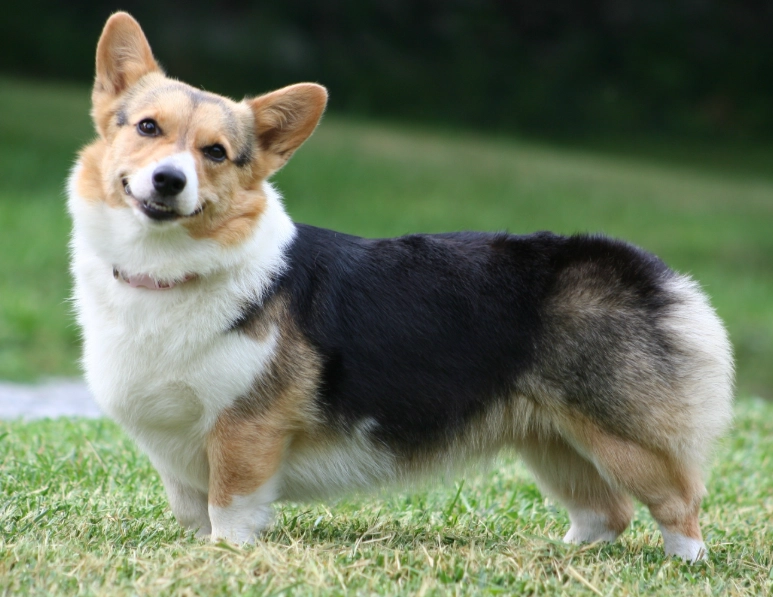
The Tale of Two Tails: Cardigan vs. Pembroke Welsh Corgi
Feature
Cardigan Welsh Corgi
Pembroke Welsh Corgi
Tail
Long, fox-like tail (its crowning glory!)
Naturally short or docked to be very short
Build
Larger bone, heavier set. More rounded at the rear.
Lighter bone, more rectangular frame.
Head & Ears
Larger, more rounded ears. Muzzle tapers more gracefully.
Smaller, pointier ears. More "foxy" face.
Coat Colors
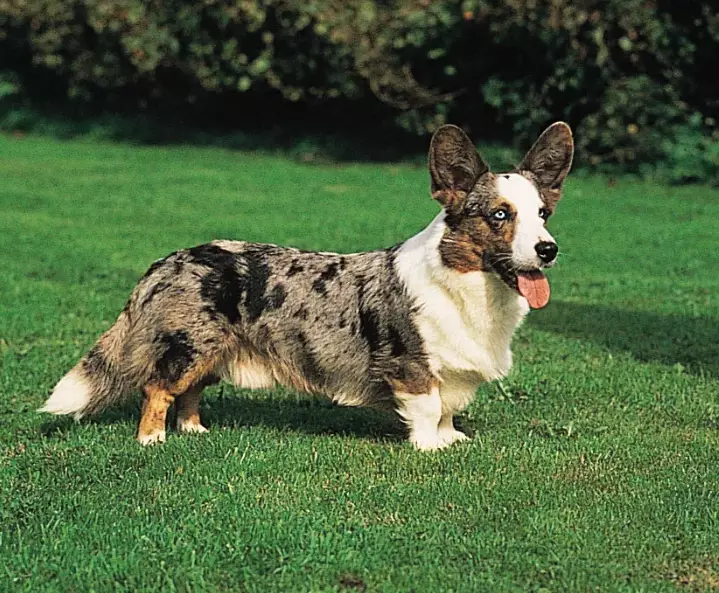
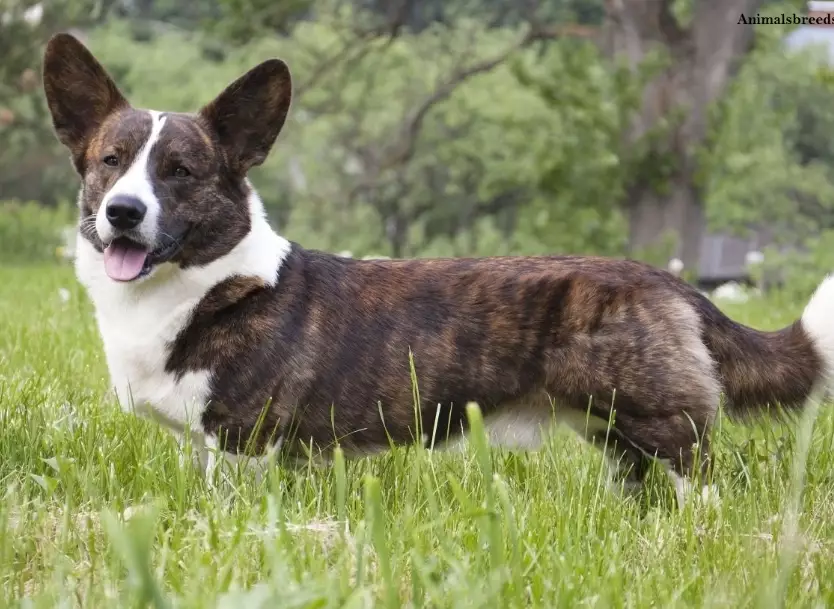
More variety: Brindle, blue merle, red, sable, black with tan. Often with white markings.
Typically red, sable, fawn, or tri-color (black & tan). No merle.
Temperament
More reserved, watchful, thoughtful. Can be aloof with strangers. A "one-person/family" dog.
Typically more outgoing, extroverted, and eager to please. Often more "clownish."
Energy Level
High, but often more "burst and rest." Needs mental work as much as physical.
Very high and often more consistently energetic.
Living with a Cardigan Welsh Corgi: The Good, The Bad, The Hairy
The Amazing Parts (Why I'll Probably Always Have One)
The Challenging Parts (No Sugarcoating)
Keeping Your Cardigan Healthy and Happy
Health Issues You Need to Watch For
Your Cardigan Welsh Corgi Questions, Answered
Final Thoughts: Is the Cardigan Welsh Corgi Right for You?
I got my Cardigan, named Finn, thinking he'd be a chill, low-energy companion. Boy, was I wrong for the first two years. He was a whirlwind of barking, herding the cat, and needing to know the "why" behind every command. It was a learning curve for both of us. But getting past that, he's become the most intuitive and devoted friend I could ask for.
That tail isn't just for show. It's a mood barometer.
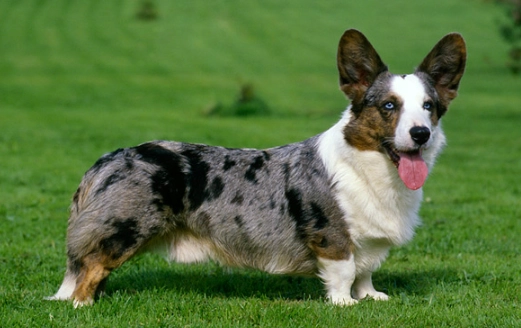
If you need absolute quiet or have thin apartment walls, a Cardigan Welsh Corgi might drive you and your neighbors crazy. Seriously, think about this.
Essential Gear for a Cardigan Owner:
Are Cardigan Welsh Corgis good with kids?
Yes, generally, if raised with them. They are loyal and protective of their "flock." But supervision is vital because of the herding instinct (those ankle nips) and because young children might not know how to handle their long backs gently. Teach kids to pet calmly and not to pick them up.
Are they good with other dogs?
They can be. Early socialization is critical. Some Cardigans have a same-sex aggression tendency, especially males. They often prefer canine company they've been raised with. Introduce new dogs slowly and carefully.
How much exercise does a Cardigan Welsh Corgi really need?
More than you think, but less than a Border Collie. Aim for at least an hour a day of combined physical and mental activity. A tired corgi is a good corgi. A bored corgi will redesign your couch.
Are they easy to train?
Easy to *learn*, harder to get consistent compliance. They're smart but question authority. Use positive reinforcement (treats, praise, play). Keep sessions short and fun. They excel at advanced tricks and dog sports once you have their buy-in.
What's the deal with the blue merle color?
It's a stunning, marbled gray and black pattern, unique to the Cardigan (Pembrokes don't have it). It's linked to the merle gene. Critical warning: Never, ever breed a merle to another merle. This produces "double merle" puppies who are often blind, deaf, and have serious health problems. Ethical breeders know this.
Should I get a Cardigan from a breeder or a rescue?
Both are great options! A good breeder gives you a health-tested puppy you can shape from the start. Check the CWCCA breeder referral list. Rescues are also full of wonderful dogs. Organizations like Corgi Rescue often have Cardigans or mixes needing homes. Be prepared for a possible adult dog with some baggage, but the reward is huge.
It comes down to this: do you want a project or a partner?
Comment