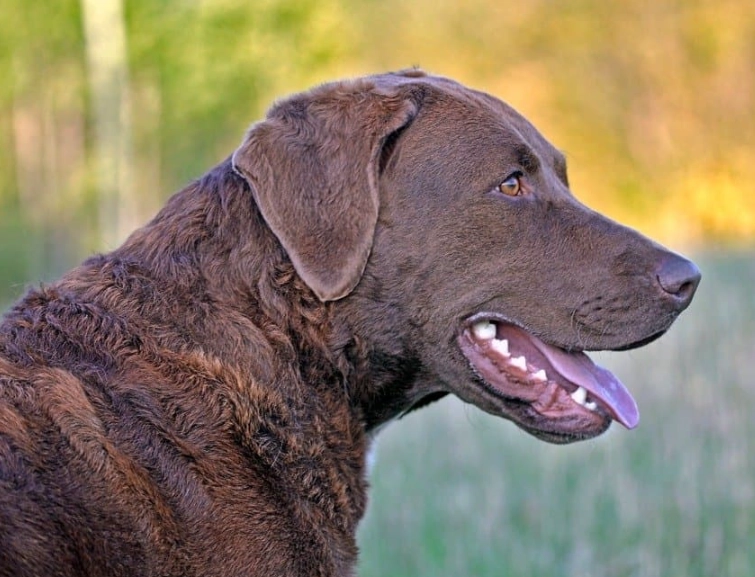
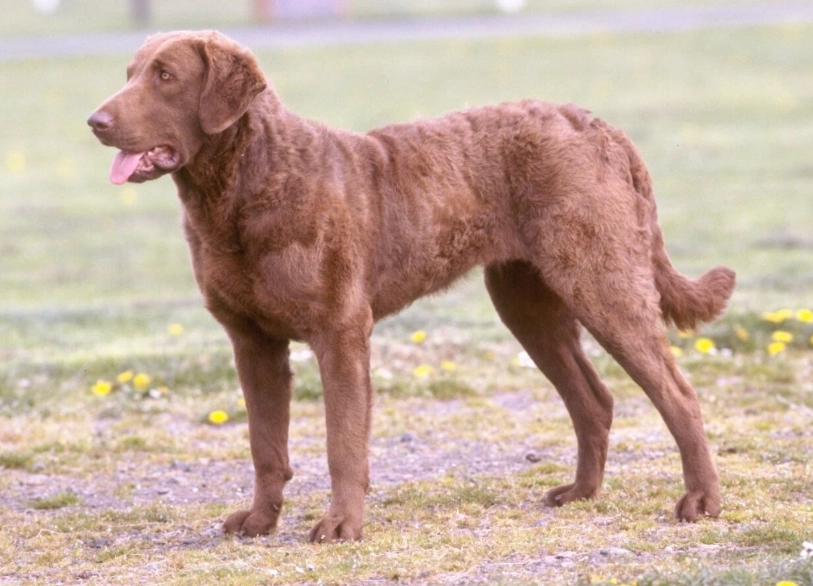
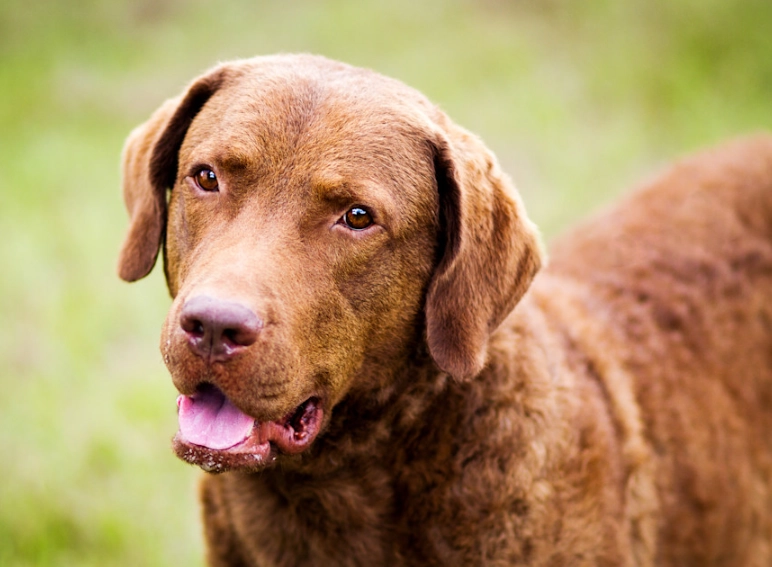
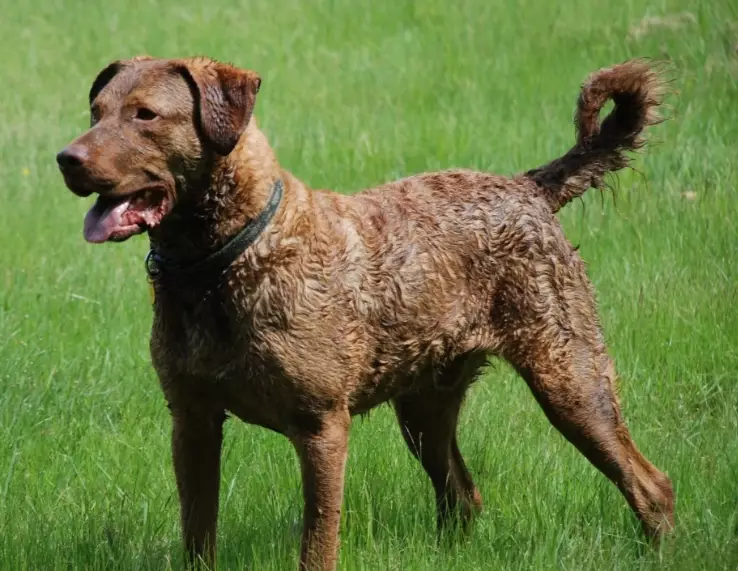
So, you're curious about the Chesapeake Bay Retriever? Maybe you saw one at a dock, calmly waiting for its next command, or perhaps you've heard stories about their legendary toughness. Let me tell you, this isn't your average retriever. While a Labrador might greet you with a wagging tail and a dropped tennis ball, a Chessie often gives you a more measured, thoughtful look first. They're a breed apart, forged in the cold, rough waters of the Chesapeake Bay, and that history is written into every inch of them. I remember the first time I really spent time with one. It wasn't mine; it belonged to a seasoned waterfowl hunter. The dog wasn't overly friendly, not unfriendly either, just... observant. But when it hit the icy water to fetch a duck, it moved with a powerful, purposeful drive that was incredible to watch. That's the essence of the Chesapeake Bay Retriever. They're workers, thinkers, and profoundly loyal companions, but they're not for everyone. This guide is my attempt to peel back the layers on this fascinating breed, to help you figure out if your life has the right space, energy, and structure for a Chessie. Bottom Line Up Front: The Chesapeake Bay Retriever is a strong-willed, intelligent, and intensely loyal dog bred for demanding work in harsh conditions. They require an active owner, consistent training, and a clear purpose. They are not typically a "first dog" breed, but for the right person, they are an unmatched partner. Every breed has a story, but the Chesapeake Bay Retriever's origin feels almost like an American tall tale. The most widely accepted version starts with two Newfoundland-type puppies rescued from a shipwreck off the coast of Maryland in 1807. Named Sailor and Canton, these dogs were noted for their exceptional water retrieving abilities in the Bay's frigid, choppy waters. Local hunters bred them with various other dogs—likely Flat-coated Retrievers, Curly-coated Retrievers, Otterhounds, and maybe even some coonhounds. The goal wasn't a pretty show dog; it was a canine machine that could work all day in ice, wind, and reeds, with the endurance to make multiple retrieves and the sense to handle it independently. The Chesapeake Bay Retriever Club of America (CBRCA), the breed's official parent club, has a fantastic archive on this history if you're a detail person. The breed was officially recognized by the American Kennel Club (AKC) in 1878, making it one of the oldest American-born sporting breeds. That utilitarian origin is key to understanding them. They weren't bred to be couch ornaments or even just family pets. They were bred to be a hunter's right hand in some of the toughest waterfowl conditions in the world. That DNA is still very much active. Forget the sleek, single-coated look of a Labrador. The Chessie is built like a middleweight athlete—powerful, balanced, and covered in a functional uniform designed for survival. This is the breed's signature. It's a double coat, but calling it that feels like an understatement. The outer coat is harsh, oily, and wavy. Run your hand over it. It should feel almost crisp, not soft. This oily texture is crucial—it helps shed water like a duck's back. The undercoat is dense, woolly, and packed tight to provide insulation. Together, they form a barrier that keeps the dog warm and dry in freezing water. The oil has a faint, distinctive musky odor. Some people don't mind it; others really notice it. It's just part of the package. Colors range from a deadgrass brown (that looks like tan, faded field grass) to sedge (a reddish-gold) to any shade of brown. Sometimes you'll see a small white spot on the chest or toes, which is acceptable. A Chesapeake Bay Retriever has a broad skull, amber or yellowish eyes that convey intelligence (and sometimes a bit of stubbornness), and a powerful rear end that drives them through water and over land. They should look capable, not refined. Their expression is often described as bright and alert. There's a keen awareness in their gaze that I find really compelling. Here's where the rubber meets the road. If you're looking for a dog that greets every stranger like a long-lost friend, stop reading now. The Chesapeake Bay Retriever temperament is complex, which is a polite way of saying they can be challenging. Loyalty and Protectiveness: Their loyalty is deep, almost profound. They bond intensely with their family. This also means they can be aloof or suspicious of strangers. It's not aggression in a well-bred dog, but a reserved wariness. They make excellent watchdogs—they'll let you know if someone's at the door with a deep, authoritative bark. This protective instinct is something to manage, not eliminate. Intelligence and Independence: They are brilliantly smart. The problem is, they know it. Bred to think for themselves in the marsh, they won't blindly obey a command they think is foolish. This independent streak is often mistaken for stubbornness. It requires a trainer who is more of a respectful partner than a dictator. Drive and Energy: They have a strong retrieving drive and need a significant job to do. This isn't a dog that's happy with a 20-minute walk around the block. A bored Chessie is a destructive Chessie. They'll find their own work, like redesigning your sofa or excavating your yard. With Family: With their people, they are affectionate, often goofy, and deeply devoted. They can be good with respectful children, but their size and exuberance can knock over little ones. They are not known for being overly tolerant of poking and prodding from kids they don't know. Let's Be Real: The biggest mistake people make is getting a Chesapeake Bay Retriever because they like how "tough" it sounds. That toughness comes with a strong will, high energy needs, and a protective nature that requires socialization and training from day one. It's a major commitment. Okay, so you're still interested. What does day-to-day life actually look like? This is the biggest hurdle for most potential owners. A Chesapeake Bay Retriever needs vigorous, meaningful exercise for at least 60-90 minutes every single day. This isn't just pottering around the garden. Without this outlet, you will have problems. Period. That oily coat is fairly low-maintenance in terms of bathing. Bathing too often strips the essential oils and can damage the coat's water-repellency. You might only need a full bath a few times a year unless they roll in something awful. The main tasks are: They are active dogs and need a high-quality diet formulated for active breeds. Be mindful of portion control, as they can gain weight if under-exercised. Some Chessies can have sensitive stomachs, so it may take some trial and error to find the right food. Consult your vet, and consider the nutritional guidelines from reputable sources like the American Animal Hospital Association (AAHA) when making choices. A well-bred Chesapeake Bay Retriever is generally a robust, healthy dog with a lifespan of 10-13 years. However, like all purebreds, they are prone to certain genetic conditions. Responsible breeders test for these. The big ones to ask your breeder about: Always get a copy of the health clearances for both parent dogs. A good breeder will be transparent and proud to share them. Training a Chessie is the most rewarding and frustrating part of ownership. You have to check your ego at the door. Start Early: Socialization and basic obedience should begin the day you bring your puppy home. Expose them to all sorts of people, places, sounds, and other animals in a positive way. Use Positive Reinforcement, But Be Firm: They respond very well to rewards—food, praise, toys. Harsh, punitive methods will backfire spectacularly, making them shut down or become resentful. Be consistent, clear, and fair. You must be the leader, but a respected one. Make it a Game: Use their natural retrieving instinct. Incorporate training into play. Short, fun sessions are better than long, boring drills. Channel Their Drive: Enroll in a puppy class, then move on to basic obedience, and then consider specialized training for hunting, agility, or nose work. They need a job. Training gives them that job. That independent streak means they may "blow you off" sometimes, especially if a scent or a squirrel is more interesting. It's not disobedience in their mind; it's a re-prioritization. You have to make working with you the most rewarding choice. Training Tip I Learned the Hard Way: If your Chessie is refusing to listen, it's usually one of three things: 1) They don't truly understand what you want (go back a step), 2) They find something else more rewarding (increase your reward value), or 3) They are testing you (stay calm and consistent, don't give up). People often lump all retrievers together. This table shows why that's a mistake. See the difference? The Chesapeake Bay Retriever is in its own category. Calling them "just another retriever" does them a disservice. This is the most important step. Do it right. Avoid pet stores and websites that sell puppies instantly. A good breeder's goal is to better the breed, not make a quick buck. They will: Expect to be on a waiting list. Good breeders don't always have puppies available. Many Chessies end up in rescue because people underestimated their needs. Adopting an adult dog can be wonderful—you often know their personality upfront. The CBRCA has a rescue network, and there are regional Chessie rescues. Be honest with the rescue about your experience and lifestyle. They want to make the right match. Owning a Chesapeake Bay Retriever isn't a casual hobby. It's a lifestyle. It's muddy paws, wet dog smell, stubborn standoffs, and the unmatched feeling of a loyal companion watching your back. It's early mornings at the lake, training sessions that test your patience, and a deep, quiet bond that forms through shared work and respect. They are not the easiest dog. But for the right person—an active, experienced owner who values independence, intelligence, and unwavering loyalty over easy-going friendliness—they are arguably one of the best dogs on the planet. They are a piece of American history with a heartbeat, a challenge, and a friend for life. Do your homework. Meet some Chesapeake Bay Retrievers in person. Talk to breeders and owners. Be brutally honest with yourself about your time, energy, and experience. If it clicks, you'll find a partner like no other. If not, well, there's a wonderful Labrador or Golden out there waiting for you, and that's perfectly okay too. The goal is a happy dog and a happy you.Quick Navigation
Where Did This Tough Cookie Come From? A Dash of History
What Does a Chesapeake Bay Retriever Actually Look Like?
The Famous Coat: Their Secret Weapon
Build and Expression
Personality and Temperament: The Heart of the Chessie
Living with a Chessie: Daily Care and Requirements
Exercise: Non-Negotiable
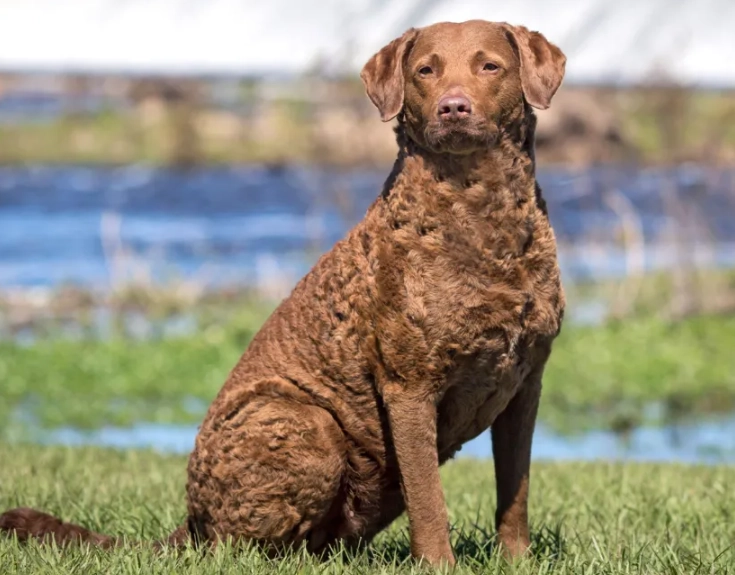
Grooming: Easier Than You'd Think (Mostly)
Diet and Nutrition
Health and Lifespan: What to Watch For
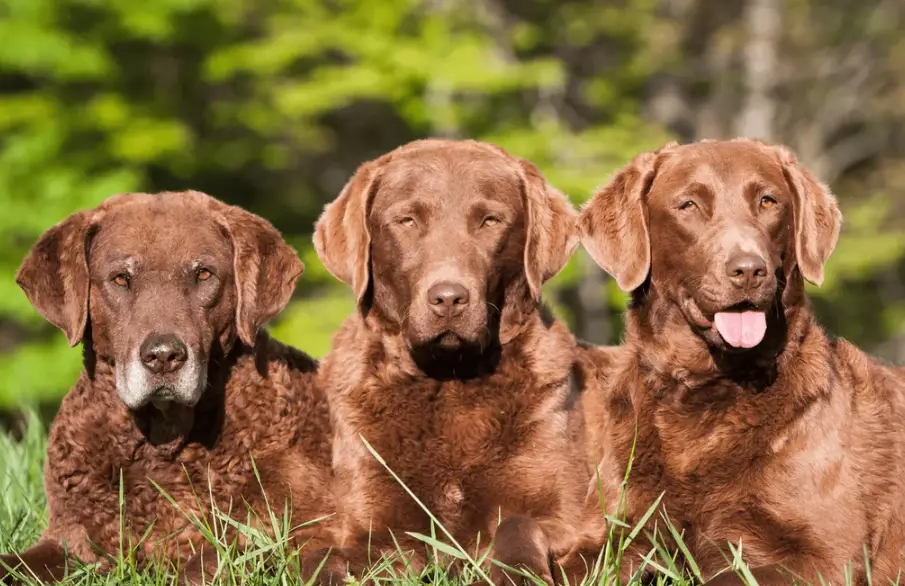
Training Your Chesapeake Bay Retriever: Patience is a Virtue
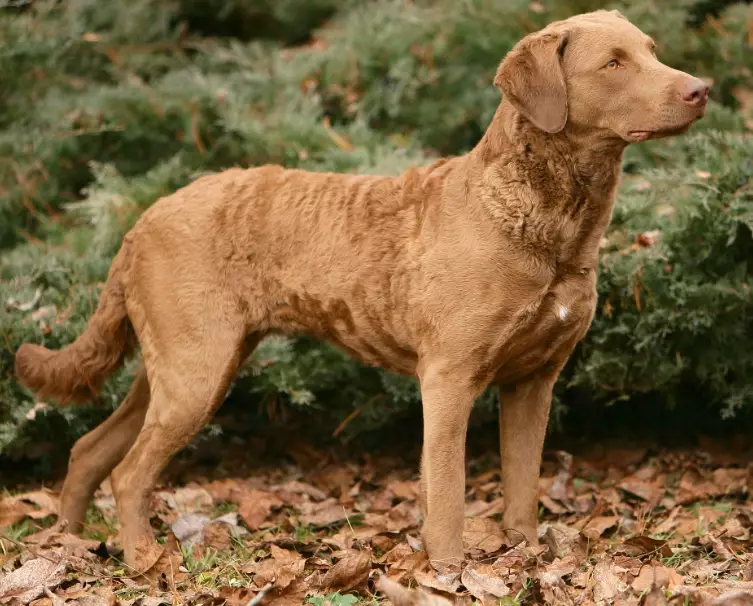
Chesapeake Bay Retriever vs. Other Retrievers: A Quick Comparison
Trait
Chesapeake Bay Retriever
Labrador Retriever
Golden Retriever
Coat
Oily, harsh, wavy double coat. Very water-resistant. Sheds.
Short, dense double coat. Moderately water-resistant. Sheds heavily.
Long, flowing double coat. Water-resistant. Sheds heavily, requires more brushing.
Temperament
Loyal, protective, independent, driven. Can be aloof with strangers.
Friendly, outgoing, eager to please. "Everyone's friend."
Friendly, trustworthy, gentle. Also eager to please.
Trainability
Intelligent but independent. Needs a confident, patient trainer.
Highly trainable, eager to learn. Great for first-time owners.
Highly trainable, eager to please. Also great for first-time owners.
Energy Level
Very High. Needs a job and intense daily exercise.
High. Needs regular, vigorous exercise.
Moderate to High. Needs regular exercise.
Good with Strangers
Reserved/Wary. Excellent watchdog.
Typically excellent.
Typically excellent.
Best For
Experienced, active owners/hunters who want a tough, loyal partner.
Active families, first-time owners, service/therapy work.
Families, first-time owners, service/therapy work.
Finding a Chesapeake Bay Retriever Puppy or Rescue
Choosing a Reputable Breeder
Considering Rescue
Common Questions About Chesapeake Bay Retrievers (Answered)
Final Thoughts: Is a Chessie Right For You?
You don't pick a Chessie for its looks. You pick it for what its looks represent: pure, adaptive function.
Q: Are Chesapeake Bay Retrievers good apartment dogs?
A: Generally, no. They need space to move and easy access to the outdoors for frequent exercise and bathroom breaks. A house with a securely fenced yard is ideal. It's not impossible in an apartment, but it would require an extraordinary commitment to multiple long walks, trips to parks, and access to water for swimming.
Q: Are they aggressive?
A: Well-bred and properly socialized Chesapeake Bay Retrievers are not inherently aggressive. They are, however, protective and can be dog-selective. They have a lower tolerance for rudeness from other dogs or unfamiliar people than a Labrador might. Poor breeding, lack of socialization, or irresponsible ownership can lead to aggression in any breed. Their protective nature needs to be guided with training.
Q: How bad is the shedding?
A: They shed. It's moderate for most of the year, but they "blow" their undercoat twice a year (spring and fall), and during those 2-3 week periods, you will find tufts of woolly hair everywhere. Regular brushing during these times is essential to manage it.
Q: Can they live with other pets?
A: They can, especially if raised with them. Their high prey drive means small animals like cats, rabbits, or pet birds might be seen as "game" unless introduced very carefully and managed. They can be same-sex aggressive with other dogs, particularly if not neutered/spayed. Slow, supervised introductions are key.
Q: Are they good for first-time dog owners?
A: I'm going to be blunt: rarely. Their combination of high energy, strong will, protective nature, and need for experienced handling makes them a lot for a novice. There are exceptions, of course—a super-dedicated first-timer who does all the research, commits to classes, and provides tons of exercise might succeed. But for most people, starting with a more forgiving breed is a better idea.
Comment