Let's be real for a second. You've probably seen them – those tiny, big-eyed dogs trembling in celebrity purses or barking with surprising ferocity from a neighbor's window. The Chihuahua is a breed that inspires intense loyalty and, frankly, a fair bit of misunderstanding. I've had my little guy, Pepe, for eight years now. He's a smooth-coat apple-head type, and let me tell you, living with him has been an education. It's nothing like having a Labrador. Before you fall for those adorable eyes, you need to know what you're signing up for. This isn't just a list of facts. It's a deep dive from someone who's been there, cleaned up the accidents, dealt with the sass, and also experienced the incredible, velcro-like companionship only a Chihuahua can offer. We're going to cover everything: the good, the bad, the health scares, and the simple joys. Is a Chihuahua the right dog for you? Let's find out. Most people don't know this, but the Chihuahua has a history as rich and dramatic as its attitude. Believed to be descended from the Techichi, a companion dog cherished by the ancient Toltec civilization in Mexico, this breed is literally living history. The modern Chihuahua gets its name from the Mexican state of Chihuahua, where American travelers in the late 19th century found them and brought them north. The American Kennel Club (AKC) recognized them in 1904, and they've been turning heads ever since. It's fascinating to think my dog snoozing on the couch has a lineage potentially stretching back to pyramids and ancient rituals. It kind of explains the royal attitude, doesn't it? This is a common point of confusion. There aren't different "types" in terms of breed, but there are two distinct coat varieties recognized by major kennel clubs like the American Kennel Club and the UK Kennel Club. And then there's the "apple head" vs. "deer head" debate. The breed standard for shows typically calls for a well-rounded "apple" dome skull. "Deer head" Chihuahuas have a flatter skull and a longer muzzle, similar to a young deer's face. Both are purebred Chihuahuas, but only the apple head conformation is eligible for AKC conformation shows. In my opinion, both are equally charming and share the same core personality. This is the million-dollar question. The stereotype is the yappy, nervous, aggressive ankle-biter. Is it true? Well, like all stereotypes, it's rooted in some reality but misses the nuance completely. A Chihuahua's personality is a direct product of its genetics and its upbringing. They were bred to be companions and watchdogs. That means they are intensely loyal and bond deeply with their person (often choosing one favorite in a family). That watchdog instinct means they are alert and will bark to tell you anything is amiss—a leaf blowing by, the mailman, a ghost only they can see. Without proper training, this can become excessive barking. The "big dog" attitude is real. They often have no concept of their own size and can be fearless to a fault, which is why they need protection from larger dogs and situations. But here's the thing people don't talk about enough: they can also be incredibly sensitive and gentle. Pepe will follow me from room to room, just to be near me. When I'm sick, he's a quiet, warm little lump on my lap. The loyalty is profound. So, are they good with kids? This requires careful honesty. A Chihuahua is not a sturdy, patient Golden Retriever. Their small bones are easily injured by rough handling. They can startle easily. They are best suited for families with older, calm children who understand how to interact gently with a small animal. Supervising all interactions is non-negotiable. See what I mean? It's a trade-off. The cuteness factor is high, but the responsibility level is equally high. This is the part I wish I'd known more about before getting Pepe. While generally robust, Chihuahuas are predisposed to certain health conditions. Being aware of them is the first step to prevention and early intervention. Regular vet check-ups (at least twice a year for seniors) are crucial. I can't stress this enough—find a vet experienced with toy breeds. Other issues to be aware of include heart murmurs (often related to valve disease), hypoglycemia (low blood sugar, especially in puppies—keep honey or Karo syrup on hand), and hydrocephalus ("water on the brain," often noticeable in puppies with a domed skull and slow development). Reputable breeders screen for many of these conditions. The Orthopedic Foundation for Animals (OFA) maintains databases for patella and cardiac health, which good breeders use. Okay, so you've decided you can handle the personality and are prepared for the health quirks. What does day-to-day care actually look like? Chihuahuas need high-quality, nutrient-dense food. They eat very little in volume, so every bite needs to count. Look for foods where a named meat (chicken, salmon, lamb) is the first ingredient. The protein and fat content should be appropriate for their activity level. How much? It depends. An average adult Chihuahua (4-6 lbs) might only need 1/2 to 1 cup of dry food per day, split into two or even three meals to prevent hypoglycemia and bloat. Always follow the guidelines on your specific food and adjust based on your dog's body condition. You should be able to feel their ribs easily but not see them. A pudgy Chihuahua is an unhealthy Chihuahua, putting extra strain on those tiny joints and trachea. Human food? Be extremely careful. Foods like onions, garlic, grapes, raisins, chocolate, and anything with xylitol (an artificial sweetener) are toxic. Even a small amount can be devastating for a 5-pound dog. I won't sugarcoat this. Potty training a Chihuahua can test your sanity. Small bladder + low cold tolerance + sometimes stubborn mindset = accidents. Here's what finally worked for me after months of frustration: You must train your Chihuahua. The idea that small dogs don't need training is why the breed gets a bad rap. Training is how you communicate and build a safe, happy relationship. Start with the basics: Sit, stay, come, and a solid "leave it." Use positive reinforcement—tiny, soft treats (a pea-sized bit of chicken is high-value), praise, and play. Sessions should be short (3-5 minutes) and fun. Their attention span is short. Socialization is NOT just meeting other dogs. It's about exposing your puppy (between 3-16 weeks) to all sorts of sights, sounds, surfaces, and people in a positive, controlled way. This includes: A well-socialized Chihuahua is a confident, adaptable dog. An unsocialized one is far more likely to be fearful, anxious, and reactive. This is one area where cutting corners has lifelong consequences. Living with a Chihuahua is a unique experience. It's not for everyone. If you want a low-maintenance, independent dog that you can roughhouse with kids, this isn't your breed. But if you're looking for a fiercely loyal, entertaining, and deeply affectionate companion who will be your shadow for up to two decades, a Chihuahua might just be perfect. They ask for very little in terms of space and exercise, but they give back an immense amount of love and personality. Just promise me this: if you bring one of these tiny, big-hearted dogs into your life, you'll see them for what they are—not a purse accessory or a living toy, but a complete dog with needs, intelligence, and a huge capacity for devotion. Meet those needs with patience, consistent training, and plenty of sweaters, and you'll have a friend for life. Really, it's that simple. And that complicated. Just like a Chihuahua.Quick Navigation
What Exactly Is a Chihuahua? A Quick Dip into History
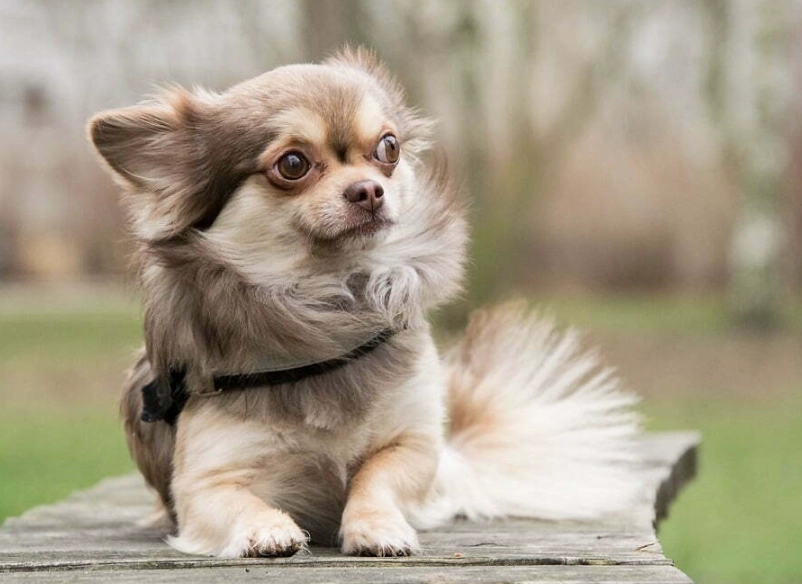
The Two Main Looks: Smooth Coat vs. Long Coat
The Chihuahua Personality: Big Dog in a Tiny Body, or Something Else?


Chihuahua Pros and Cons: A Quick Reality Check
The Good Stuff (The Pros) The Challenging Stuff (The Cons) Portable & Apartment-Friendly: Their size makes them perfect for small living spaces. No backyard? No problem. Fragility: They can be seriously injured by jumps off furniture, being stepped on, or play with big dogs. Long Lifespan: With good care, 12-20 years is common. You're in for a long-term commitment. Potty Training Can Be Tough: Small bladders and a dislike of bad weather make housebreaking a test of patience. Low Exercise Needs: A few short walks and indoor play usually meet their energy needs. Prone to Barking: That watchdog instinct is strong and needs to be managed. Huge Personality: They are entertaining, loving, and full of quirks. Can Be Stubborn & Wilful: They are intelligent but not always eager to please. Training requires consistency. Generally Healthy: Compared to many purebreds, they have fewer genetic catastrophes, but they do have specific issues (see below). Temperature Sensitivity: They get cold very easily and can overheat quickly. You'll need a wardrobe for them. Keeping Your Chihuahua Healthy: What to Watch For
The Big Three Health Concerns

Daily Life with a Chihuahua: Food, Grooming, and That Dreaded Potty Training
Feeding Your Tiny Companion

Grooming: It's More Than Just Brushing
The Potty Training Mountain
Training and Socialization: Non-Negotiables for a Good Canine Citizen
Answering Your Burning Chihuahua Questions (FAQ)
The Final Word: Is a Chihuahua Right for You?
"A Chihuahua isn't a accessory; it's a full-blown personality in a very small package."
The Hard Truth: A poorly socialized, pampered, or frightened Chihuahua can develop "Small Dog Syndrome"—a mix of jealousy, resource guarding, and snappishness. This is NOT the breed's fault. It's almost always a human failure to set boundaries and provide confident leadership. Treating them like a fragile doll does them no favors.
Common Chihuahua Health Issues: Patellar Luxation, Dental Disease, Tracheal Collapse, Heart Murmurs, Hydrocephalus, Hypoglycemia.
Pro Tip: Pet insurance is worth serious consideration for a Chihuahua. A single dental procedure or knee surgery can cost thousands. Getting insurance while your dog is young and before any conditions are diagnosed is key.
My personal breaking point was during a rainy winter. Pepe would look at the rain, look at me, and just... go on the rug. Setting up a puppy pad station by the door during bad weather saved our relationship.
Training isn't about dominating your dog. It's about teaching them how to live successfully in your world.
Q: Are Chihuahuas really one-person dogs?
A: They often form an intensely strong bond with one individual who becomes their primary caretaker and source of security. They can still be affectionate with other family members, but that primary bond is unmistakable. It's not a flaw; it's a breed characteristic.
Q: Why do Chihuahuas shake or tremble so much?
A: It can be from excitement, anxiety, anticipation, or simply being cold. It's not always a sign of fear. Because of their high metabolism and low body fat, they get cold incredibly easily. If the shaking is constant or paired with other symptoms (lethargy, not eating), see a vet to rule out pain or hypoglycemia.
Q: How can I stop my Chihuahua from barking at everything?
A: Management and training. First, manage the environment—close blinds if they bark at passersby. Provide mental stimulation (puzzle toys) to curb boredom barking. Then, train an incompatible behavior. Teach a solid "quiet" or "enough" command by rewarding moments of silence. Or, teach them to "go to your place" (a mat or bed) when the doorbell rings. It takes consistency, but it's possible.
Q: Can I leave my Chihuahua alone during the workday?
A: An adult Chihuahua can typically handle 6-8 hours alone, provided they are properly exercised and pottied before and after. However, they are companion dogs and thrive on interaction. Leaving a puppy alone for that long is asking for separation anxiety and housebreaking failures. Consider a dog walker, daycare, or a trusted neighbor for a midday break if you're gone longer than 4-5 hours.
Q: How do I find a responsible Chihuahua breeder?
A: Avoid pet stores and websites that have multiple litters available immediately. A good breeder:
Q: Should I adopt a Chihuahua from a rescue?
A: Absolutely. Many Chihuahuas end up in shelters and rescues due to owner surrender (often because people weren't prepared for the reality). Breed-specific rescues are fantastic. An adult dog's personality is already known, and they are often already house-trained. You're giving a second chance to a wonderful dog. Just be prepared to work through any existing behavioral issues with patience.
Comment