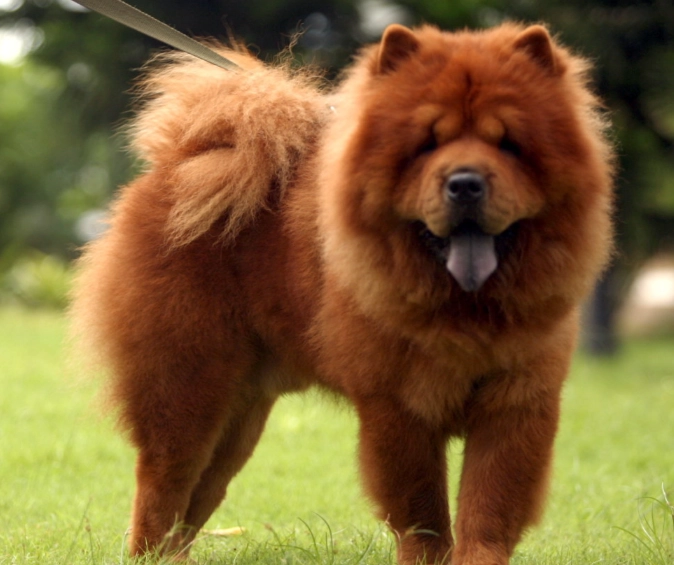
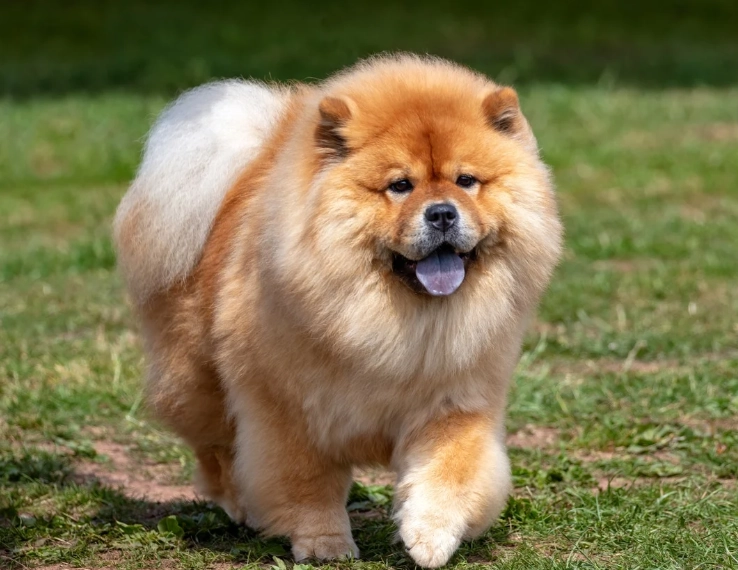
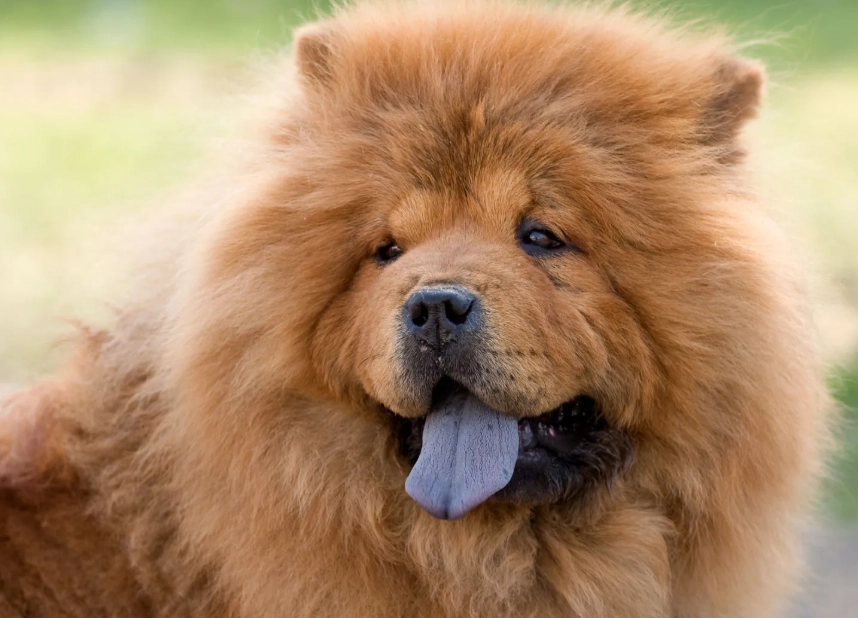
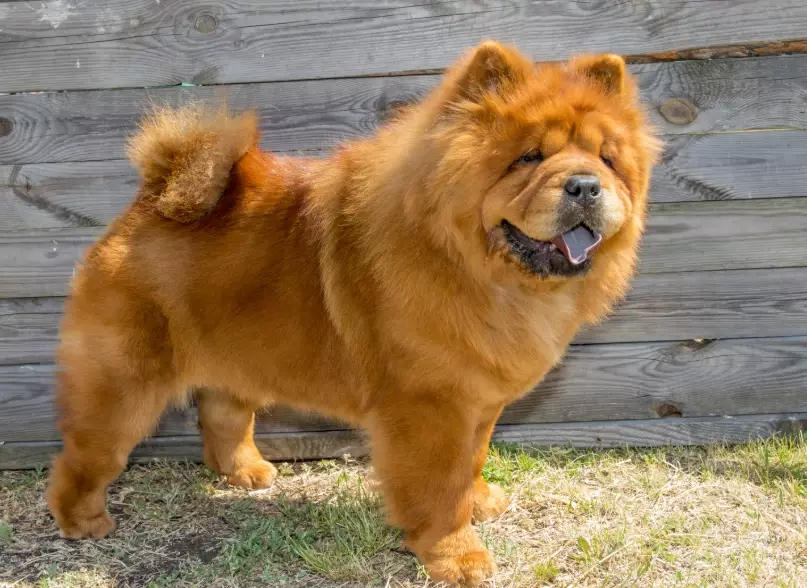
Let's talk about Chow Chows. You've probably seen them – those fluffy, bear-like dogs with the blue-black tongues and the sort of dignified, almost grumpy expression. They look like stuffed animals come to life, right? I remember the first time I met one at a park. It just stood there, aloof, watching the world go by while other dogs played. I was fascinated. That's the thing about Chow Chows. They're not your typical tail-wagging, jump-in-your-lap kind of dog. Owning one is a unique experience, more like having a quiet, fiercely loyal roommate than a hyperactive pet. But here's the real question everyone asks: Is a Chow Chow the right dog for you? That fluffy coat hides a complex personality. This guide isn't just a list of facts. We're going to dig into what it's really like to live with a Chow Chow. The good, the challenging, the daily routines, and the things nobody tells you before you bring one home. The Chow Chow isn't some modern designer breed. This is an ancient dog, with DNA studies suggesting they are one of the most primitive and oldest dog breeds in existence. Their history traces back thousands of years to northern China and Mongolia. They weren't just companions. These dogs were working animals, used for hunting, herding, pulling carts, and even guarding temples and palaces. Their name might come from the pidgin English term "chow chow," which was a general term for various knick-knacks and goods from the East, but the breed itself is anything but miscellaneous. That regal, independent bearing? It makes sense when you realize they were bred to work and think for themselves, often alongside humans but not necessarily under constant direction. The American Kennel Club first recognized the breed in 1903, but its soul is much, much older. That ancient lineage is key to understanding why a Chow Chow behaves the way it does. You can't mistake a Chow Chow for any other breed. They have a very distinct set of physical traits that contribute to their lion-like appearance. This is their most famous feature. Almost every other dog breed has a pink tongue. Chow Chows (and Shar-Peis) have a solid blue-black or purple tongue. Even the roof of their mouth and gums are often darkly pigmented. It's a unique genetic trait, and while it looks striking, it's perfectly normal for the breed. Puppies are born with pink tongues that darken as they grow. Oh, the coat. It's a double coat with a rough, straight outer layer and a soft, woolly undercoat. It's incredibly dense. There's also a less common rough-coated variety. The coat comes in a few clear colors: Their coat isn't just for show. That dense undercoat provided insulation against harsh northern climates. But in your modern home, it means one thing: shedding. A lot of it. They have a sturdy, square build – as tall as they are long. Their head is broad and flat, and their small, triangular ears are carried erect and tilted forward, giving them a perpetually alert look. But the most defining aspect is their expression, created by their deep-set almond eyes and the slight scowl from extra skin around the muzzle. It's not that they're always unhappy; it's just how their face is built. This "scowl" is a breed standard feature. This is the most important section. Getting a Chow Chow because of its looks is a huge mistake if you're not prepared for its personality. They are often described as cat-like. Aloof, dignified, clean, and immensely independent. They form incredibly strong bonds with their immediate family but are typically reserved and suspicious of strangers. Don't expect a Chow to greet every guest with enthusiasm. More likely, they'll give a visitor a long, assessing look and then go lie down in their favorite spot. Let's be honest: Chow Chows are not for first-time dog owners. Their independence can come across as stubbornness. They are not eager-to-please like a Golden Retriever. Training requires patience, consistency, and a sense of humor. They get bored with repetition easily. If you want a dog that will mindlessly obey every command, look elsewhere. But with their family, they are profoundly loyal and protective. They are quiet dogs, not prone to excessive barking. Their protection is more about a formidable presence and a deep, serious watchfulness. A well-socialized Chow Chow is a calm, confident companion. A poorly socialized or mistreated one can become overly fearful or aggressive, which is dangerous given their strength. Early and ongoing socialization is non-negotiable. This is a nuanced topic. A Chow Chow raised respectfully with children from puppyhood can be a tolerant and gentle guardian. However, they do not tolerate teasing, poking, or roughhousing. They are not a "forgiving" breed in that sense. They prefer calm, predictable interactions. I would never recommend a Chow Chow for a household with very young, unpredictable toddlers. For older, respectful children, it can work, but constant adult supervision is an absolute must. The dog must always have a safe space to retreat to. Finding a Chow Chow puppy requires diligence. You absolutely must find a reputable breeder who prioritizes health and temperament. A good breeder will health-test their breeding stock for common issues (we'll get to those) and will be interviewing you just as much as you're interviewing them. They should be able to tell you about the personalities of the puppy's parents and grandparents. Red Flag Alert: Avoid breeders who have multiple litters available at once, who won't let you see the mother with the puppies, who sell puppies online with no questions asked, or who seem overly focused on "rare" colors at high prices. A blue Chow Chow is beautiful, but health and temperament should always come first. Puppy-proofing is essential. Chow Chow puppies are curious and will chew. But more importantly, start socialization immediately in a safe, controlled manner. This doesn't mean taking your unvaccinated puppy to a dog park. It means gently exposing them to different surfaces, sounds, people (of all ages, sizes, and wearing different hats/glasses), and other healthy, vaccinated dogs in calm settings. Start basic obedience the day you bring your Chow Chow puppy home. Use positive reinforcement methods—treats, praise, play. Harsh corrections will backfire spectacularly with this breed. They will shut down or become resentful. Focus on: Keep sessions short, fun, and end on a positive note. Even five minutes a day is valuable. Your routine will revolve around a few key pillars: exercise, grooming, and feeding. Chow Chows are not endurance athletes. They are moderate-energy dogs. A couple of good walks a day (20-30 minutes each), some playtime in a securely fenced yard, and mental stimulation are usually sufficient. They are prone to overheating due to their thick coats, so avoid strenuous exercise in hot, humid weather. Early morning or evening walks are best in summer. They enjoy sniffing walks and exploring at their own pace more than a forced jog. This is the big one. That gorgeous coat doesn't maintain itself. You cannot skip grooming with a Chow Chow. Many Chow Chow owners learn to do this themselves, but professional grooming every 6-8 weeks is a common and wise investment. Be prepared for the cost. Pro Tip: Start handling your Chow Chow puppy's paws, looking in their ears, and brushing them from day one. Make it a positive, treat-filled experience. An adult Chow Chow who isn't used to being groomed is a very difficult dog to manage. Chow Chows can be prone to obesity, which exacerbates joint problems. Measure their food, feed a high-quality diet appropriate for their age and activity level, and limit treats. They are not known as food-motivated as some breeds, but they still enjoy a good meal. Some can be picky eaters. Avoid rapid growth in puppies by not overfeeding, as this can stress developing joints. Every breed has its predispositions. Being aware allows you to spot issues early and choose a breeder who tests for them. Reputable breeders will screen their dogs for conditions like: Regular vet check-ups are crucial. Pet insurance for a Chow Chow is something I strongly recommend considering, given the potential for expensive joint or eye surgeries. We touched on puppy training, but it bears repeating. Training a Chow Chow is a lifelong exercise in patience and mutual respect. They are intelligent but have a low desire to please for pleasing's sake. They ask, "What's in it for me?" Use this to your advantage. Obedience classes are highly recommended, not just for the commands, but for the controlled socialization in a structured environment. Choose a trainer who uses positive reinforcement methods and has experience with independent breeds. Let's summarize. A Chow Chow might be a good fit if: You should probably reconsider a Chow Chow if: Owning a Chow Chow is not for the faint of heart. It's a commitment to understanding a truly ancient and unique canine mind. It's about respecting their independence while providing gentle guidance. It's about brushing, and brushing, and brushing some more. But for the right person or family, the reward is a companion of immense loyalty and quiet dignity—a living piece of history with a blue-black tongue and a lion's heart. They are not just pets; they are Chow Chows.Quick Navigation
Where Did This Lion Dog Come From? A Look at History
That Unmistakable Look: Chow Chow Characteristics
The Blue-Black Tongue
Coat and Colors
Build and Expression
Feature
Description
Note for Owners
Average Height
17 to 20 inches at the shoulder
They are medium-sized but feel much larger due to their bulk and coat.
Average Weight
45 to 70 pounds
Males are typically heavier. They are surprisingly solid and muscular under all that fur.
Life Span
8 to 12 years
This is typical for a breed of their size. Genetics and care play a huge role.
Coat Type
Double coat; either rough or smooth
The rough coat is standard and requires significant grooming commitment.
The Chow Chow Personality: Loyal, Independent, and Stubborn
Bringing Home a Chow Chow Puppy: What You Really Need to Know
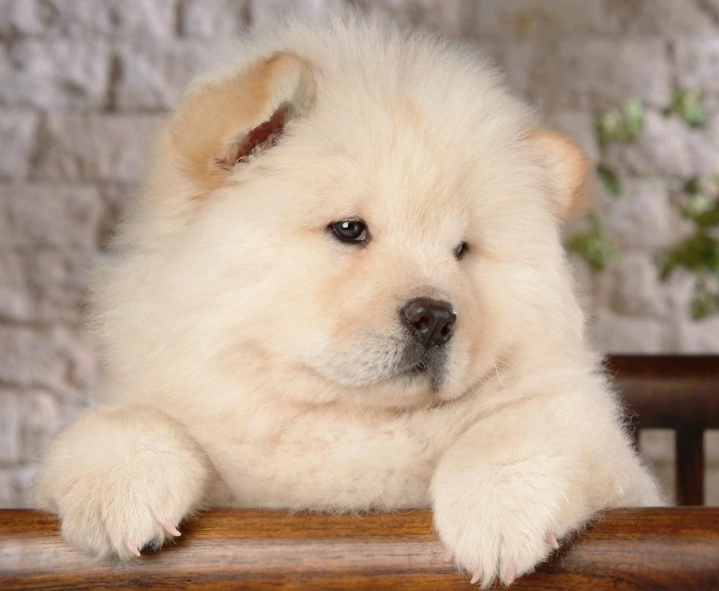
Early Training is Critical
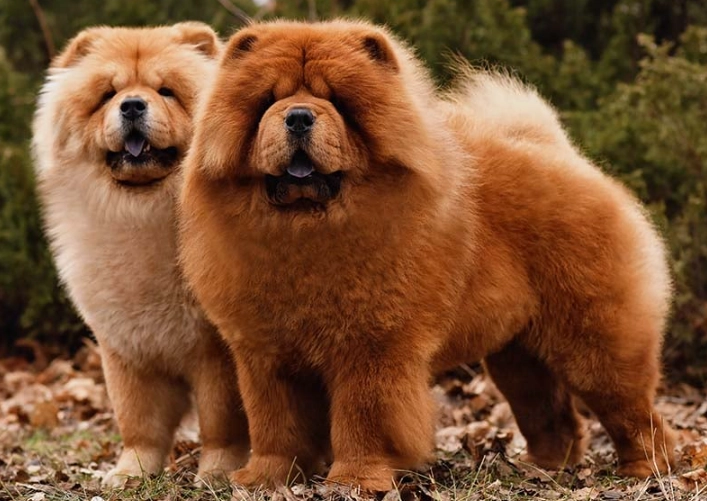
The Daily Grind: Living with an Adult Chow Chow
Exercise Needs: Not as High as You'd Think
The Grooming Reality: It's a Commitment
Feeding and Nutrition
Health Concerns You Need to Be Aware Of
Training an Independent Thinker
Common Chow Chow Questions Answered
The Final Word: Is a Chow Chow Right for You?
I once helped a friend brush out her Chow's undercoat during a seasonal shed. We filled an entire grocery bag with soft, woolly fur. She joked she could spin yarn and knit a sweater from it. She probably could have.
Do Chow Chows shed a lot?
Yes, absolutely. They are heavy shedders, especially during seasonal changes. Regular brushing is the only way to manage the hair in your home.
Are Chow Chows aggressive?
They are not inherently aggressive, but they are inherently reserved and protective. Without proper socialization, training, and responsible ownership, any dog can develop behavioral problems. Their aloof nature and physical strength mean that any aggression is taken very seriously. A well-bred, well-raised Chow Chow is typically aloof but not aggressive.
Can Chow Chows live in apartments?
Surprisingly, yes, they can adapt well to apartment life if their exercise needs are met. They are relatively inactive indoors and are quiet. The bigger issue is finding space for their grooming routine and ensuring they get their daily walks.
How much does a Chow Chow puppy cost?
From a reputable breeder who does full health testing, expect to pay between $1,500 to $3,000 or more, depending on location and lineage. Remember, the initial purchase price is the smallest part of the cost of owning a dog. Food, grooming, vet care, and insurance add up significantly over their lifetime.
Are there rescue organizations for Chow Chows?
Yes. Adopting an adult Chow Chow can be a wonderful option, especially if you are a first-time Chow owner and want a dog with a known personality. Breed-specific rescues, like those listed through the Chow Chow Club, Inc., work to rehome dogs. Be prepared for the rescue to have a rigorous application process—they want to ensure the dog goes to the right, forever home.
Comment