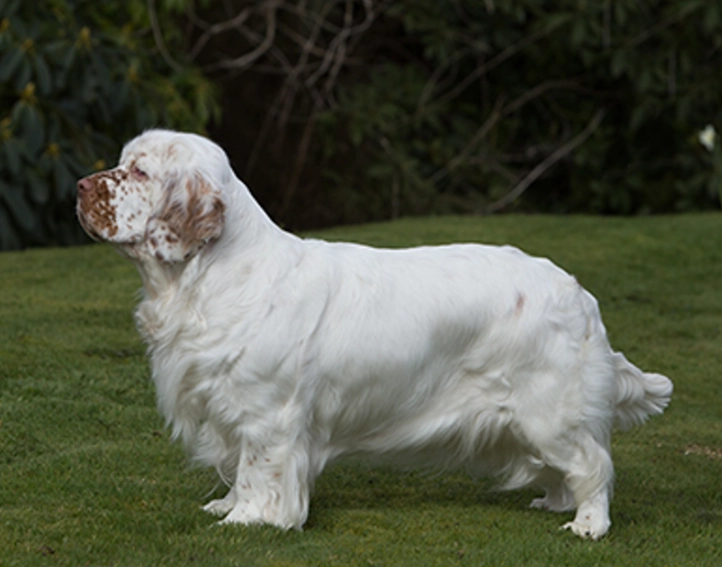
Let's be honest, when most people think of spaniels, they picture energetic bundles of fur bouncing through fields. The Clumber Spaniel is... not that. If you've stumbled upon this page, you're probably looking at a photo of a large, low-slung, incredibly serious-looking dog with soulful eyes and thinking, "What on earth is that?" Well, you've found the right place. I've spent years around dogs, and the Clumber still manages to surprise me. They're like the distinguished, slightly lumbering professors of the spaniel world. This guide is for anyone curious, smitten, or seriously considering bringing one of these unique dogs into their home. We're going to get into the weeds—the good, the messy, and the absolutely charming. Right off the bat: A Clumber Spaniel is not a "starter dog." They're a commitment. They're heavy shedders, they can be stubborn, and they have a specific set of health considerations. But for the right person or family? They're utterly devoted, wonderfully calm companions. This isn't just a breed overview; it's a real-talk manual from someone who's seen the drool on the walls and the love in their eyes. You can't understand the Clumber without a bit of history. They feel like a dog from another time, because they are. Their origins are a bit murky, wrapped in aristocratic legend. The most common story is that they were developed in France and brought to England by the Duc de Noailles during the French Revolution, seeking refuge with the Duke of Newcastle at Clumber Park in Nottinghamshire. Hence the name. The The Kennel Club (UK) recognizes them as one of the oldest and most distinctive spaniel breeds. They were bred for a specific, genteel type of hunting. Unlike springer spaniels who flush with explosive energy, the Clumber was built for perseverance and silence. Their job was to work methodically through thick undergrowth, using their powerful nose and steady pace to flush game for hunters on foot. That low, heavy build wasn't an accident—it let them push through brush that would stop a lighter dog. This history explains so much about the modern Clumber: their deliberate movement, their incredible scenting ability (seriously, don't lose a treat in your house), and their lower-key energy compared to other sporting dogs. I always think it's funny. They have this royal, almost noble background, but at home, they're happiest as a laid-back couch companion. It's a great contrast. This is where people either fall in love or realize it's not the dog for them. If you want a dog that's constantly "on," look elsewhere. The classic Clumber Spaniel temperament is best described as dignified, affectionate, and profoundly mellow. They are often called "gentlemen" of the dog world. They form deep, loyal bonds with their families and are typically excellent with respectful children. They tend to be reserved with strangers initially—not aggressive, just observant—but warm up with time. But let's add some nuance. That famous "mellow" attitude can sometimes cross over into stubbornness. They are intelligent, but they often ask, "What's in it for me?" when you give a command. Training requires patience, consistency, and really good treats. Positive reinforcement is the only way to go; they shut down completely if you're harsh. Another key point: they are not big barkers. A Clumber is more likely to give a low "woof" to alert you to someone at the door than to engage in sustained yapping. This makes them decent candidates for quieter living situations, if you can manage their other needs (we'll get to the shedding). Here’s a quick breakdown of their personality traits, based on my observations and breeder consensus: Nobody talks about this enough in fluffy breed profiles. Clumbers drool. Especially after drinking water, eating, or when they're excited. You will find drool on your walls, your windows, and sometimes your ceiling. It's a fact. They also snore, often loudly, due to their facial structure. If you're a light sleeper and the dog will be in your room, consider this a serious factor. And the shedding? It's epic. It's not seasonal; it's a constant, low-level snowfall of white hair. I don't say this to scare you off, but to prepare you. Loving a Clumber means embracing the whole package—the dignified side and the slobbery, snoring, hairy side. You can't have one without the other. Okay, so you're still interested. How do you actually live with one of these dogs day-to-day? It's less about intense activity and more about consistent, mindful care. Forget "brushing once a week." To manage the shedding and keep their skin healthy, you need a protocol. Seriously, if you dislike grooming, this breed will be a constant source of frustration. The hair gets everywhere. Don't mistake their calm demeanor for laziness. A Clumber Spaniel still needs daily activity to stay fit and happy. We're just not talking about 10-mile runs. I've found the best routine is two decent leash walks (20-30 minutes each) and some interactive play in the yard. They love using their nose, so scent games or hiding treats around the house or garden is brilliant mental exercise for them. A bored Clumber might not be destructive, but they can become a bit too sedentary, which leads to weight gain. Their recall can be notoriously poor when they catch an interesting scent. A securely fenced yard is highly, highly recommended. Never trust a Clumber off-leash in an unfenced area—their nose can override their training in an instant. This is critical. The Clumber Spaniel is prone to obesity, which exacerbates joint problems. You must be vigilant about portion control and avoid free-feeding. Look for a high-quality commercial dog food formulated for large breeds with moderate energy levels. The American Kennel Club (AKC) offers good general guidelines on dog nutrition. Many owners and breeders recommend foods with glucosamine and chondroitin for joint support. Always discuss your dog's specific diet with your veterinarian. Watch the treats! It's easy to over-reward that sweet, pleading face. Use small, low-calorie treats for training, and factor them into the daily food allowance. This is the most important section. Being a responsible owner means knowing the potential health challenges. Reputable breeders test for these conditions. Always ask to see the results of health screenings for both parents. Pet insurance is something I strongly recommend for a Clumber Spaniel. Vet bills for any of these conditions can add up quickly. The peace of mind is worth it. Their average lifespan is 10-12 years. Keeping them lean is the single best thing you can do to help them live a long, comfortable life. Puppy kindergarten and ongoing obedience classes are a fantastic idea. Socialization is key—expose your Clumber pup to different people, places, sounds, and other animals in a positive way. This helps prevent excessive timidity. Remember the stubbornness? Here's how to work with it: Housebreaking can take a bit longer with Clumbers. Be patient, maintain a strict schedule, and praise heavily for success. Let's make this decision easy. Answer these questions honestly. You should get a Clumber Spaniel if: You have a calm household; you don't mind constant dog hair and some drool; you have a securely fenced yard; you are home a fair amount (they don't like being alone for extremely long hours); you prefer leisurely walks over jogs; you have the budget for potential health care; and you value a loyal, quiet companion over a high-energy playmate. You should NOT get a Clumber Spaniel if: You are a neat freak; you have severe allergies; you want an off-leash hiking buddy; you live in a small apartment without easy outdoor access; you're away from home 10+ hours a day; or you expect instant, eager-to-please obedience. This is crucial. Due to their health issues, finding an ethical breeder is paramount. Avoid pet stores and websites that sell puppies immediately. A good breeder will: Consider adoption! Breed-specific rescues occasionally have Clumbers or Clumber mixes needing homes. The national breed club can often direct you to rescue contacts. Adopting an adult dog means you skip the puppy phase and often know more about their temperament and health. They can be, with major caveats. Their low energy is a plus. But they are large, heavy dogs. You need to be committed to multiple daily walks regardless of weather. The shedding and potential for barking at hallway noises can be an issue in close quarters. A ground-floor apartment with direct yard access is ideal. Upper floors are tough due to joint stress on stairs. About 45-60 minutes of moderate activity per day, broken into two walks. More is fine if they're up for it, but don't over-exercise a puppy or an overweight adult. Mental exercise (training, puzzle toys) is just as important to tire them out. No, I wouldn't call them "easy." They are intelligent but independent. They respond well to positive, motivational training but can be slow and deliberate. They are not a breed for competitive obedience where speed is key. They learn at their own pace. All dogs have a smell, but Clumbers can develop a "doggy" odor if not groomed regularly. Their coat can hold water and dirt, and their ears can get yeasty if not cleaned. With regular bathing, ear cleaning, and brushing, this is manageable. For most people, it's a tie between the relentless shedding and the potential for high veterinary costs due to their predisposition to orthopedic issues. You must be financially and emotionally prepared for both. The Clumber Spaniel is a breed that gets into your heart. There's something incredibly endearing about their solemn, gentle nature. They are not for everyone—in fact, they're probably not for most people. But if your lifestyle and expectations align with what they offer, you'll find a friend like no other. A friend who sheds on your black pants, snores through your movie, and looks at you with such profound devotion that you won't mind cleaning drool off the window for the third time that day. Do your homework. Meet some in person if you can (check with the breed club for events). Talk to multiple owners and breeders. It's a big decision, but bringing a Clumber into your life, with eyes wide open to the realities, can be one of the most rewarding experiences for the right person. They are a living piece of history, a gentle soul, and a truly unique companion. Good luck on your journey.In This Guide

What Exactly Is a Clumber Spaniel? A Historical Deep Dive
The Clumber Spaniel Temperament: Laid-Back Lovable Lumps

The Not-So-Glamorous Bits (Let's Be Real)

Caring for Your Clumber Spaniel: A Practical Daily Guide
Grooming: It's a Lifestyle
Exercise & Mental Stimulation
Nutrition & Diet
Clumber Spaniel Health: What You Need to Know
Health Condition
Description
Prevention/Management
Hip & Elbow Dysplasia
Malformation of the joints leading to arthritis and pain. Very common in large, heavy breeds.
Buy from breeders who screen parents via the Orthopedic Foundation for Animals (OFA). Maintain a healthy weight. Provide joint supplements as vet-recommended.
Intervertebral Disc Disease (IVDD)
Spinal issues due to their long, low back. Can range from pain to paralysis.
Prevent jumping on/off furniture (use ramps). Manage weight. Know the signs of back pain (yelping, reluctance to move).
Eye Conditions
Including entropion (eyelid rolling inward) and cataracts.
Annual vet eye exams. Breeders should have CERF (now OFA Eye) certifications.
Hypothyroidism
Underactive thyroid, leading to weight gain, lethargy, and skin issues.
Simple blood test for diagnosis; managed with daily medication.
Ear Infections
Due to their heavy, floppy ears.
Rigorous weekly cleaning and keeping ears dry.

Training Your Clumber: Patience is Not Just a Virtue, It's a Requirement

Is a Clumber Spaniel the Right Dog for You? A Honest Checklist
Finding a Reputable Clumber Spaniel Breeder or Rescue

Common Questions About the Clumber Spaniel (FAQ)
Are Clumber Spaniels good apartment dogs?
How much exercise does a Clumber Spaniel REALLY need?
Are they easy to train?
Do Clumber Spaniels smell?
What's the biggest challenge of owning one?
Final Thoughts
The Complete Guide to the Clumber Spaniel: Care, Temperament & History
Comment