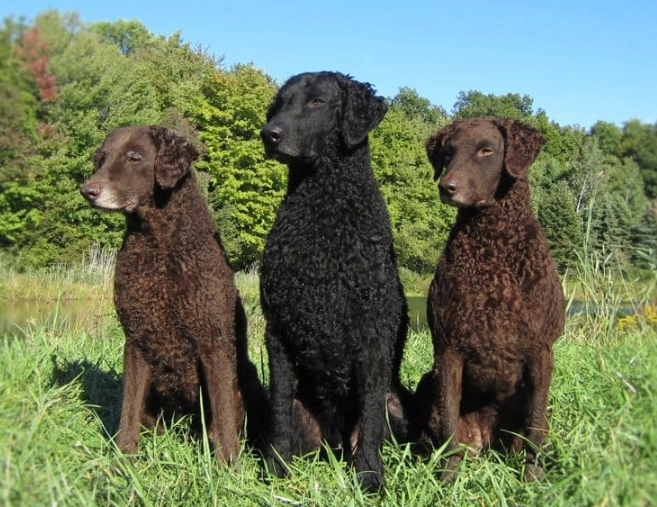
Let's talk about the Curly-Coated Retriever. You've probably seen a picture—that dog with the incredible, tight, waterproof curls that look like a perm gone perfectly right. Maybe you saw one at a show, or a friend has one, and you found yourself wondering what it's really like to live with one. I've been around dogs my whole life, and I remember the first time I met a Curly. It wasn't at a park; it was at a friend's hunting cabin. This dog, named Duke, wasn't fawning over us for attention. He gave us a dignified once-over from his spot by the fire, then went back to chewing his toy. Independent. Self-assured. Not your typical in-your-face retriever. It made an impression. That's the thing about the Curly-Coated Retriever. They break the mold. If you're looking for a canine shadow that lives for your every word, you might want to keep looking. But if you want a smart, capable, and wonderfully unique partner with a sense of humor and a heart of gold (once you earn it), you're in the right place. This isn't just a breed profile filled with technical jargon. This is a deep dive from someone who's seen the good, the challenging, and the downright hilarious sides of this rare breed. We're going to strip away the show-ring glamour and talk about muddy paws, that infamous coat, and whether this quirky character is the missing piece in your life. Bottom Line Up Front: The Curly-Coated Retriever is a loyal, intelligent, and athletic gundog with a low-shedding, curly coat. They are known for being more independent and reserved than other retrievers, making them great for active owners who don't need constant velcro-dog companionship. They require consistent training and plenty of exercise. Believed to be one of the oldest retriever breeds, the Curly's history is a bit of a beautiful mystery. Most experts, including the American Kennel Club (AKC), agree they were developed in England sometime in the late 1700s. Think about the dogs they likely mixed with: the now-extinct English Water Spaniel for that water-loving, curly-coated prowess, early retrievers, and even some Poodle for intelligence and that distinctive tight curl. The result? A dog built for a hard day's work in the field and the water, with a brain to match its stamina. They were the gamekeeper's secret weapon for a while—tough, resilient, and able to work independently. But as other retrievers like the Labrador became more popular (partly due to their more overtly friendly nature), the Curly's numbers dwindled. That's why they're still considered a relatively rare breed today. You won't see them on every street corner, and that's part of their appeal for many owners. It's like having a piece of living history with a mind of its own. You can't talk about a Curly without talking about the curls. It's their signature feature. A mass of small, tight, crisp curls covering their body, looser on the forehead and face. It feels like astroturf or a thick, plush carpet. And yes, it's as waterproof as it looks. I've watched a Curly shake after a lake swim and be practically dry to the touch in minutes. It's impressive. But is that tight curl really as low-maintenance as they say? Here's the real deal. They are considered a low-to-moderate shedding breed. You won't find tumbleweeds of fur in the corners. However, "low-shedding" does NOT mean "no grooming." That's a crucial distinction. The curls can trap dirt, debris, and dead hair. If you don't stay on top of it, you get mats. And mats are painful, can harbor moisture and bacteria, and are a nightmare to remove. So, is the coat a pro or a con? It's both. You trade daily vacuuming for scheduled, hands-on grooming sessions. For allergy sufferers, no dog is truly hypoallergenic, but the Curly's low-shedding coat can be a better fit for some. Always spend time with the breed first to see how you react. Reading breed descriptions can give you whiplash. One source calls them "clownish," the next says "reserved with strangers." Which is it? Honestly, it's both, and that's what makes them fascinating. At home with their family, a well-adjusted Curly is often silly, playful, and deeply affectionate. They have a wonderful, dry sense of humor. I've seen one carefully steal a single sock from a laundry basket, parade it in front of their owner, and drop it with a look that clearly said, "And what are you going to do about it?" They bond intensely but aren't usually lap dogs. They prefer to be near you, often in the same room, but on their own terms. The Independence Factor: This is the biggest make-or-break trait for potential owners. Compared to a Golden Retriever who lives to please, a Curly-Coated Retriever thinks, "Hmm, is that command worth my while? What's in it for me?" They are problem-solvers, not blind followers. This intelligence is a double-edged sword. It makes them brilliant at learning, but also brilliant at figuring out how to bypass rules they find pointless. Stubborn is a word you'll hear a lot. I prefer "selectively cooperative." With strangers, that reserve is real. They are not typically the dog that runs up to every new person for pets. They will assess, watch, and decide. This is not aggression—it's discerning aloofness, a trait leftover from their gamekeeping days. With proper, positive socialization from puppyhood, they learn to be polite and calm around new people. But they will likely never be the gregarious party animal. If you want a dog to break the ice at social gatherings, this isn't your breed. This is not a couch potato breed. A bored Curly is a destructive Curly. They were bred for endurance, and they need an outlet. Forget the leisurely walk around the block. A Curly needs vigorous, mind-engaging activity. We're talking: Training a Curly-Coated Retriever is an exercise in patience and creativity. Positive reinforcement is the only way that works consistently. Harsh corrections will make them shut down or become resentful. You need to be more interesting than the squirrel in the tree. Start early. Puppy socialization classes are mandatory—not optional. Expose them to all sorts of people, places, sounds, and other friendly dogs. Their natural wariness needs to be shaped into calm confidence. Be consistent. If the rule is "no dogs on the couch," it's no dogs on the couch ever. They will test boundaries, especially during adolescence (which can feel like it lasts until they're 3). Keep sessions short, fun, and rewarding. Finding a trainer familiar with independent working breeds can be a game-changer. Generally, the Curly-Coated Retriever is a robust, healthy breed with a lifespan of 9-12 years. However, like all purebreds, they have some predispositions. Responsible breeders test for these. The UK Kennel Club and the Curly-Coated Retriever Club of America (CCRCA) are excellent resources for breed-specific health information. Here are the main concerns: Ask any breeder for proof of these health clearances for both parents. No excuses. A good breeder will be transparent and proud to share this information. It's the most common comparison. How does the Curly stack up against the ever-popular Labrador or Golden? Let's be blunt: if you want an easy-going, eager-to-please, first-time family dog that adores everyone, get a Labrador or a Golden Retriever. They are popular for a reason—they're fantastic at that role. The Curly-Coated Retriever is for the experienced or highly dedicated dog owner who understands and appreciates a more complex canine personality. You're trading constant, effusive affection for a deeper, more earned bond. You're trading biddability for clever independence. You're trading a wash-and-wear coat for a high-maintenance grooming routine. It's not better or worse. It's different. The Curly is more of a "dog's dog." Don't just fall for the looks. Be brutally honest with yourself. You might be a great match if you: Think twice, or look at another breed, if you: Because they are rare, you will not find one quickly or cheaply. Patience is key. Reputable Breeder: This is the most likely route. Expect to be on a waiting list, sometimes for over a year. A good breeder will interview you as thoroughly as you interview them. They will ask about your lifestyle, experience, and plans for the dog. They will have all health clearances, raise puppies in their home with early socialization, and offer a lifetime of support. The CCRCA's breeder referral is the best place to start. Price can range from $1,800 to $3,000+. Rescue: It's less common, but Curly-Coated Retrievers do end up in rescue, often through breed-specific organizations like the CCRCA's rescue network. These are usually adult dogs whose owners underestimated their needs. Adopting a rescue can be incredibly rewarding, but be prepared to work through potential behavioral issues with patience and professional help if needed. Owning a Curly-Coated Retriever is a commitment, not a convenience. It's for someone who doesn't just want a pet, but a partner. They are not the easiest dog, but for the right person, they are arguably one of the most rewarding. You get a stunningly unique look, a brilliant mind, unwavering loyalty, and a companion who makes you laugh with their antics. But you also get a dog that will challenge you, that requires you to be a better, more engaged owner. You'll spend hours grooming, training, and exercising. You'll explain their breed to curious strangers for the thousandth time. And in return, you'll get a bond that feels earned, not given. A quiet companionship built on mutual respect. If that sounds like your kind of adventure, then the Curly-Coated Retriever might just be your perfect, curly-coated match. Do your homework. Talk to owners (find them through the breed club). Meet the dogs in person. And if you decide to take the plunge, go through a reputable breeder who prioritizes health and temperament above all else. Your future best friend is worth the wait.Your Quick Guide to Curly-Coated Retrievers
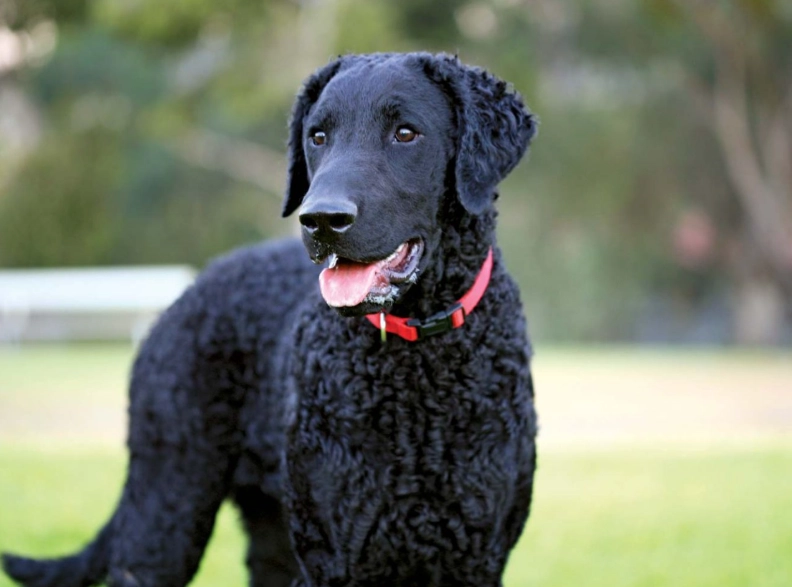
What Exactly Is a Curly-Coated Retriever? A Quick History Lesson

That Coat: The Good, The Bad, and The Muddy
Your Curly Grooming Survival Kit
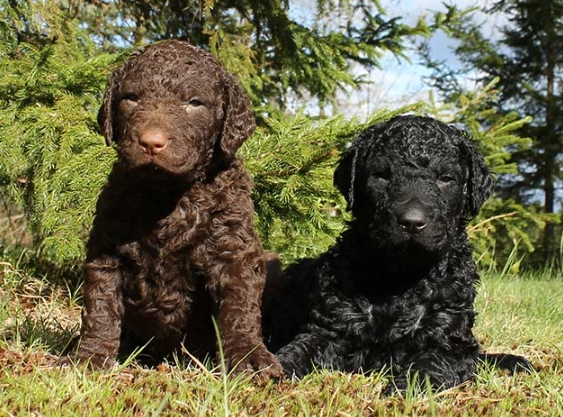
Personality: The "Clown" Versus The "Aloof" Myth
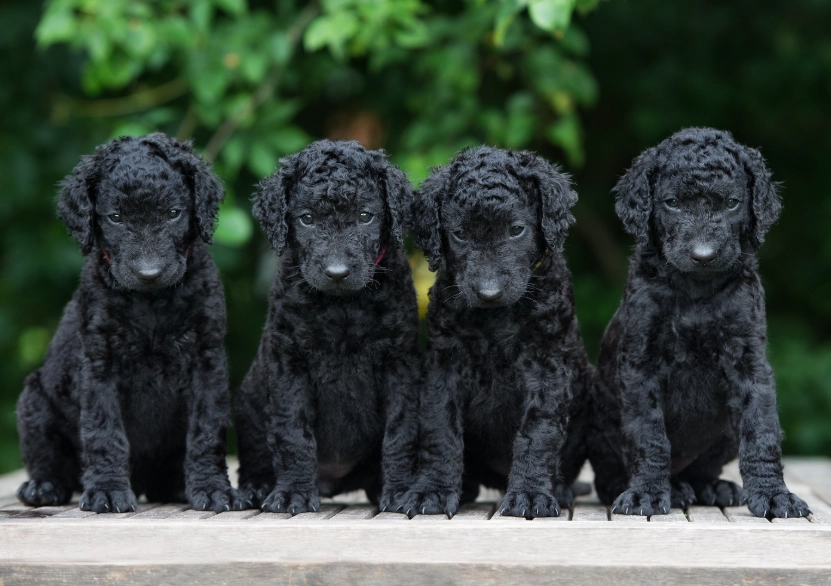
Living with a Curly: Exercise, Training, and Real-World Needs
Exercise Non-Negotiables
The Training Tightrope
Health: What to Watch For
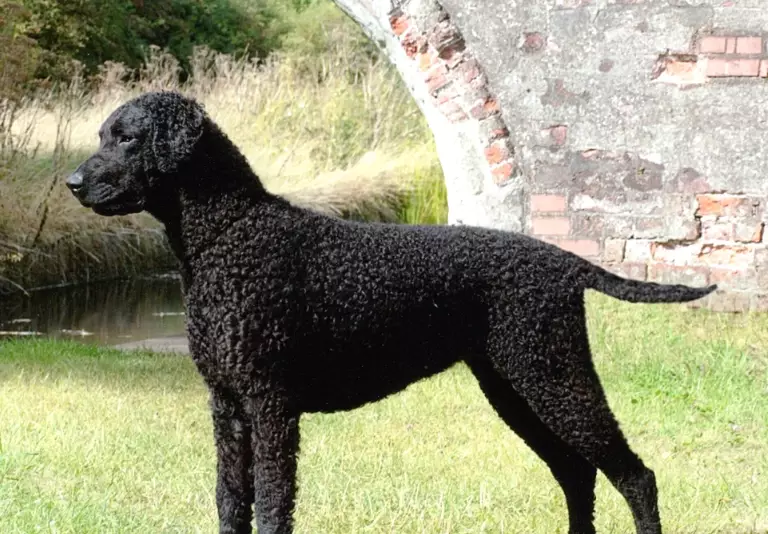
Condition Description What Responsible Breeders Do Hip Dysplasia A malformation of the hip joint that can lead to arthritis and pain. Screen breeding dogs via OFA or PennHIP X-rays and only breed those with passing scores. Elbow Dysplasia Similar developmental issue in the elbow joint. OFA elbow screening. Progressive Retinal Atrophy (PRA) A group of diseases that cause the retina to degenerate, leading to blindness. Genetic testing is available. Breeders should test and avoid breeding carriers to affected dogs. Glycogen Storage Disease (GSD) A rare but serious metabolic disorder. Thankfully, a reliable DNA test exists. All breeding stock should be tested, and affected dogs should not be bred. Exercise-Induced Collapse (EIC) A neurological disorder where dogs collapse after intense exercise. Common in retrievers. DNA testing is available. Breeders should be aware of their dogs' status. Curly-Coated Retriever vs. The Other Retrievers
Is a Curly-Coated Retriever Right for YOU? A Checklist
Finding a Curly-Coated Retriever: Breeder or Rescue?
Your Curly-Coated Retriever Questions, Answered
The Final Word
Are Curly-Coated Retrievers good with kids?
Generally, yes, with proper socialization and supervision. They are sturdy and patient. However, their independent nature means they might not tolerate the chaotic, grabby attention of very young children as gracefully as a Golden Retriever might. They do best with respectful kids who understand canine body language. Always teach children how to interact safely with any dog.
Are they good with other dogs and cats?
Early socialization is crucial. Many Curlies do fine with other dogs, especially if raised together. Some can have same-sex dog aggression tendencies as they mature, particularly males. With cats, it's a gamble. Their high prey drive can be triggered by small, fast-moving animals. If you have cats, a puppy raised with them has the best chance, but careful management is always necessary.
How much do they bark?
They are not excessive barkers. They are more likely to give a deep, alert "woof" to notify you of something unusual. However, a bored or under-exercised Curly can develop nuisance barking out of frustration.
Can they live in an apartment?
It's a major challenge, but not impossible if you are fanatical about providing multiple hours of intense outdoor exercise and mental stimulation every single day. They thrive in a home with direct access to a secure yard. An apartment lifestyle would be very demanding for both dog and owner.
What do they eat?
A high-quality diet formulated for active, medium-to-large breed dogs. Be mindful of portion control—like many retrievers, they can become food-motivated and prone to obesity if overfed. Discuss specific brands and amounts with your vet or breeder.
Comment