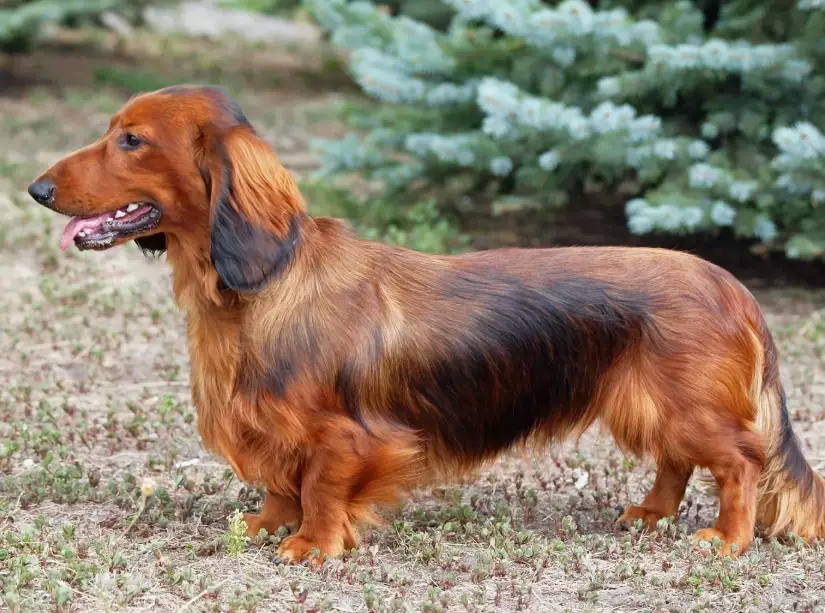
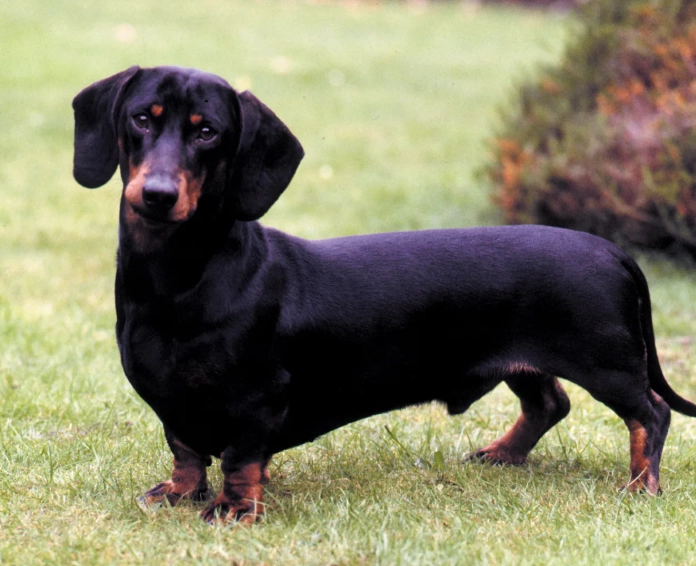
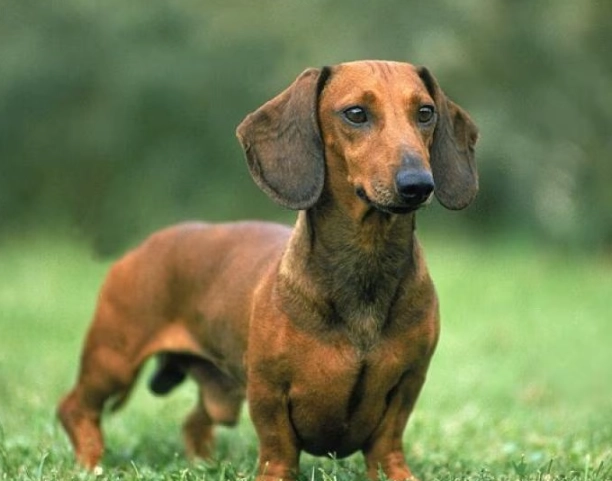
So you're thinking about getting a Dachshund. Or maybe you just brought one home and are wondering what you've gotten yourself into. I get it. Those long bodies, short legs, and expressive eyes are hard to resist. They look like little comedians, and honestly, they often act like them too. But here's the thing a lot of people don't tell you upfront. Owning a Dachshund isn't like owning any other small dog. It's a unique experience filled with laughter, stubbornness, and a need for very specific care. I've had friends who got one thinking it was just a "cute lap dog" and were completely unprepared for the big personality in that small package. This guide is here to pull back the curtain. We're going to talk about everything—the good, the challenging, and the absolutely essential. From their history as fearless badger hunters to the modern-day couch potato (who still thinks they're a hunter), we'll cover it all. My goal is to give you the real, practical info you need, so you and your wiener dog can have a long, happy life together. Let's start with the basics. The name "Dachshund" literally means "badger dog" in German. That right there tells you a lot. These weren't bred to be fancy accessories; they were bred for a tough, dangerous job. Their long, low-slung bodies were perfect for digging into badger setts, and their loud bark helped hunters locate them underground. That tenacious, fearless spirit is still in their DNA. You see it in the way they tunnel under blankets, their obsession with digging in the garden (sorry, lawn), and that surprisingly deep, authoritative bark they let out when the doorbell rings. They forget they're only 10 pounds. Today, the American Kennel Club recognizes the Dachshund in two sizes (Standard and Miniature) and three coat varieties (Smooth, Longhaired, and Wirehaired). This variety means there's likely a Dachshund that fits most lifestyles, but the core personality traits shine through in all of them. Choosing a Dachshund isn't just about picking a color. The coat type significantly impacts grooming and, some owners swear, even a bit of temperament. This is the most important section. Getting care wrong with a Dachshund isn't just messy; it can lead to serious, painful health problems. Their unique structure demands unique rules. I cannot stress this enough: keep your Dachshund lean. An extra pound on a Dachshund is like an extra twenty pounds on a human. That weight puts immense strain on their long spine. You should be able to easily feel their ribs under a thin layer of fat. A visible waist from above is a must. Choose a high-quality dog food appropriate for their age and size. Miniatures have different caloric needs than Standards. And please, resist those begging eyes! Dachshunds are master manipulators when it comes to food. Measure their meals, limit treats (use bits of their kibble for training instead), and avoid fatty human food scraps. They have short legs, but they need walks. A good 30-60 minutes of walking a day, broken into two sessions, is ideal. This keeps their muscles strong to support their back and tires them out mentally. A bored Dachshund is a destructive Dachshund. But here's the critical rule: No jumping on/off furniture. No climbing long flights of stairs. Every leap down from the couch is a mini trauma to their discs. Invest in pet ramps or stairs for your bed and sofa. Carry them up and down full flights of stairs if you live in a multi-story home without an elevator. It seems like a hassle, but it's nothing compared to the hassle and heartbreak of back surgery. All Dachshunds need regular nail trims (long nails alter their posture and stress joints), dental care, and ear checks. Those long, floppy ears are prone to infections if not kept clean and dry. We have to talk about this. It's the elephant in the room for every Dachshund owner. Intervertebral Disc Disease (IVDD) is a condition where the cushioning discs between the vertebrae harden and can rupture or herniate, putting pressure on the spinal cord. Due to their long spines and short rib cages, Dachshunds are significantly predisposed to it. It's scary, but knowledge is power. According to the American College of Veterinary Surgeons, chondrodystrophic breeds (those with short legs and long backs, like the Dachshund) have a high incidence of disc disease. You can read more about the surgical perspective on their official resource page. If you see any of these, treat it as an emergency and call your vet immediately: Not every case requires surgery. Many mild cases are treated with strict crate rest, anti-inflammatory medication, and pain management. But severe cases need surgical intervention to have the best chance of recovery. Pet insurance for a Dachshund isn't a luxury; it's a serious financial consideration. IVDD surgery can cost thousands. While IVDD is the headline, other issues pop up frequently: The key is a good relationship with a vet who understands the breed. Regular check-ups are your first line of defense. Okay, let's be honest. Dachshunds can be stubborn. They were bred to think independently underground, far from a handler's guidance. This doesn't mean they're untrainable; it means you need patience, consistency, and really good treats. This is often the biggest frustration for new owners. Dachshunds are notorious for being difficult to housebreak. Why? Some say it's stubbornness, others blame their small bladders. I think it's a combination plus a dislike for bad weather. What works? A strict schedule. Take them out first thing in the morning, after every meal, after naps, after play sessions, and right before bed. Praise and treat lavishly when they go outside. If you catch them having an accident inside, a firm "no" and immediately taking them outside is the method. Never rub their nose in it. That just creates fear. Consider training them to use an indoor potty patch or litter box if you live in a high-rise or an area with harsh winters. It can save your sanity. Socialize them early and often. Expose them politely to different people, dogs, sounds, and surfaces. A well-socialized Dachshund is a confident, pleasant companion. An unsocialized one can become fearful or aggressive. They are alert barkers. They will let you know about the mailman, a squirrel, a leaf blowing by. You can train a "quiet" command, but don't expect them to be silent. It's part of their nature. Some people find it endearing; others find it exhausting. Be realistic about your tolerance for noise. Remember the badger hunting? That prey drive is strong. They will chase squirrels, rabbits, and sometimes cats. They may not be safe around pet rodents or birds. Always supervise interactions. If you've decided a Dachshund is for you, you have two main paths. Going through a Reputable Breeder: This is often more expensive upfront. A good breeder will health test their breeding stock (for IVDD, PRA, etc.), raise puppies in a loving home environment, and be a resource for you for life. They should ask you as many questions as you ask them. Avoid anyone who breeds multiple litters at once, has puppies available constantly, or won't let you see where the puppies are raised. The Dachshund Club of America (DCA) is an excellent place to start looking for ethical breeders and breed information. Adopting from a Rescue or Shelter: There are many Dachshunds and Dachshund mixes in need of homes. Breed-specific rescues are fantastic because they understand the breed's quirks and needs. An adopted Dachshund may come with some baggage, but the reward is immense. You're giving a second chance to a dog who needs it. Organizations like the American Kennel Club's Rescue Network can help connect you with options. I love Dachshunds. Their loyalty, their humor, their big personalities in small bodies. But they are not easy dogs. They require an owner who is patient, consistent, and proactive about their health. You must be willing to manage their back for life—ramps, no jumping, weight control. If you are looking for a low-maintenance, perfectly obedient dog that will never challenge you, a Dachshund is probably a terrible choice. You will get frustrated with their stubbornness. You will have days where you wonder why you got this dog. But if you can appreciate a dog with a strong will, if you can see past the mischief to the incredible bond they offer, and if you are committed to providing the very specific care they need, then a Dachshund can be one of the most rewarding companions you will ever have. They are not just pets; they are partners in laughter, loyalty, and love.Quick Guide

More Than Just a "Wiener Dog": Understanding the Dachshund
The Three Coat Types: More Than Just Looks

The Non-Negotiables: Dachshund Care 101
Diet and Weight: The Cornerstone of Health
Exercise: Mind and Body

Grooming by Coat Type
Coat Type
Brushing Frequency
Bathing Frequency
Special Notes
Smooth
Weekly with a soft brush or hound glove.
Every 1-2 months, or when dirty.
Check skin for dryness or minor acne. Wipe with a damp cloth between baths.
Longhaired
Every other day with a pin brush & comb to prevent mats.
Every 3-4 weeks to keep coat clean.
Pay attention to ears, armpits, and behind legs. Trim hair around paws for cleanliness.
Wirehaired
Weekly with a slicker brush.
Every 1-2 months.
Coat needs "hand-stripping" 2-3 times a year to remove dead hair. Clipping ruins the texture.
The Big One: Dachshund Health and IVDD
Signs of a Potential Back Problem
Other Common Dachshund Health Issues
Living with a Dachshund: Training and Behavior Realities
Potty Training: The Great Challenge
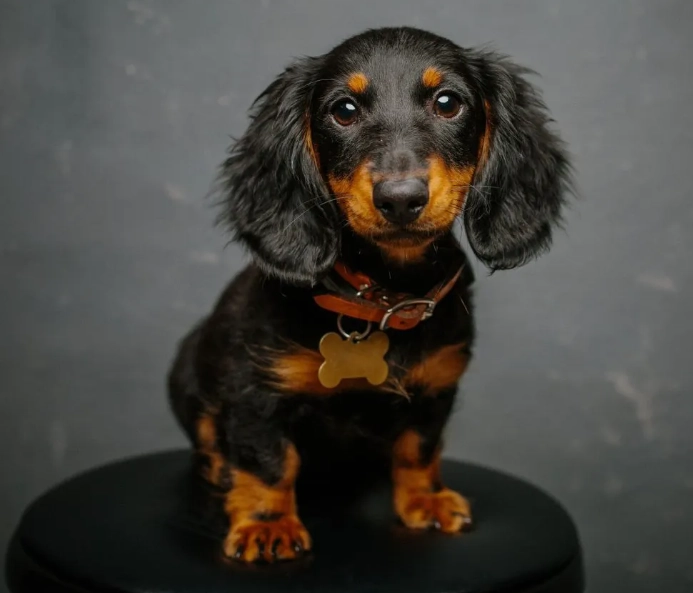
Socialization and Barking
The Prey Drive and Small Pets
Finding Your Dachshund: Breeder vs. Rescue
Common Dachshund Questions Answered
Final Thoughts: Is a Dachshund Right for You?
I remember my first Dachshund, Frank. He'd stand his ground against dogs five times his size at the park, chest puffed out, completely unaware of the size difference. It was equal parts hilarious and terrifying.
A fat Dachshund is a Dachshund at high risk for IVDD (Intervertebral Disc Disease). It's the single biggest preventable factor in their most common health crisis.
Mental exercise is just as tiring as physical. Puzzle toys, snuffle mats where they hunt for kibble, and short training sessions will exhaust your Dachshund's clever brain and prevent boredom barking or digging.
My current Dachshund, Greta, has a very specific bark for when someone walks their dog past our house. It's different from her "there's a squirrel" bark. It's impressive, really, but not at 6 a.m.
Are Dachshunds good with kids?
They can be, but it depends on the individual dog and the kids. Dachshunds are not inherently "nanny" dogs. They can be sensitive and don't appreciate rough handling. Teach kids to be gentle, and never leave any dog unsupervised with young children.
Are Dachshunds good for first-time dog owners?
This is a tough one. I wouldn't automatically say no, but they are a challenging first dog. Their stubbornness, potential health issues, and difficulty with potty training can be overwhelming for a novice. A more biddable, easier-to-train breed might be a better fit for a first-timer.
How long do Dachshunds live?
With good care, a healthy Dachshund can live 12-16 years, sometimes even longer. Be prepared for a long-term commitment.
Do Dachshunds shed?
Yes, all three coat types shed. Smooth coats shed short, fine hairs. Longhaired and Wirehaired coats will shed as well, though the wiry topcoat of the Wirehaired may shed less noticeably.
Can Dachshunds live in apartments?
Absolutely. They are small, don't need a huge yard, and their exercise needs can be met with walks. Their barking can be an issue with close neighbors, so that's something to work on.
Comment