Let's be honest, most of us first fell for the Dalmatian because of those iconic spots. I know I did. You see them trotting across the screen in that old cartoon, or standing proudly next to a firehouse, and it's hard not to be charmed. But here's the thing I learned the hard way, after helping a friend through the chaos of raising one: a Dalmatian is not just a pretty pattern. They are a complex, high-octane, and deeply historical breed wrapped in a deceptively elegant package. If you're just looking for a living, breathing decoration, look elsewhere. This dog will demand your time, energy, and understanding. This guide isn't about selling you on the breed. It's about giving you the unvarnished truth. We'll dig into where they really came from (hint: it's not just carriages), what it's actually like to live with their unique personality, and how to navigate their specific health and care needs. My goal is to answer every question you have, and the ones you haven't thought to ask yet, before you make a decision that could last 10 to 13 years. The Core Reality: Dalmatians are intelligent, energetic, and often stubborn dogs bred for endurance. They are not a low-maintenance breed. Success with a Dalmatian depends almost entirely on matching their needs with an owner's lifestyle. Ask anyone where Dalmatians come from, and you'll likely hear "England" or "with horse-drawn carriages." That's only part of the story, and a relatively late chapter at that. The breed's origins are surprisingly murky and stretch back centuries. The name points to Dalmatia, a coastal region in modern-day Croatia, but evidence suggests they may have ancient roots across Europe and even ties to spotted dogs depicted in Egyptian tombs. Their true historical claim to fame, and the job that shaped their modern temperament, was as a coach dog. By the 18th century in England, they were the preferred escort for horse-drawn carriages. This wasn't a ceremonial role. They ran alongside or beneath the carriages for miles, guarding the horses and cargo from stray dogs, thieves, and anything else on the road. This job required immense stamina, athleticism, a protective instinct, and a natural affinity for horses. That last trait is key—a well-bred Dalmatian should still have a calm, friendly demeanor around large animals. The leap from carriage to fire engine was a natural one. When horse-drawn fire engines were the norm, Dalmatians would clear the path, guard the expensive horses at the scene, and keep the equipment safe. Even after engines became motorized, the tradition stuck. They became mascots, a living symbol of the fire service. The American Kennel Club (AKC) provides a great overview of this history, noting their official recognition in 1888. This working history explains everything about the modern Dal. The need for endurance? Check. The high energy and need for a job? Absolutely. The protective streak and wariness of strangers? It's in their DNA. They were bred to be alert, mobile guardians, not couch potatoes. Describing a Dalmatian's temperament is tricky because they're full of contrasts. They're often aloof with strangers, yet deeply bonded and sometimes velcro-like with their family. They can be dignified and almost regal when calm, but turn into a blur of chaotic, spotted energy in a heartbeat. Let's break it down. My friend's Dalmatian, Duke, was a perfect example of the intelligence-stubbornness combo. He learned "sit" in three repetitions. Getting him to do it reliably when there was a squirrel in view? That took six months of work. He'd look at the treat, look at the squirrel, and you could see him calculating which was more valuable in that moment. This is the million-dollar question. The answer is: it depends entirely on the family. They can be wonderful with older, dog-savvy children who respect their space and can engage in active play. Their loyalty and protective nature can make them fantastic companions for kids. However, their size and boisterousness can be too much for toddlers or very young children. The ideal Dalmatian family is an active one—think hiking, running, biking, or participating in dog sports. A sedentary household is a recipe for frustration on both ends. Caring for a Dalmatian goes far beyond food, water, and a walk around the block. Their unique physiology and personality require a tailored approach. Forget the casual stroll. A Dalmatian needs to run. Their build is that of a distance runner. Ideal activities include: Mental exercise is just as critical. Puzzle toys, obedience training sessions, nose work, and learning new tricks will tire their brain and prevent boredom. Bottom line: If you don't have the time or energy for this, a Dalmatian is not your dog. This is one area where Dalmatians are surprisingly low-maintenance. Their short, sleek coat sheds—a lot, and year-round. But it's easy to manage. This is the most critical and often misunderstood aspect of Dalmatian care. Dalmatians have a unique genetic quirk in their metabolism. They process purines (found in many proteins) differently than other dogs, leading to high levels of uric acid in their urine. This can cause: Therefore, feeding a low-purine diet is not a suggestion; it's a medical necessity. Look for dog foods formulated for urinary health or specifically for Dalmatians. Diets high in organ meats (like liver, kidney), certain fish (sardines, anchovies), and some legumes should be avoided. Always ensure fresh water is available to help flush their system. Reputable breeders and your vet are the best sources for specific food recommendations. The Dalmatian Club of America (DCA) has extensive resources on this topic. Like all purebred dogs, Dalmatians are prone to certain hereditary conditions. Being informed is your first line of defense. The single most important thing you can do is to choose a responsible breeder. A good breeder will openly share health clearances for both parents (OFA hips, BAER hearing tests, eye certifications) and be focused on improving the breed, not just producing spotted puppies. The DCA's breeder referral list is an excellent starting point. Adopting from a Dalmatian-specific rescue is another fantastic option, as these groups are deeply knowledgeable about the breed's needs. Training a Dalmatian is an exercise in patience, consistency, and creativity. They are sensitive and do not respond well to harsh corrections. Positive reinforcement—using treats, praise, and play as rewards—is the only method that works long-term. Start the day you bring your puppy home. Socialization is arguably more critical than basic obedience. Between 3 and 16 weeks, expose your Dalmatian puppy to a wide variety of people (men, women, children, people in hats/uniforms), other vaccinated dogs, sounds, surfaces, and environments. The goal is to build confidence and teach them that the world is not scary. A poorly socialized Dalmatian is much more likely to develop fear-based reactivity or aggression. Given their intelligence and energy, they thrive in structured activities. Consider advanced obedience, rally, agility, or nose work classes. These provide mental stimulation, reinforce your bond, and give them a constructive job to do. Remember, a tired Dalmatian is a well-behaved Dalmatian—and that applies to mental tiredness as much as physical. When we think Dalmatian, we think black spots on a white coat. That's the classic. But the breed standard, as defined by the AKC, also accepts liver (brown) spots on a white coat. The liver color is a recessive gene, so both parents must carry it to produce liver-spotted puppies. The spots should be round, well-defined, and distributed as evenly as possible. Size can vary from a dime to a half-dollar. You might also hear about lemon (yellowish), blue-gray, or tricolor (spots with tan points) Dalmatians. These colors occur but are considered serious faults in the show ring as they fall outside the breed standard. However, a non-standard color doesn't affect the dog's health or personality. Some other rare markings include: Are Dalmatians aggressive? No, Dalmatians are not inherently aggressive. However, they can be protective, aloof with strangers, and prone to fear-based reactions if not properly bred, socialized, and trained. Their wariness is often mistaken for aggression. A well-bred, well-raised Dal is typically stable and discerning. Why are Dalmatians associated with firehouses? As covered in the history section, they served as working dogs for horse-drawn fire engines, guarding the horses and equipment. Their role became traditional, and they stayed on as beloved mascots even after the horses were gone. How long do Dalmatians live? The typical lifespan of a Dalmatian is between 11 and 13 years, though some live longer with excellent care. Managing their diet to prevent stones and maintaining a healthy weight are key factors in longevity. Do Dalmatians shed a lot? Yes, they are constant, year-round shedders. Their short, stiff hairs tend to embed themselves in upholstery and clothing. Regular brushing helps manage it, but if you require a spotless home, this is not the breed for you. Can Dalmatians be left alone? Not for long periods. They are prone to separation anxiety and boredom-related destruction. If you work long hours outside the home, a Dalmatian will likely struggle. They do best in homes where someone is around much of the day or where they can accompany their owner to work or activities. Are Dalmatians good for first-time dog owners? Generally, no. Their combination of high energy, exercise demands, stubbornness, and specific health/dietary needs makes them a challenging breed for a novice. A first-time owner would be better served by a more forgiving, less intense breed. So, is a Dalmatian the right dog for you? Let's be brutally honest. Ask yourself these questions: If you answered yes to all of these, you might just be a rare match for this unique breed. If you're still set on a Dalmatian, your next step is critical. Do not buy from a pet store, backyard breeder, or online ad that just has cute puppy pictures. These sources often ignore health testing and produce puppies with a higher risk of temperament and health problems. Seek out a breeder who is a member of the Dalmatian Club of America, who does full health testing on their breeding stock, and who interviews you as thoroughly as you interview them. Alternatively, connect with a Dalmatian rescue group. They often have wonderful dogs of all ages who need a second chance, and their volunteers can give you deep, practical insights into living with the breed. The Dalmatian is not a dog for everyone. But for the right person or family—one that can meet their immense needs for activity, engagement, and specialized care—they are an unparalleled companion: loyal, entertaining, and truly one-of-a-kind. They're a lifetime commitment to an adventure. Just make sure you're ready for the ride.In This Guide
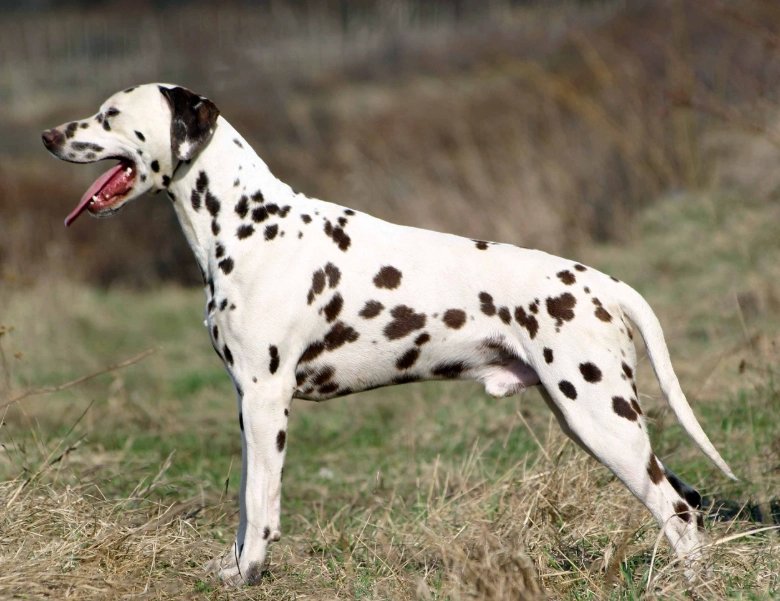
Unraveling the History: From Carriages to Firehouses
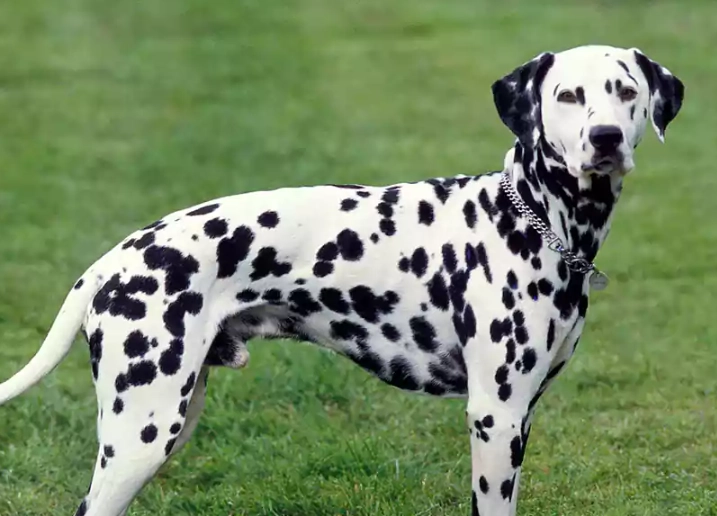
The Dalmatian Personality: A Bundle of Contradictions
The Good Stuff (The Pros)
The Challenging Bits (The Cons)
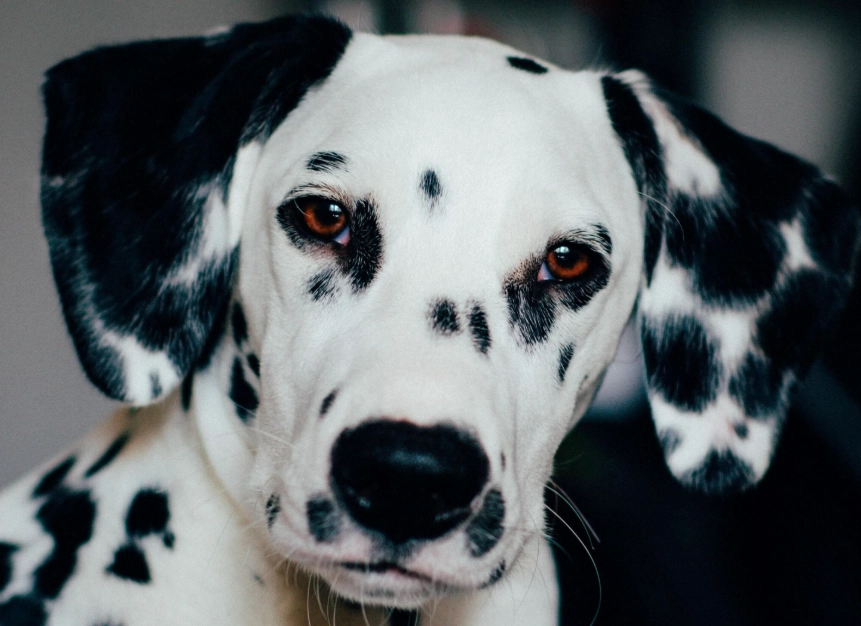
Are Dalmatians Good Family Dogs?
Caring for Your Spotted Companion
Exercise: Non-Negotiable and Extensive
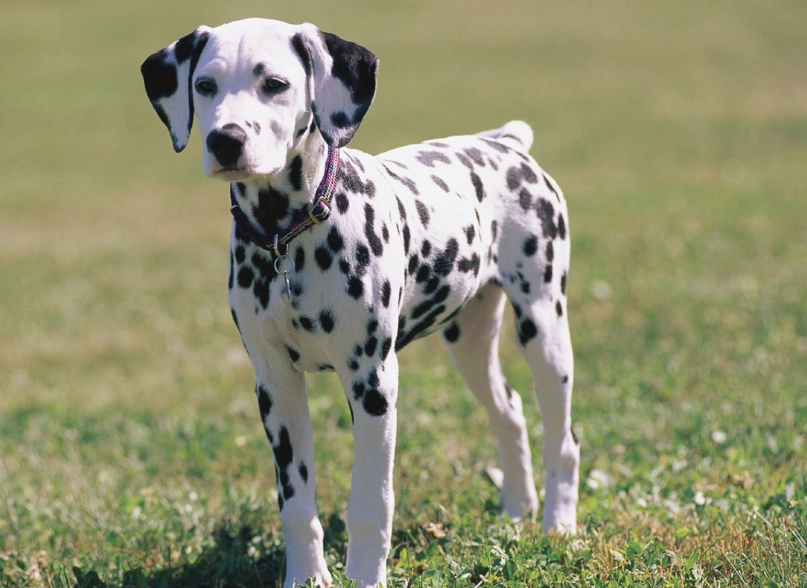
Grooming: Easier Than You Think
Diet & Nutrition: The Crucial Uric Acid Factor
Navigating Dalmatian Health: What You Must Know
Health Concern
Description
Prevention/Management
Deafness
A significant issue in the breed. Can be unilateral (one ear) or bilateral (both ears). Linked to the extreme piebald (white spotting) gene.
BAER (Brainstem Auditory Evoked Response) testing on puppies (usually after 6 weeks). Reputable breeders test all puppies and should provide results. Training and lifestyle adjustments are needed for deaf dogs.
Urate Bladder/Kidney Stones
As discussed above, due to their unique uric acid metabolism.
Strict low-purine diet, ample fresh water, and regular vet check-ups including urine tests. Knowing the signs (straining to urinate, blood in urine) is crucial.
Hip Dysplasia
A malformation of the hip joint that can lead to arthritis and pain.
Reputable breeders screen parent dogs via OFA (Orthopedic Foundation for Animals) or PennHIP certifications. Maintain a healthy weight and provide joint supplements as recommended by your vet.
Skin Allergies
Can be prone to atopic dermatitis, leading to itchy skin and infections.
Identifying and avoiding allergens (food, environmental). Regular bathing with medicated shampoos, and veterinary management with medications if needed.
Iris Sphincter Dysplasia
A specific eye condition where part of the iris is underdeveloped, often seen in blue-eyed Dals. Usually doesn't affect vision.
Regular veterinary ophthalmologist exams (CERF). Breeders should screen for this.
Training & Socialization: The Key to a Great Dog
Dalmatian Colors & Markings: Beyond Black on White
Frequently Asked Questions About Dalmatians
Making the Final Decision
Dalmatian Dog Breed Guide: Temperament, Care & Health Facts
Comment