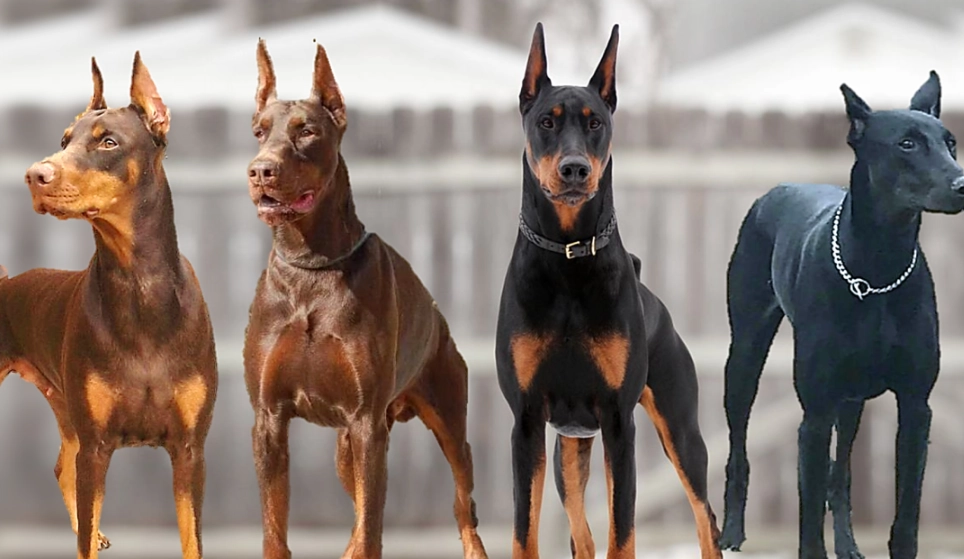
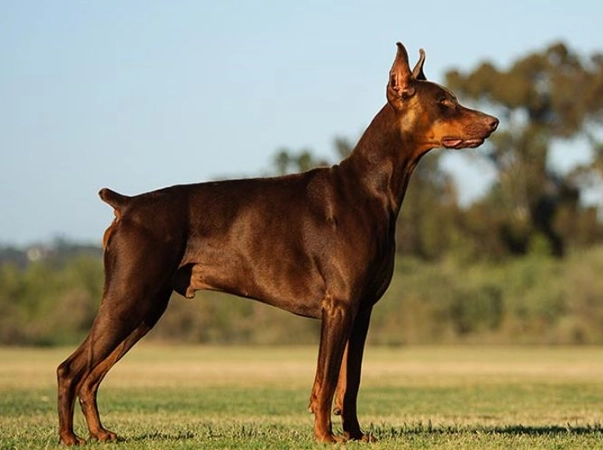
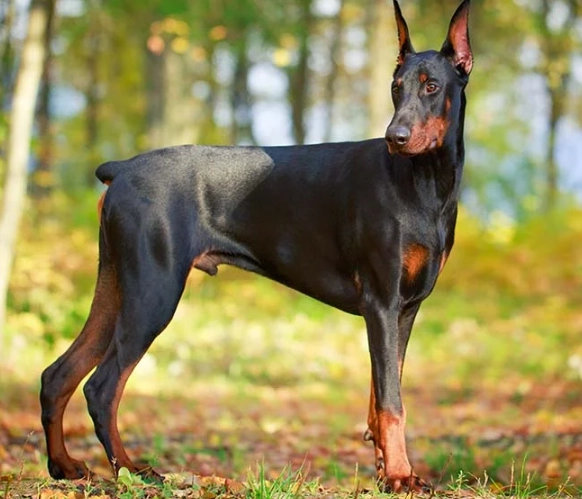
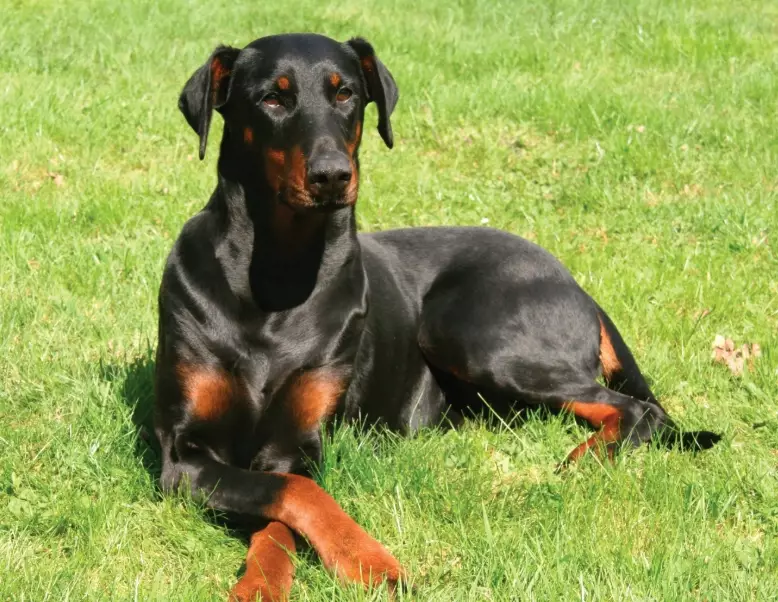
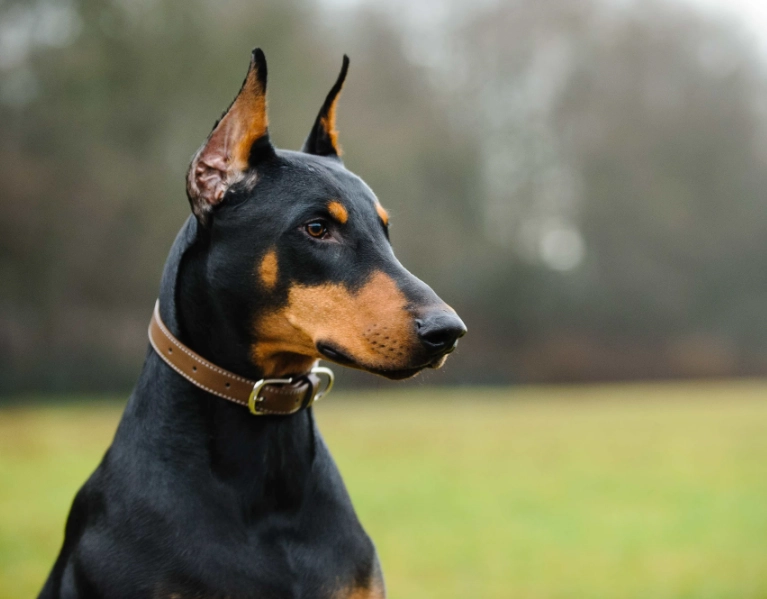
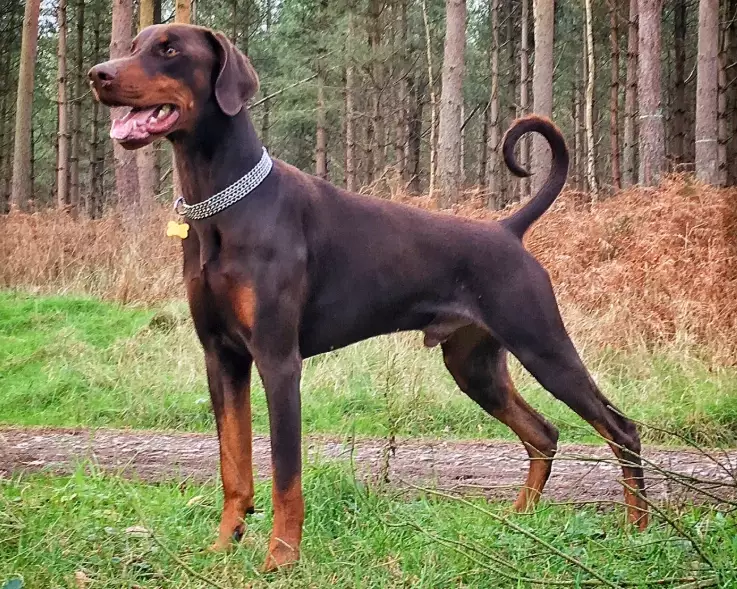
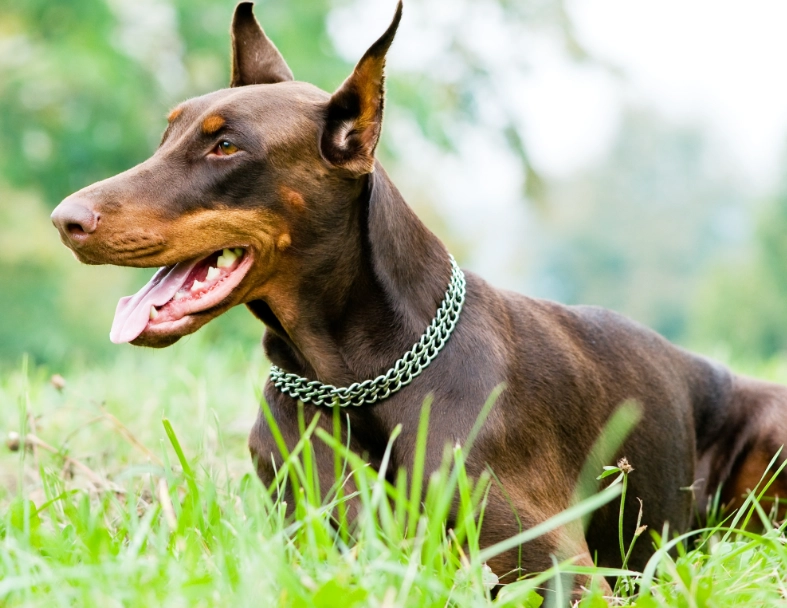
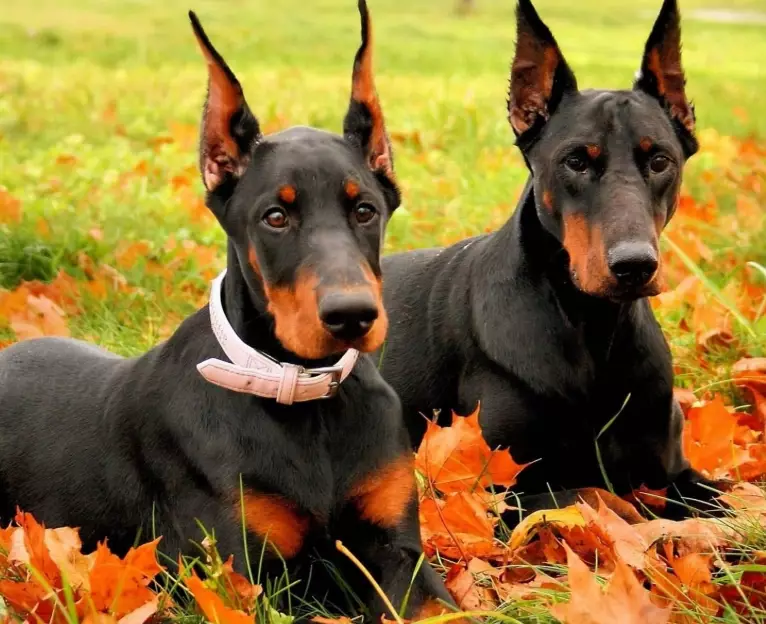
Picture this: a sleek, powerful dog with an elegant stance and an aura of intelligent alertness. That's the Doberman Pinscher for you. It's the dog that makes people cross the street sometimes, purely based on reputation. But is that reputation fair? Having spent years around dogs and talking to countless Doberman owners, I've learned one thing for sure – this breed is one of the most misunderstood in the canine world. They're not mindless guard machines. Far from it. They're complex, sensitive, and incredibly loyal partners. But here's the raw truth: a Doberman Pinscher is not a dog for everyone. Getting one on a whim is a recipe for stress, both for you and the dog. This guide isn't a sugar-coated sales pitch. It's a deep dive into what life with a Doberman is really like, the good, the bad, and the downright challenging. Why listen to me? Well, I've seen the best and worst of Doberman ownership. I've met Dobermans who are gentle therapy dogs visiting hospitals, and I've unfortunately seen others, poorly bred and poorly raised, who live up to every negative stereotype. The difference almost always comes down to the human at the other end of the leash. Quick Breed Snapshot: The Doberman Pinscher is a medium-large, muscular working breed originating from Germany in the late 19th century. Created by Karl Friedrich Louis Dobermann, they were initially bred for protection and companionship. Today, they serve as family guardians, working dogs, and loyal companions, known for their intelligence, loyalty, and energy. You can't really understand the modern Doberman without knowing where it started. The breed's creator, a tax collector and dog catcher named Louis Dobermann, needed a formidable companion for his dangerous rounds in Apolda, Germany, around the 1890s. He wasn't a formal geneticist; he was a practical man with a problem to solve. He wanted a dog that was fearless, intelligent, loyal, and intimidating. The exact "recipe" he used is lost to time, but it's widely believed the mix included precursors to breeds like the Rottweiler, German Pinscher, Weimaraner, and possibly the Greyhound and Manchester Terrier. The result was a dog that quickly gained a reputation. It wasn't just for show. These early Dobermans were working dogs through and through. After Dobermann's death, other breeders refined the breed, emphasizing traits like trainability and a more stable temperament. The breed made its way to America in the early 1900s and was recognized by the American Kennel Club (AKC) in 1908. Their intelligence and drive saw them deployed as messenger dogs, sentries, and scouts in both World Wars. Many argue that wartime breeding, focused on sharpness and aggression, influenced the breed's temperament for a generation. Post-war, responsible breeders worked diligently to bring back the balanced, trainable companion the breed was meant to be. The official breed standard, which you can read in detail on the American Kennel Club's Doberman Pinscher page, serves as the blueprint for the ideal dog, emphasizing structure, movement, and temperament. That history of being a thinking, working partner is baked into every Doberman Pinscher's DNA today. Ignore it at your peril. Let's be honest, a big part of the Doberman's appeal is its striking looks. They are the sports car of the dog world – sleek, powerful, and built for performance. But there's more variety than you might think. Everyone knows the classic black and tan Doberman. The deep black coat with rich rust markings on the muzzle, chest, legs, and above the eyes is the most common and arguably the most iconic. But the breed comes in three other recognized colors: A Word on "White" or Albino Dobermans: You might see them online. These are not a separate color variety but the result of a genetic mutation that causes albinism. They often have serious health problems, including extreme light sensitivity, vision issues, and higher rates of cancer. Reputable breeders do not intentionally breed for this, and major kennel clubs do not recognize it. I'd strongly advise steering clear. This is a hot-button issue. The traditional image of a Doberman Pinscher includes cropped, erect ears and a short, docked tail. Historically, this was done for practical reasons – to prevent injury while working. Today, in many countries, these procedures are banned or heavily restricted as cosmetic surgeries. In places where it's still legal, like parts of the US, it's a personal choice that often sparks debate. A cropped ear requires extensive aftercare, including taping and posting for months to get them to stand. It's a commitment. Natural ears are soft and floppy, giving the Doberman a much softer, friendlier expression. The natural tail is long and whip-like (watch out for coffee tables!). My personal take? Having seen Dobermans with both natural and cropped ears, the natural look is growing on me. It removes a painful procedure from the puppy's early life and seems to be the direction the breed is moving globally. The dog's character is the same either way. This is the most important section. Forget the muscles; the mind is what makes or breaks your experience with a Doberman. The breed standard describes them as energetic, watchful, determined, alert, fearless, loyal, and obedient. That's a powerful combination. In practice, what does this look like in your living room? The Core of a Good Doberman: A well-bred, well-socialized Doberman Pinscher is first and foremost a family-oriented dog. Their loyalty isn't abstract; it's directed intensely at their people. They are often called "velcro dogs" because they want to be where you are, involved in what you're doing. This is not a backyard dog. Leaving a Doberman isolated is a surefire way to create anxiety and problem behaviors. They are incredibly smart. Sometimes too smart for their own good. They learn commands quickly, but they also learn how to open doors, counter-surf with precision, and figure out your weaknesses. They need mental stimulation as much as physical exercise. A bored Doberman is a destructive Doberman. Now, about that guarding reputation. The Doberman Pinscher is a natural protector. It's not trained aggression; it's a deep-seated instinct to assess threats to their home and family. They are often aloof with strangers, not immediately friendly. They'll stand back, watch, and evaluate. This is why early and ongoing socialization is non-negotiable. You need to teach them what is a normal, non-threatening part of life (the mail carrier, guests, children playing) and what truly warrants concern. Without that socialization, that natural wariness can tip over into fearfulness or aggression. That's where the bad reputation comes from. Here’s a table breaking down key temperament traits, both the pros and the cons you need to manage: I remember a friend's Doberman who would literally sit and sigh dramatically if he felt ignored during a dinner party. He'd rest his head on your knee and stare with those soulful eyes until you gave him attention. It was equal parts funny and a clear sign of how tuned-in they are to social dynamics. Let's match the dog to the lifestyle. This breed isn't a flexible accessory; it demands specific things. The Ideal Doberman Home: Think Twice If: Training a Doberman Pinscher is less about issuing commands and more about building a dialogue. They respect leadership, not tyranny. Start Early: Begin basic obedience and socialization the day you bring your puppy home. Puppy kindergarten classes are fantastic for both. Use Positive Reinforcement: This breed thrives on praise, play, and food rewards. Harsh corrections will damage your bond and can create a fearful or resentful dog. The American Society for the Prevention of Cruelty to Animals (ASPCA) has great resources on positive reinforcement training methods that work wonders with sensitive, smart breeds like the Doberman. Be Consistent: If the couch is off-limits, it's off-limits every day, from every person. Mixed signals confuse them. Make it a Job: Dobermans love having a purpose. Turn training into a game. Practice "leave it" with high-value treats. Teach a solid "place" command for when the doorbell rings. Advanced training like nose work or tracking can be incredibly satisfying for them. Socialization isn't just meeting other dogs. It's exposing them positively to all sorts of sights, sounds, and surfaces: umbrellas, wheelchairs, loud trucks, men in hats, children on skateboards. The goal is confidence, not just tolerance. This is a serious topic. Unfortunately, the Doberman Pinscher is prone to several significant genetic health conditions. A responsible breeder is your first and best line of defense. Dilated Cardiomyopathy (DCM): This is the big one. It's a heart disease where the heart muscle becomes enlarged and weak, unable to pump blood effectively. It's a leading cause of death in the breed. There is a genetic test available, and reputable breeders screen their breeding stock. You should ask for proof of a recent cardiac clearance (like an echocardiogram) from a veterinary cardiologist for both parents. The Cornell University College of Veterinary Medicine provides excellent information on canine heart disease. Von Willebrand's Disease (vWD): A bleeding disorder similar to hemophilia in humans. Dogs with vWD have difficulty forming blood clots. There is a genetic test for this, and breeders should test for it. Hip Dysplasia: A malformation of the hip joint that can lead to arthritis and pain. Reputable breeders have their dogs' hips evaluated and certified by the Orthopedic Foundation for Animals (OFA) or PennHIP. Hypothyroidism: An underactive thyroid gland, which can cause weight gain, lethargy, and skin problems. It's manageable with daily medication. Wobbler Syndrome (Cervical Spondylomyelopathy): A neurological condition affecting the neck vertebrae, causing an unsteady gait and potential pain. The Importance of a Reputable Breeder: This cannot be overstated. A good breeder prioritizes health and temperament above all else. They will openly share all health clearances, have a contract that includes a health guarantee, and take back the dog at any point in its life if you can't keep it. They are a resource for life. Avoid pet stores, online brokers, or breeders who have multiple litters available at once, won't let you meet the parents, or can't provide health documentation. With a well-bred dog and proactive care, a Doberman Pinscher's lifespan is typically 10-12 years, though some live longer. What does a Tuesday look like with a Doberman? Exercise: Non-negotiable. A long walk won't cut it. They need vigorous running, playing fetch, or a solid training session. A tired Doberman is a good Doberman. Aim for at least 1-2 hours of dedicated activity per day. Grooming: Surprisingly easy. Their short, smooth coat requires only weekly brushing with a rubber curry brush to remove dead hair. They shed, but it's manageable. Bath as needed. Pay attention to nails (trim regularly) and teeth (brush frequently to avoid dental disease). Diet: A high-quality diet appropriate for a large, active breed. Be mindful of bloat (Gastric Dilatation-Volvulus), a life-threatening condition where the stomach twists. To reduce risk, feed two or three smaller meals a day instead of one large one, avoid vigorous exercise right before and after eating, and consider using a slow-feeder bowl. Mental Stimulation: Food puzzle toys, training sessions, hiding treats for them to find, or even a frozen Kong stuffed with goodies can keep their brain busy when you're not actively engaging them. Let's tackle some of the most common things people search for. They can be excellent family dogs for the right family. Their loyalty extends to all family members, including children. However, their size and energy mean they are generally better suited for families with older children who understand how to interact respectfully with a large dog. Always supervise interactions, and teach kids not to bother the dog while it's eating or sleeping. This is the million-dollar question. A well-bred, well-raised Doberman Pinscher is not inherently aggressive. They are protective and reserved with strangers, which is different. Aggression is often a symptom of poor breeding, lack of socialization, fear, or inadequate training. The breed's power means any aggression is taken very seriously, which is why responsible ownership is so critical. Think long-term. The initial purchase from a reputable breeder can range from $1,500 to $3,000+. Then add: high-quality food ($70-$100/month), routine vet care, preventative medications, training classes ($100-$200 for a basic course), supplies (crate, beds, toys), and pet insurance (highly recommended, $50-$100/month). Unexpected health issues can run into the thousands. This is not a cheap dog to own responsibly. It's challenging but possible with an exceptionally committed owner. You must be able to provide all their exercise needs outside the apartment through multiple long walks, trips to dog parks, or runs. Their barking at hallway noises can also be an issue. A house with a yard is undeniably easier. This is more about individual personality than hard rules. Males tend to be slightly larger and more overtly goofy and affectionate with their family. Females can be a bit more independent and focused. Both are equally capable and loyal. Spaying/neutering (at the appropriate age as advised by your vet) will mitigate many hormonal behavioral differences. There's one breed, but different breeding lines emphasize different traits. European lines (often from working backgrounds in Germany) are typically more robust, with a blockier head, thicker bone, and a stronger, more intense drive. They are often bred for Schutzhund/IPO work. American lines often follow the AKC show standard more closely, tending to be more elegant and refined, with a slightly less intense drive, often making them more suitable for a primarily companion role. There's significant overlap, and many breeders mix lines. The key is to discuss your lifestyle with the breeder so they can match you with the right puppy temperament. Owning a Doberman Pinscher is a journey, not a destination. It's a commitment to training, exercise, and partnership. It's about providing clear leadership and boundless affection. When you get it right, the reward is a companion like no other – a dog whose intelligence surprises you, whose loyalty humbles you, and whose presence makes you feel utterly secure. They are not a breed you simply own; they are a breed you live with, learn from, and earn the devotion of. If you're ready for that level of commitment, a Doberman Pinscher might just be the most rewarding dog you'll ever have. If not, there are many wonderful breeds better suited to a quieter life. Be honest with yourself. The dog will thank you for it.In This Guide: Key Sections
Where Did This Breed Even Come From? A Look at Doberman History
That Iconic Look: Doberman Pinscher Appearance and Variations
The Classic Colors: Black, Red, Blue, and Fawn
Cropped Ears and Docked Tails: The Great Debate
The Doberman Mind: Temperament and Personality Deep Dive
Trait
The Positive Side
The Potential Challenge
Loyalty & Attachment
Deeply devoted to family; forms an unbreakable bond.
Can develop severe separation anxiety if not taught to be alone.
Intelligence
Highly trainable; excels in obedience, agility, and advanced tasks.
Gets bored easily; will invent its own (often destructive) games.
Alertness & Watchfulness
Excellent natural watchdog; will alert you to anything unusual.
Can be prone to excessive barking or reactivity if not channeled.
Energy Level
Athletic and driven; a great partner for running, hiking, sports.
Requires significant daily exercise (1-2 hours). Not a couch potato.
Sensitivity
Responsive to owner's mood; eager to please with positive methods.
Does not respond well to harsh, heavy-handed training. Shuts down.
Is a Doberman Pinscher Right for Your Life? A Reality Check
Training Your Doberman: It's All About Partnership
Keeping Them Healthy: Common Doberman Pinscher Health Issues
Daily Life and Care: The Nitty-Gritty
Your Doberman Pinscher Questions, Answered Honestly
Are Doberman Pinschers good family dogs?
Are Dobermans aggressive?
How much does it cost to own a Doberman Pinscher?
Can Dobermans live in apartments?
Should I get a male or female Doberman?
What's the difference between an American and a European Doberman?
The Complete Doberman Pinscher Guide: Care, Traits & FAQs
Comment