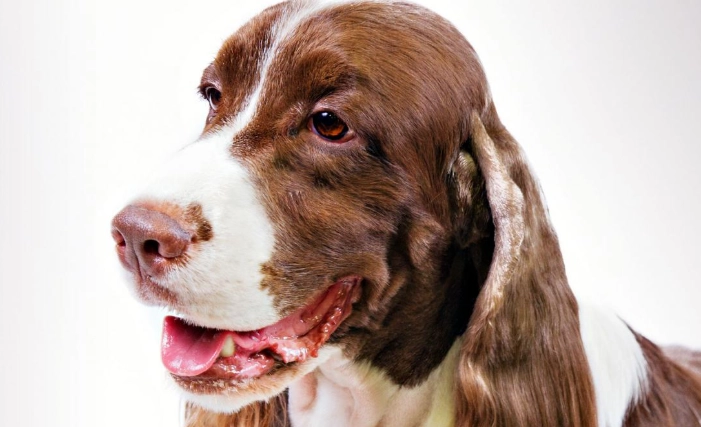
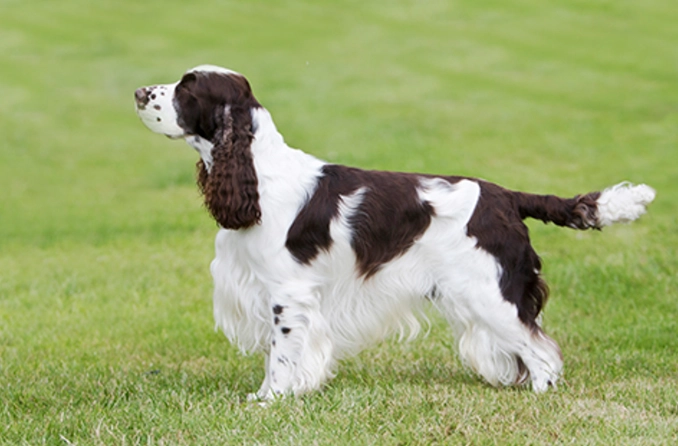
Let's be honest, you probably first noticed the English Springer Spaniel because of those soulful eyes and that perpetually happy, feathery tail. I get it. They're photogenic. But if you're thinking about sharing your life with one, you need to look beyond the adorable pictures. This isn't a decorative dog. This is a living, breathing bundle of history, energy, and affection that needs a specific kind of home to truly thrive. I've seen too many people fall for the look without understanding the lifestyle. A friend of mine did just that. She brought home a springer puppy, envisioning calm couch cuddles, only to be met with a whirlwind of energy that chewed through three remote controls and needed a five-mile run just to take the edge off. She made it work, but it was a steep learning curve. So, is the English Springer Spaniel the right dog for you? That's what we're going to unpack. Not with fluffy marketing language, but with the real, practical details you need to decide. Before we dive into the nitty-gritty of care, let's set the foundation. The English Springer Spaniel is a medium-sized sporting dog, distinct from its cousins the Welsh Springer and the Cocker Spaniel. The American Kennel Club places them firmly in the Sporting Group, and they're one of the oldest land spaniel breeds, with a history tracing back centuries. There's a key distinction within the breed that often causes confusion: bench (or show) lines and field (or working) lines. This isn't just a minor difference in looks; it can significantly impact their energy and drive. Most family pets come from bench lines, but it's crucial to ask your breeder about the lineage. A field-bred English Springer Spaniel in a sedentary apartment is a recipe for frustration for both dog and owner. The classic description is "merry," and it's spot-on. A well-socialized Springer has a tail that seems to wag their entire back half. They are famously affectionate, eager to please, and typically great with children and other dogs. Their people-pleasing nature makes them highly trainable. But here's the catch—their intelligence and energy need an outlet. A bored Springer is a destructive Springer. They aren't prone to aggression, but they can develop neurotic behaviors like obsessive shadow-chasing, endless barking, or digging if their minds and bodies aren't engaged. This isn't a flaw; it's a feature of a working dog brain. They are also known for a trait called "Springer Rage Syndrome," though it's important to address this with a heavy dose of context. This is a rare, idiopathic aggression condition that is not the same as normal puppy nipping or poor training. Reputable breeders actively screen for temperament issues, and the incidence is very low. The vast majority of aggression problems in Springers stem from lack of exercise, insufficient socialization, or fear—not a mysterious syndrome. The English Springer Spaniel Field Trial Association provides excellent resources on breed health and temperament. This is not an independent breed. They were bred to work closely with humans, and they crave that partnership. They want to be in the same room as you, preferably touching you. Separation anxiety can be a real issue if they are not taught from puppyhood that being alone is okay. Crate training is not just recommended; it's essential for creating a safe den and preventing anxiety-driven destruction when you're out. Let's talk money, because surprises here are no fun. The initial purchase price from a responsible breeder who does health testing can range from $1,500 to $3,000+. Why so much? Because ethical breeders aren't making a profit after they pay for things like OFA hip/elbow certifications, eye exams by a veterinary ophthalmologist, and DNA tests for known genetic conditions. Adoption is a wonderful option, and breed-specific rescues like Springer Rescue America often have wonderful dogs of all ages needing homes. Fees are typically much lower, around $300-$500. But the purchase price is just the start. Here's where the real budgeting begins: Over a decade, the lifetime cost can easily exceed $15,000. It's a long-term financial commitment. That beautiful coat is a magnet for everything in nature. Mud, burrs, twigs, you name it. Without regular care, it mats painfully close to the skin, especially behind the ears, under the legs, and around the rear. A good routine is your best friend: If you're not up for this level of grooming commitment, this is not the breed for you. A matted Springer is an uncomfortable, unhappy dog. This is where the breed truly shines. They are whip-smart and want to make you happy. But they are also sensitive souls. Harsh corrections or yelling will shut them down and break their trust. Positive reinforcement—treats, praise, play—is the only effective method. Start early. Socialization isn't just about meeting other dogs. It's about exposing your puppy positively to all sorts of people, sights, sounds, and surfaces before they are 16 weeks old. A well-socialized Springer is a confident, adaptable adult. Key training priorities: Many Springers excel in advanced activities like agility, nose work, flyball, and of course, field work. Giving them a "job" is the ultimate key to contentment. The average lifespan for an English Springer Spaniel is 12 to 14 years. Responsible breeding has made great strides, but like all purebreds, they have predispositions to certain conditions. Being informed is your first line of defense. Common health issues include: Your best resource for health information is the breed's parent club, the English Springer Spaniel Field Trial Association (ESSFTA). They maintain detailed health databases and research funding. Find a vet who is familiar with sporting breeds. Establish a good relationship and stick to a preventative care schedule. It's worth repeating: consider pet insurance while your dog is young and healthy. Let's tackle some of the specific questions I see pop up again and again in forums and searches. It's possible, but it's hard mode. They can adapt if—and this is a massive IF—you are committed to providing multiple long, vigorous walks/runs daily, plus dedicated mental stimulation. A small yard isn't enough; they need guided exercise. Without it, the pent-up energy in a small space will manifest as barking, chewing, and anxiety. A house with access to a secure yard is a far easier fit for this breed. More than you think. We're not talking about a stroll around the block. A young, healthy Springer needs 60 to 90 minutes of vigorous activity every single day. This is a combination of running (fetch, jogging alongside a bike, off-leash hiking), swimming, and structured play/training. A tired Springer is a good Springer. It's non-negotiable. Yes. They have a double coat that sheds moderately year-round and heavily during seasonal changes. Regular brushing will manage it and keep the hair off your furniture, but you will have Springer glitter on your clothes. If you're a neat freak, this will be a constant battle. Besides size (Springers are larger, 40-50 lbs vs. Cocker's 20-30 lbs), the biggest difference is often drive and energy. While Cockers are active, the English Springer Spaniel was bred for all-day stamina in the field. Springers typically have a higher, more relentless energy level and a stronger "off-switch" needs to be trained. Cockers can be a bit more prone to separation anxiety, while Springers are prone to boredom destruction. This is highly individual. Their bird-dog prey drive can be triggered by a fleeing cat. With slow, careful introductions and a puppy raised with a cat, it can work. But an adult Springer with a high prey drive meeting a new adult cat is a risky situation. Never assume it will be fine; manage introductions with gates and leashes. The English Springer Spaniel is not a generic "dog." They are a specific tool for a specific job, and that job, in a modern home, is being an active companion. They repay love and engagement tenfold with unwavering loyalty, joyful companionship, and endless entertainment. Ask yourself honestly: Do you have the time for daily, serious exercise, rain or shine? Are you willing to commit to a rigorous grooming schedule? Can you provide consistent, positive training and mental challenges? Is your lifestyle active enough to include a canine partner? If you answered yes, you might just have found your perfect match. You'll gain a shadow, a hiking buddy, a comedy act, and a heart full of merry devotion. If you hesitated, that's okay. It's better to know now. This breed's happiness, and yours, depends on that fit. There are many wonderful dogs out there. The goal is to find the one whose needs align with the life you can realistically provide. For the right person, the English Springer Spaniel isn't just a pet. They're a lifestyle—a wonderfully muddy, hairy, energetic, and profoundly rewarding one.Quick Guide to Springer Spaniels
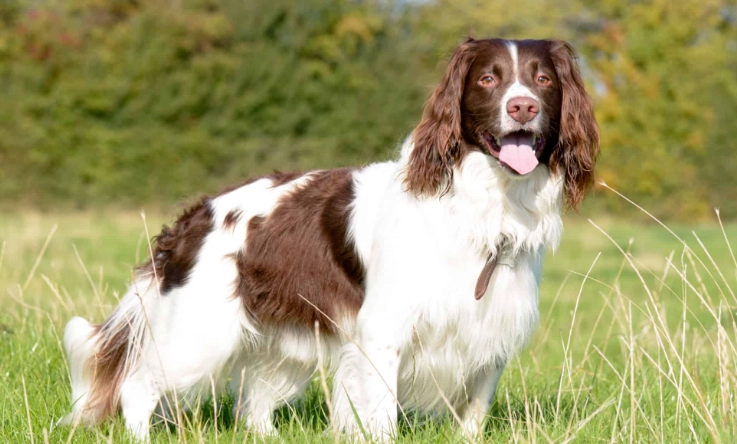
What Exactly Is an English Springer Spaniel? Breaking Down the Breed
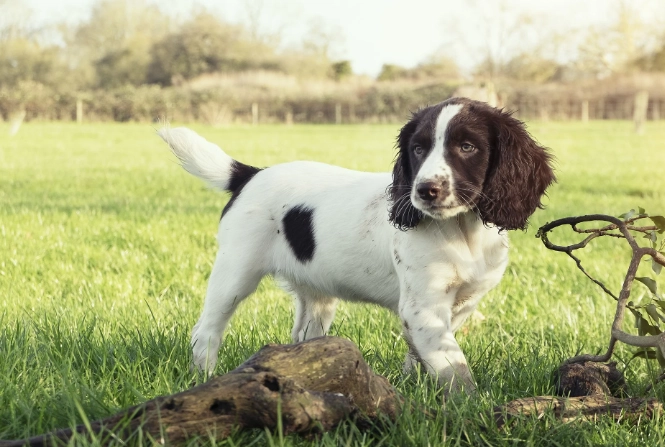
Aspect
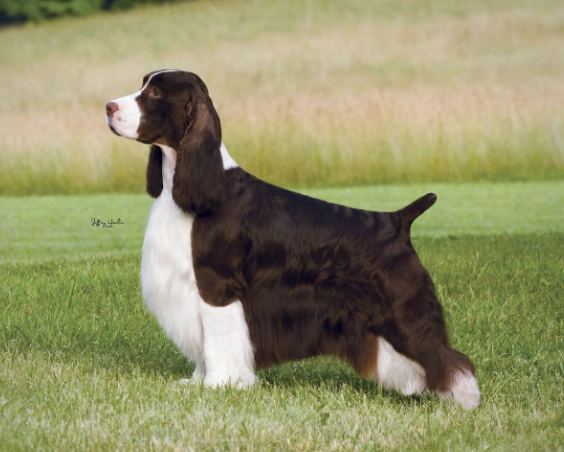
Bench/Show Springer Spaniel
Field/Working Springer Spaniel
Primary Purpose
Conformation dog shows
Hunting and field trials
Build
Heavier, more substantial bone, longer coat
Leaner, lighter, more athletic build
Coat
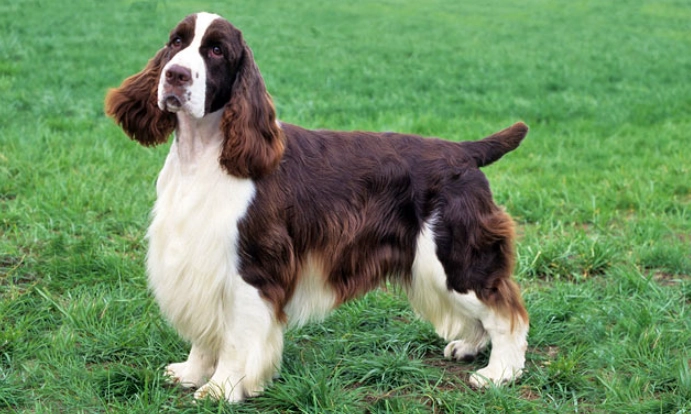
Profuse feathering on legs, ears, chest, and belly
Shorter, practical coat with less feathering
Energy Level
High, but often more manageable
Exceptionally high, needs a job
Typical Temperament
May be slightly more focused on people
Extremely bird-driven, intense focus in the field
The Springer Temperament: Joyful, Loyal, and... A Lot

Social Butterflies with Velcro Tendencies
The Real Cost of Owning an English Springer Spaniel
Grooming: It's Not Optional, It's a Lifestyle
Training Your English Springer Spaniel: Smart but Sensitive
Health and Lifespan: What to Watch For
Answering Your Biggest Springer Spaniel Questions
Are English Springer Spaniels good apartment dogs?
How much exercise does an English Springer Spaniel really need?
Do they shed a lot?
Springer Spaniel vs. Cocker Spaniel: What's the difference?
Are they good with cats?
Final Thoughts: Is This the Dog for You?
At its heart, the English Springer Spaniel is a versatile gundog, bred for stamina, intelligence, and a cooperative spirit. That "springing" action they're named for? It's how they flushed game birds from bushes for hunters. That instinct is still very much alive today.
I remember watching a friend's Springer try to "herd" bubbles in the backyard for a solid hour. It was hilarious, but also a perfect example of that laser-focused, energetic mind needing something—anything—to do.
Warning: Never shave an English Springer Spaniel. Their double coat insulates them from both heat and cold. Shaving it ruins the texture, can lead to improper regrowth, and eliminates their natural temperature regulation.
I've seen it work beautifully in homes where the cat holds its ground and the dog learns respect. I've also seen it fail where the cat runs and triggers the chase instinct. It's all about management and the individual animals' personalities.
Comment