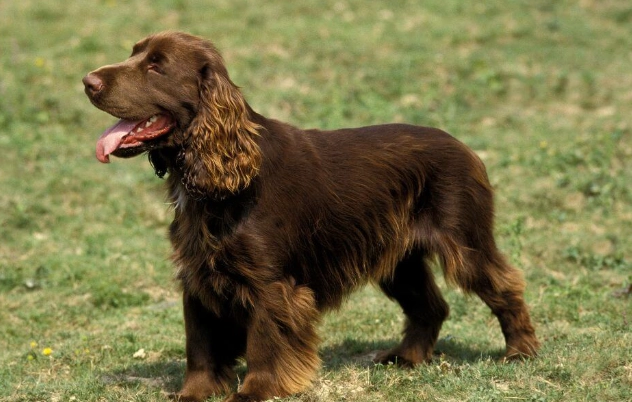
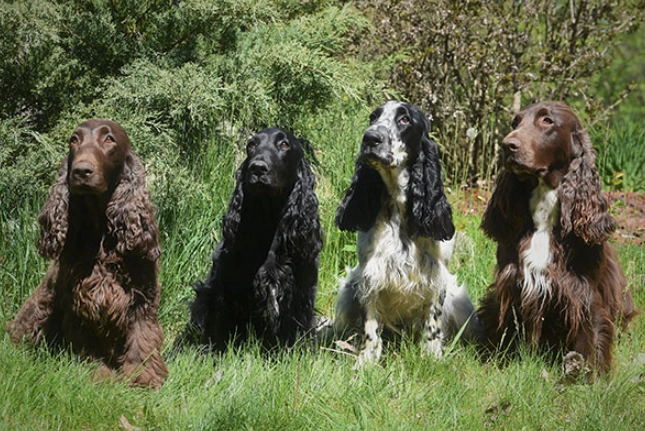
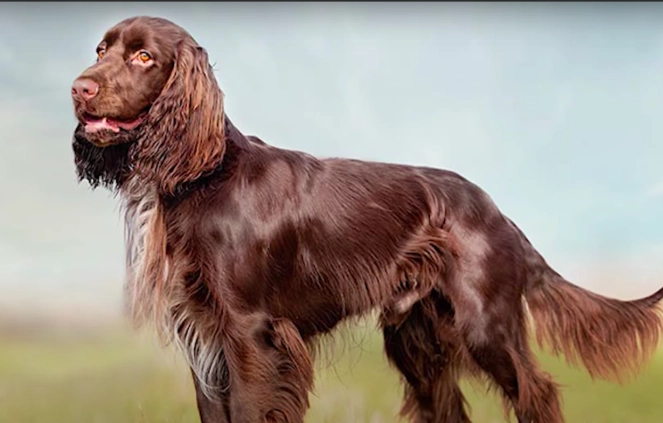
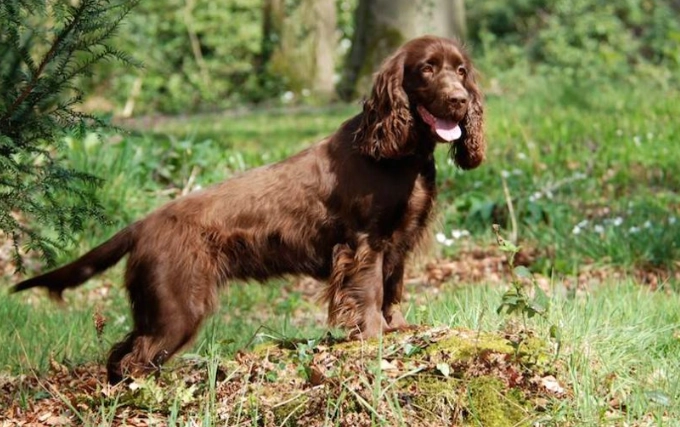
So you're thinking about getting a dog, and somewhere in your research, you stumbled upon the Field Spaniel. Maybe you saw a picture of one with those soulful eyes and silky ears, looking like a classic painting come to life. But what's it really like to live with one? I have to admit, before I dug deep, I had them lumped in with all the other spaniels. Boy, was I wrong. The Field Spaniel is its own unique creature. They're not as hyper as some Springers, not as ubiquitous as Cockers, and possess a calm dignity that can be downright surprising for a sporting breed. But that doesn't mean they're couch potatoes. Far from it. This guide is for anyone who's past the "oh, cute dog" phase and is seriously asking, "Could a Field Spaniel fit into my life?" We're going to get into the weeds—the good, the bad, the hairy, and the absolutely wonderful. Let's be clear upfront: The Field Spaniel is a rare breed. You won't see one at every dog park. That rarity comes with pros (a tight-knit, responsible community of breeders) and cons (potential waiting lists, higher cost). If you want a unique, off-the-beaten-path companion who will turn heads and steal hearts, you're in the right place. To understand the modern Field Spaniel, you have to know where they came from. And it's a rollercoaster. They were developed in 19th-century England, originally from the same stock as Cocker and Springer Spaniels. The early goal? Create a black spaniel. Breeders got a bit carried away, aiming for excessively long, low bodies. The result was a dog that looked distinctive but couldn't do its job—flushing game in the field—worth a darn. Their movement was hampered, and their popularity plummeted. By the mid-20th century, they were nearly gone. I mean, we're talking single-digit numbers in some registries. It was dedicated breeders who went back to the drawing board, carefully introducing other spaniel blood (likely English Springer Spaniel and maybe some Sussex) to restore athleticism and type. The breed we have today is a testament to that rescue mission. The modern Field Spaniel is a balanced, capable gundog and a superb family companion. The The Kennel Club (UK) and the American Kennel Club (AKC) both have detailed breed standards that reflect this healthier, more functional build. That history explains a lot. It's why Field Spaniel enthusiasts are so passionate and protective. It's also why the breed has retained its gentle, somewhat sensitive nature—surviving a genetic bottleneck can do that. Forget the stubby, exaggerated dogs of old paintings. Today's Field Spaniel is a medium-sized, well-balanced dog. They move with purpose and grace. But let's break it down, because looks are one thing; personality is everything. They stand about 17-18 inches at the shoulder and weigh 35-50 pounds. They're solid without being bulky. The hallmark is that gorgeous coat: a single coat (no woolly undercoat) that's flat or slightly wavy, dense, and water-resistant. It comes in colors that make you think of autumn forests: black, liver, golden liver, or roan (a mix of white and colored hairs). They have those classic spaniel features—long, feathery ears, a soft expression, and a tail that wags with sincere enthusiasm. Field Spaniel at a Glance: Think of a dog built for a long, purposeful walk through wet fields, followed by a quiet evening by the fire. They have the stamina for adventure but the "off-switch" for home life. This is the big one. If you get a Field Spaniel, you are getting a shadow. They form intense, devoted bonds with their people. They want to be with you. In the kitchen, in the yard, on the couch. This is not an aloof, independent breed. That devotion is their most endearing trait for the right person, and their biggest potential pitfall for the wrong one. Because that sensitivity and attachment can tip into separation anxiety if not handled carefully from puppyhood. We'll get into training later, but it's the number one behavioral thing to be aware of. They don't just miss you; they can worry. With their family, they are typically calm, affectionate, and gentle. They're famous for being good with sensible children—patient and tolerant. With strangers, they can be reserved, even aloof. They're not usually barkers or aggressive, but they might take their time to warm up. This makes them decent watchdogs (they'll let you know someone's there) but not guard dogs. And what about other pets? Generally excellent. Their low-key, non-confrontational nature means they often get along well with other dogs and, if raised with them, cats. That original hunting instinct is softer in many Fields compared to other spaniels, but it's still there. A squirrel in the yard will still get their full attention. Let's get practical. This isn't a breed for everyone. Based on talking to owners and breeders, here's what a good Field Spaniel home usually looks like. Who might want to think twice? If you travel constantly, crave a super-social party dog that loves every stranger instantly, or want a zero-maintenance coat, other breeds might suit you better. Okay, you're still interested. Let's talk about the day-to-day stuff—the nuts and bolts of Field Spaniel ownership. Field Spaniels are athletes at heart. A bored Field Spaniel is a potential problem (chewing, digging, anxiety). Their exercise needs are moderate but non-negotiable. They thrive on activities that engage their body and mind. Top activities they love: An hour of combined activity a day will usually keep a Field Spaniel content and calm indoors. That coat. It's stunning, but it doesn't stay that way by magic. Here's the real deal: Some owners opt for a "puppy cut" or field trim, especially in summer, which significantly reduces brushing time. It's a personal choice, but many purists love the natural feathering. They're not prone to being gluttons like some breeds, but they can gain weight if under-exercised. A high-quality commercial or well-researched homemade diet appropriate for a medium-sized, active breed is perfect. Portion control is key. Talk to your breeder and vet for specific recommendations. Training a Field Spaniel is a joy if you understand their currency: connection and kindness. They are highly intelligent and eager to please you, but they can be sensitive to tone and frustration. Biggest Training Mistake: Using harsh corrections or a loud voice. It doesn't make them obey faster; it makes them anxious and unsure, which can break trust and slow learning. Start early and focus on the big three: They shine in advanced training. The bond you build through positive reinforcement training is incredibly strong with this breed. Thanks to the dedicated work of responsible breeders, the Field Spaniel is generally a healthy, robust breed with a lifespan of 12-14 years. However, like all purebreds, they have some predispositions. A reputable breeder will test their breeding stock for these conditions. Here are the main health screenings you should ask a breeder about: Don't be shy about asking a breeder for proof of these health clearances for both parents. It's the single biggest sign of a responsible breeder who cares about the future of the Field Spaniel breed. Other minor issues can include ear infections (due to those floppy ears) and allergies, which sometimes manifest as itchy skin. This is where patience is a virtue. You can't just go online and find ten litters available next week. This is the most common path. Start with the national breed club. In the US, that's the Field Spaniel Society of America (FSSA). Their website has a breeder referral list. These breeders adhere to a code of ethics, health test their dogs, and are a fountain of knowledge. Expect to be interviewed. Good breeders will ask you as many questions as you ask them. They want to know about your lifestyle, experience, and why you want a Field Spaniel. They may have a waiting list. The price can range from $1,800 to $3,000+, depending on lineage and location. Avoid anyone who has multiple litters available at once, won't show you where the dogs live, or can't provide health clearances. These are red flags. Field Spaniels in rescue are uncommon, but they do appear. The FSSA also runs a rescue network. Adopting an adult dog can be wonderful—you skip the puppy phase and give a deserving dog a home. The breed's temperament generally means adults settle into new homes well. So, what's the final verdict? The Field Spaniel is not a breed for everyone. They require commitment in terms of grooming, training (especially alone-time training), and companionship. They are not a low-maintenance accessory. But for the right person or family—someone who values a deep, empathetic connection with their dog, enjoys moderate daily activity, and can provide a stable, loving home—the Field Spaniel is an unparalleled companion. They offer a unique blend of sporting dog spirit and family dog soul. They are gentle, loving, and yes, a little bit rare. If you're willing to put in the work, you get a loyal friend for life. If you're still interested, start by connecting with the breed club. Talk to owners, not just online, but if possible. Go to a dog show. See the dogs in person. Feel the energy. That's the best way to know for sure.Your Field Spaniel Journey
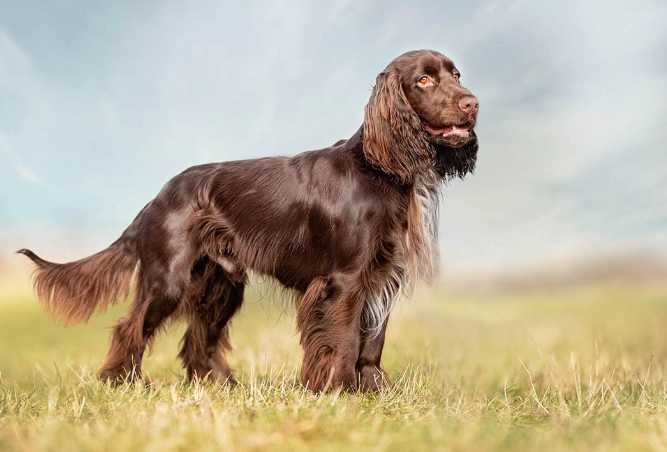
From the Brink of Extinction to Your Living Room: A Field Spaniel History Lesson
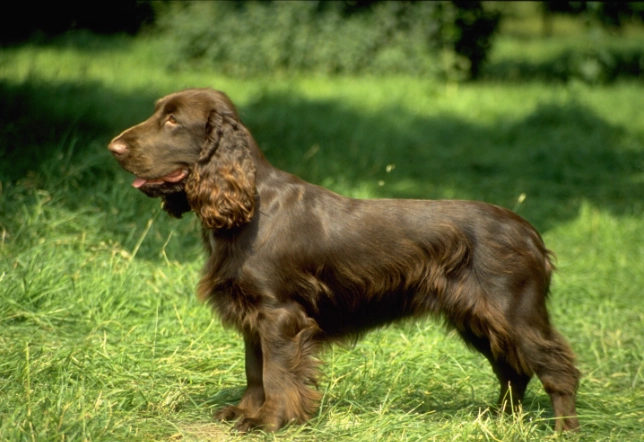
What Does a Field Spaniel Actually Look and Act Like?
The Physical Blueprint
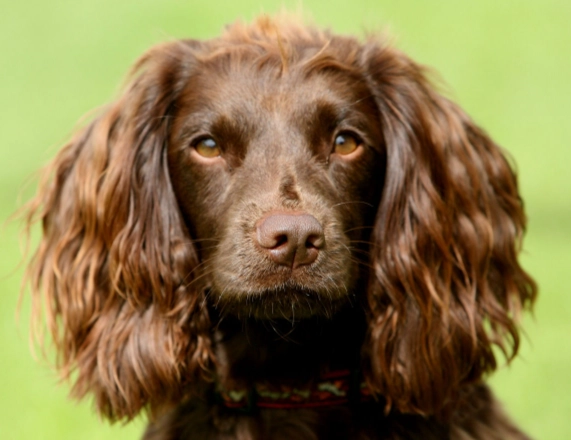
The Personality: "Velcro Dog" Isn't Just a Cute Label
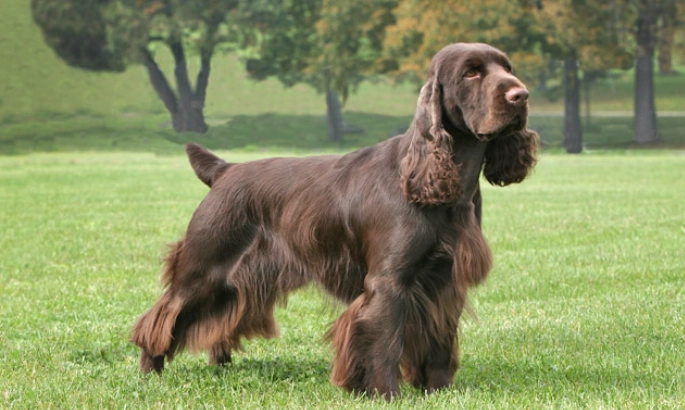
Is a Field Spaniel the Right Dog For You? The Honest Checklist.
Caring for Your Field Spaniel: The Daily Reality
Exercise Needs: More Than a Stroll, Less Than a Sprint
Grooming: It's a Commitment, Not a Nightmare
Feeding a Field Spaniel
Training Your Sensitive Soul: Patience & Positivity Pay Off
Field Spaniel Health: What to Know and Ask Your Breeder
Health Condition
Description
Recommended Screening (via OFA/PennHIP)
Hip Dysplasia
A malformation of the hip joint that can lead to arthritis and pain.
X-rays evaluated by the Orthopedic Foundation for Animals (OFA) or PennHIP. Good breeders will have scores of "Good" or "Excellent." You can search a dog's OFA results on their public website.
Elbow Dysplasia
Similar to hip dysplasia, but affecting the elbow joints.
OFA elbow evaluation.
Eye Conditions
Including progressive retinal atrophy (PRA) and cataracts.
Annual examination by a veterinary ophthalmologist with certification from the Canine Eye Registration Foundation (CERF).
Cardiac Issues
Certain heart murmurs and conditions.
Advanced cardiac exam and clearance by a veterinary cardiologist.
Thyroid Issues
Hypothyroidism (underactive thyroid).
Thyroid panel evaluated by OFA.
Finding a Field Spaniel Puppy or Rescue
Going Through a Reputable Breeder
Adoption and Rescue

Field Spaniel FAQs: Your Burning Questions, Answered
Conclusion: The Field Spaniel Verdict
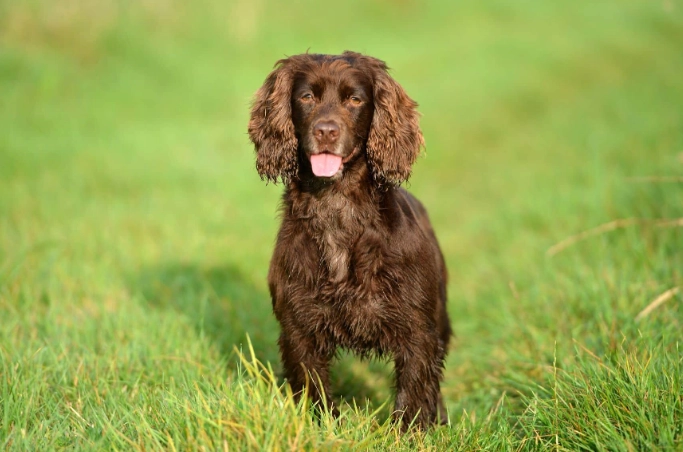
"Living with a Field Spaniel is like having a perpetually happy, slightly hairy, and deeply empathetic roommate. They sense your mood and just want to be part of whatever you're doing, whether it's gardening or grieving."
Q: Are Field Spaniels good apartment dogs?
A: Surprisingly, yes—if their exercise needs are met. They are calm and quiet indoors. A house with a yard is ideal, but an apartment with an active owner who provides daily walks and mental stimulation can work. That said, a yard is a nice bonus for quick potty breaks and play.
Q: How bad is the shedding?
A: They shed moderately. It's not like a Husky, but you will find hair on your clothes and furniture. Regular brushing helps manage it tremendously. They are not considered hypoallergenic.
Q: Are they easy to train for first-time dog owners?
A: They can be, but with a caveat. Their intelligence and eagerness to please make them quick learners. However, their sensitivity means a first-time owner must be committed to positive methods. If you're patient, consistent, and willing to learn alongside your dog, it can be a great match. A first-time owner who is easily frustrated might struggle.
Q: Field Spaniel vs. English Springer Spaniel: What's the difference?
A: Great question. Springers are more common, a bit higher energy, and often more immediately outgoing with strangers. Field Spaniels are generally calmer, more reserved with strangers, and more intensely bonded to their immediate family. Physically, Fields are often a bit longer than tall, with a single coat; Springers are more square and have a double coat.
Q: Do they bark a lot?
A: Not inherently. They are not yappy dogs. They will bark to alert you of something unusual (a strange noise, a delivery person), but they are not known for incessant barking for no reason. Proper training can manage alert barking.
Comment