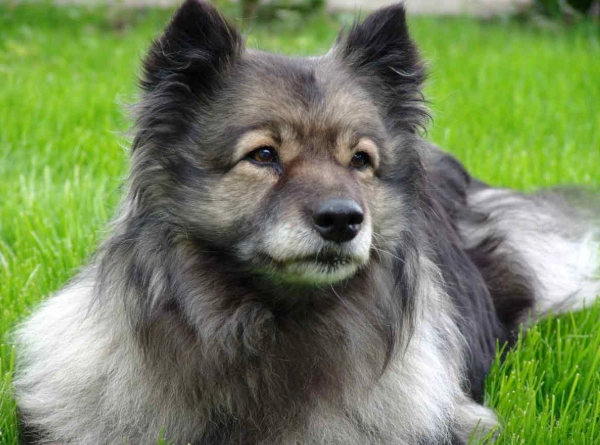
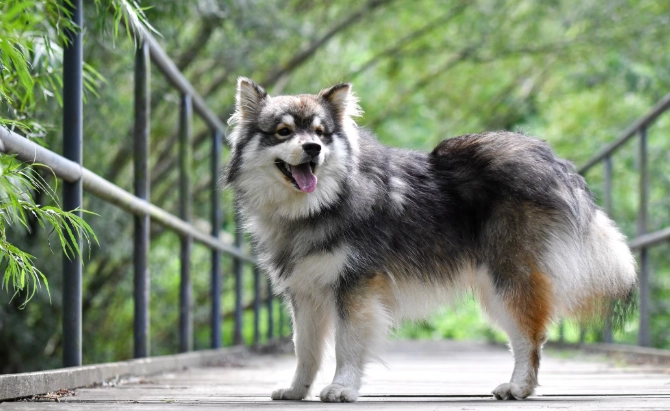
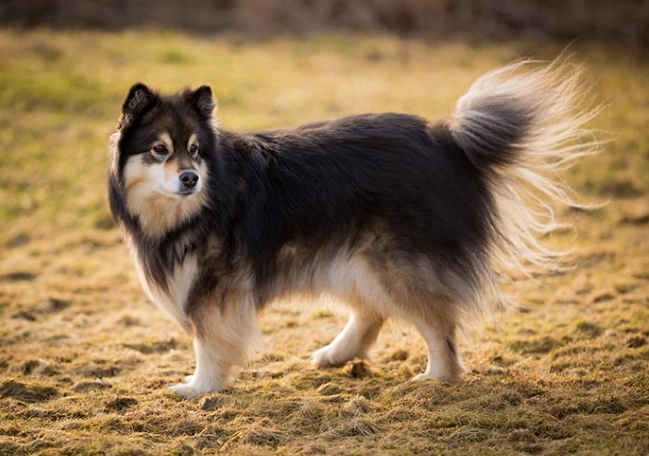
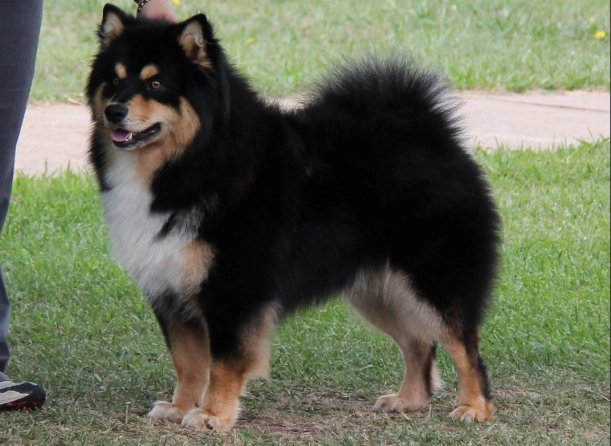
Let's be honest, you probably saw a picture. A fluffy, smiling dog with kind eyes and a coat that looks like it belongs in a fairytale. That's the Finnish Lapphund for you – an instant charmer. But before you get lost in dreams of epic snuggles and picturesque walks (both of which are very possible), there's a whole lot more to this breed than just a pretty face. I've talked to owners, breeders, and spent time with a few of these dogs myself, and the reality is a fascinating mix of ancient herding instincts and modern-day couch potato potential. They're not just a Nordic fluffball; they're a thinking, feeling, sometimes-stubborn companion with specific needs. The Finnish Lapphund, or "Lappie" as fans affectionately call them, has a history as rich as its double coat. Bred by the Sami people of Lapland to herd reindeer, these dogs needed to be tough, intelligent, and able to work independently in freezing conditions. That heritage didn't just vanish. It's baked into their DNA. So, while they've adapted wonderfully to family life, understanding where they come from is key to understanding the dog sharing your home. This isn't a breed created for show rings; it's a working dog that found a new job as a best friend. Temperament is where the Finnish Lapphund truly shines, and also where some first-time owners get a surprise. The breed standard describes them as "calm, courageous, and friendly." That's mostly accurate, but let's add some color to those words. "Friendly" is an understatement. A well-socialized Lappie is typically a social butterfly with people. They're known for their gentle, almost polite demeanor. They're not usually in-your-face jumpers; they prefer to lean against you or offer a paw. With their families, they form incredibly deep bonds. They're often described as "velcro dogs" – not in an anxious way, but in a quiet, content-to-be-near-you way. You'll rarely be alone in the bathroom again. But here's the thing about their intelligence. It's a problem-solving, independent kind of smart. They were bred to think for themselves while herding semi-wild reindeer across vast tundras. This means they learn commands quickly, but they also quickly assess whether obeying is worth their while. They have a strong sense of self. You can't just boss a Finnish Lapphund around. Training is more of a partnership, built on mutual respect and really good treats. If you're impatient or heavy-handed, you'll lose their cooperation fast. Positive reinforcement isn't just a nice idea with this breed; it's the only method that works consistently. With other dogs and pets, they're generally good-natured. That herding background can sometimes manifest as a desire to chase or circle smaller animals (including small dogs or cats), but with proper introduction and training, they usually coexist peacefully. Their typical reaction to a stranger at the door is more likely to be a resonant "WOOF" to alert you, followed by enthusiastic tail wags once you signal the person is friendly. They're watchful, not aggressive. No dog is perfect, and it's only fair to talk about the challenges. First, the vocalizations. Finnish Lapphunds are communicative. They don't always bark incessantly, but they talk. You'll hear whines, grumbles, "arooos," and a whole range of other sounds to express boredom, excitement, or the fact that dinner is five minutes late. If you need absolute silence, this might not be your breed. Then there's the potential for stubbornness. That independent streak means they can be willful. Coming when called is fine if there's nothing more interesting happening. If a squirrel is involved, you might be waiting. Reliable recall requires dedicated, ongoing training. And finally, some can be prone to shyness or nervousness if not properly socialized as puppies. Exposing a young Finnish Lapphund to a wide variety of people, places, sounds, and experiences is non-negotiable. It builds the confident, stable adult dog the breed is known for. Pros: Cons: This is the big one. The gorgeous coat is a main attraction, but it's a commitment. Let's break down what you're really signing up for. The Finnish Lapphund has a classic double coat: a soft, dense undercoat for insulation, and a longer, harsher outer coat that repels water and dirt. It's designed to keep them warm in -30°C and relatively clean. The good news? They are naturally clean dogs and often don't have a strong "doggy" odor. The bad news? The undercoat sheds. A lot. For most of the year, you'll deal with a moderate amount of loose hair. But twice a year, typically in spring and fall, they "blow" their undercoat. This is a several-week process where huge amounts of soft, fluffy hair come out in clumps. Your house will look like it's snowing indoors. During this time, daily brushing is a must to pull out the dead undercoat and prevent it from matting with the live outer coat. Here’s a basic grooming toolkit and routine: Never shave a Finnish Lapphund. You'll ruin the insulating and protective qualities of their coat, and it may not grow back properly. For summer, focus on thorough brushing to remove the dead undercoat, which is what keeps them cool. A clean, well-brushed coat is their natural air conditioning. Finnish Lapphunds are generally healthy, hardy dogs. Responsible breeders screen for known issues, which is why finding a good breeder is crucial. The Finnish Lapphund Club of America provides excellent resources on health testing. You can look for breeders who follow their guidelines on the club's website. While no breed is immune, here are conditions to be aware of: The key takeaway? A well-bred Finnish Lapphund from health-tested parents has an excellent chance of a long, healthy life. Always ask to see health clearances for both parent dogs. This is a moderate-energy breed. They're not border collies who need to run for hours, but they're not couch potatoes either (though many have mastered the art). A good daily routine might include: Without enough to do, a Finnish Lapphund will find their own entertainment. And you might not like their choices (chewed shoes, digging, excessive barking). People often confuse them with other fluffy, smiling breeds. Here’s the quick and dirty breakdown. Finnish Lapphund vs. Samoyed: This is the most common comparison. Both are Spitz-type, friendly, and shed a ton. Samoyeds are typically larger, whiter, and have a more intense, constant smile. Their coat is often fluffier and requires similarly intense grooming. Temperament-wise, Sammies can be even more sociable and vocal, sometimes to the point of being clownish. Lappies are often described as slightly more reserved, calm, and "deep" in their personality. The UK Kennel Club's Finnish Lapphund breed standard emphasizes their calm courage, which is a good differentiator. Finnish Lapphund vs. Icelandic Sheepdog: Very similar in size and original job (herding). Icelandic Sheepdogs can be slightly more energetic and barky. Their coats come in different colors but are also double and shed heavily. They share that friendly, family-oriented vibe. Finnish Lapphund vs. Norwegian Buhund: The Buhund is another Nordic herder, often a bit more energetic and driven than the Lappie. Their coat is shorter and may be slightly easier to maintain, but they still shed. This is not a breed you find in a pet store. They are still relatively uncommon, which is a good thing—it means most are bred by dedicated enthusiasts, not puppy mills. A good breeder is your partner. They will: Expect to be on a waiting list. Good breeders don't always have puppies available. The Finnish Lapphund Club of America's breeder referral is the best place to start in the US. In other countries, seek out the national kennel club's recognized breed club. While less common, Finnish Lapphunds do sometimes end up in need of new homes through no fault of their own. Breed-specific rescues are often the best avenue. The Finnish Lapphund Club of America also runs a rescue network. Adopting an adult dog can be incredibly rewarding—you often skip the puppy chaos and get a dog whose personality is already developed. Choosing a dog is a massive decision, one that lasts a decade or more. The Finnish Lapphund isn't for everyone, but for the right person or family, they are an absolutely magical companion. If you view dog hair as a condiment, if you enjoy a dog with a mind of its own, if you want a loyal shadow that's up for an adventure but just as content with a movie marathon, then this breed might just be your perfect match. They offer a unique blend of ancient resilience and modern companionship. Do your homework. Talk to multiple owners. Meet the breed in person if you can. The investment in finding a responsible source—whether breeder or rescue—is the single most important thing you can do. It sets the stage for a healthy, happy life together. Bringing a Finnish Lapphund into your life means committing to regular grooming, consistent and kind training, and plenty of quality time. In return, you get a loyal, loving, and endlessly interesting friend whose fluffy presence will make your house a home. Just buy a good vacuum cleaner first. Trust me on that.Quick Navigation
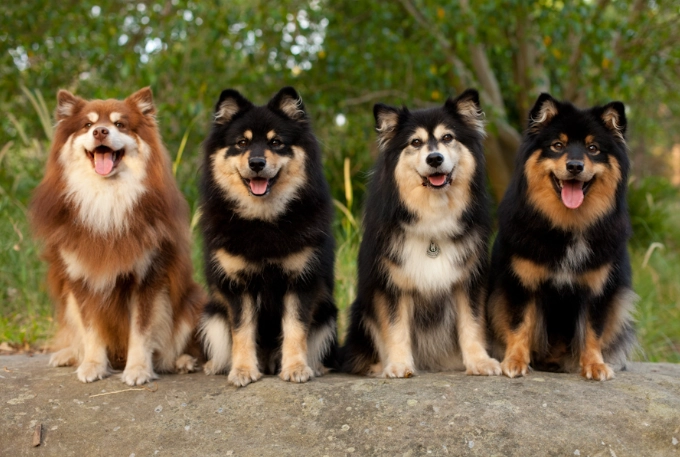
What's It Really Like to Live With a Finnish Lapphund?
That Famous Lapphund Personality
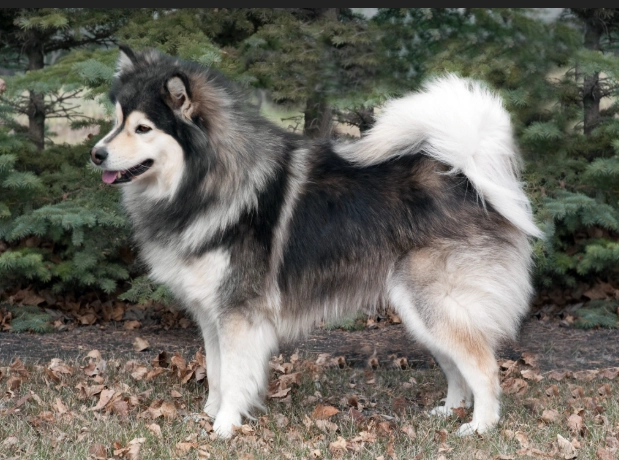
The Not-So-Glamorous Bits (Let's Be Real)
Finnish Lapphund: Quick Pros and Cons
The Fluff: Grooming a Finnish Lapphund
Tool
Purpose
Frequency
Undercoat Rake
To reach deep and pull out the loose undercoat, especially during shedding season.
Weekly (Daily during coat blow)
Slicker Brush
To smooth the outer coat and remove surface tangles and debris.
2-3 times per week
Metal Comb
The final check. Run it through the coat, especially behind ears, under legs, and around the ruff, to find any hidden mats.
Every brushing session
Dog Shampoo & Conditioner
Use a quality product for double-coated breeds. Avoid over-bathing, which can strip natural oils.
Every 6-8 weeks, or when dirty
Nail Clippers & File
Keep nails short to avoid discomfort and posture issues.
Every 2-3 weeks
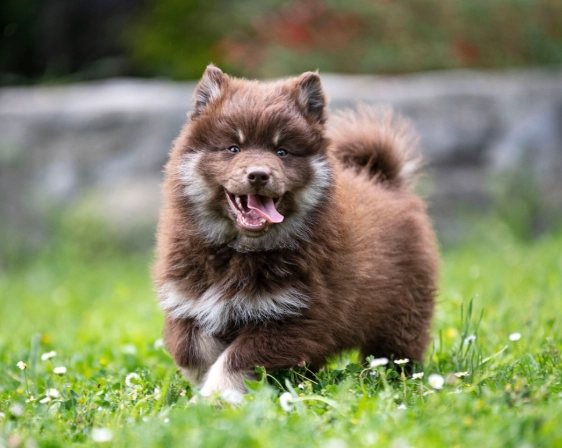 Think you can handle the grooming? Good. Because that coat is part of their soul.
Keeping Your Lappie Happy and Healthy
Common Health Considerations

Exercise and Mental Needs
Finnish Lapphund vs. The Look-Alikes
Finding a Finnish Lapphund Puppy or Rescue
Working with a Reputable Breeder
Considering Rescue
Your Finnish Lapphund Questions, Answered
Final Thoughts: Is the Finnish Lapphund Your Dog?
Bottom Line Up Front: If you want a low-energy, wash-and-wear dog that blindly obeys every command, a Finnish Lapphund might make you pull your hair out. But if you're looking for a fiercely loyal, intelligent, and affectionate family member who's up for an adventure but equally happy with a lazy Sunday, you're on the right track. Just be ready for the fur. Oh, the fur.
Q: Are Finnish Lapphunds good apartment dogs?
A: Surprisingly, yes, they can be. Size-wise, they fit. The key is meeting their exercise and mental needs. A well-exercised Lappie is a calm Lappie. They are generally quiet indoors if their needs are met. The bigger issue in an apartment might be managing the shedding with shared ventilation systems.
Q: How are they with young children?
A: They are famously excellent. Their herding background gives them a natural patience and awareness of smaller, moving creatures (like toddlers). They are typically gentle and tolerant. Of course, all interactions between dogs and young children should be supervised, and the dog should have a place to retreat to if needed.
Q: Do they bark a lot?
A: They are alert barkers. They'll let you know if someone's at the door or something is amiss. They are not typically nuisance barkers at every leaf that blows by, but they can develop the habit if bored or under-exercised. Their "talkative" nature is more grumbling and vocalizing than constant barking.
Q: Can they be left alone during the workday?
A: An adult Finnish Lapphund, properly trained and exercised, can typically handle a standard 8-hour workday. Puppies cannot. They are social dogs, so leaving them with a puzzle toy or arranging a dog walker midday is ideal. They do best when left alone in a secure, dog-proofed area (like a crate or pen) to prevent anxiety-related mischief.
Q: Are they easy to train?
A: Define "easy." They are quick to learn. They pick up on commands and routines fast. But they are not always eager to obey if they see no point. Training needs to be fun, varied, and rewarding. They get bored with endless repetition. Think of it as coaching a clever, slightly cheeky student rather than programming a robot.
Comment