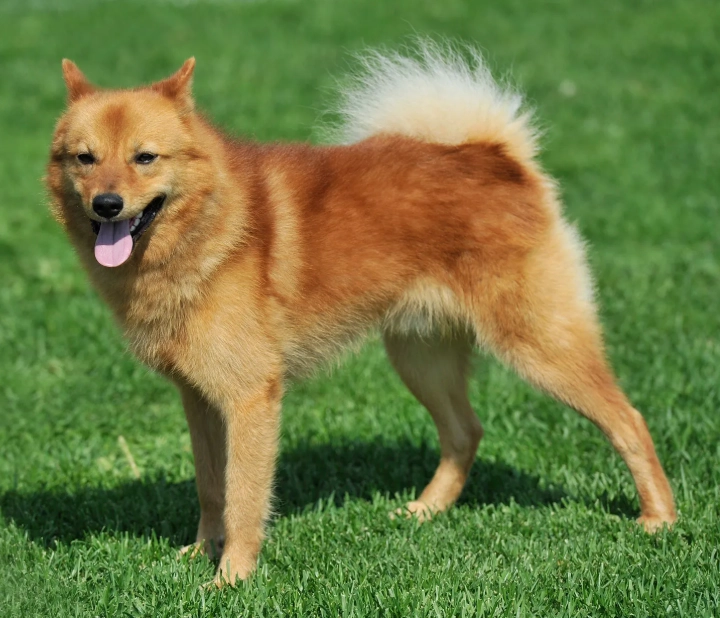
So you've seen a picture of a Finnish Spitz. That fiery red coat, those pointed ears, that curly tail and that smile that looks like it knows a secret. It's hard not to be charmed. You start digging a little deeper, maybe you even met one at a park, and now you're wondering: could this be my next dog? The story of the Finnish Spitz is woven into the history of Finland itself. For hundreds of years, these dogs were the indispensable partners of hunters in the dense boreal forests. Their job was specific: find game birds, like capercaillie and grouse, track them, and then bark incessantly to hold the bird's attention and signal the hunter to the exact location. This unique style of hunting gave them their Finnish nickname, "Suomenpystykorva," and their English one, the "Barking Bird Dog." The breed almost vanished in the late 1800s as other hunting dogs became more popular. Thankfully, a few dedicated Finnish sportsmen made it their mission to find the best remaining specimens in remote villages and revive the breed. Their success means we get to enjoy the Finnish Spitz today. The breed was officially recognized in Finland in 1892 and by the American Kennel Club in 1991. You can read more about their fascinating journey to recognition on the official American Kennel Club's Finnish Spitz page, which has a great breed history section. This is the million-dollar question. Let's break it down with a brutally honest look at their personality and needs. Imagine a dog that is deeply devoted to its family but maintains a certain dignified independence. They're affectionate, often following you from room to room, but they're not typically "velcro dogs" that need to be on your lap every second. They're playful and clownish, especially as puppies and young adults. Many owners talk about their almost cat-like cleanliness and their thoughtful, observant nature. But here's the thing—they are smart. Not just "learn-a-trick-fast" smart, but problem-solving, "what's-in-it-for-me" smart. This intelligence, paired with their history as independent hunters, means they can be willful. Obedience isn't always their top priority if they find something more interesting (like a scent or a small animal). With their family, they are usually loving and gentle. With strangers, they are often reserved and aloof, making them excellent watchdogs. They'll let you know if anyone is approaching the house, that's for sure. Early and ongoing socialization is absolutely non-negotiable to ensure this wariness doesn't tip over into shyness or fearfulness. A Finnish Spitz can adapt to various living situations if their needs are met, but they are not couch potatoes. That fluffy, fox-like puppy is irresistible. But be prepared. Finnish Spitz puppies are bundles of energy and curiosity. They are clever and can learn house rules quickly, but they also get distracted easily. Crate training is highly recommended for housebreaking and keeping them safe when unsupervised. Socialization must begin the moment you bring them home—expose them gently to different people, surfaces, sounds, and other vaccinated dogs. The Finnish Spitz Club of America is a fantastic resource for finding reputable breeders who prioritize health and temperament, and they often have great advice for new owners. Puppyhood is also when you start managing the barking. Instead of yelling "quiet," which they might interpret as you joining in, redirect them to a toy or a simple command and reward the silence. It's a long game, but it sets the foundation. Good news! Their grooming is relatively straightforward. That beautiful double coat is designed to shed dirt and water. Honestly, the grooming is the easy part. Training a Finnish Spitz is an exercise in patience, humor, and consistency. They respond terribly to harsh or repetitive methods. Positive reinforcement—using treats, praise, and play—is the only way to go. Keep training sessions short, fun, and varied. They get bored with drills. Focus on the essentials first: recall (come), loose-leash walking, and a solid "leave it." Recall is particularly challenging due to their prey drive and independence. Never trust them off-leash in an unsecured area, no matter how well-trained they seem. Their intelligence means they can excel in dog sports like agility, rally, and barn hunt, which are fantastic outlets for their energy and brainpower. Overall, the Finnish Spitz is a healthy, hardy breed with a long lifespan (often 13-15 years). However, like all purebred dogs, they are prone to certain genetic conditions. A responsible breeder will test their breeding stock for these issues. Always ask a breeder for proof of health clearances for both parents. It's not rude; it's responsible. The Finnish Spitz Club of America has a code of ethics that mandates these tests, which is why finding a breeder through them is so important. Let's summarize the biggest pros and cons in a way that relates to your daily life. Here are some of the most common things people search for when looking into this breed. Generally, yes. They are typically good-natured and playful with children they are raised with. However, they are not overly tolerant of rough handling. As with any dog, interactions between dogs and young children should always be supervised. Teach kids how to approach and pet the dog respectfully. They usually do fine with other dogs, especially if socialized from puppyhood. Some can have same-sex dog aggression, particularly males with other males. Their high prey drive means small pets like cats, rabbits, or birds are at serious risk unless they are raised together from a very young age, and even then, caution is needed. From a reputable, health-testing breeder, expect to pay between $1,500 and $2,500. The price reflects the health testing, care, and socialization the breeder invests. Please avoid puppy mills or backyard breeders who skip health tests. It will cost you more in vet bills and heartache in the long run. They can, for reasonable periods (a typical workday), if they are properly exercised and mentally stimulated beforehand. However, they are social dogs and can develop separation anxiety or become nuisance barkers if left alone too much or without proper preparation. Crate training and leaving them with engaging toys (like a stuffed Kong) is key. For more on managing separation anxiety in vocal breeds, the ASPCA's guide on separation anxiety has excellent, science-backed tips. I wouldn't use the word "easy." They are intelligent and learn quickly, but they are not always eager to please in the way a retriever is. Training requires motivation (usually food), patience, and creativity. They get bored easily. They excel when they think something is their idea. See what I mean? It's a different kind of training. Owning a Finnish Spitz is a commitment to a specific kind of partnership. It's for someone who appreciates a dog with a mind of its own, who doesn't mind a bit of chatter (okay, a lot of chatter), and who has an active lifestyle. They are not a low-maintenance accessory dog. If you're looking for a quiet, impeccably obedient dog that will fetch your slippers without question, look elsewhere. But if you want a fiercely loyal, strikingly beautiful, and endlessly entertaining companion who will keep you on your toes and make you laugh every single day, and you have the right environment for their vocal nature, then a Finnish Spitz might just be your perfect match. Do your homework. Talk to multiple breeders. Meet the dogs in person if you can. Listen to them bark. Really listen. If you can imagine that sound as part of your life's soundtrack, then you might be ready for one of the most rewarding and unique canine friendships out there. Good luck!Quick Guide
Where Did This Foxy Dog Come From? A Bit of History
Is a Finnish Spitz the Right Dog for You? The Unvarnished Truth
The Finnish Spitz Temperament: Sunbeams and Stubbornness
Living Requirements: Space, Exercise, and Mental Gymnastics
Bringing Home a Finnish Spitz Puppy: What to Really Expect
Keeping That Red Coat Gorgeous: Grooming a Finnish Spitz
Training Your Finnish Spitz: Patience is Not Just a Virtue, It's a Requirement
Finnish Spitz Health: What You Need to Watch For
Health Concern
Description
What Responsible Breeders Do
Patellar Luxation
A kneecap that slips out of place. Can range from mild to severe, potentially requiring surgery.
Have dogs evaluated by a veterinarian and only breed those with normal knees.
Hip Dysplasia
A malformation of the hip joint that can lead to arthritis.
Submit hip X-rays to the Orthopedic Foundation for Animals (OFA) or PennHIP for scoring.
Epilepsy
A neurological disorder causing seizures. Can be idiopathic (no known cause) or genetic.
Carefully track the incidence in their bloodlines and avoid breeding affected dogs.
Eye Conditions
Can include progressive retinal atrophy (PRA) and cataracts.
Have dogs' eyes certified annually by a veterinary ophthalmologist through organizations like the Canine Eye Registration Foundation (CERF).
Finnish Spitz vs. Your Life: A Quick Reality Check
Answers to Questions You're Probably Asking (FAQ)
Final Thoughts: Is This the Dog for You?
It's worth noting that this history explains so much about their behavior today. That independence? They had to work away from the hunter. That sharp bark? Their primary tool. That alertness? Essential for survival. When you look at a Finnish Spitz, you're not just looking at a pet; you're looking at a living piece of working history.
The Barking. We have to talk about it separately because it's the number one reason Finnish Spitz dogs are rehomed. They bark. A lot. It's a distinctive, piercing, repetitive bark. They bark at squirrels, at birds, at the doorbell, at a leaf blowing by, and sometimes just because they feel like it. If you live in an apartment, have close neighbors, or simply crave peace and quiet, a Finnish Spitz is likely a terrible choice. This is not a behavior you can train out of them; it's how they communicate. You can manage it, redirect it, but you cannot eliminate it.
Pro Tip: Get your puppy used to grooming early. Handle their paws, look in their ears, and brush them regularly, even if they don't need it. Making it a positive, routine experience will save you both stress for years to come.
The Good Stuff: They are stunningly beautiful and unique. They are generally healthy and long-lived. They are loyal and form deep bonds with their families. They are clean and often relatively low-odor. Their size is manageable for most homes. They are hilarious and have huge personalities.
The Challenges: The barking is a major lifestyle consideration. They have a strong, often uncontrollable prey drive. They can be stubborn and independent-minded, making training a test of will. They shed—a lot—especially twice a year. They need dedicated, active owners who provide both physical and mental exercise.
Are Finnish Spitz good with kids?
Are Finnish Spitz good with other dogs?
How much does a Finnish Spitz puppy cost?
Can a Finnish Spitz be left alone?
Is a Finnish Spitz easy to train?
Comment