So you've seen pictures. That gorgeous, glossy black (or sometimes liver) coat. That "smiling" expression that seems to radiate pure, unadulterated joy. The Flat-Coated Retriever looks, on the surface, like the perfect family dog. And in many ways, they can be. But let's get one thing straight from the start – calling a Flat-Coated Retriever just a "family dog" is like calling a tornado just a bit of wind. It undersells the sheer, wonderful, exhausting, hilarious, and sometimes maddening reality of life with this breed. I've been around dogs my whole life, and my friend's Flat-Coat, Barley, was the one who truly taught me what "eternal puppy" means. He was eight years old, a dignified age for many dogs, and he still bounced like a pogo stick when you came home, still tried to fit his entire 70-pound body onto your lap, and still looked at the world with the wide-eyed wonder of a six-month-old. It's enchanting. It's also a lot. This guide isn't about selling you on the breed or scaring you away. It's about giving you the real, unfiltered picture of what it means to bring a Flat-Coated Retriever into your life. The Flat-Coated Retriever is often nicknamed the "Peter Pan" of dogs, and for good reason. They mature slowly, retaining their playful, puppyish demeanor well into their senior years. This isn't just a cute trait – it's the core of their personality and the key to understanding their needs. To understand the modern Flat-Coated Retriever, you have to go back to 19th-century Britain. Gamekeepers needed a versatile gundog – a dog that could mark, retrieve, and work on both land and water with equal enthusiasm. They weren't creating a specialist, but an all-rounder. The breed's foundation likely included the now-extinct St. John's water dog (shared ancestor of all retrievers), setters, sheepdogs, and possibly even some spaniel blood for that keen nose and soft mouth. The result was the "Wavy-Coated" or "Flat-Coated" Retriever, which became the premier retriever of the late 1800s. They were prized for their work ethic, intelligence, and that trademark cheerful disposition. The American Kennel Club first recognized the breed way back in 1915. But here's the twist that almost did them in: the rise of the Labrador and Golden Retrievers in the 20th century. These breeds were seen as more consistently trainable for the field and easier-going in the home. The Flat-Coat's numbers plummeted, and they became a relatively rare sight. That near-extinction event actually shaped the breed you see today. Dedicated breeders focused on preserving the original type and temperament, prioritizing health and character over extreme specialization. Today, organizations like the American Kennel Club (AKC) and the UK Kennel Club maintain the breed standard, which still describes a dog built for a hard day's work. The modern Flat-Coated Retriever is a living piece of sporting dog history, a fact that explains a lot about their physical and mental makeup. Let's break down the physical and, more importantly, the personality specs. This is where the rubber meets the road. The Flat-Coated Retriever is elegance in motion. They're athletic and balanced, built for endurance rather than raw power. Males typically stand 23-24.5 inches at the shoulder, females a bit smaller at 22-23.5 inches, and they weigh anywhere from 60 to 80 pounds. The hallmark is the coat: dense, straight, and of medium length with a good gloss. It lies flat, hence the name. Feathering appears on the legs, tail, chest, and underbody. Colors are solid black or solid liver. That coat is more than just pretty – it's a functional, water-resistant layer designed to protect them from brambles and cold water. Their expression is everything. Dark, almond-shaped eyes that are intelligent and kind. Ears that hang close to the head. And that mouth – it often seems to be curled into a gentle, friendly smile. It's an expression that disarms you completely. If you read the official breed descriptions, words like "optimistic," "friendly," and "outgoing" are everywhere. And they're true. The Flat-Coated Retriever temperament is famously sweet-natured. They are typically excellent with children, other dogs, and even strangers – they often lack the guard dog instinct entirely. A burglar would probably be greeted with a wagging tail and a offered slipper. I remember Barley meeting my toddler niece for the first time. He lowered himself to the ground and inched toward her, tail doing a slow, careful wag. When she grabbed a handful of his ear, he just licked her face. It was a perfect moment. But five minutes later, he'd stolen her stuffed bunny and was doing victory laps around the yard with it. That's the duality. But here are the traits first-time owners often underestimate: The Energy Level: This is not a casual stroll-around-the-block breed. A Flat-Coated Retriever needs vigorous, meaningful exercise every single day. Think long runs, hikes, swims, or extended fetch sessions. A bored Flat-Coat is a destructive Flat-Coat. They will find their own entertainment, and you won't like their choices (goodbye, couch cushions). The Intelligence and Independence: They are smart, but not always in a "eager-to-please, sit-on-command" way. They're problem-solvers. They can be willful. Training requires patience, consistency, and a hefty dose of creativity. Positive reinforcement is non-negotiable; harsh methods will break their spirit. They get bored with repetition easily. The Mouthiness: As retrievers, they are orally fixated. They carry things. They chew things. Puppies will mouth your hands constantly. Adults might still gently carry your wrist. Providing a constant rotation of sturdy, approved chew toys is critical for saving your belongings. The Social Need: These are pack animals. Leaving a Flat-Coated Retriever alone for 8-10 hours a day is a recipe for severe separation anxiety and misery (for both of you). They thrive on being part of the family action. That wonderful, trusting nature comes with a flip side: they are not natural watchdogs. If you want a dog to protect your property, look elsewhere. A Flat-Coat is more likely to show a robber where the treats are kept. Owning a Flat-Coated Retriever is a commitment. Let's talk about what that commitment looks like in practical terms. That beautiful coat is surprisingly manageable. It's designed to shed dirt and water. A good brushing 2-3 times a week with a slicker brush and an undercoat rake (especially during the heavier spring and fall sheds) will keep loose hair under control and prevent mats in the feathering. They don't need frequent baths – only when they get into something particularly foul. Key grooming points: This is the most important part of Flat-Coated Retriever care. An under-exercised dog will be unhappy and develop behavioral issues. Daily Minimum: At least 60-90 minutes of active exercise. This should be more than a walk. They need to run, swim, or play hard. Mental Workouts: Just as important as physical. Food puzzle toys, scent work games (hiding treats), training sessions for new tricks, and dog sports are perfect. They excel in activities like agility, flyball, dock diving, and of course, field trials. The Flat-Coated Retriever Society of America (FCRSA) is a great resource for getting involved in breed-specific activities. A tired Flat-Coat is a good Flat-Coat. It's the golden rule. High-quality, high-protein dog food is essential for this active breed. Portion control is key to prevent obesity, which can exacerbate joint problems. Be wary of rapid growth in puppies – feeding a large-breed puppy formula that controls growth can help support proper skeletal development. Always discuss your dog's specific dietary needs with your veterinarian. This is the serious part. Flat-Coated Retrievers are generally healthy, but like all purebreds, they have predispositions to certain conditions. Responsible breeding is paramount. Their most significant health concern is a high incidence of cancer, particularly histiocytic sarcoma and hemangiosarcoma. This is the breed's greatest trag Other conditions to be aware of include: Building a relationship with a good veterinarian and maintaining a schedule of regular check-ups is the best thing you can do for your dog's health. Training a Flat-Coat is an exercise in joyful frustration. They are capable of learning anything, but they ask "why?" a lot. They have a short attention span for boring drills. Start Early: Puppy socialization and basic obedience classes are not optional. Expose them to all sorts of people, places, sounds, and other animals in a positive way. Keep it Positive: Use treats, praise, toys, and play. They are sensitive souls and do not respond to scolding or force. Make it a Game: Turn "come" into the best game of chase where you're the prize. Turn "leave it" into a puzzle where they get a better reward for ignoring the thing on the ground. Be Consistent: If the couch is off-limits, it's off-limits every single time, from every person in the house. Channel the Instincts: Teach a solid "retrieve" and "drop it" command early. It satisfies their natural drive and gives you control over what's in their mouth. Remember, maturity comes slowly. Don't expect the calm focus of a Labrador at two years old. A Flat-Coated Retriever might still be a goofy teenager at three. Let's be brutally honest. This breed isn't for everyone. Here’s a quick comparison to help you see where they fit. The perfect Flat-Coated Retriever owner views the dog as a partner for adventure. They have the time, energy, and sense of humor to handle the perpetual puppyhood. They understand the health risks and are prepared for the emotional commitment. They want a dog that is a true member of the family, not just a pet that lives in the house. Yes, but with a huge caveat about energy and size. Their temperament is typically wonderful with kids – playful, gentle, and tolerant. However, their exuberant bouncing and tail-wagging can easily knock over a small child. Supervision is always necessary, and teaching both the dog and the child how to interact respectfully is key. They are best suited for families where the kids are old enough to handle a large, lively dog. Yes, they shed. They are not hypoallergenic. They have a double coat that sheds moderately year-round and more heavily during seasonal changes ("blowing coat"). Regular brushing will manage the bulk of it, but you will find black (or liver) hairs on your clothes and furniture. If you are a neat freak, this might not be the breed for you. Not "easy" in the traditional sense. They are intelligent and learn quickly, but they are also independent and easily bored. Training requires a fun, positive, and patient approach. They are not the breed for someone who wants robotic obedience on the first command. The reward, however, is a dog that works with you out of joy and partnership, not just obligation. This is the hardest question. The average lifespan is often cited as 10-12 years, but due to the prevalence of cancer, many Flat-Coated Retrievers pass away between 8-10 years. This is shorter than many other retriever breeds. It's the most significant, heartbreaking drawback of the breed. Responsible breeding focused on health testing is the community's best hope for improving this statistic. It is possible, but incredibly challenging and not ideal. The apartment would need to be just the sleeping quarters. The owner would need to be absolutely dedicated to providing multiple long, vigorous outdoor exercise sessions every single day, rain or shine. Without immediate access to a yard, the mental and physical demands on the owner are immense. A house with even a small, secure yard is a much better setup. This is a common comparison. Labradors are generally more solidly built, with a thicker "otter" tail and a broader head. Temperamentally, Labs are often more food-motivated, eager to please, and tend to mature into calmer adults a bit sooner. Flat-Coats are often more lanky and elegant, retain their puppyish exuberance much longer, and can be more independent and whimsical in their thinking. Both are wonderful, but the Flat-Coat's eternal youth is its defining – and most demanding – characteristic. Choosing to bring a Flat-Coated Retriever into your life is not a casual decision. It's choosing a decade (hopefully more) of mud, hair, slobber on the windows, stolen socks, and a love so big and goofy it can feel overwhelming. It's committing to hours of your week for exercise and engagement. It's accepting the anxiety that comes with their health vulnerabilities. But it's also choosing a companion whose joy is infectious. A dog who will make you laugh every single day. A shadow on every hike, a warm head on your lap every evening, and a living reminder to find the fun in the ordinary. The Flat-Coated Retriever is not a pet for passive ownership. They demand participation. In return, they give you pure, unadulterated loyalty and a spirit that never seems to grow old. If your life can accommodate a whirlwind of glossy fur and boundless optimism, if you're ready for the work and the potential heartache, then you might just find that a Flat-Coated Retriever is the most rewarding dog you'll ever know. Do your homework, find a breeder who prioritizes health and temperament above all else (check the FCRSA breeder referral list), and buckle up. It's going to be a wonderful, messy, unforgettable ride.Quick Navigation

Where Did This Bundle of Energy Come From? A Dash of History
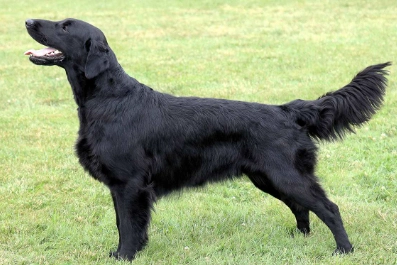
What Does a Flat-Coated Retriever Actually Look and Act Like?
The Physical Blueprint
The Personality: Sunshine with Paws (and Some Thunderclouds)

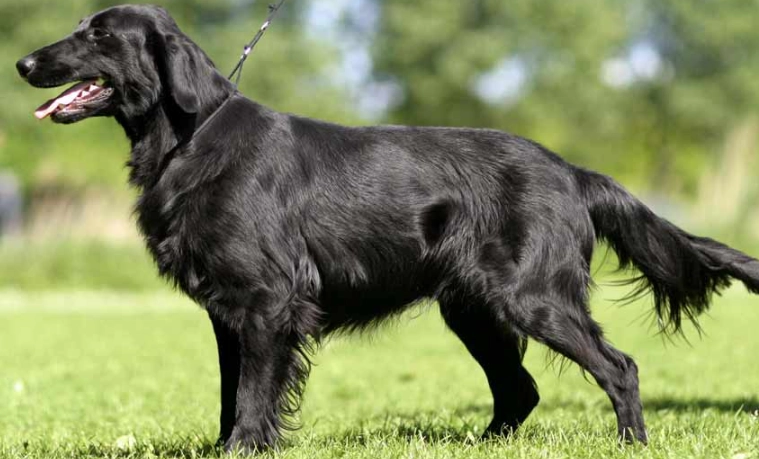
The Care and Keeping of Your Personal Peter Pan
Grooming: It's Not as Bad as You Think
Exercise & Mental Stimulation: Non-Negotiable

Nutrition: Fuel for the Engine
Health Matters: What You Need to Watch For
 edy. According to health surveys by the FCRSA, cancer is a leading cause of death, often striking dogs in middle age (around 8-10 years). It's a heartbreaking reality that potential owners must be aware of. When looking for a breeder, ask about the health history of the parents and grandparents, and what health screenings they perform.
Training Your Flat-Coated Retriever: Patience is a Virtue
Is a Flat-Coated Retriever Right for YOU?
Lifestyle/Trait
Ideal for a Flat-Coated Retriever
Not Ideal for a Flat-Coated Retriever
Activity Level
Active individuals/families (runners, hikers, swimmers).
Sedentary or low-energy households.
Home Environment
House with a secure yard, or active access to parks/water.
Small apartment without a dedicated exercise plan.
Time Commitment
People who work from home or have flexible schedules.
Those who work long hours away from home regularly.
Training Patience
Experienced dog owners or very committed first-timers.
Someone wanting an instantly obedient, low-maintenance dog.
Family Stage
Families with older, dog-savvy children, or active singles/couples.
Families with very young toddlers (due to the dog's exuberant size).
Your Flat-Coated Retriever Questions, Answered
Are Flat-Coated Retrievers good family dogs?
Do Flat-Coated Retrievers shed a lot?
Are Flat-Coated Retrievers easy to train?
What is the lifespan of a Flat-Coated Retriever?
Can a Flat-Coated Retriever live in an apartment?
Flat-Coated Retriever vs. Labrador Retriever: What's the difference?
Final Thoughts: The Joyful Burden
Flat-Coated Retriever: The Ultimate Guide to the "Peter Pan" of Dogs
Comment