Let's be honest, it's hard to scroll through Instagram or take a walk in a trendy neighborhood without spotting at least one of those adorable, bat-eared, smush-faced little dogs. French Bulldogs have skyrocketed in popularity, and for good reason. They're compact, full of personality, and seem to have a permanent, slightly judgmental yet loving expression that just melts hearts. But here's the thing I wish someone had sat me down and told me before I got my first Frenchie, Gaston (yes, I named him Gaston, and he lives up to it). Owning a French Bulldog isn't like owning a golden retriever or a beagle. It's a unique commitment with its own set of joys and, frankly, significant challenges. This isn't meant to scare you off—I adore my dog and would get another in a heartbeat—but going in with your eyes wide open is the single most important thing you can do for yourself and your future furry friend. This guide is that honest conversation. We're going to dig into everything: the hilarious quirks, the potential vet bills, the snoring, the farts (oh, the farts), and the immense amount of love they give back. By the end, you'll know if a French Bulldog is your perfect match or if you should keep looking. People often mistake them for miniature English Bulldogs, but Frenchies are a distinct breed with their own history. Originally bred in England as miniature bulldogs, they became favorites of lace workers in Nottingham. When the Industrial Revolution hit, many of these workers moved to France, taking their small bulldogs with them. Over there, they were crossed with other breeds (likely terriers and pugs) and became the French Bulldog we know today—a true cosmopolitan pup. The American Kennel Club (AKC) provides a detailed look at their official breed standard and history. Physically, they're a study in charming contradictions. They're muscular and solid under that smooth coat, weighing usually between 16-28 pounds—a perfect portable size. Those iconic "bat ears" are erect and rounded at the top. But the most defining feature is their brachycephalic (short-headed) face. This is the source of much of their character and, unfortunately, many of their health concerns. Quick Breed Snapshot: Think of a French Bulldog as a clown in a philosopher's body. They're incredibly affectionate and thrive on human companionship, often following you from room to room just to be near you. They're playful but not hyper, and they're surprisingly quiet for a small dog—you'll rarely get a full bark, more of a series of hilarious yips, grunts, and snorts. They're also stubborn. Not maliciously, but with a deep, unshakable conviction that their way is the best way, especially if it involves not moving from a sunny spot on the couch. This is the most critical section. Ignoring this is how good intentions lead to heartbreak and financial strain. French Bulldogs are not a naturally healthy breed. Decades of selective breeding for that flat face and compact body have come at a cost. Reputable breeders work tirelessly to improve health, but the genetic predisposition is there. The big one is Brachycephalic Obstructive Airway Syndrome (BOAS). This isn't just "they snore." It's a structural issue where their shortened airways make breathing inefficient. They snort, snore, gag, and can struggle terribly in heat or during exercise. On a hot day, a simple walk can be dangerous. I learned this the hard way with Gaston; one summer afternoon, he started panting heavily and his gums turned a bit purple after just 15 minutes outside. It was terrifying. We rushed inside, cooled him down, and I completely changed our routine after that. The American College of Veterinary Internal Medicine (ACVIM) has resources on BOAS that underscore how serious this can be. Other major health concerns include: Let's talk money for a second. A French Bulldog puppy from a responsible breeder can cost anywhere from $3,000 to $6,000+ (sometimes way more for rare colors—which often come with even more health risks, by the way). That's just the start. Pet insurance is non-negotiable in my book. Quotes can be $70-$150+ per month. A single BOAS surgery can cost $3,000-$6,000. An IVDD surgery can be $8,000+. You must be financially prepared. Going with a cheaper puppy from a less reputable source almost guarantees higher vet bills later, not to mention supporting unethical practices. This is where you can make the biggest impact on your future dog's health. A good breeder's goal is to better the breed, not just sell puppies. They will: If a breeder has multiple litters available at all times, offers "rare" blue or lilac coats at a premium, or wants to ship a puppy to you without meeting you, run. The UK Kennel Club also outlines crucial health schemes for the breed that are worth reviewing. Okay, let's assume you've found a great breeder and brought your wrinkly potato home. What's life actually like? Exercise: Forget long runs. A French Bulldog needs short, gentle walks. Two 15-20 minute walks on a harness (never a collar, due to their delicate necks and airways) in cool weather is perfect. They love play sessions indoors with toys. Their idea of a marathon is a brisk trot to the kitchen. Feeding: They can be prone to obesity, which exacerbates every other health issue. Measure their food carefully. Many do well on high-quality, limited-ingredient diets due to allergies. A slow-feed bowl is a must—they tend to inhale food, leading to gas (and, trust me, Frenchie gas is a weapon of mass destruction). Grooming: It's easier than a long-haired dog, but specific. Weekly, you need to: Temperature Management: This is a constant concern. In summer, walks are at dawn or dusk. They need air conditioning. Never leave them in a car, not even for a minute. In winter, they get cold easily due to their single coat—a cute sweater is both fashionable and functional. French Bulldogs are smart but willful. They aim to please themselves. Positive reinforcement (treats, praise) works wonders; harsh methods will just make them shut down. House training can take longer than other breeds. Be patient, consistent, and use a crate. Socialization is crucial. Expose them gently to different people, dogs, sounds, and environments when they're young. This helps prevent fearfulness or reactivity later. Because of their vulnerable anatomy, be very careful at dog parks. A larger dog's playful nip can seriously injure their eye. Let's put some concrete numbers to it. Here's a realistic table of potential first-year costs for a French Bulldog, assuming you get pet insurance. These are estimates and can vary widely by location. See what I mean? It adds up fast. The French Bulldog price tag is just the entry fee. Look, I love my French Bulldog. He makes me laugh every single day. He's my constant, snoring, farting shadow who greets me with pure joy whether I've been gone for five minutes or five hours. The companionship is incredible. The perfect French Bulldog owner is someone who is home a lot, prefers Netflix marathons to mountain hikes, has a good sense of humor about bodily functions, is unflappably patient, and has a robust savings account or pet insurance policy. They value companionship over athleticism. If you read all this and thought, "Yes, I can handle the challenges for that wonderful personality," then welcome to the club. Start your search for that ethical breeder or contact a rescue. Do it right. If you felt a knot in your stomach reading about the health issues or costs, that's okay. It means you're a responsible person who wants the best for an animal. There are many other wonderful, healthier breeds and amazing mixed-breed dogs in shelters who would thrive with you. The right dog is out there. Getting a dog is a 10-15 year commitment. For a French Bulldog, it's a commitment to being their advocate, their nurse, and their biggest fan. Make sure you're ready for all of it.In This Guide
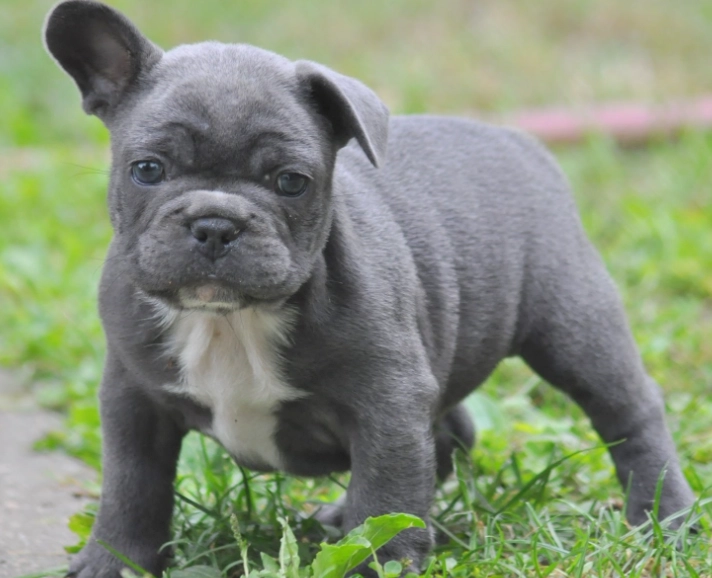
What Exactly Is a French Bulldog? Beyond the Cute Face

The Not-So-Glamorous Side: French Bulldog Health Issues You Must Know

Choosing a Breeder: Your First Line of Defense

Daily Life with a Frenchie: A Realistic Routine

Training and Socialization: Patience is Key

French Bulldog Costs: The First-Year Breakdown
Expense Category
Estimated Cost (USD)
Notes
Initial Purchase (Puppy)
$3,500 - $6,500
From a responsible, health-testing breeder.
Initial Supplies
$500 - $800
Crate, harness, bowls, bed, toys, grooming kit, playpen.
First-Year Vet Care
$800 - $1,500
Vaccinations, check-ups, spay/neuter, microchip, flea/tick/heartworm prevention.
Pet Insurance (Annual)
$850 - $1,800
Highly variable based on coverage, deductible, and location.
High-Quality Food & Treats
$600 - $900
Depending on brand and any special dietary needs.
Training Classes
$150 - $300
Puppy kindergarten and basic obedience.
Grooming Supplies/Misc
$200 - $400
Wipes, shampoo, nail clippers, etc.
Potential Emergency Fund
$2,000+
For expenses before insurance reimbursement or for non-covered items.
Your French Bulldog Questions, Answered
The Final Word: Is a French Bulldog Right for You?
But loving the breed also means being brutally honest about its needs. A French Bulldog is not a low-maintenance accessory dog. They are a high-maintenance, medically fragile companion that requires an owner who is proactive, patient, and financially secure.
Are French Bulldogs good with kids and other pets?
Generally, yes! They are usually very affectionate and sturdy enough to handle gentle, respectful kids. Their patience is pretty high. With other pets, early socialization is key. They can sometimes be a bit jealous or territorial with other dogs, especially of the same sex, but many live happily with feline siblings.
How long do French Bulldogs live?
The average lifespan is 10-12 years. With excellent care from a responsible breeder, proactive health management, good diet, and a bit of luck, some live longer. Their health challenges do impact longevity, which is why choosing a healthy line is so important.
Do they shed a lot?
They are moderate shedders. Their short, fine hair gets embedded in fabrics (goodbye, black clothes). Regular brushing helps manage it, but you'll always find a few Frenchie hairs around.
Are French Bulldogs easy for first-time owners?
This is a tough one. Their low exercise needs and affectionate nature can be a plus for a novice. However, their potential health issues, stubborn streak in training, and need for vigilant care (folds, temperature, breathing) add layers of complexity. A first-time owner who does extensive research and is prepared for the responsibility can manage, but they are not the "easy" pet many assume.
Should I consider adopting a rescue French Bulldog?
Absolutely. There are many breed-specific rescues (like the French Bulldog Rescue Network) that have dogs of all ages needing homes. This can be a wonderful, often more affordable option. Be prepared that rescue dogs may come with unknown histories or existing health/behavioral issues that need patience and love.
Comment