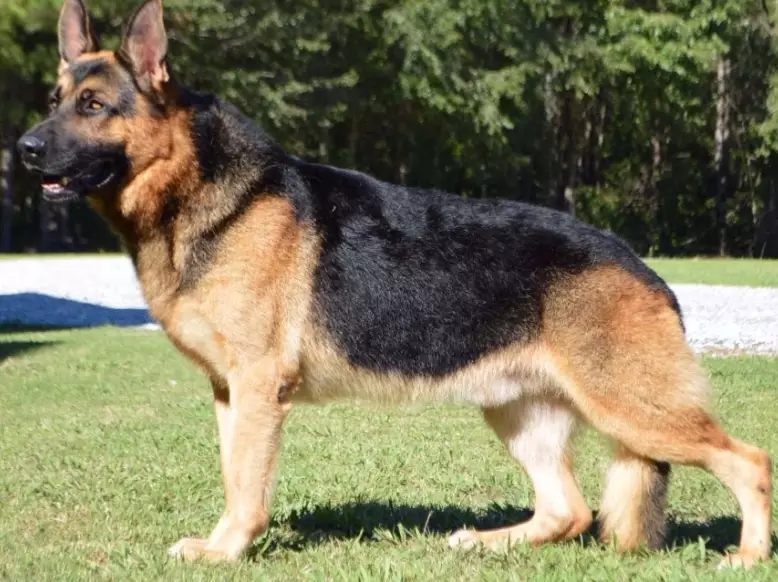
Let's talk about German Shepherds. You see them everywhere – police dogs, service animals, loyal family pets. That iconic silhouette is hard to miss. But what's it really like to live with one? I've been around this breed for years, and let me tell you, it's not all heroic poses and perfect obedience. It's a commitment. A big, hairy, energetic, and incredibly rewarding commitment. This guide isn't just a list of breed facts. It's the deep dive I wish I had before I got my first GSD. We're going past the Wikipedia page and into the nitty-gritty: the different types of German Shepherd Dogs (yes, there are major differences), the real temperament behind the alert ears, the health stuff nobody wants to talk about but everyone needs to know, and the training secrets that actually work. Whether you're just curious or seriously considering bringing one home, stick around. To understand a German Shepherd Dog today, you have to go back. Way back to the late 1800s in Germany. This breed wasn't created by accident. A cavalry officer named Captain Max von Stephanitz had a vision. He wanted the ultimate herding and working dog – smart, tough, versatile, and utterly reliable. He didn't just want a sheep-herder. He envisioned a dog for all tasks. And that's exactly what he standardized. The first official German Shepherd Dog, Horand von Grafrath, was registered in 1899, and the breed club, the Verein für Deutsche Schäferhunde (SV), was formed. Their motto was "utility and intelligence." Looks were secondary to performance. This foundational principle is everything. It explains why your GSD gets bored with just fetch and needs a real job. The breed's intelligence and trainability shot them to global fame. They served famously in both World Wars (which nearly destroyed the breed in the UK for a time, where they were sadly called "Alsatians"). After the wars, their popularity in police work, search and rescue, and as guide dogs solidified their reputation as the quintessential working dog. The American Kennel Club (AKC) recognized them early on, and they've consistently been one of the most popular breeds in the U.S., according to AKC registration statistics. This is crucial. If you just look at "German Shepherd," you'll miss the huge variations within the breed. It's like comparing a sprinting cheetah to a lounging leopard. They're both big cats, but built for different lives. German Shepherd Dogs are split mainly into distinct lines. These are the descendants of von Stephanitz's original vision. Bred for traits like drive, focus, nerve stability, and working ability above all else. You'll see them in Schutzhund/IPO (protection sports), police K9 units, and search and rescue. Bred to conform to a specific breed standard, often prioritizing a distinctive sloping topline (the "roach back"), angulation, and specific head structure. These are sub-categories within working lines, each with nuances. DDR (East German) lines were bred for border patrol – incredibly tough, with a strong protective instinct. Czech lines are similar. West German lines often blend working ability with some show conformation. It's a rabbit hole for enthusiasts. And then there are the mixes and backyard breeders. Please, do your homework. A poorly-bred German Shepherd Dog is a magnet for health and behavioral problems. So, what's the personality of a German Shepherd Dog really like? The AKC describes them as confident, courageous, and smart. That's true, but it's a polite summary. The American Veterinary Medical Association (AVMA) stresses the critical importance of early and ongoing socialization for all dogs, but for a breed with protective instincts like the GSD, it's the difference between a well-adjusted guardian and a nervous wreck. Expose them positively to all sorts of people, places, sounds, and other animals when they're young. Let's be blunt: German Shepherd Dogs are prone to certain genetic health issues. A responsible breeder will be transparent about this and will have conducted health screenings on the parent dogs. Never buy from a breeder who can't show you these test results. Here are the big ones: You cannot own a powerful, intelligent dog like this without training. It's not optional; it's for everyone's safety and sanity. The good news? They love to learn. Start the day you bring your puppy home. Socialization isn't just meeting people; it's positive exposure to the world. Sounds, surfaces, vehicles, umbrellas, hats. Make it fun. Basic obedience is the bedrock: Sit, Down, Stay, Come (recall is THE most important command), and Loose-Leash Walking. Use positive reinforcement methods. These dogs are sensitive to your tone and eager to please. Harsh corrections can backfire spectacularly, damaging trust and creating anxiety. Once they know the basics, you have to keep their brain busy. A 15-minute training session is more tiring for them than a 30-minute walk. German Shepherds have a double coat: a dense, harsh outer coat and a soft, thick undercoat. They shed. A lot. They "blow" their undercoat heavily twice a year (spring and fall), during which you will question your life choices as tumbleweeds of fur roll across your floor. Weekly brushing is a must, daily during shedding season. It keeps the coat healthy and manages the fur-pocalypse in your home. Baths only as needed. Don't forget nail trims, ear cleaning, and dental care. An adult German Shepherd Dog needs a good 1-2 hours of solid activity every day. This isn't just a leisurely walk. This is a brisk walk, plus running, playing fetch, training sessions, or a dog sport. Puppies need controlled exercise to protect growing joints—short, frequent play sessions, not long runs. Feed a high-quality, age-appropriate dog food. Large-breed puppy formulas are important for pups to control growth rate. Be mindful of calorie intake to prevent obesity. Many GSDs have sensitive stomachs, so diet changes should be gradual. Don't just fall for the look. Ask yourself these questions honestly: If you answered yes to most of these, you might be a great match. This is your best bet for a predictable temperament and health. A good breeder: Many wonderful German Shepherd Dogs end up in shelters or breed-specific rescues, often through no fault of their own. An owner underestimated the breed, had a lifestyle change, etc. Rescuing is admirable. Be prepared that you may not know the dog's full history or genetic health background. Many rescues assess their dogs thoroughly and can match you with one that fits your lifestyle. It can be a fantastic way to give an adult dog a second chance. Look for organizations like German Shepherd Rescue & Adoption or local groups. The German Shepherd Dog is more than a pet; it's a lifestyle choice. They demand time, energy, understanding, and consistent leadership. They are not a low-maintenance breed. They shed, they need to work their brains, and they will be up in your business 24/7. But in return, they offer something rare: unwavering loyalty, brilliant companionship, and the profound satisfaction of partnering with a truly exceptional animal. They will make you a better, more active, more engaged person. If you're up for the challenge, there's no dog quite like them. Do your research. Be brutally honest about your lifestyle. Find a responsible source, whether breeder or rescue. Invest in training from day one. If you do all that, you might just end up with the best dog you've ever had. And you'll finally understand why so many of us are so passionately devoted to this incredible breed.Quick Navigation
More Than a Pretty Face: The History and Purpose of the Breed
Not All Shepherds Are Created Equal: Understanding Breed Lines
Working Line German Shepherds
Show Line (or Conformation Line) German Shepherds
West German Working Lines / Czech Lines / DDR Lines
The German Shepherd Temperament: Loyalty with a Side of Intensity
The Fantastic Bits
The Challenging Bits
Navigating German Shepherd Health: What You Need to Watch For
Training Your German Shepherd: It's Non-Negotiable
Foundations: Socialization and Basic Obedience
Beyond the Basics: Mental Stimulation is Key
Caring for Your German Shepherd: Daily Life
Grooming: It's a Fur-ient Commitment
Exercise Requirements: Not for the Sedentary
Nutrition: Fuel for an Active Life
Is a German Shepherd Dog Right for You? The Honest Checklist
Finding a German Shepherd: Breeder vs. Rescue
Choosing a Reputable Breeder
Adopting from Rescue
Common Questions About German Shepherd Dogs (Answered)
Wrapping It Up: The Final Word on German Shepherds
I think a lot of modern breed problems stem from forgetting this. Some lines are bred more for show-ring angulation than for the sturdy working ability von Stephanitz prized. It's a shame.
Heads up: Choosing the wrong line for your lifestyle is the number one reason for rehoming. A high-drive working line GSD in a quiet apartment is a disaster waiting to happen.
Proactive Health Tip: Besides choosing a responsible breeder, keep your GSD at a lean, healthy weight. Extra pounds put massive stress on those susceptible joints. Feed a high-quality diet, provide joint supplements like glucosamine early on, and avoid forced, high-impact exercise (like long runs on pavement) while they're still growing.
I made the mistake with my first GSD of thinking physical exercise was enough. He was fit but still neurotic. Once I started daily 10-minute training sessions with new commands and puzzle toys, he became a different dog—calmer and more satisfied.
Are German Shepherds good with kids?
Generally, yes, when raised with them and properly socialized. They are loyal and protective of their family, including children. However, their size and energy mean interactions with young kids should always be supervised. Teach children how to interact respectfully with the dog (no tail pulling, etc.).
How much do they bark?
They are watchdogs, so they will alert bark. They are not usually nuisance barkers without cause, but they will tell you if someone is at the door or something is amiss. Training a "quiet" command is helpful.
Are they aggressive?
This is the biggest misconception. Properly bred and socialized German Shepherd Dogs are not inherently aggressive. They are protective and aloof with strangers, which is different. Fear, poor breeding, lack of socialization, or irresponsible ownership can lead to aggression, as with any powerful breed.
Can they live in an apartment?
It's a major challenge, but not impossible if you are an extremely dedicated owner. You must be committed to providing multiple long walks, trips to a dog park or field for running, and tons of indoor mental stimulation. A house with a yard is undeniably easier.
What's their lifespan?
Typically 9-13 years. Ensuring good genetics, proper weight management, and proactive veterinary care gives them the best shot at a long, healthy life.
Comment