Let's cut to the chase. The German Wirehaired Pointer isn't your average backyard buddy. You don't just get a GWP for the looks (though that scruffy, bearded face is pretty darn charming). You get one because you want a partner. A tireless, smart, sometimes-stubborn partner who lives to work and play with equal intensity. I've spent years talking to breeders, trainers, and owners, and the one thing they all say is this: know what you're signing up for. This guide isn't about selling you on the breed. It's about giving you the real, unfiltered picture. Picture a dog built for a full day in rough terrain. Thick underbrush, cold water, you name it. That's their heritage. They were developed in Germany in the late 19th century, a deliberate mix of breeds like the German Shorthaired Pointer, Pudelpointer, and Griffon, all to create the ultimate versatile hunter. The goal? A single dog that could point, retrieve, track furred game, and have a weather-resistant coat to handle it all. The German Wirehaired Pointer was the answer. That history isn't just trivia—it's the blueprint for everything about them today. Key Takeaway: "Versatile" is the GWP's middle name. They weren't bred for one specific task but for a suite of hunting skills. This makes them incredibly intelligent and adaptable, but it also means they need a job to do. Boredom is your worst enemy with this breed. You can spot a GWP a mile away. It's all in the coat. That distinctive wiry, rough outer coat and dense undercoat are what give them that rugged, just-back-from-an-adventure look. The eyebrows and beard aren't just for style; they help protect their face in the field. They're medium-to-large dogs, standing 22 to 26 inches at the shoulder, with a muscular, balanced build that screams endurance, not sprinting. But the looks are just the packaging. The real magic—and challenge—is the personality inside. If you want a velcro dog that hangs on your every word without thinking, look elsewhere. The German Wirehaired Pointer is fiercely loyal to its family. They form deep bonds and can be wonderfully affectionate at home. I've seen them be gentle giants with kids they're raised with. Here's the flip side. They have an independent streak a mile wide. Bred to make decisions away from their hunter in the field, they're thinkers. This isn't a breed that blindly obeys. They'll assess the situation, and if your command doesn't make sense to them in the moment, they might just give you a look that says, "Are you sure about that?" It's not defiance, exactly. It's intelligence. It can be incredibly frustrating for a first-time dog owner used to more biddable breeds. They're also famously reserved, even aloof, with strangers. Don't expect a tail-wagging greeting for every guest. That protective instinct is strong. Early and continuous socialization isn't a suggestion; it's a requirement to ensure that wariness doesn't tip over into problematic behavior. Let's be real: That independent nature is a double-edged sword. It's what makes them brilliant problem-solvers in the field, but it can make obedience training feel like a negotiation rather than a directive. You need patience, consistency, and a good sense of humor. This is where dreams of dog ownership meet reality. Can your lifestyle actually support a GWP? Forget the leisurely walk around the block. A bored, under-exercised GWP is a demolition crew with paws. We're talking about a minimum of 60 to 90 minutes of vigorous activity every single day. And I mean vigorous. Seriously, if your idea of exercise is a short evening stroll, this breed will make your life miserable. Here's a common misconception: "Wirehaired means low-shedding and easy care!" Not quite. That coarse topcoat does trap a lot of loose hair, so you'll find less hair on your furniture compared to a Labrador. But the grooming is specific. The coat needs regular brushing to prevent mats, especially behind the ears and in the "feathers" on the legs. The big thing is hand-stripping. Twice a year, ideally, the dead outer coat needs to be plucked out by hand or with a stripping tool to maintain its proper texture and weatherproofing. Clipping or shaving it ruins the coat, making it soft and less protective. It's a specialized skill—many owners opt for a professional groomer who knows the breed. So, while you're not vacuuming daily, you are committing to a specific (and sometimes pricey) grooming routine. Training a German Wirehaired Pointer is about building a partnership based on mutual respect. Positive reinforcement is the only way to go—treats, praise, play. Harsh methods will backfire spectacularly; they'll shut down or become stubborn. Start early with puppy classes. Focus on rock-solid recall (come when called) and rock-solid impulse control. Their prey drive is high. A squirrel across the park can override all training in an instant if you haven't practiced in high-distraction environments. I remember talking to a trainer who worked with a particularly headstrong GWP. She said the breakthrough came when she stopped giving orders and started giving "challenges." Instead of "sit," it was "figure out how to get this treat from my closed hand." Engaging their brain was the key to unlocking their cooperation. A well-bred German Wirehaired Pointer is generally a robust, healthy dog with a lifespan of 12 to 14 years. But like all purebreds, they have some predispositions. Responsible breeders test for these. The single most important thing you can do for their health? Keep them lean. Extra weight puts immense stress on their joints and organs. You should always be able to feel their ribs easily. Let's make this decision simple. Don't get a GWP if: A German Wirehaired Pointer could be a fantastic fit if: The Bottom Line: The German Wirehaired Pointer is not a beginner's dog. They are a project, a commitment, and a lifestyle. But for the right person—someone who can match their energy, appreciate their intelligence, and channel their drive—they are an unparalleled companion. There's nothing quite like the partnership with a well-trained GWP. It's work, but the rewards are immense. I get asked these all the time. Let's tackle them head-on. They can be, with major caveats. They are loyal and protective of "their" kids. However, their size and exuberance can accidentally knock over toddlers. They need to be taught how to be gentle. And they require so much time and energy that a family already stretched thin might struggle. They're best for active families with older children who can participate in their care and exercise. This is highly individual. Many do fine with dogs they are raised with, especially of the opposite sex. However, that same-sex dog aggression trait from their hunting past can pop up. Early socialization and careful introductions are non-negotiable. Dog parks can be a mixed bag—their play style is rough and tumble, and they might not tolerate pushy dogs. The coat is the obvious one! But temperamentally, GWPs are often described as slightly more serious, more reserved with strangers, and sometimes a touch more independent than the typically more outgoing, eager-to-please GSP. Both are high-energy, versatile hunters, but the "wirehair" often has a more pronounced protective instinct. It's not ideal, but it's possible if and only if you are an absolute fanatic about their exercise. We're talking about multiple long runs, daily trips to a large dog park or field for off-leash work, and constant mental stimulation. An apartment-dwelling GWP will go stir-crazy without an owner who is dedicated to being their primary source of activity. A house with a yard is a far, far better setup. Reputable Breeder: This is the best path for most, especially first-time GWP owners. You get a health-tested puppy with known lineage and early socialization. Expect to be on a waitlist, answer lots of questions, and pay a significant price. A good breeder is a resource for life. The German Wirehaired Pointer Club of America (GWPCA) is the official AKC parent club and has a breeder referral list. Start there. Rescue: Breed-specific rescues like those affiliated with the GWPCA often have adults and sometimes puppies. This can be a wonderful option, but be brutally honest about your experience. Rescue GWPs may come with behavioral baggage (separation anxiety, poor manners) from a home that couldn't handle them. You need to be prepared for potential rehabilitation. Whichever path you choose, do your homework. This dog deserves an owner who is all in. So, there you have it. The full, unvarnished truth about the German Wirehaired Pointer. They're not for everyone. In fact, they're probably not for most people. But if you see yourself in the active, patient, committed owner profile, and you're looking for a once-in-a-lifetime canine partner, then this remarkable, scruffy-faced breed might just be waiting for you.In This Guide
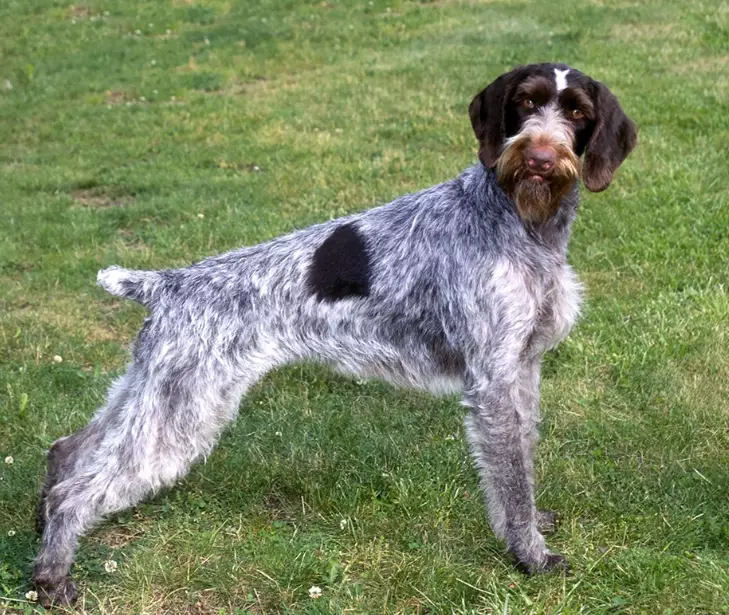
What Does a German Wirehaired Pointer Actually Look and Act Like?
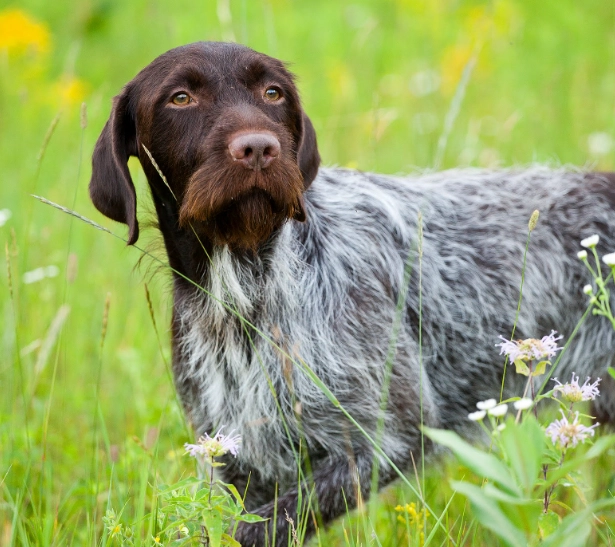
The GWP Temperament: Loyalty Meets Independence
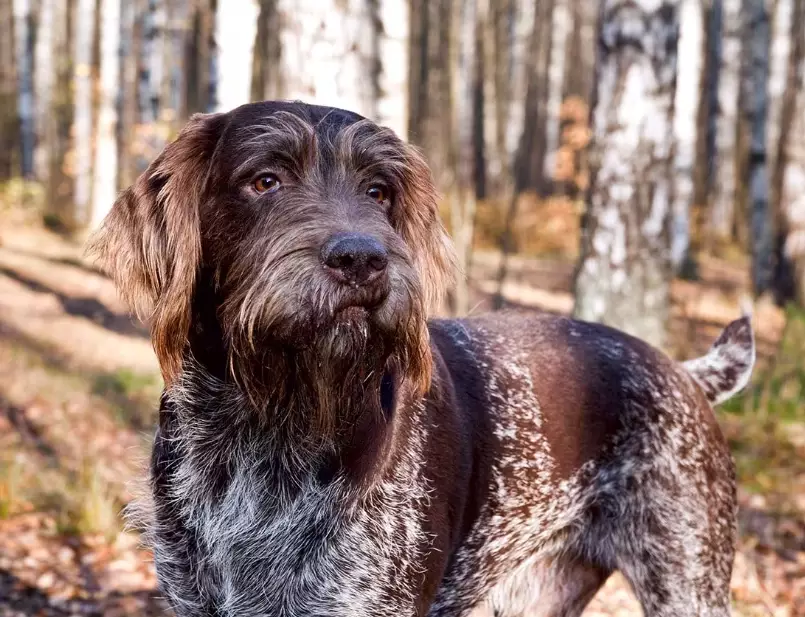
Living Day-to-Day with a German Wirehaired Pointer
Exercise: Non-Negotiable and Extensive
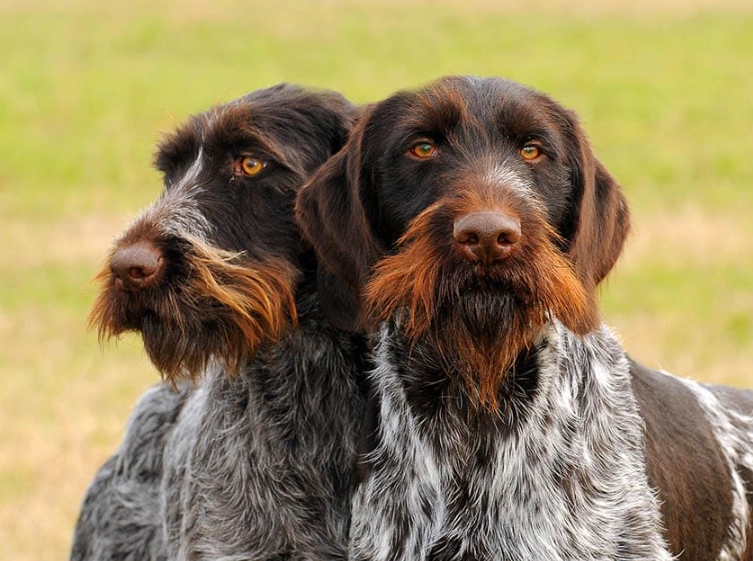
Grooming That Wiry Coat: It's Not What You Think
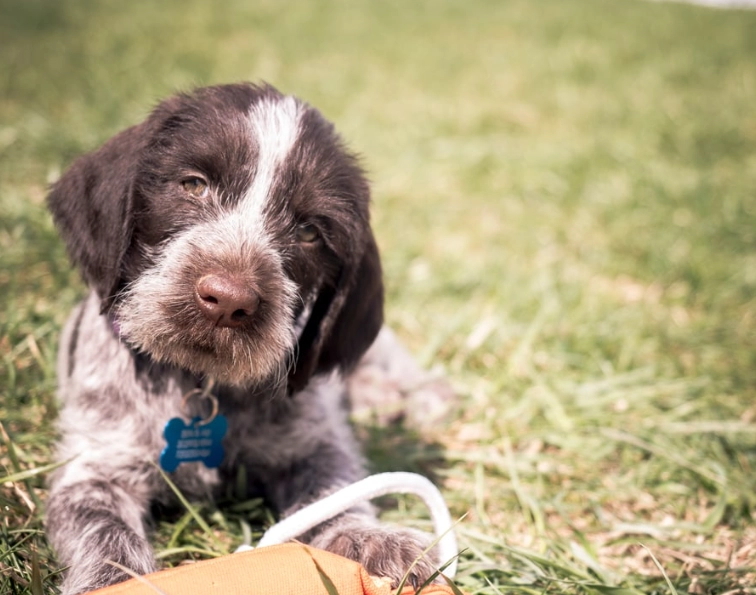
Grooming Task
Frequency
Notes & Tips
Brushing
2-3 times per week
Use a slicker brush and a sturdy comb. Focus on legs, beard, and behind ears.
Hand-Stripping
Every 4-6 months
Essential for coat health. Best done by a pro if you're not trained.
Bathing
Only when dirty
Over-bathing softens the wire coat. Use a mild dog shampoo.
Nail Trimming
Every 3-4 weeks
Long nails affect their gait and can cause pain.
Ear Cleaning
Weekly
Floppy ears can trap moisture. Check and clean to prevent infections.
Training: Be the Leader, Not a Dictator
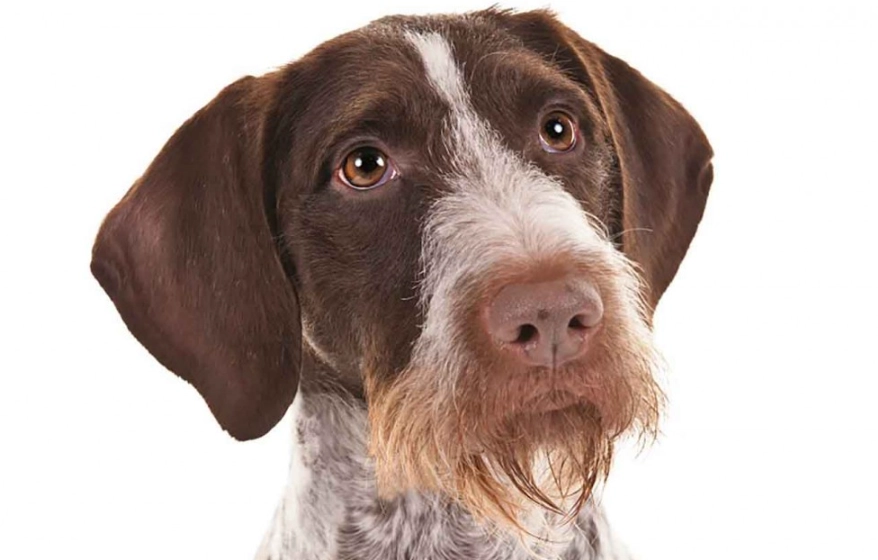
Health and Lifespan: What to Watch For
Is a German Wirehaired Pointer the Right Dog for You? The Honest Checklist.
Your German Wirehaired Pointer Questions, Answered
Are German Wirehaired Pointers good family dogs?
How are they with other dogs?
What's the difference between a German Wirehaired Pointer and a German Shorthaired Pointer?
Can they live in an apartment?
Where should I get one? Breeder vs. Rescue
German Wirehaired Pointer Guide: Traits, Care & Training Tips
Comment