Let's be honest right from the start. You're not here looking for another fluffy, lapdog article. If you're searching for information on the Giant Schnauzer, you're probably a certain type of person. You might appreciate substance over style, capability over cuteness. You're likely considering a dog that's more than a pet—it's a partner, a protector, a project. And that's exactly what a Giant Schnauzer is. I remember the first time I met one up close. A friend of a friend had a massive, salt-and-pepper bearded dog named Klaus who sat observing me with an intensity I'd never seen in a Golden Retriever. He wasn't aggressive, just... assessing. It was clear Klaus wasn't just furniture; he was a participant in the household. That experience stuck with me and sent me down a rabbit hole learning about this fascinating, demanding breed. People see the beard and the eyebrows and think "big, scruffy dog." That's like looking at a BMW M5 and saying "nice sedan." You're missing the engineering underneath. The Giant Schnauzer is the largest of the three Schnauzer breeds (Miniature, Standard, and Giant), and it shares less in common with its smaller cousins than you might think, especially in terms of drive and purpose. Originally called the "Münchener" in Bavaria, their job was tough. They worked alongside drovers, moving cattle to market, and protecting farms. This heritage bred a dog that was fearless, athletic, intelligent enough to work independently, and loyal to their person. They later found roles in police and military work. This isn't a breed that was designed to look cute on a pillow. Form followed function, and every bit of that function is still wired into a modern Giant Schnauzer's brain. So, what are you actually getting? A male Giant Schnauzer can stand up to 27.5 inches at the shoulder and weigh between 65 and 90 pounds. Females are slightly smaller. They're squarely built, muscular without being bulky, and move with a powerful, efficient gait. The signature double coat is crucial: a soft, dense undercoat and a hard, wiry outer coat that provides weather resistance. That iconic beard and leg furnishings? They came from the job, helping protect the face and legs from kicks and brush. They come in two solid colors: black, and the striking pepper and salt (a banded mixture of gray, black, and white hairs). The pepper and salt can range from a dark iron gray to a lighter silver. Personally, I find the pepper and salt coloration absolutely stunning—it gives them a wise, distinguished look that matches their personality. This is where many prospective owners get tripped up. The intelligence of the Giant Schnauzer is a double-edged sword. They learn commands incredibly quickly. But they also learn your weaknesses, your inconsistencies, and whether a command is worth obeying just as fast. They are problem-solvers. This isn't a breed that will blindly obey out of sheer desire to please (like a Labrador might). They obey out of respect for a fair leader and because the task makes sense to them. That independent streak, born from having to make decisions while guarding distant pastures, is still very much present. Without clear leadership, a Giant Schnauzer will happily appoint themselves the leader of your household. And their decisions might involve barking at every passerby, herding your children, or guarding the couch from you. Their temperament is often described as "aloof with strangers" and "devoted to family." That aloofness isn't shyness or fear—it's a calm, watchful reserve. They are natural guardians. They don't need to be taught to protect; the instinct is innate. The key is channeling that instinct appropriately through socialization and training so it doesn't become suspicion or over-protectiveness. Can we live the Instagram dream of a majestic, bearded dog hiking with us by day and snoozing by the fire at night? Maybe. But let's talk about the daily grind first. A bored Giant Schnauzer is a destructive Giant Schnauzer. We're talking about a dog bred for all-day physical work. They need substantial, meaningful exercise. We're aiming for 60-90 minutes minimum per day. If your idea of dog exercise is a quick potty break in the morning and evening, this breed will make your life miserable. They will find their own "jobs," like rearranging your garden, digging fortifications in your yard, or barking at the neighbor's squirrel patrol. This is arguably the biggest practical hurdle and a common reason Giants are surrendered. That beautiful wire coat doesn't maintain itself. It's a commitment. I'm not going to sugarcoat it—the grooming is a significant expense and time sink. If you don't keep up with it, the dog gets uncomfortable, mats form close to the skin (which are painful and can harbor infection), and the iconic look is lost. This is a major user pain point that many first-time owners underestimate. Puppyhood with a Giant Schnauzer is like raising a brilliant, willful toddler with sharp teeth and the strength of a small bear. Early socialization is not a suggestion; it's a vaccine against behavioral problems. They need to be introduced positively to everything: different people, dogs, sounds, surfaces, and situations before they are about 16 weeks old. Obedience training should start the day you bring your puppy home. Use positive reinforcement methods (treats, praise, play), but pair them with clear, consistent rules and boundaries. They test limits. You must be more stubborn than they are, but fair. Harsh, punitive methods will backfire spectacularly with this sensitive (despite their tough exterior) and proud breed. Key training focuses: Giant Schnauzers are generally robust, with a lifespan of 12-15 years, which is excellent for a giant breed. However, like all purebred dogs, they are prone to certain genetic conditions. Responsible breeders test their breeding stock to minimize these risks. Here are the main health concerns to discuss with a breeder and to budget for potential vet care: The single most important thing you can do for health is to find a breeder who openly shares all health testing results for the sire and dam. The Giant Schnauzer Club of America (GSCA) is an excellent resource for finding ethical breeders who adhere to a code of ethics and perform recommended health tests. Don't be shy about asking for proof. Feeding a large, active dog is a considerable expense. You'll need a high-quality commercial or carefully formulated homemade diet appropriate for a large-breed dog. Look for foods that list a quality meat protein as the first ingredient. Special considerations: Let's move past the breed description and get personal. Ask yourself these questions honestly: If you answered "no" to any of the first three, you should seriously reconsider. This breed is not for everyone, and that's okay. There's no shame in admitting a different breed would be a better fit for your life. This is the most important step. A poorly bred Giant Schnauzer is a potential nightmare—unstable temperament, poor health, and a betrayal of the breed's true character. Your #1 Resource: The Giant Schnauzer Club of America (GSCA). Their website has a breeder referral list. These breeders pledge to follow the club's code of ethics. What to expect from a good breeder: Rescue: Giants do end up in rescue, often because unprepared owners couldn't handle their needs. Organizations like the GSCA's rescue network or AKC-affiliated breed rescues are great places to look for an adult dog. An adult can be a wonderful option, as their personality is already known. The Giant Schnauzer is a magnificent breed. They are the definition of a "man's best friend" for the right person—loyal to a fault, courageous, and deeply bonded. Watching a well-trained Giant work is a thing of beauty; they are so connected and responsive. But. They are also a huge responsibility. The grooming is relentless. The exercise demands are non-negotiable. The training requires a calm, confident, and consistent leader. If you are that person, willing to put in the work, you will be rewarded with a companion like no other—a true partner who will stand by you through anything. If you're looking for a low-maintenance, easygoing pet to lounge with, look elsewhere. There are many wonderful breeds that fit that bill. The Giant Schnauzer isn't one of them. And that's precisely what makes them so special to those who are up for the challenge. Do your homework. Meet the breed in person. Talk to multiple owners and breeders. Be brutally honest with yourself about your lifestyle. If it aligns, then welcome to the world of the bearded guardian. You're in for an incredible journey.Key Insights
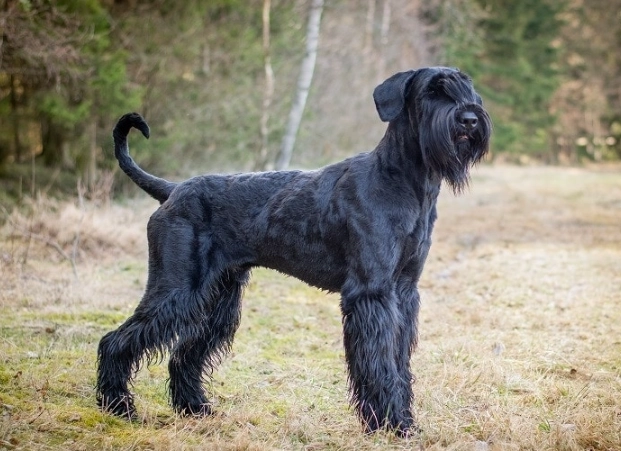
What Exactly Is a Giant Schnauzer? Beyond the Beard
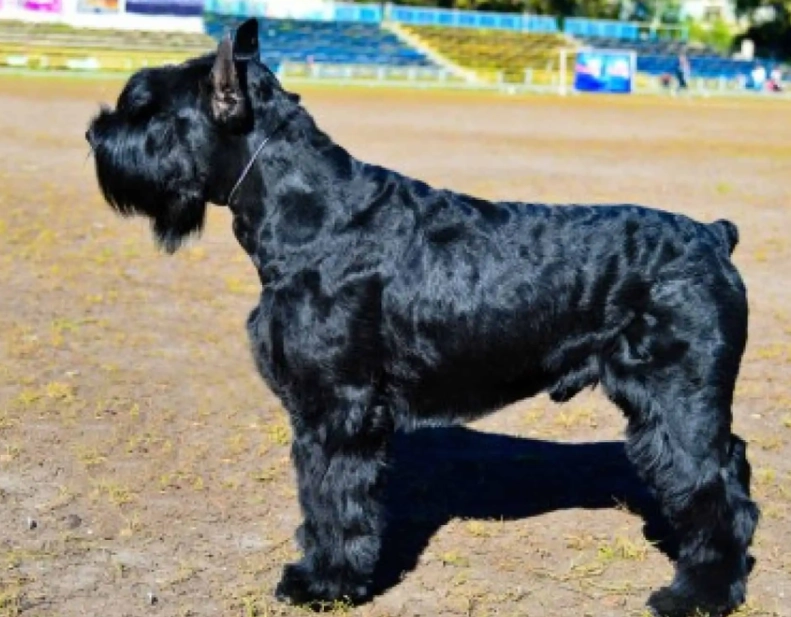
The Look: Power Wrapped in Wire
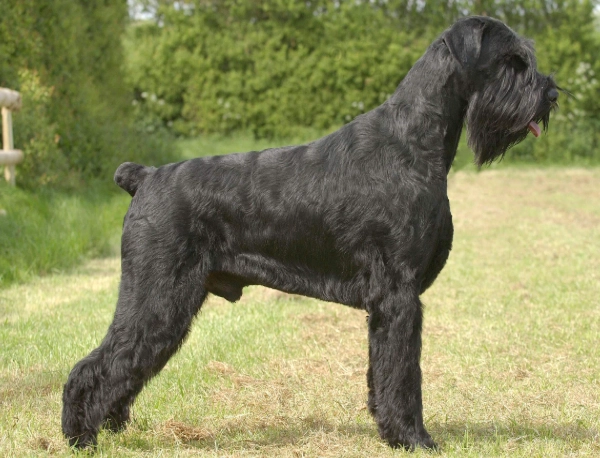
The Mind: A Thinker, Not Just a Follower
The Giant Schnauzer Lifestyle: A Reality Check
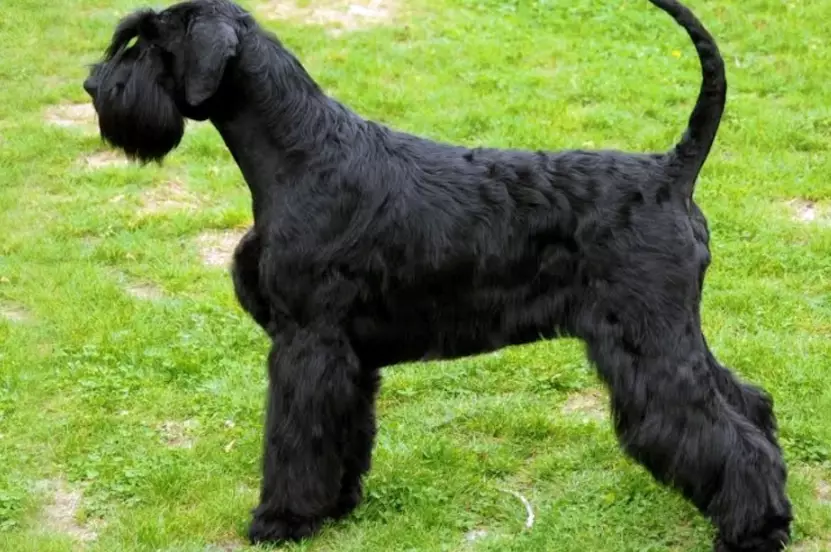
Exercise: More Than a Walk Around the Block
Grooming: The High-Maintenance Coat (And It's Not Optional)
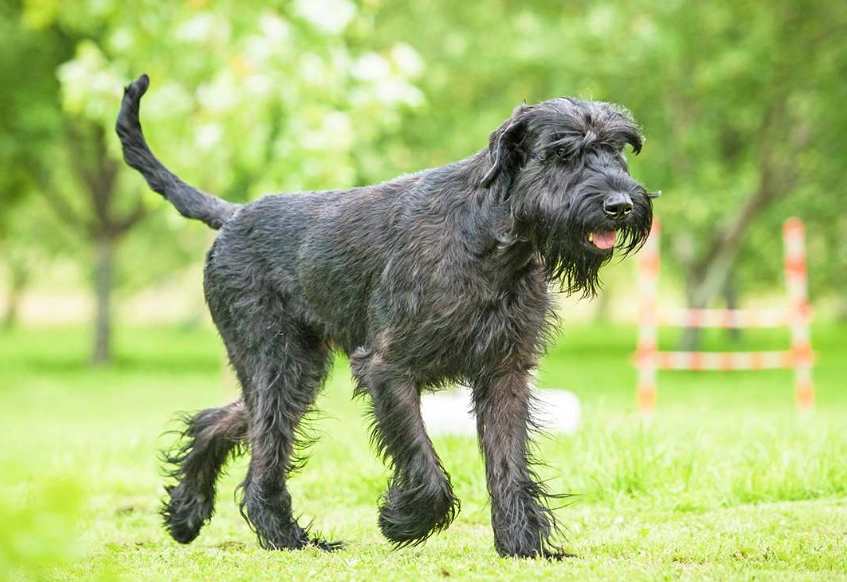
Training: Consistency is Your Best Friend
Health and Lifespan: What to Watch For
Condition Description Prevention/Screening Hip Dysplasia A malformation of the hip joint that can lead to arthritis and pain. Breeders should have Orthopedic Foundation for Animals (OFA) or PennHIP certifications for parents. Keep puppies at a lean weight during growth. Elbow Dysplasia Similar to hip dysplasia, but in the elbow joint. OFA screening of parents. Avoid forced exercise on hard surfaces for puppies. Autoimmune Thyroiditis A common issue where the immune system attacks the thyroid gland. Breeders should test via OFA Thyroid registry. Can be managed with medication if diagnosed. Eye Conditions Including cataracts and progressive retinal atrophy (PRA). Annual vet ophthalmologist exams; breeders should have Canine Eye Registry Foundation (CERF) clearances. Bloat (GDV) A life-threatening stomach torsion. Common in deep-chested breeds. Feed multiple small meals, avoid exercise right after eating, know the warning signs (restlessness, unproductive retching). 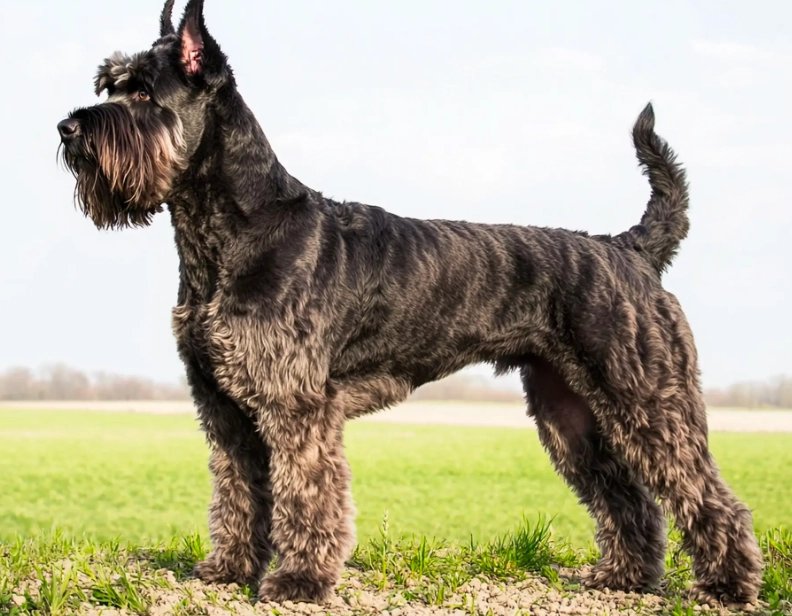
Giant Schnauzer Diet and Nutrition
Is a Giant Schnauzer Right for YOU? The Honest Quiz
Common Giant Schnauzer Questions (FAQs)
Finding a Reputable Breeder or Rescue
My Final, Unvarnished Take
The Bottom Line Up Front: The Giant Schnauzer is not a beginner's dog. It's not an "easy" dog. It's a powerful, intelligent, and strong-willed working breed originally developed to drive cattle and guard property in Germany. They require an owner who understands canine psychology, has time for consistent training and extensive grooming, and wants a deeply loyal, albeit sometimes challenging, companion.
A breeder I spoke with put it perfectly: "You don't train a Giant Schnauzer with treats alone. You train them with respect. They need to know you're competent and in charge, not that you're a vending machine."
Grooming Breakdown:
Q: Are Giant Schnauzers good family dogs?
A: They can be excellent family dogs for active, dog-savvy families with older children. They are fiercely loyal and protective of their "pack." However, their size and energy can be overwhelming for very young kids, and they require all family members to be on the same page with training and rules.
Q: Do Giant Schnauzers shed?
A: Yes, but differently. They don't have the constant, fine undercoat shedding of a Husky. When their coat is maintained properly (hand-stripped), dead hair is removed during grooming sessions, resulting in minimal shedding in the home. A clipped coat will shed more and lose its proper texture.
Q: Are they aggressive?
A: They are not inherently aggressive. They are inherently protective and reserved. Poor breeding, lack of socialization, or harsh treatment can create fear-based aggression. A well-bred, well-socialized Giant is confident and discerning, not aggressive.
Q: Can they live in an apartment?
A: It's a major challenge, but possible if and only if the owner is a marathon runner or ultra-committed to providing multiple hours of intense outdoor exercise and mental stimulation every single day. Access to a yard is highly recommended.
Q: How much do Giant Schnauzer puppies cost?
A: From a reputable breeder who does full health testing, titles their dogs (proving they are good examples of the breed), and raises puppies in-home with early socialization, expect $2,500 to $4,000+. The high cost reflects the breeder's investment in health, temperament, and the future of the breed. Never buy from a pet store or online broker.
Comment