Let's be honest, when you think "terrier," you probably picture a lightning bolt with fur. A dog that bounces off the walls, digs craters in your yard, and barks at its own shadow. I know I did. Then I met a Glen of Imaal Terrier at a local dog show, and it completely flipped that script. This stout, low-slung Irishman was just... chill. Observant. It made me stop and ask: what is this dog all about? Turns out, the Glen of Imaal Terrier is one of Ireland's best-kept secrets and a fascinating exception to the terrier rule. Bred for a specific job in a harsh landscape, it developed a temperament and energy level that surprises most people. If you're tired of the high-strung terrier stereotype but still want that spunky, independent character, you might have just found your match. But here's the catch – they're rare. Really rare. That means finding good, clear information can be a chore. Breeder websites can be vague, and general articles just repeat the same few lines. You're left wondering: are they really that low-energy? How stubborn are we talking? What's it actually like to live with one? You can't understand the Glen of Imaal Terrier without understanding where it came from. This isn't a breed cooked up in a fancy kennel for looks. It's a working dog, forged by necessity in one of Ireland's more isolated valleys during the 16th and 17th centuries. The story goes that soldiers from the Elizabethan wars settled in the Glen of Imaal. They brought with their low-to-the-ground terrier types, likely ancestors of the modern Irish Terrier and the old working terriers of England and Wales. Isolated in the glen, these dogs were bred for function over form. Their job? To go to ground after badger and fox – a dangerous task that required immense courage and strength in a small package – and to work the turnspit in the kitchen, powering a dog wheel that roasted meat over the fire. This practical breeding created a dog with distinctive traits: a long, low body to maneuver in burrows; strong, slightly bowed forelegs for digging and stability in the wheel; a relatively quiet demeanor (barking would scare prey underground); and a tough, weather-resistant double coat. They were a farmer's and hunter's versatile tool. For centuries, they were known only locally. It wasn't until the late 19th century that they began to be shown. The breed club formed in the 1930s, and recognition by the Kennel Club (UK) and later the American Kennel Club (AKC) in 2004 brought them to a slightly wider audience. But they've never become common, which has helped preserve their original character but also means prospective owners need to do serious homework. This is where people get intrigued or get cold feet. The Glen personality is a unique blend that doesn't fit neatly into a box. At home, a well-raised Glen is a dream for many. They are famously calm and even-tempered indoors. The frantic "zoomies" common in other terriers are rare. They're more likely to be found on their favorite couch or bed, often in a comical "frog leg" position on their back. They form deep, loyal bonds with their family and can be wonderfully affectionate and even clownish in private. But don't mistake calmness for passivity. They retain a strong terrier independence and self-assurance. A Glen decides if your command is worth following right now. They think for themselves, a trait that was essential for a dog working underground away from its handler. This isn't malice or dumbness – it's supreme confidence. It can be frustrating if you're used to eager-to-please breeds. With strangers, they can be aloof or suspicious. Early and continuous socialization is non-negotiable. They are watchful and will alert you to anything amiss, but they aren't typically nuisance barkers. That said, their bark, when it comes, is a surprisingly deep and loud "woof" for a dog their size – it used to startle me every time my friend's Glen sounded off! This depends heavily on early upbringing and the specific dog. With children they are raised with, Glens can be tolerant and gentle. However, they are not naturally "nanny" dogs and have a low tolerance for being poked, prodded, or treated like a stuffed animal. They are best suited for families with older, respectful children who understand dog boundaries. With other dogs, same-sex aggression can be an issue, particularly among males, as is common with many terriers. Early socialization and careful management are key. As for cats and small pets, the verdict is usually a hard no. Their vermin-hunting heritage is too strong. Introducing a Glen to a resident cat is a high-risk, slow-process endeavor that often doesn't end well for the cat. So, what's it actually like? Let's break it down into the practical stuff. Calling the Glen of Imaal Terrier "low-energy" is a bit misleading. "Moderate and self-regulating" is more accurate. They don't demand hours of exercise, but they absolutely need and enjoy it. A couple of good leash walks (30-45 minutes total) plus some playtime or mental stimulation will satisfy most Glens. They love to sniff and explore on walks. They excel at "thinking" dog sports that don't require high-speed running. Earthdog trials (simulated hunting in man-made tunnels) are their ancestral birthright, and many Glens take to them with gusto. Nosework, basic agility (though they won't be the fastest), and trick training are also great outlets. Without mental stimulation, a bored Glen might channel its intelligence into less desirable pursuits, like figuring out how to open cabinet doors. Forget rigid, repetitive drill-sergeant style training. It won't work. You'll just get a dog that looks at you, sighs, and walks away. Glens respond best to positive reinforcement, consistency, and a good sense of humor. Find what motivates them – usually high-value food treats – and make training a fun game. They can be housebroken, learn basic manners, and even do advanced tricks. But they often have their own timeline. "Sit" might be mastered in a day; "come" might be a work in progress forever. You need a thick skin and zero ego. The reward is a dog that works with you, not for you, which feels like a genuine partnership. This is one of their best features. The Glen has a medium-length, double coat that is wiry on top and soft underneath. It's designed to shed dirt and water. They don't have a "doggy" odor. Weekly brushing with a slicker brush or comb is enough to prevent mats, especially behind the ears and in the "feathers" on their legs. Honestly, their grooming needs are minimal compared to a Poodle or a heavy-shedding breed. It's very manageable. Generally, this is a robust, healthy breed with a lifespan of 12-15 years. Their rarity has, in some ways, protected them from the worst extremes of genetic issues. However, no breed is immune. Responsible breeders screen for the following conditions, and you should ask for proof. Also, due to their deep chest, they can be prone to bloat (GDV), a life-threatening stomach torsion. Feeding smaller, more frequent meals and avoiding vigorous exercise right before and after eating can help reduce risk. Let's cut through the romance. This breed isn't for everyone. Here’s a quick yes/no guide. This is the hard part. You can't just go online and find ten breeders nearby. Expect to be put on a waiting list, often for a year or more. A reputable breeder's goal is to better the breed, not make money. They will interview you as thoroughly as you interview them. Red Flags: Multiple litters available at once, willingness to ship a puppy without meeting you, no health testing proof, pressure to pay quickly, prices significantly below the norm ($2,500 - $4,000 USD is a typical range from a good breeder). Green Flags: They ask you tons of questions. They invite you to meet their dogs. They provide full health clearances. They have a contract requiring you to return the dog to them if you can't keep it. They are involved in the breed club (like the Glen of Imaal Terrier Club of America) and/or show their dogs in conformation or performance events. It's rare, but it happens. Dogs end up in rescue due to owner life changes, unrealistic expectations, or occasionally from puppy mills. Breed-specific rescues like those affiliated with the parent club are your best bet. Adopting an adult can be wonderful – you skip the puppy stage and get a dog whose personality is already known. Be prepared for a thorough home check and adoption process. The Glen of Imaal Terrier isn't trying to win a popularity contest. It's a breed that has stayed true to itself. For the right person, that's its greatest appeal. You get a piece of living history, a dog with a quiet dignity and a hidden reservoir of grit and affection. They're not the easiest dogs, but the easiest dogs are often forgettable. A Glen leaves an impression. They challenge you to be a better, more patient, more observant owner. In return, you get a loyal, funny, and deeply satisfying companion who is content to share your home and your life on their own uniquely terrier-ish terms. If your research has led you here, past the flashier breeds, and something about this stout Irishman still calls to you, trust that instinct. Dig deeper, connect with the breed community, and if it's a fit, prepare for one of the most rewarding relationships you can have with a dog. Just don't expect them to always come when you call. They might be thinking about something more important.Quick Navigation
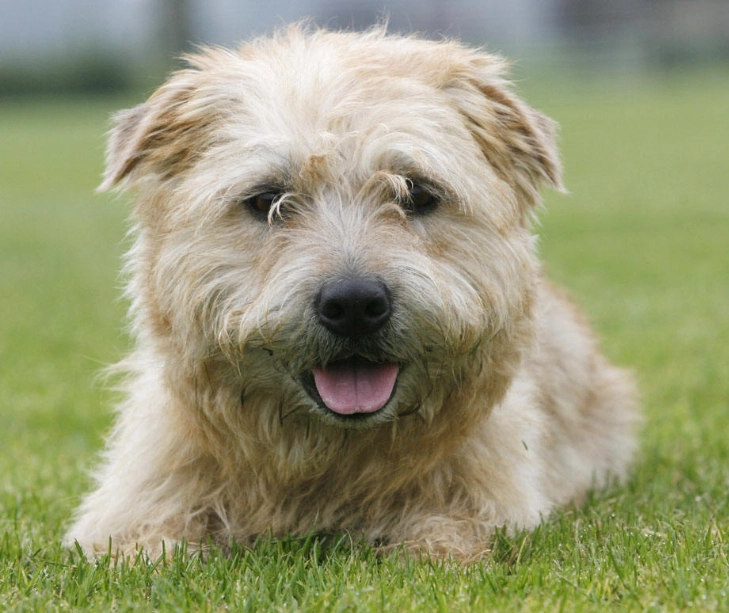
From Irish Hills to Your Home: The Glen's Unique History
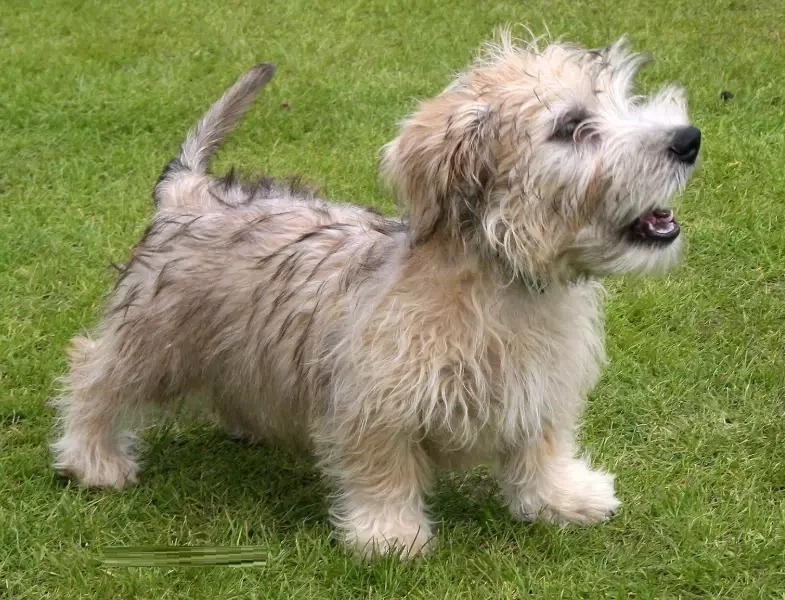
The Glen of Imaal Terrier Personality: A Study in Contradictions
The Good, The Stubborn, and The Cuddly
Are Glen of Imaal Terriers Good with Kids and Other Pets?
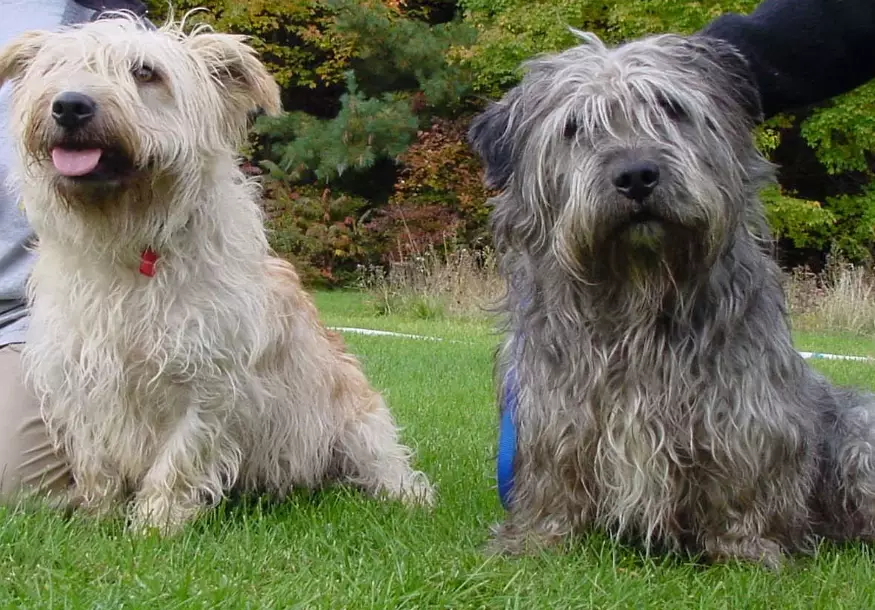
Living with a Glen: The Day-to-Day Reality
Exercise Needs: The "Low-Energy" Myth and Reality
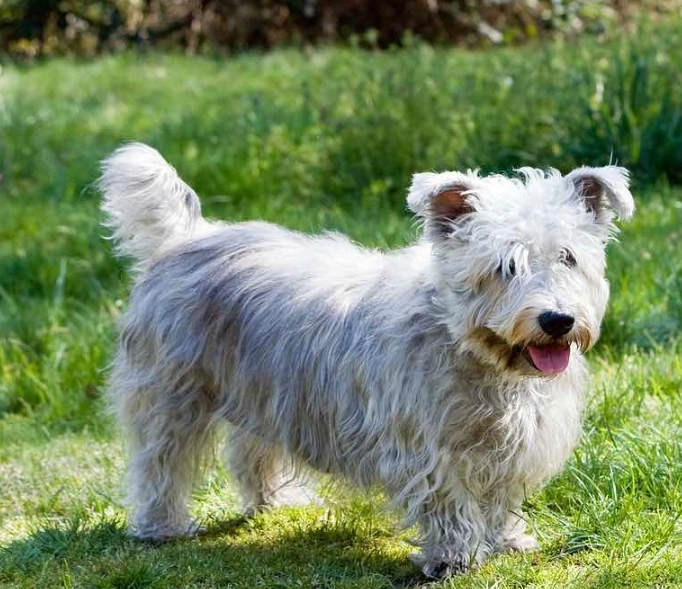
Training Your Glen of Imaal Terrier: Patience is Not Just a Virtue, It's a Requirement
Grooming: Surprisingly Easy Maintenance
Hand-stripping (plucking dead hair) 2-4 times a year is the traditional method to maintain the coat's proper texture and color. Many owners opt for clipping for simplicity, but it can soften the coat and dull the color over time.
Bathing is only needed a few times a year unless they roll in something foul.
The usual care applies: regular nail trims, ear cleaning, and teeth brushing.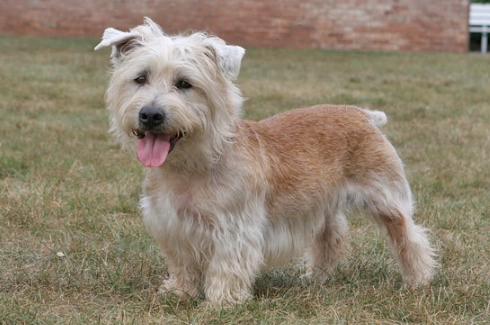
Glen of Imaal Terrier Health: What to Watch For
Health Concern Description What Responsible Breeders Do Progressive Retinal Atrophy (PRA) A group of genetic diseases causing gradual retinal degeneration, leading to blindness. Test breeding stock via a veterinary ophthalmologist or genetic DNA test. The Orthopedic Foundation for Animals (OFA) tracks these certifications. Hip Dysplasia Malformation of the hip joint that can lead to arthritis and pain. The Glen's build puts stress on the joints. Submit X-rays to OFA or PennHIP for evaluation and only breed dogs with passing scores. Elbow Dysplasia Similar developmental issue in the elbow joints. OFA screening via X-rays. Primary Lens Luxation (PLL) A painful condition where the lens of the eye dislocates, often requiring surgery. A known issue in terrier breeds. Genetic DNA testing is available and should be standard. Skin Allergies/Irritations Some Glens can be prone to itchy skin or contact allergies. No specific test, but breeders should know their lines' history. Is a Glen of Imaal Terrier the Right Dog for You? A Brutally Honest Checklist
You might be a good Glen owner if you:
You should probably look at another breed if you:
Finding a Glen of Imaal Terrier: Breeder vs. Rescue
Going the Breeder Route
Considering Glen of Imaal Terrier Rescue
The Final Word: A Unique Companion for the Right Person
Your Glen of Imaal Terrier Questions, Answered
Quick Breed Snapshot: The Glen of Imaal Terrier (often just called a "Glen") is one of four terrier breeds native to Ireland. They were developed in the remote, rugged Glen of Imaal in County Wicklow to work silently, hunting vermin and turning spits by running in a wheel. This unique history gave them a powerful, cobby build, a surprisingly moderate energy drive, and a famously independent mind.
I always think the turnspit job is the key to their modern temperament. Imagine a dog that had to trot steadily in a wheel for hours. That's not a job for a hyperactive, frantic dog. It required patience, endurance, and a certain... stoicism. It explains a lot about why a Glen might be happy with a good walk and then content to lounge, unlike a Jack Russell who seems powered by nuclear energy.
The Big Glen Caveat: Their prey drive is VERY MUCH intact. This is not an off-leash dog in an unsecured area. A squirrel, rabbit, or cat triggers a deep, primal instinct. They will chase, and their low center of gravity makes them surprisingly fast and agile. A secure yard is a must, and recall training is a lifelong project that may never be 100% reliable in high-distraction environments.
The bottom line? They're a great fit for an active person who isn't a marathon runner, or for someone who enjoys thoughtful, engagement-based activities with their dog.
When I was researching breeders, the ones I respected most didn't just say "my dogs are healthy." They emailed me PDFs of OFA certificates for hips, elbows, and eyes, and the genetic test results for PRA and PLL. It was a night-and-day difference compared to the ones who just said "trust me." This paperwork is your first line of defense.
Are Glen of Imaal Terriers good apartment dogs?
They can be surprisingly good, given their moderate size and calm indoor demeanor. The critical factor is exercise and mental stimulation. An apartment Glen still needs its daily walks and playtime. Also, consider your neighbors regarding their deep, loud bark. They are generally quieter than many small dogs, but they will sound an alert.
How much do Glen of Imaal Terriers shed?
They are moderate shedders. Their double coat sheds seasonally, more heavily in spring and fall. Regular brushing during these times will keep the loose hair under control. It's not like a Husky blowout, but you'll find hair on your dark clothes.
Are they aggressive?
Not typically. "Assertive" and "dog-selective" are better terms. They are brave and won't back down from a challenge, but they are not inherently human-aggressive. Poor breeding, lack of socialization, or irresponsible ownership can create aggression in any breed. A well-bred, well-socialized Glen is stable and confident, not aggressive.
What's the difference between a Glen and a Scottish Terrier or Cairn Terrier?
Great question. Scotties are more aloof, dignified, and have a very specific grooming standard. Cairns are more energetic, scrappier, and often more outwardly friendly. The Glen of Imaal Terrier is generally calmer than both, lower to the ground, and has that unique bowed front leg structure. Personality-wise, the Glen's independence is similar, but its "off-switch" is more pronounced.
Can I get a Glen of Imaal Terrier puppy easily?
No. If you find one easily, be very, very suspicious. Reputable breeders have long waiting lists because they only breed a litter when they have a specific goal (like improving health or temperament) and have a list of approved homes waiting. The journey to get a Glen puppy is part of the commitment to the breed.
Comment